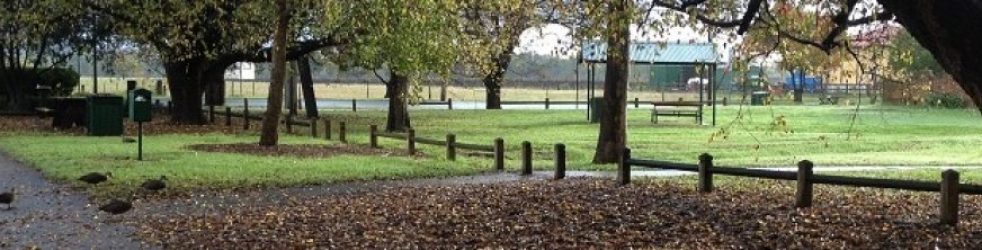
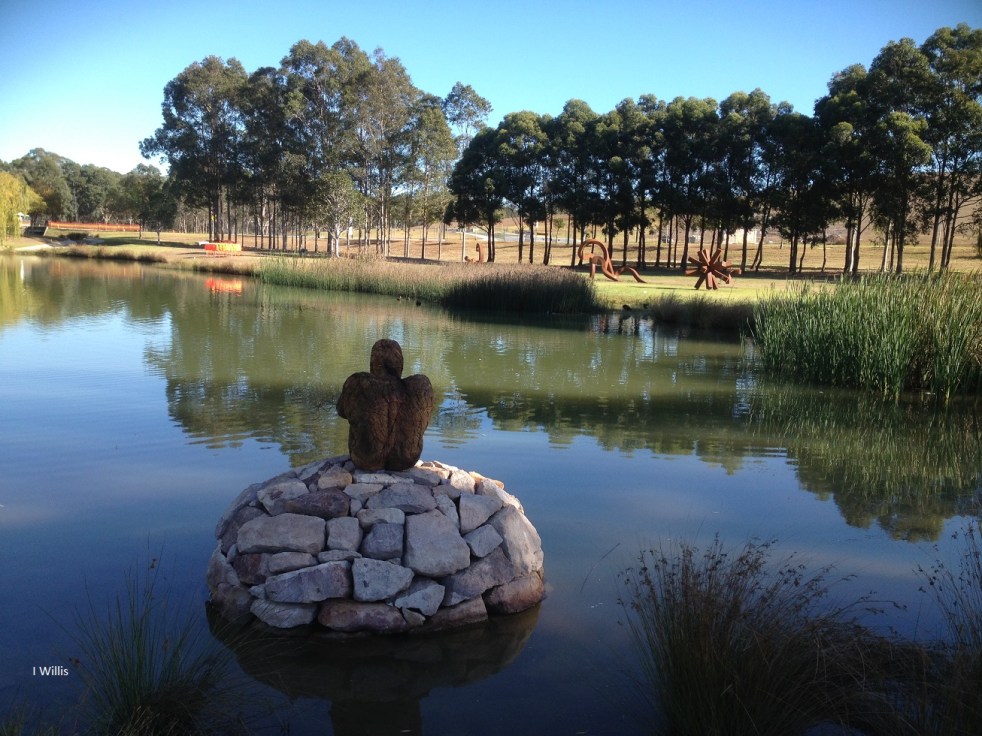
Sometimes hidden in plain sight
Public art in all its forms is present across the Macarthur Region.
The Camden, Campbelltown and Wollondilly Local Government Areas on Sydney’s southwest metropolitan fringe cover the Macarthur region.
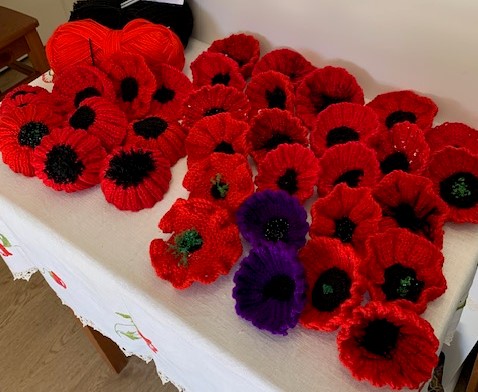
Some of the Macarthur region’s public art is hidden in plain sight, and we pass it every day without a thought.
This post examines the types of public art found across the region and follows the typology outlined by the Australian Centre for Contemporary Art in Melbourne.
What is public art?
The Australian Centre for Contemporary Art defines public are as
A public artwork is an artwork in any medium, planned and executed outside a gallery context and intended specifically for exhibition within public space.
Public spaces are generally open and accessible to all. They can be indoors – such as foyers, atriums, airports or shopping centres – or outdoors – such as forecourts, parks, squares, freeways or plazas.
ACCA 2023
Types of public art
Permanent

Permanent public artworks are meant to stay in their current location for a long time, e.g., statues and sculptures. These works are meant to be durable, made from bronze, marble, granite, steel, and basalt, and can last centuries.
Temporary
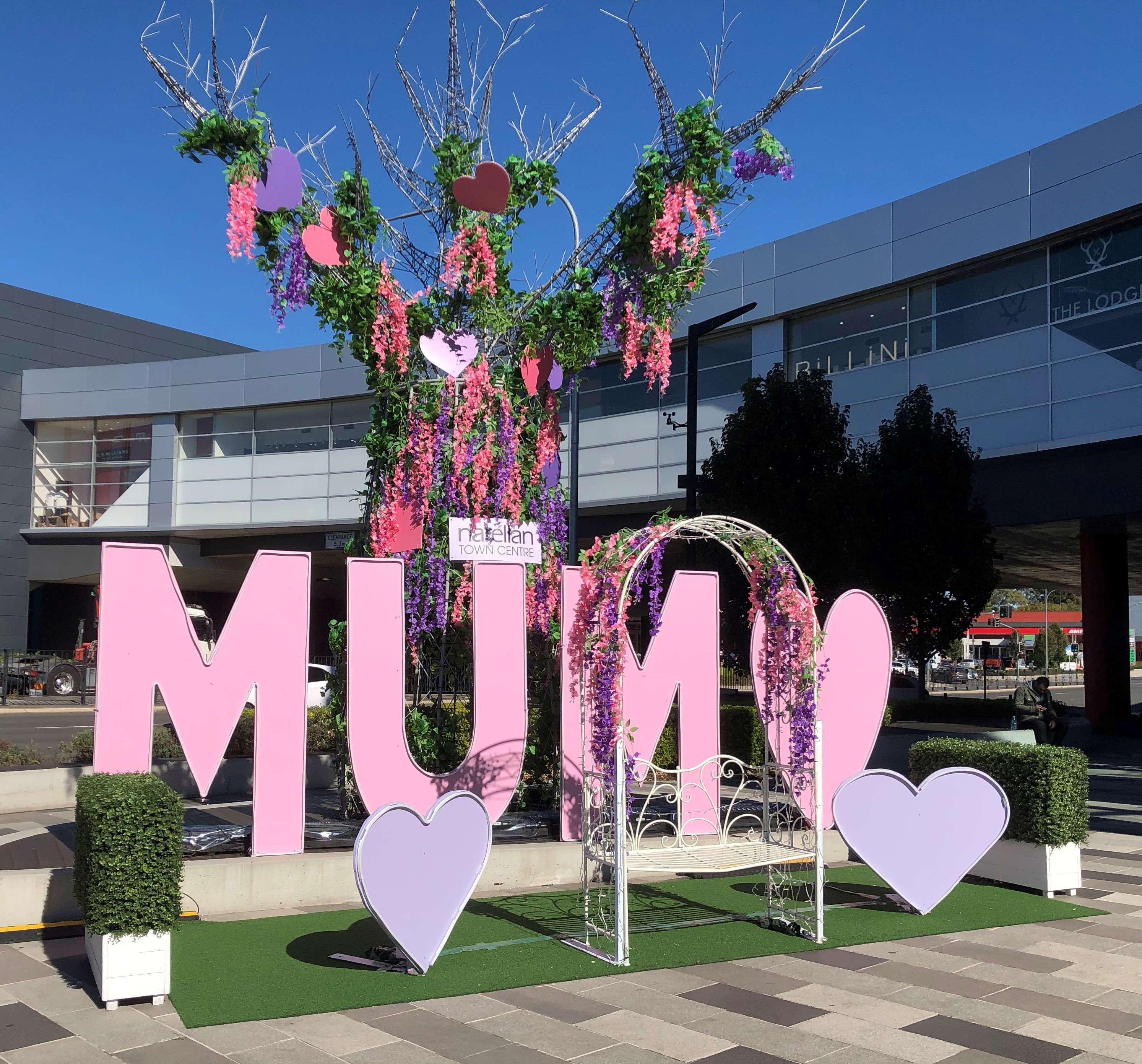
Temporary public artworks have a predetermined life, sometimes hours to perhaps days or years, e.g., installations, projections and performances created for public spaces. These works can be ephemeral, and materials used can include paper, chalk, video, sound and performance.
Stand-Alone
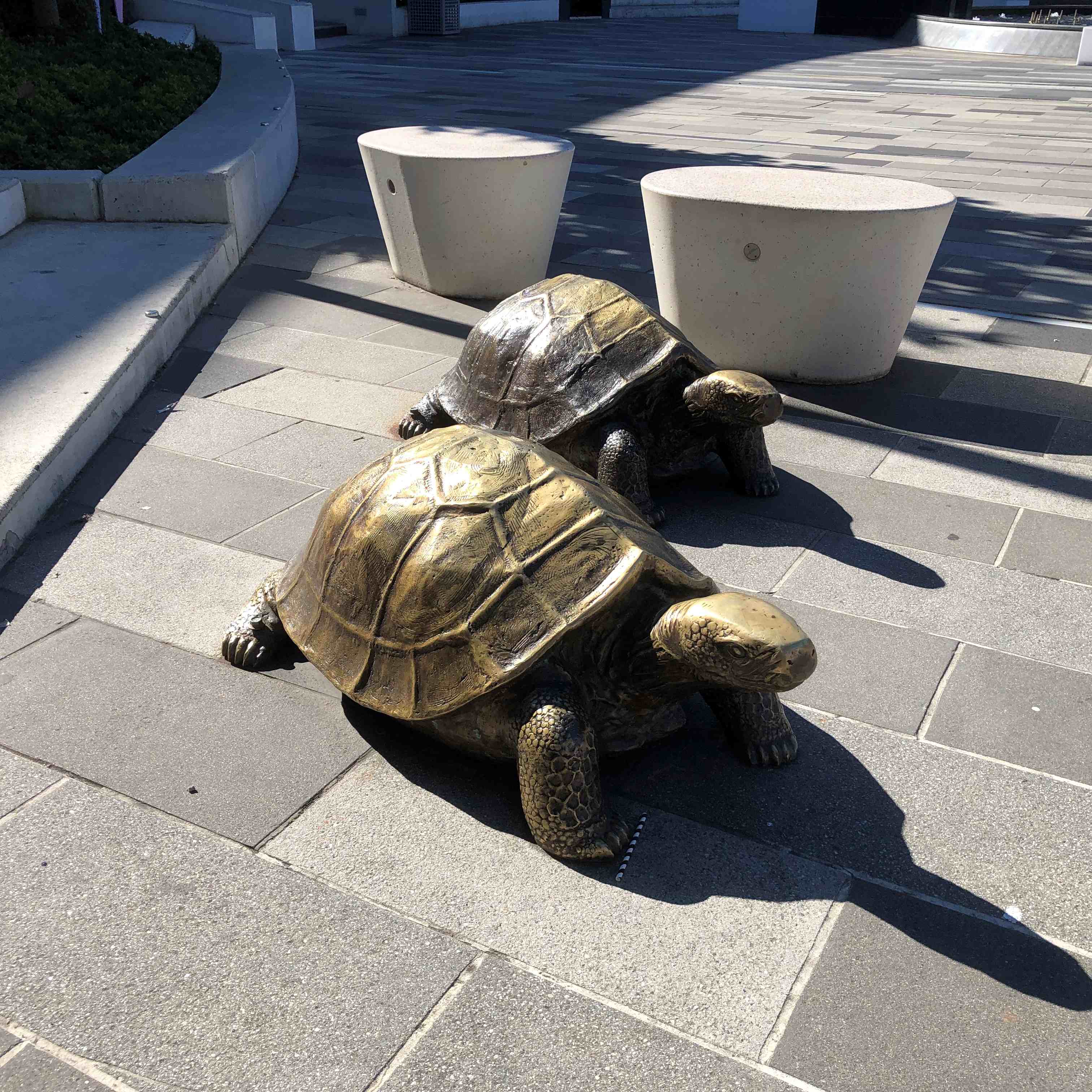
Stand-alone works can be defined as 3-D structures and independent of other structures.
Site-specific installation
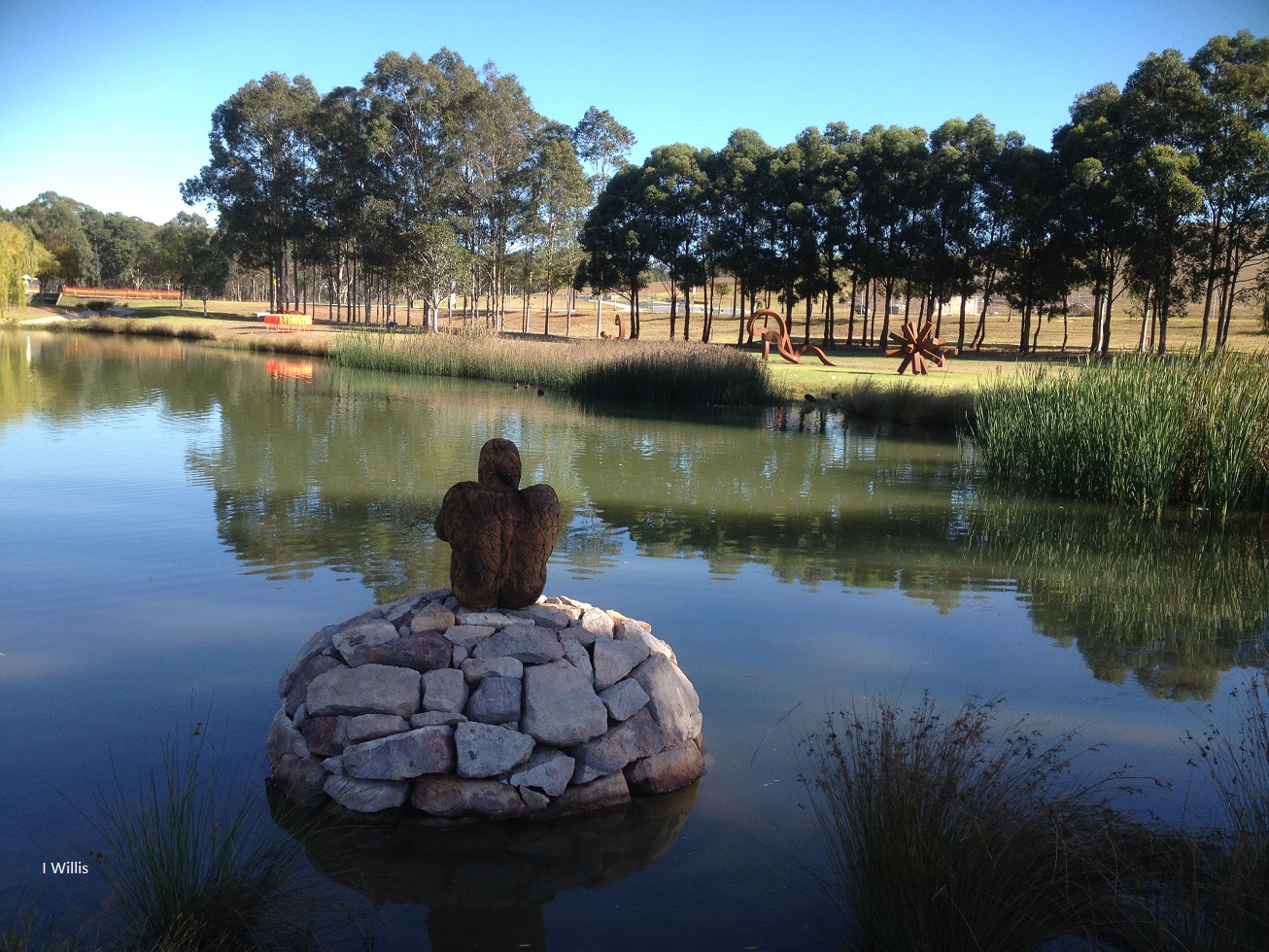
A site-specific installation describes an artwork where the context, the surroundings or the setting is just as important as the work. Each element informs the other, and both elements are essential to the artwork.
Integrated
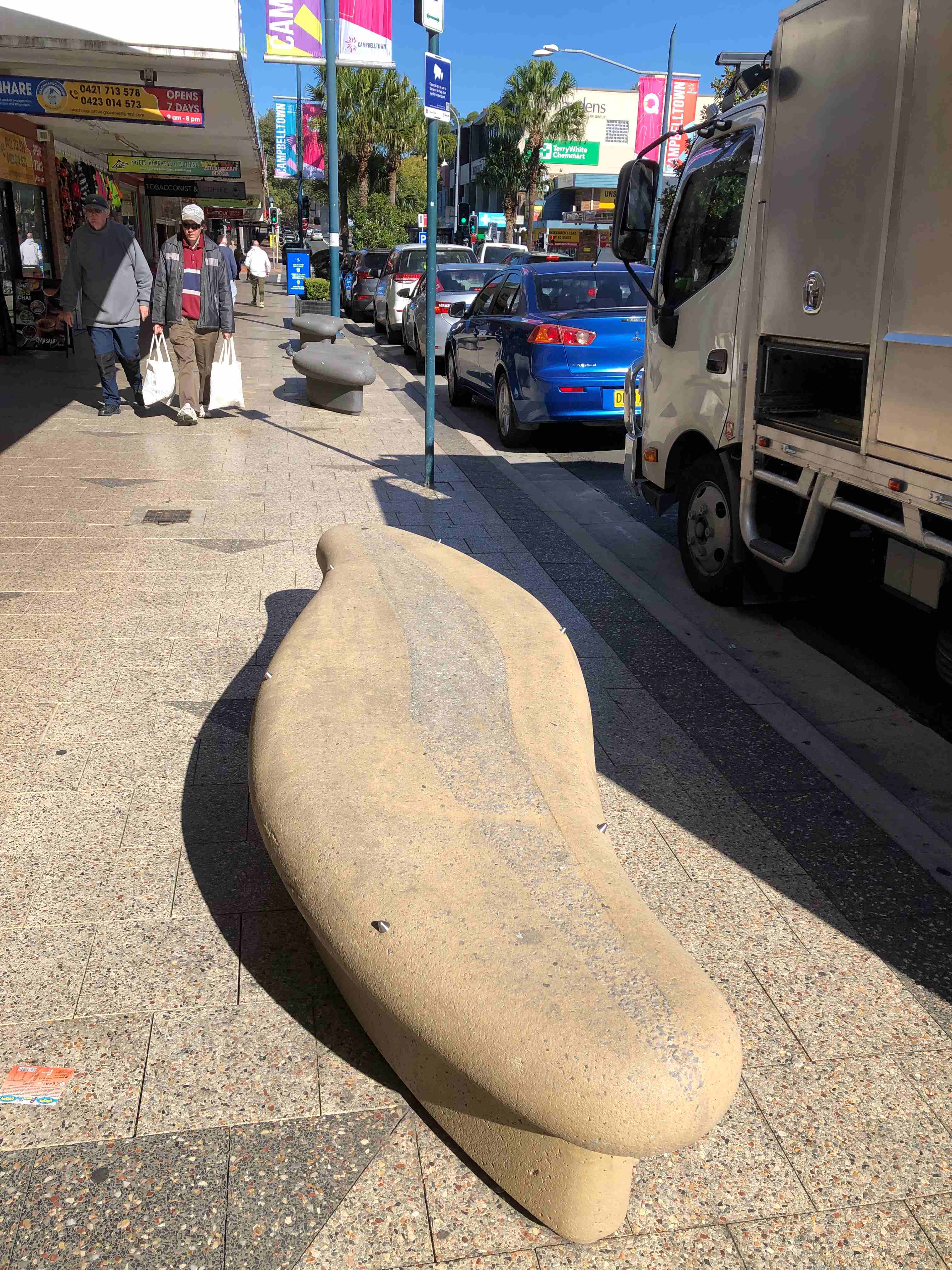
An integrated public artwork is incorporated into another structure, e.g., a streetscape, building or landscape design. Examples range from street paving to sculptural seating and artist-design glass (windows) where the artwork might be a metaphor.
Applied
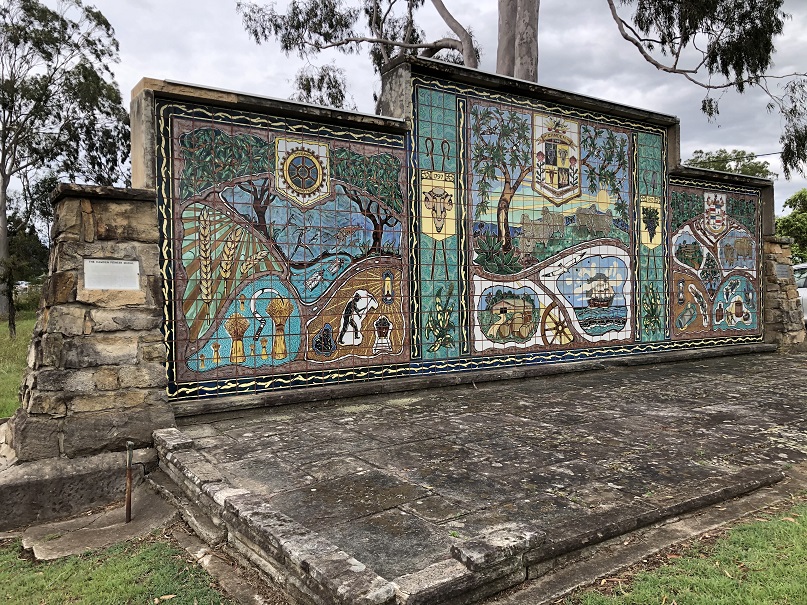
An applied public artwork is placed directly onto the surface of another structure. The work is 2-D and includes murals, chalk drawings, legal ‘street art’, and illegal graffiti.
Performance-based
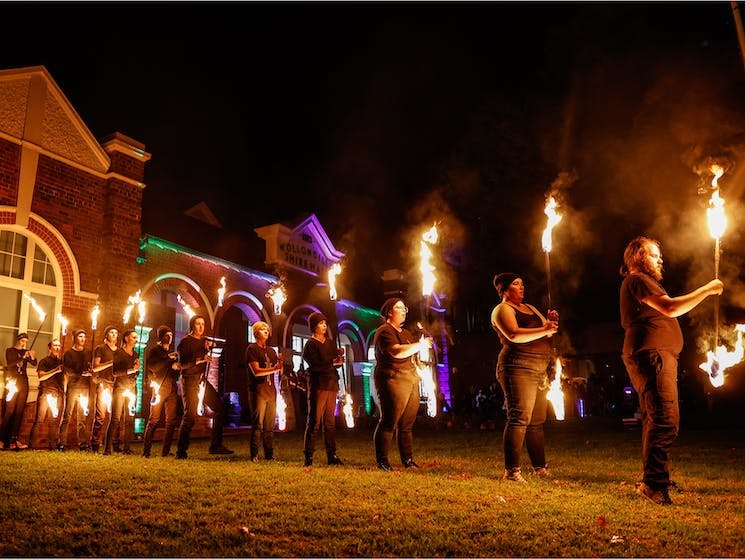
Performance-based public art can include dance, theatre, music, and other live actions in public spaces. These are temporary artworks as they involve performers and involve choreography, direction, or musical scores.
Large & small scale
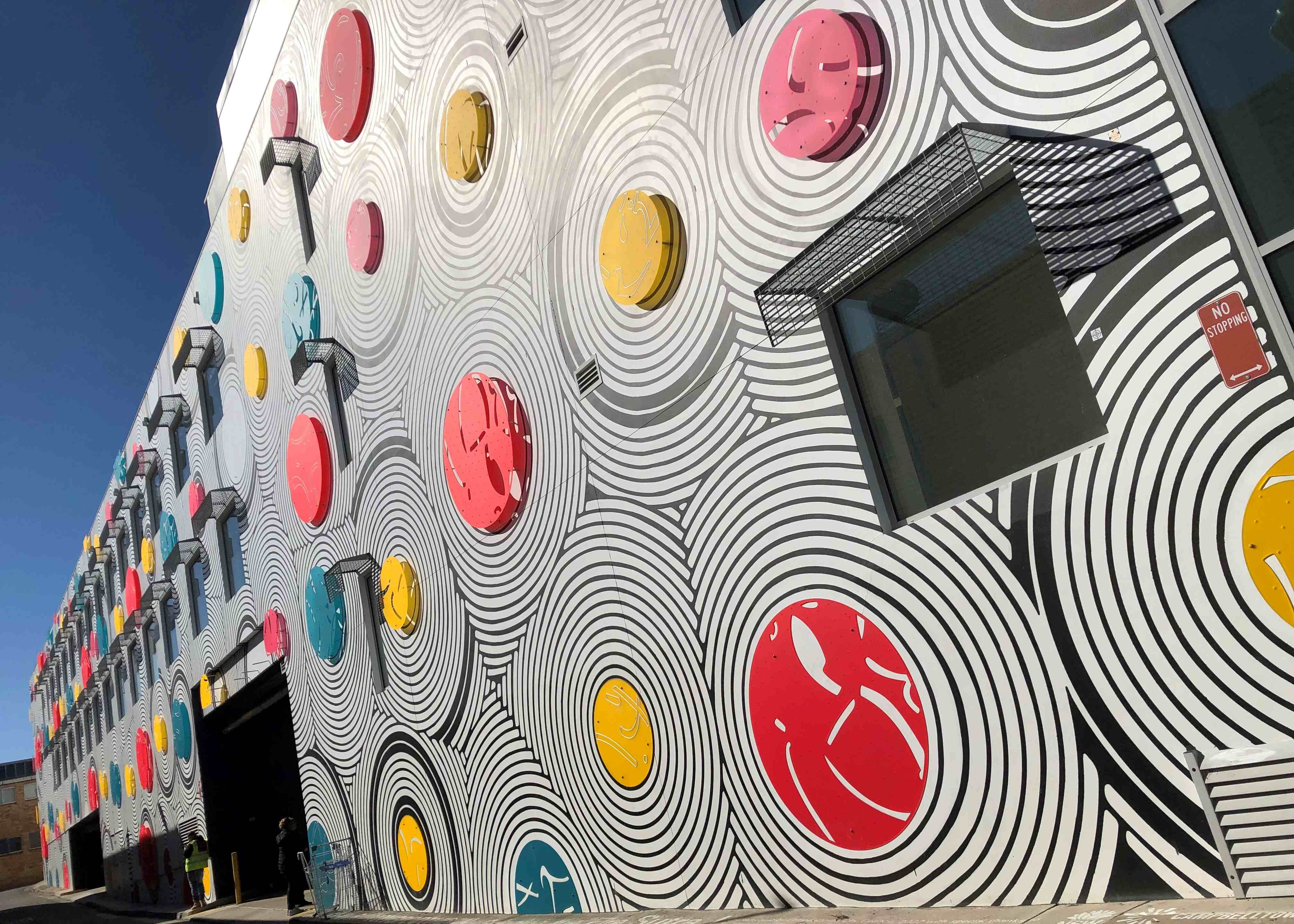
Large-scale public artwork can be described as monumental and expansive in a public space in open parks, tall buildings, and large trees. The experience of the viewer can be overwhelming, alienating or disconcerting.
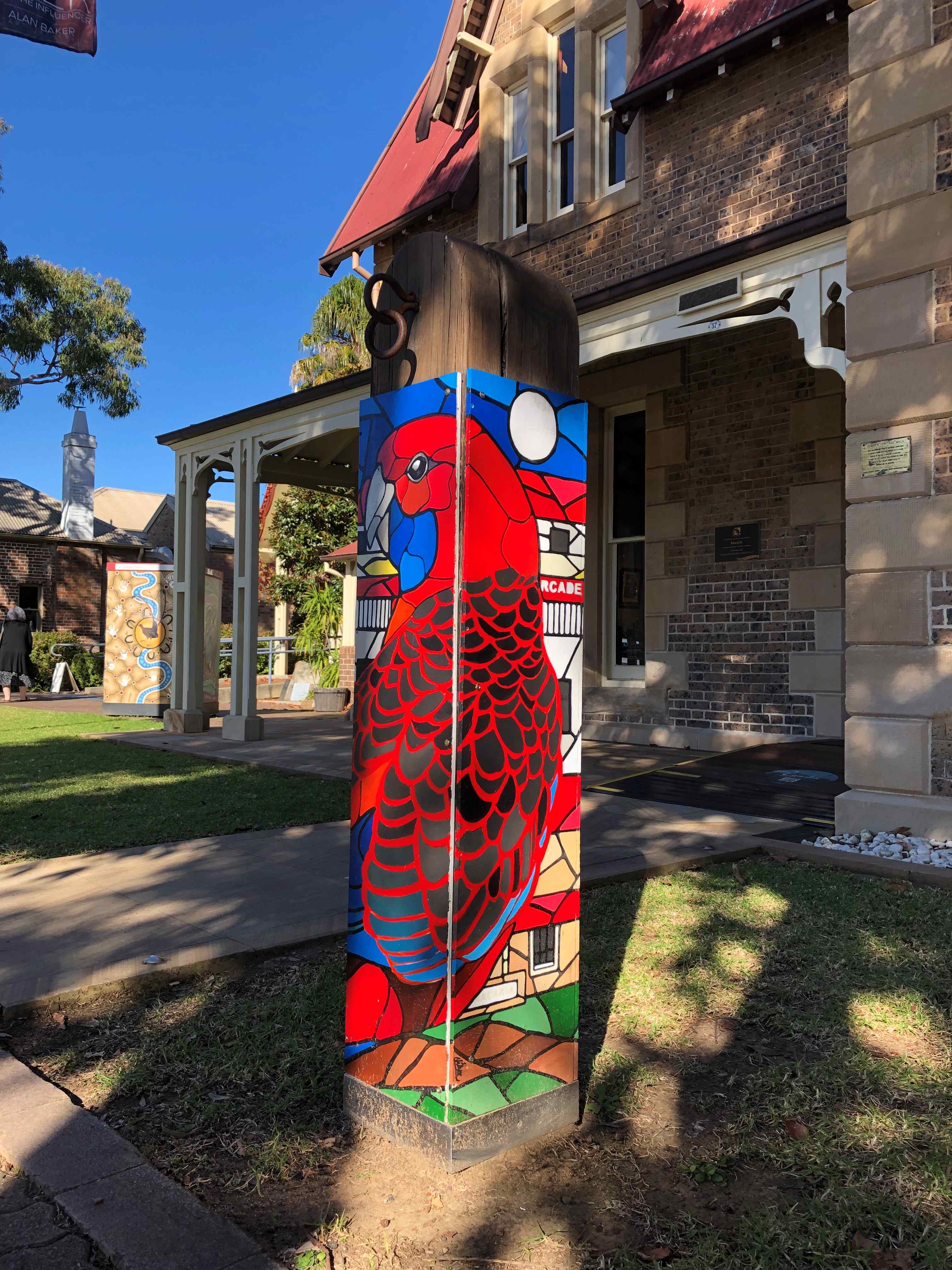
Small-scale public art is intimate between the viewer and the artwork and can be personal and quiet.
Static
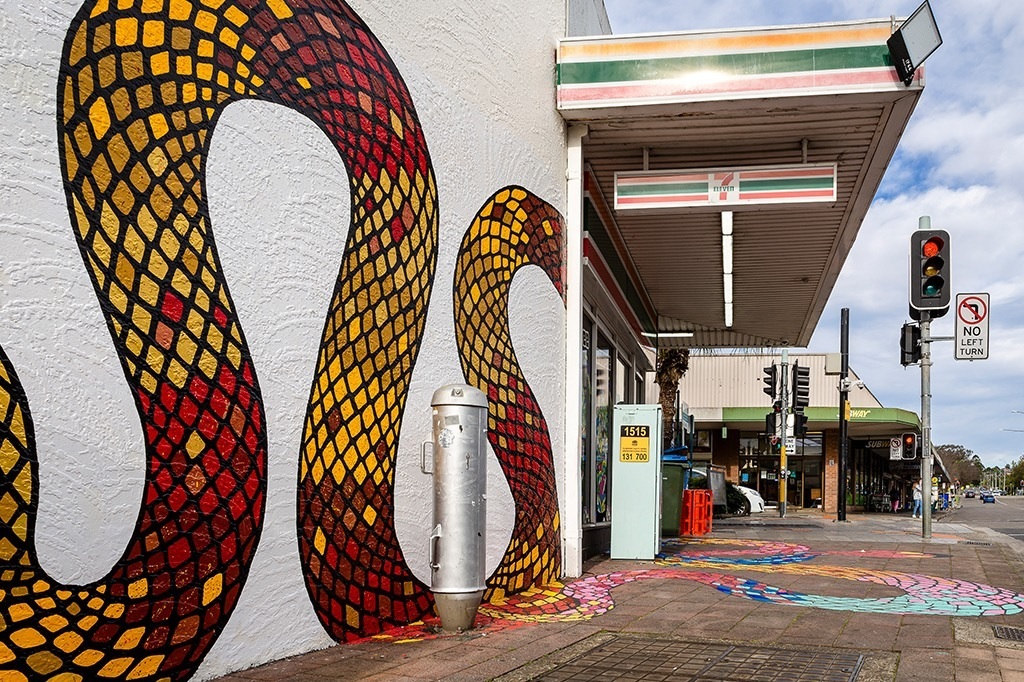
Static artworks at still or motionless, so it does not change murals or statues.
Kinetic
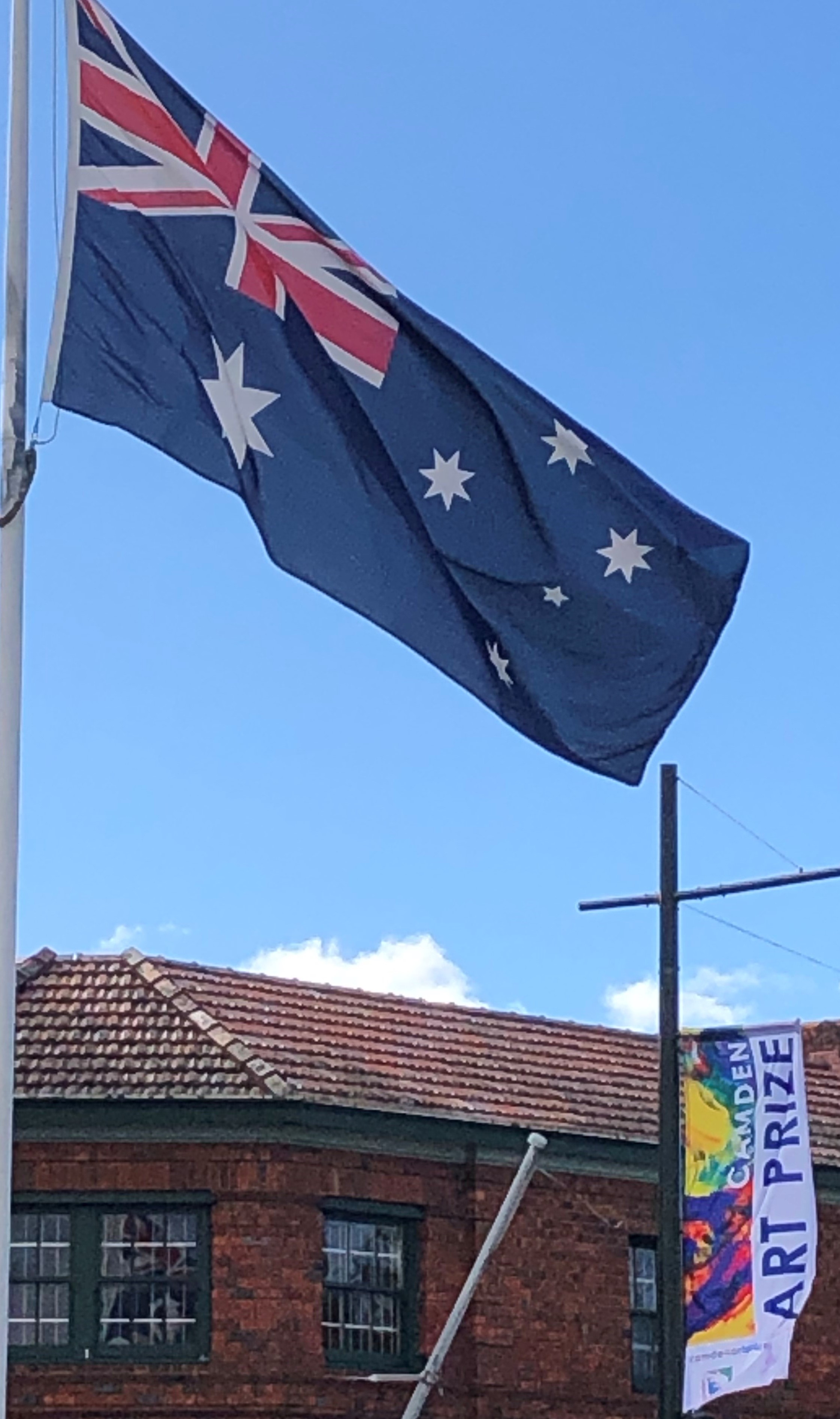
Kinetic artworks move in some way, e.g., sculptures that move in the breeze.
Sound-based
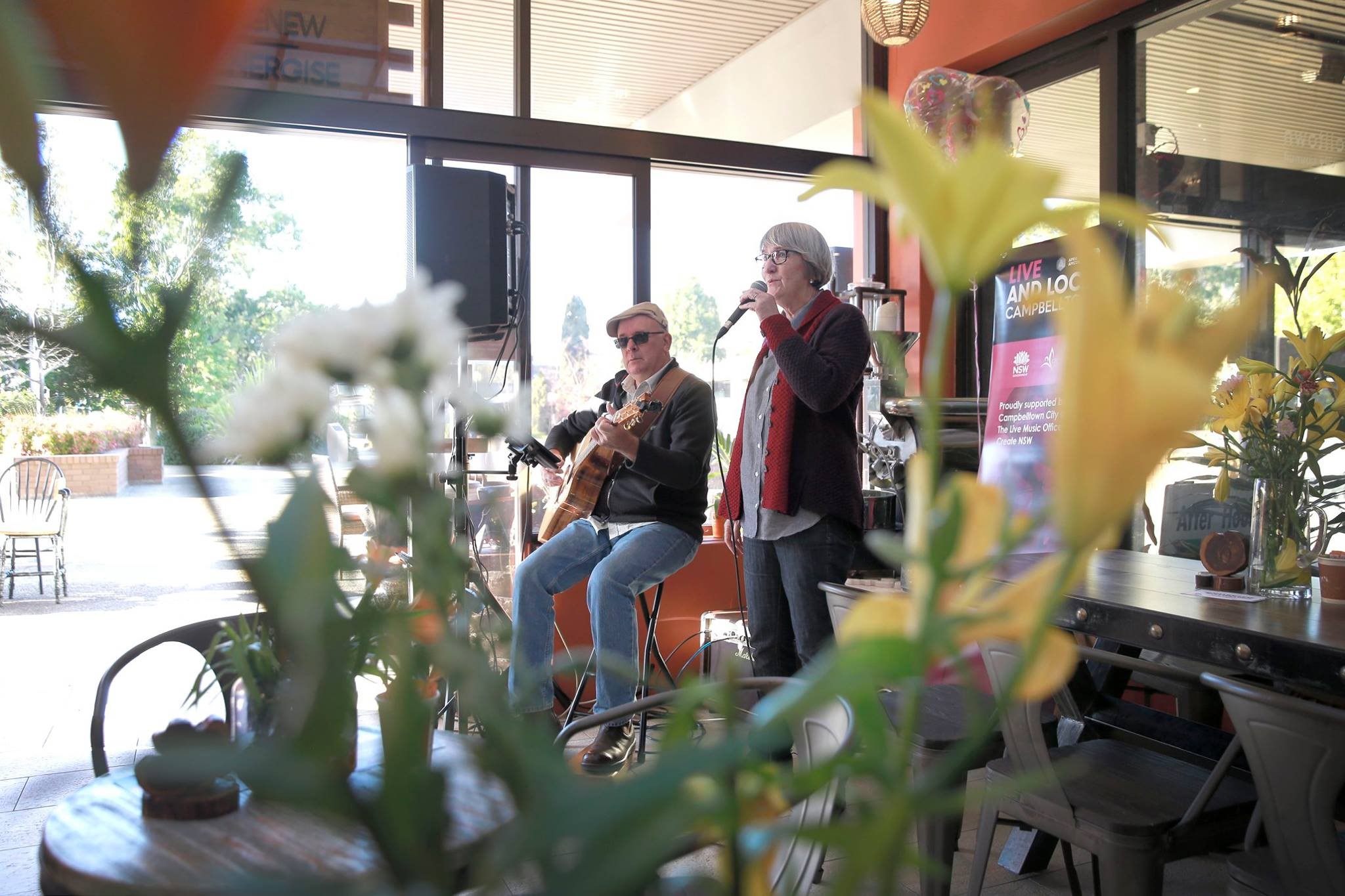
Sound can be an integrated part of a public artwork as part of the performance or on its own. Live ‘n’ Local festival offers a range of sounds and performances that delight the listener.
Digital
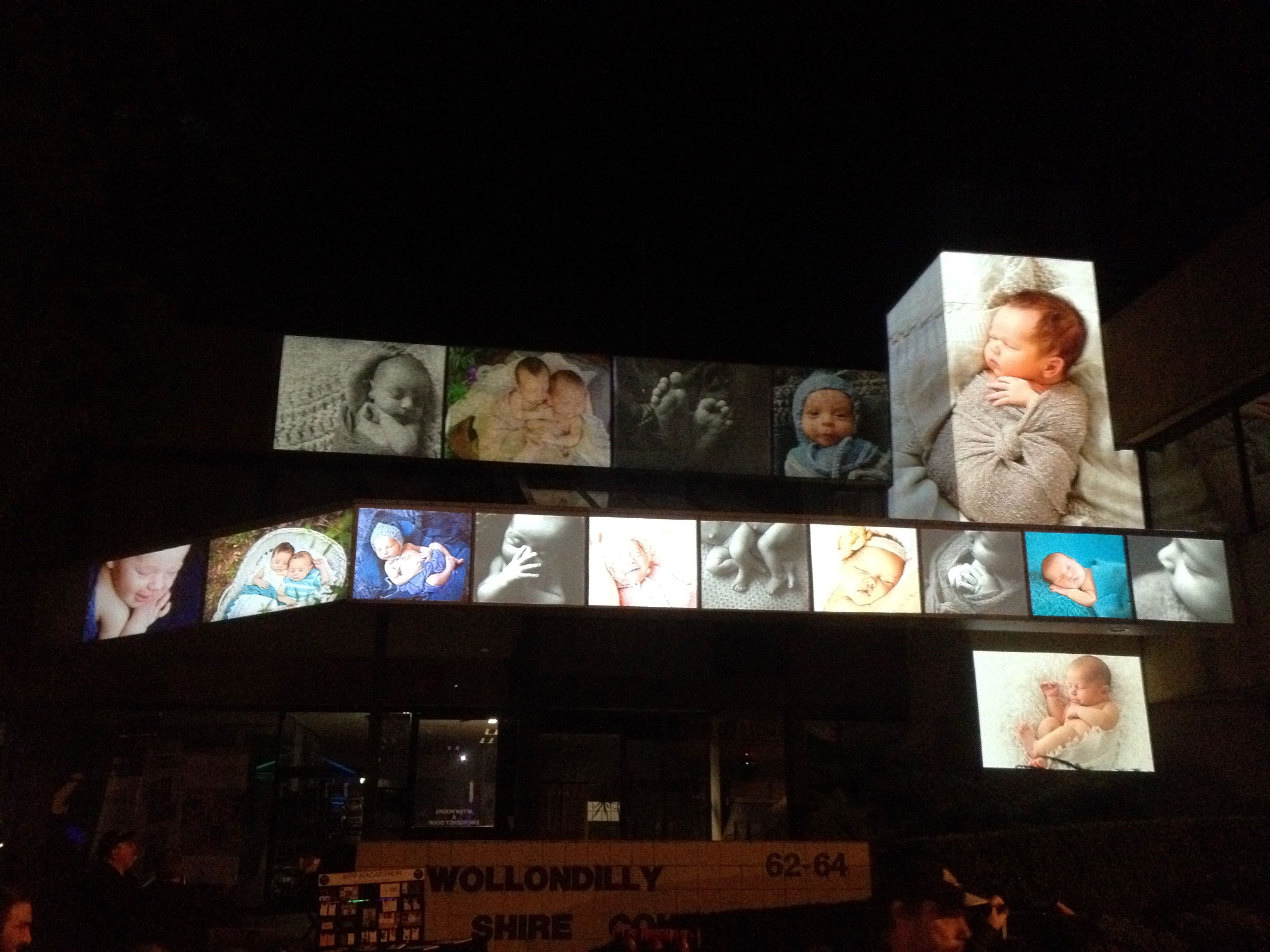
Digital artworks include CGI images projected on buildings or videos onto a screen. The 2023 festival is described this way:
Immerse yourself in an enchanting world of art, performance, light and colour as we see the much anticipated return of the Illuminate Wollondilly Festival of Art & Light this September 2023.
https://www.illuminatewollondilly.com.au/
References
ACCA 2023, ‘What is Public Art?’ Australian Centre for Contemporary Art, Melbourne. Online at https://acca.melbourne/education/resources/public-art/what-is-public-art/
https://doi.org/10.17613/c0sa-cm46
Discover more from Camden History Notes
Subscribe to get the latest posts sent to your email.


2 thoughts on “Types of public art in the Macarthur Region”
Comments are closed.