Exploring the Interwar years
The Interwar Period are the years between World War I and World War II, 1918 to 1939 and is defined by important global changes that affected the Camden district, including the Great Depression.
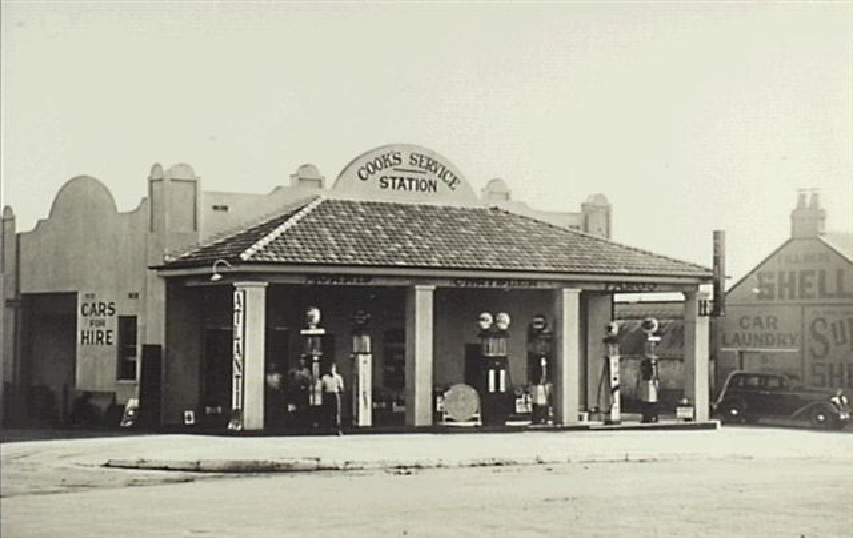
The Interwar years in the Camden district were marked by urban growth and development driven by the wealth generated by the Burragorang coalfields. This was a period that expressed Camden modernism through motoring, cinema, communications, transport, improvements in public health, increased commercial activity, changes in fashion and music, and other factors.
Interwar Camden (University of Wollongong, 2016)
Architecture of the Interwar Years (District Reporter, 25 October 2019)
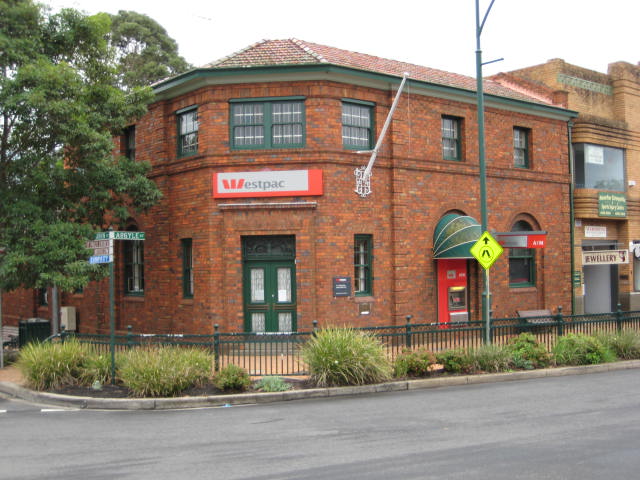
The former Bank of New South Wales building in the country town of Camden (CHN, 2023)
Making Camden History: local history and untold stories in a small community (ISAA Review, 19(1), 23-38, ISSN: 2203-1367, 2023.)
Yearning, Longing and The Remaking of Camden’s Identity: the myths and reality of ‘a country town idyll’. (Paper presented at AHA Conference, UNE, Armidale, NSW, 2007)
Illuminating local history (PHA NSW&ACT, 22 February 2016)
Lost Interwar Motoring Heritage (Australian Quarterly, 80(4), 12-15, ISSN: 1443-3605, 2008)
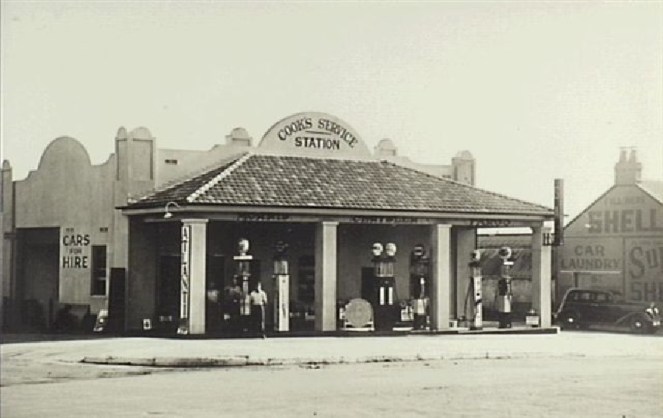
Camden Cafes and Milk Bars (CHN, 2016)
Camden, the best preserved country town on the Cumberland Plain (CHN, 2021)
During the interwar years in the Camden area a number of welfare commenced activities.
Camden CWA leads way in wartime (CHN 2018)
Camden CWA wartime president, Rita Tucker (CHN 2018)
CWA Camouflage Netting Volunteers (CHN 2018)
Shortage of Wartime CWA Volunteers at Camden (CHN 2014)
Community gets behind CWA net making during war CHN 2014)
Camden CWA Starts Wartime Net Making (CHN 2014)
Ministering Angels, Myth and the Red Cross on the Australian Wartime Homefront (CHN 2024)
‘Angels Of Mercy’, The Red Cross On the Homefront During the First World War (CHN 2024)
Motherhood became an issue for the British Empire as birth rates declined from the late 19th century onward. Camden, as an outpost of the British Empire, was part of this movement where motherhood was expressed as nationalism.
Motherhood and nation-building in the early 20th century (CHN 2021)
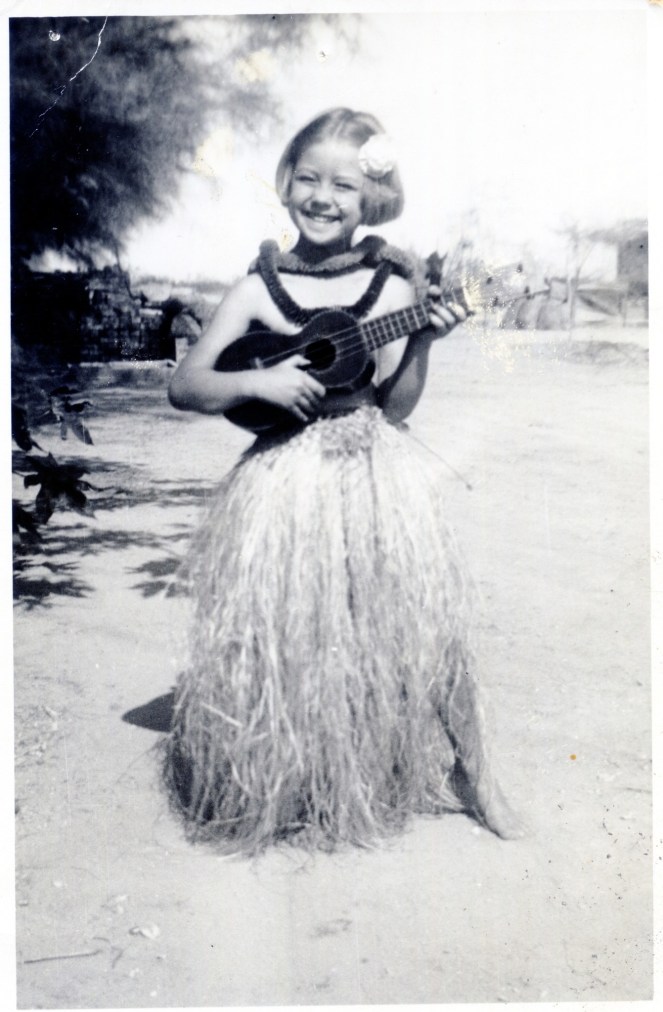
Changes in fashion and music during the interwar years caused some consternation in some quarters and celebration in others.
The Camden News affronted by Sydney ‘flappers’ and the appearance of the modern girl. (CHN 2020)
A little black ball dress (CHN 2019)
A wedding and a little bit of 1920s modernism (CHN 2017)
Whiteman & McIntosh, Camden Colonial Families Celebrate a Moderne Wedding at Cobbitty (CHN 2017)
Sunday sport banned in Camden (CHN 2021)
Hawaiian Music and Hula Dance Craze in 1920s Camden: A Historical Perspective (CHN 2024)
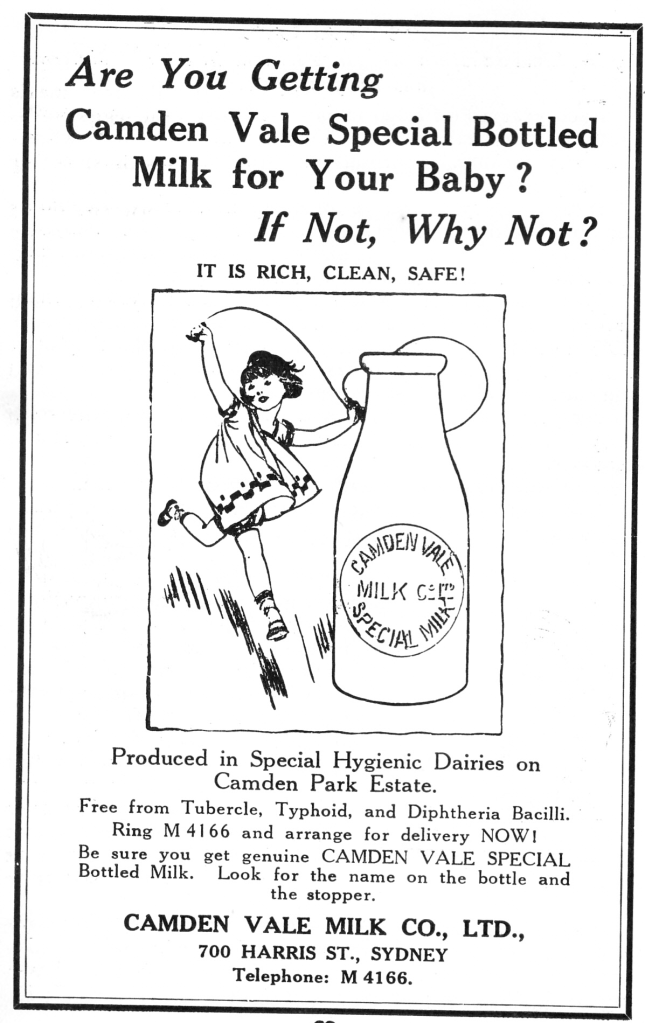
Issues related to public health and the dairy industry have always been of concern in the area.
Bottled milk and hygienic dairies: agricultural modernism (CHN 2021)
Camden Cafes and Milk Bars (CHN 2016)

