

Museums improve well-being
Since the pandemic, it has become increasingly evident that museums can contribute to positive well-being outcomes, as recent research shows. (Nosè 2025)
A team study led by health professional Marcel Foster concluded that viewing visual art in museums, murals, and online settings conferred benefits, including improved well-being, reduced stress and anxiety, better pain management, and lower heart rate and blood pressure. It also acted as a welcoming environment in health settings. (Foster et al 2025)
A 2022 literature review of over 100 research articles and government and foundation reports published in the Journal of Positive Psychology ‘suggests that a museum trip can have a range of mental and physical health benefits’. (Ansley 2022)
The literature review found that a visit to ‘a museum could improve feelings of depression, ease chronic pain, and even decrease the likelihood of being diagnosed with dementia’.
The review authors, Katherine Cotter and James O. Pawelski of the University of Pennsylvania, found that museum visiting reduced stress levels, blood pressure, and chronic pain. (Ansley 2022)
A further review of the literature led by Erica Viola and others concluded that ‘cultural engagement’ was indeed an ‘effective means for individuals to maintain and enhance their health and well-being’. (Viola 2024)
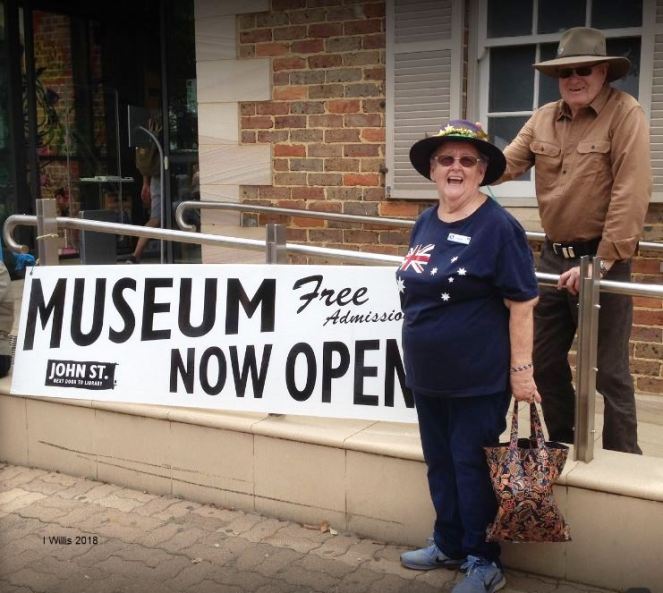
Restorative sanctuary
Visiting museums reduces stress and anxiety by serving as a restorative sanctuary that lowers cortisol levels, promotes mindfulness, and offers a positive distraction from daily life. (Charr 2025)
Banzi’s study found
Museums have increasingly been recognized as privileged locations where people can care for themselves. (Banzi 2026)
Museums supported mental health recovery, and the museum environment was shown to promote relaxation, well-being, and social life due to its emotional, cognitive, and social characteristics. The study quoted case studies of medical practitioners prescribing museum visits in Canada and Belgium. (Banzi 2026)
The study found that the main difficulty with these findings was that museumgoers needed ‘proper guidance’ through the museum to fully benefit from the programs. (Banzi 2026)
“Museums take us out of our own head,” she says. “We get lost in the beauty of something else. It removes us from our anxiety.” (Yeung 2024)
In 2025, the Museums Journal (UK) reported on
A collaboration between the Culture, Health & Wellbeing Alliance and the Group for Education in Museums (GEM), the work builds on the Working Together project that supported six museums to deliver projects tailored to local needs over an 18-month period.
The report concluded that there was an identifiable ‘improved wellbeing for participants and staff’. (Atkinson 2025)
Social effect of museum visiting
Museums also have a social effect by fostering interpersonal relationships, reducing social isolation, and building social cohesion. (Ansley 2022)
In 2022, an international summit in the UK, called ‘The Museums, Health and Well-Being’, invited presentations on the theme ‘the role of museums in creating well-being’. A range of papers illustrated
how cultural institutions can exert a strong cohesive and therapeutic potential in society, by offering inclusive spaces and cultural and creative stimuli that result in physical, psychological and emotional benefits. (Seia 2022)
The summit concluded that there is a ‘cultural transformation taking place in the arts world’, demonstrating that cultural institutions want to have a positive role with ‘integrated projects combining the arts and the health system’. (Seia 2022)

Creative health
A recent team study led by philosopher Annalisa Banzi found that
Active involvement in creative activities, known as creative health, has been shown to enhance wellbeing, with museums serving as unique spaces for health promotion. (Banzi 2026)
The integration of ‘creative and cultural activities into health promotion and disease prevention’ is called ‘creative health’. Studies have shown that ‘visual and performing arts, crafts, music, literature, and nature-based creative activities’ are not just leisure activities but are a ‘fundamental determinant to well-being’. (Banzi 2026)
The term creative health became widely known in the UK after the 2017 parliamentary report ‘Creative Health: The Arts for Health and Wellbeing by the All-Party Parliamentary Group on Arts, Health and Wellbeing’.
‘The report drew attention to the role of arts and culture in supporting health and wellbeing across healthcare, education, and community life.’ (TODAY Editorial team 2026)
There is public health recognition that these processes of creative health foster
a sense of coherence, social connection, emotional expression, cognitive stimulation, and meaning-making, that is, psychological resources that buffer against stress and support resilience. (Banzi 2026)
Social prescribing
These processes involve social prescribing, where health practitioners refer ‘patients to community-based cultural and creative activities’ to complement clinical treatment. Studies demonstrate that
arts-based interventions produce measurable improvements in anxiety, depression, social isolation, and quality of life (Fancourt & Finn, 2019), establishing creative health as an evidence-based public health strategy rather than a merely aspirational policy. (Banzi 2026)
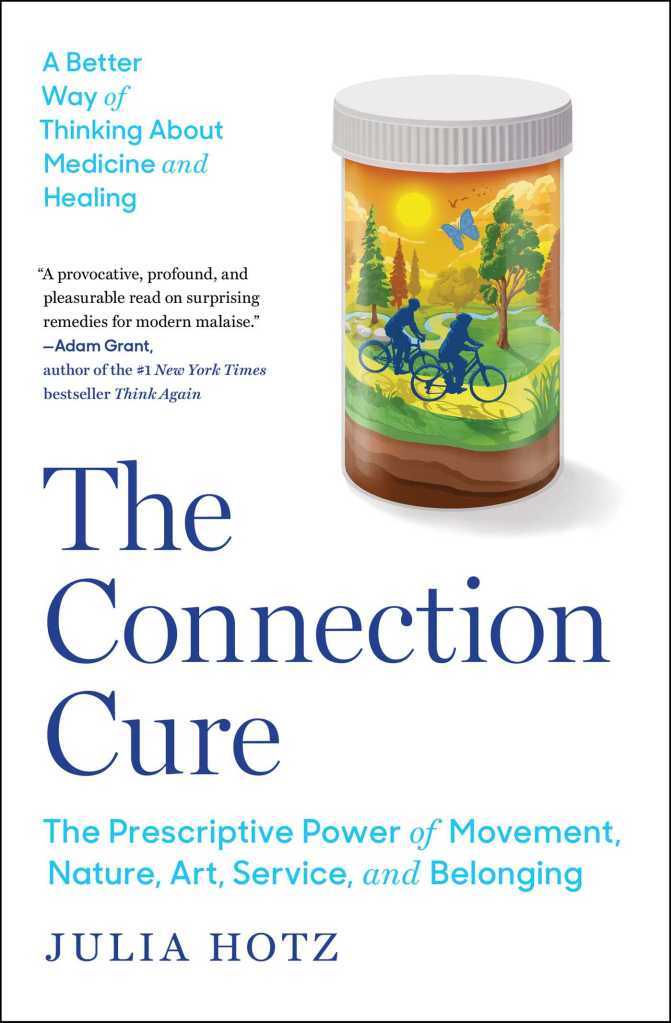
Julia Holz’s The Connection Cure
A book by journalist and author Julia Hotz, The Connection Cure, The Prescriptive Power of Movement, Nature, Art, Service, and Belonging, explores the impact of social prescribing across more than 30 countries and presents strong evidence of its success. The publisher’s notes for the book state that social prescribing has ‘proven to reduce patient wait times, lower hospitalisation rates, save money, and reverse health worker burnout’. (Hotz 2025)
Conclusion
The final words on the benefits of visiting museums for well-being will be left to a team study led by health professional J Fares, which concluded that
Museums are generally considered as safe spaces for visitors, creating an environment that can serve therapeutic purposes. And through their promotion of cultural participation, museums and art galleries can enhance the health and wellbeing of individuals. (Fares 2024)
Museums act as therapeutic, safe spaces—or “social prescribing” partners—offering programs like art-on-prescription, dementia support, and creative workshops that enhance participants’ health and reduce social isolation.

Reflection
To improve your well-being, lower your stress and anxiety levels and visit a local museum.
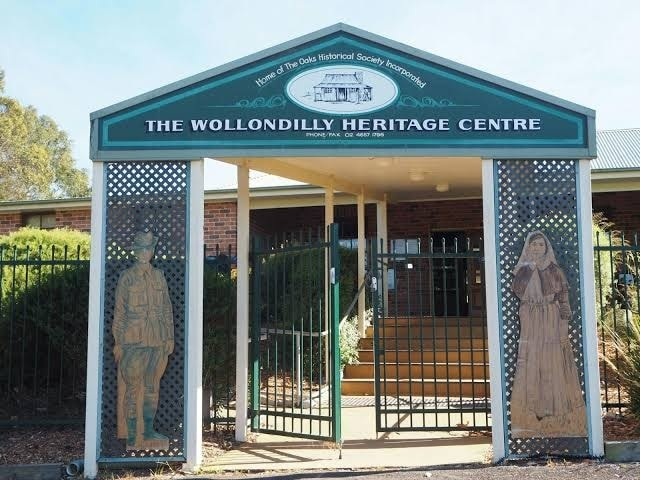
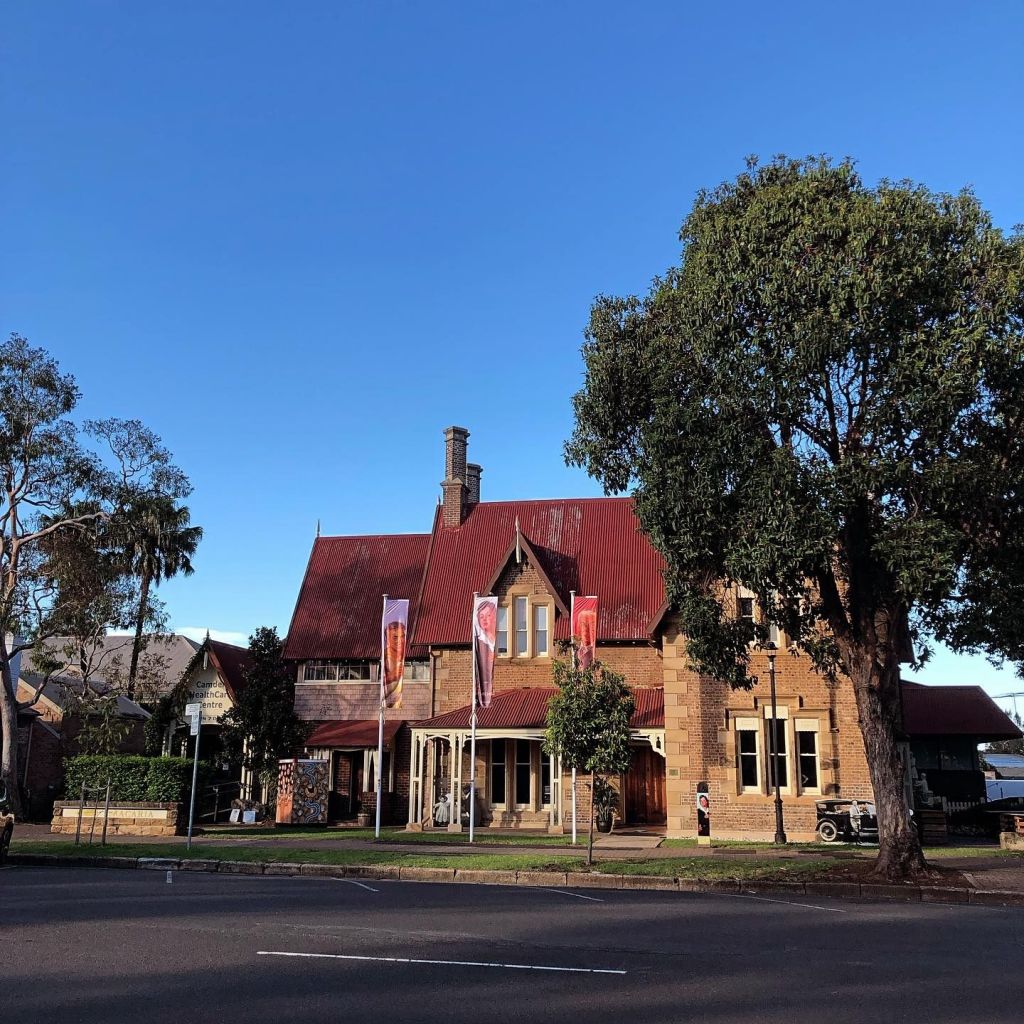
There are three local history museums in the Macarthur region: Camden Museum, Wollondilly Heritage Centre and Museum at The Oaks, and Campbelltown’s Glenalvon House Museum. Then there is the Campbelltown Steam and Machinery Museum at Menangle.
Art museums include the Alan Baker Art Gallery Macaria in Camden and the Campbelltown Arts Centre.
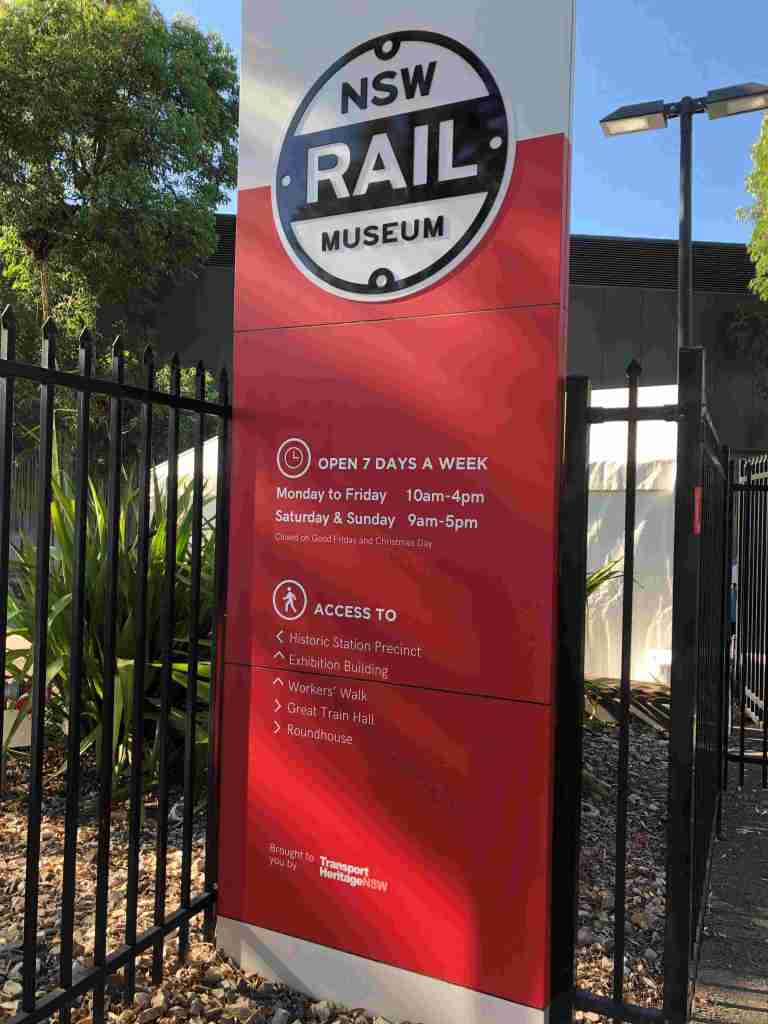
Amongst the larger institutions are the NSW Rail Museum at Thirlmere and Camden’s Belgenny Farm.
Resources
Ansley, Tom 2022. Visiting a museum can help reduce your anxiety. Planet Attractions, 28 June. Online https://www.planetattractions.com/news/Visiting-a-museum-can-help-reduce-your-anxiety/1367 (Accessed 18/3/26)
Atkinson, Rebecca 2025. How can museums realise the potential of creative health practice? Museums Journal, 4 December. Online at https://www.museumsassociation.org/museums-journal/news/2025/12/how-can-museums-realise-the-potential-of-creative-health-practice/ (Accessed 18/3/26)
Banzi A, Sacco PL, Vanutelli ME, Lucchiari C. 2026. The Museum as a Mindful Space: Reducing Visitors’ Stress and Anxiety Levels Through the ASBA Protocol. Behav Sci (Basel). 2026 Jan 14;16(1):116. doi: 10.3390/bs16010116. PMID: 41595058; PMCID: PMC12838231. (Accessed 18/3/26)
Charr, Manuel 2025. Stress-Free Museum Visits? How ‘Quiet Hours’ Are Changing the Game. Health & Well-Being, MuseumNext, 25 November. Online at https://www.museumnext.com/article/stress-free-museum-visits-quiet-hours/ (Accessed 18/3/26)
Fares J, Hadjicosti I, Constantinou C. 2025. Rethinking culture: a narrative review on the evolving role of museum and art gallery-based heritage activities and programmes on wellbeing. Perspect Public Health. 2025 May;145(3):144-156. doi: 10.1177/17579139241268446. Epub 2024 Sep 27. PMID: 39329522; PMCID: PMC12231841. (Accessed 18/3/26)
Foster MW, Sanhueza C, Bahr E, Kuo JL, Wu Y, Komolafe DO, Blanchette V, Brinza T, Morgan-Daniel J, Oshodi Y, Sodimu KA, Omuku N, Akisanya E, Trinder L, Willmoth S, Simpson N, White N, Shaw TA, Moyse Fenning H, Runefelt A, Kolnik M, Pokorn M, Fietje N, Sajnani N. 2025 The effects of viewing visual artwork on patients, staff, and visitors in healthcare settings: A scoping review. PLoS One. 2025 Aug 20;20(8):e0328215. doi: 10.1371/journal.pone.0328215. PMID: 40833932; PMCID: PMC12367177. (Accessed 18/3/26)
Hotz, Julia 2025. The Connection Cure, The Prescriptive Power of Movement, Nature, Art, Service, and Belonging. Simon & Schuster, New York.
Nosè M, Compri B, Cristofalo D, Carlon V, Kratchanova R, Rodighiero A, Menegazzo C, Tedeschi F, Turrini G, Barbui C. 2025. From art to mental health: exploring the impact of a museum-based intervention on psychological well-being. Front Psychol. 2025 Nov 14;16:1591056. doi: 10.3389/fpsyg.2025.1591056. PMID: 41323921; PMCID: PMC12662043. (Accessed 18/3/26)
Seia, Catterina 2022. Well-being becomes a meaningful horizon for museums. Blog, IBSA Foundation for Scientific Research, 22 Feb. Online at https://www.ibsafoundation.org/en/blog/well-being-becomes-meaningful-horizon-for-museums (Accessed 18 March 2026)
TODAY Editorial team 2026. KEYWORD for Cultural Prescribing #02 Creative Health. Today Exploring Art, Society, and Wellbeing Online Magazine. 14 January. Online https://aatomo.jp/en/keyword_creativehealth/ (Accessed 18/3/26)
Viola E, Martorana M, Ceriotti D, De Vito M, De Ambrosi D, Faggiano F. 2024. The effects of cultural engagement on health and well-being: a systematic review. Front Public Health. 2024 Jul 10;12:1369066. doi: 10.3389/fpubh.2024.1369066. Erratum in: Front Public Health. 2024 Oct 21;12:1508337. doi: 10.3389/fpubh.2024.1508337. PMID: 39050607; PMCID: PMC11266038. (Accessed 18/3/26)
Yeung , Peter 2024. A Dose of Inspiration: Why Doctors Are Prescribing Museum Visits. Reasons to be Cheerful. 15 July. Online https://reasonstobecheerful.world/a-dose-of-inspiration-why-doctors-are-prescribing-museum-visits/ (Accessed 18/3/26)
Discover more from Camden History Notes
Subscribe to get the latest posts sent to your email.

