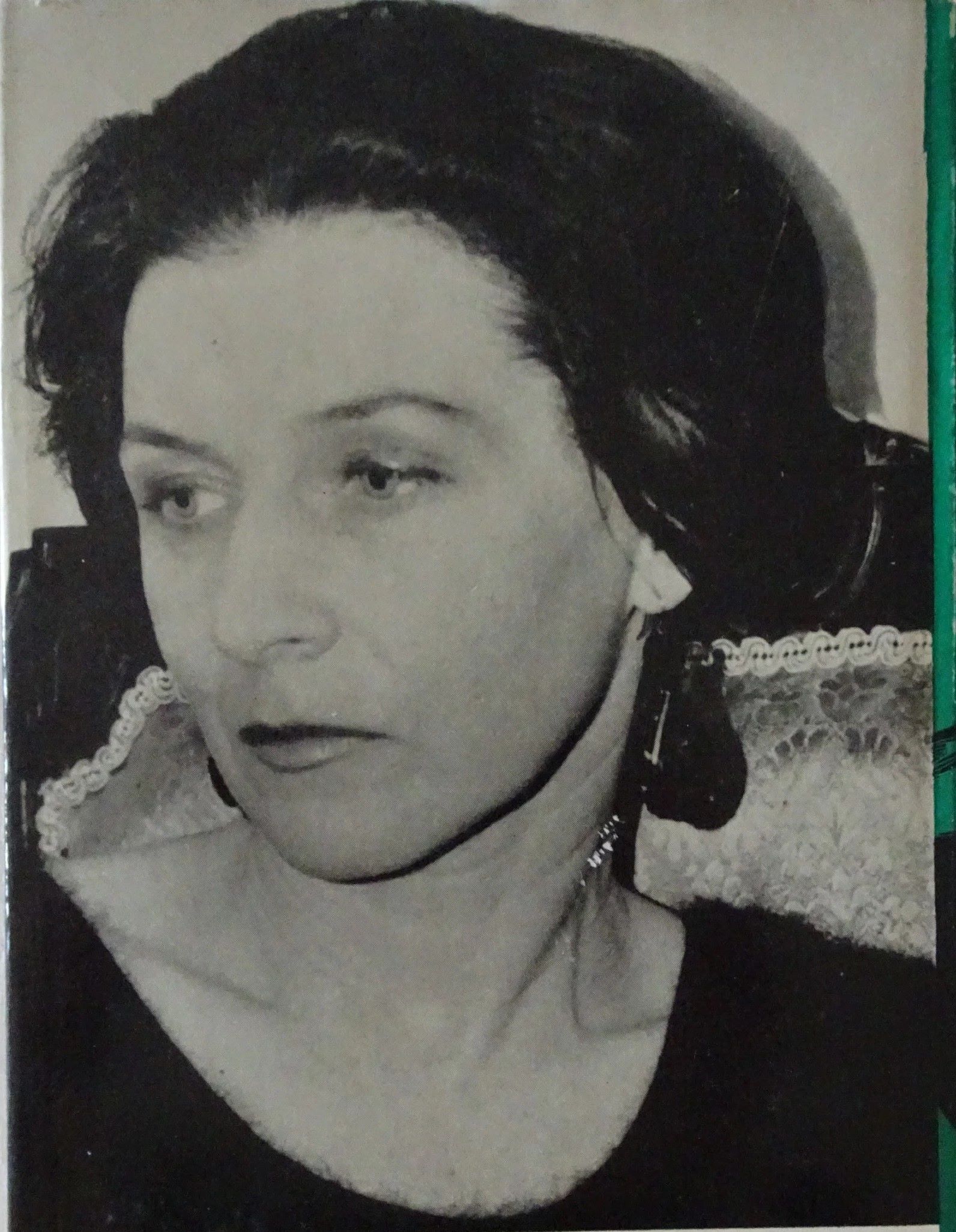
Nancy Phelan, an Australian writer
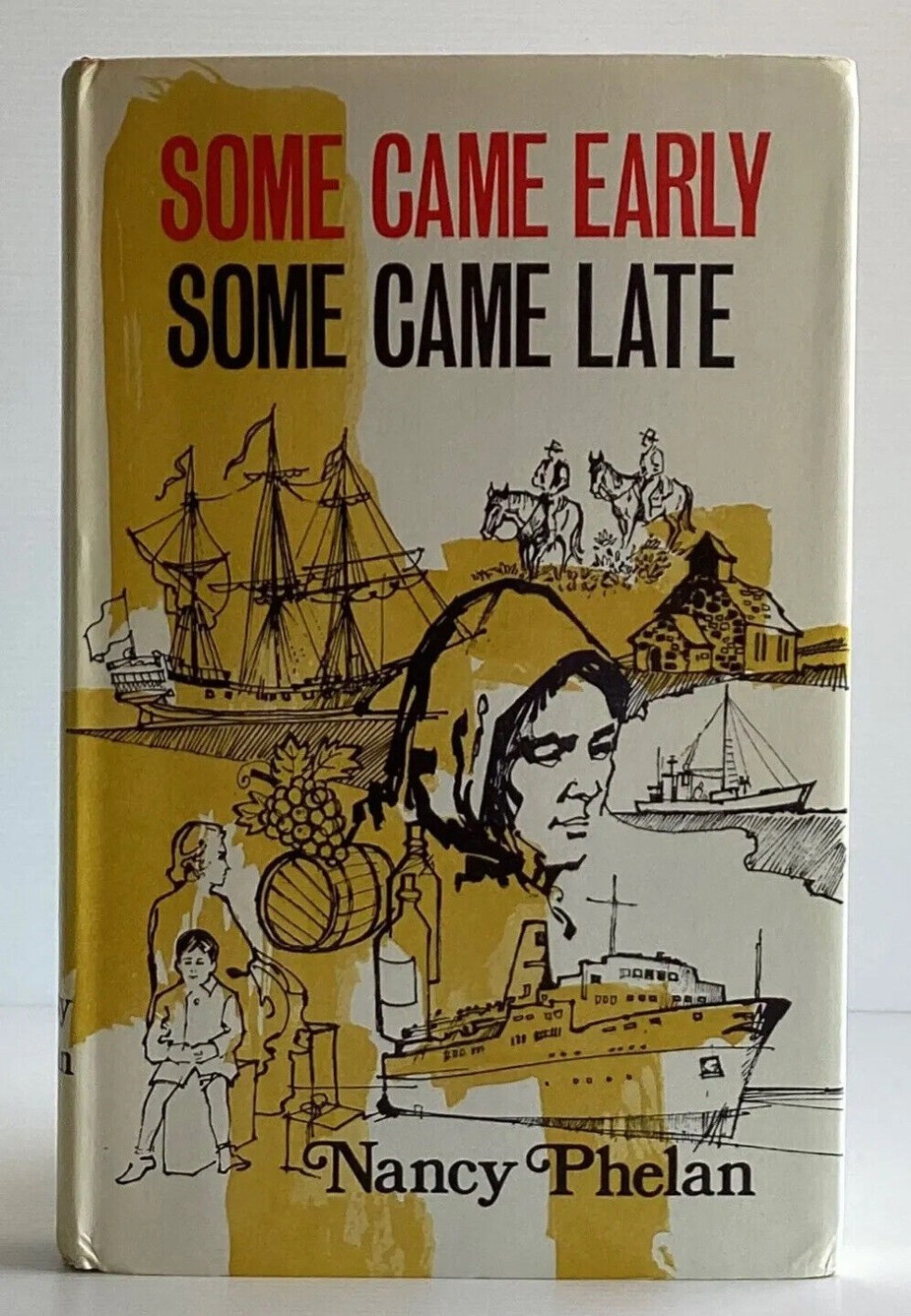
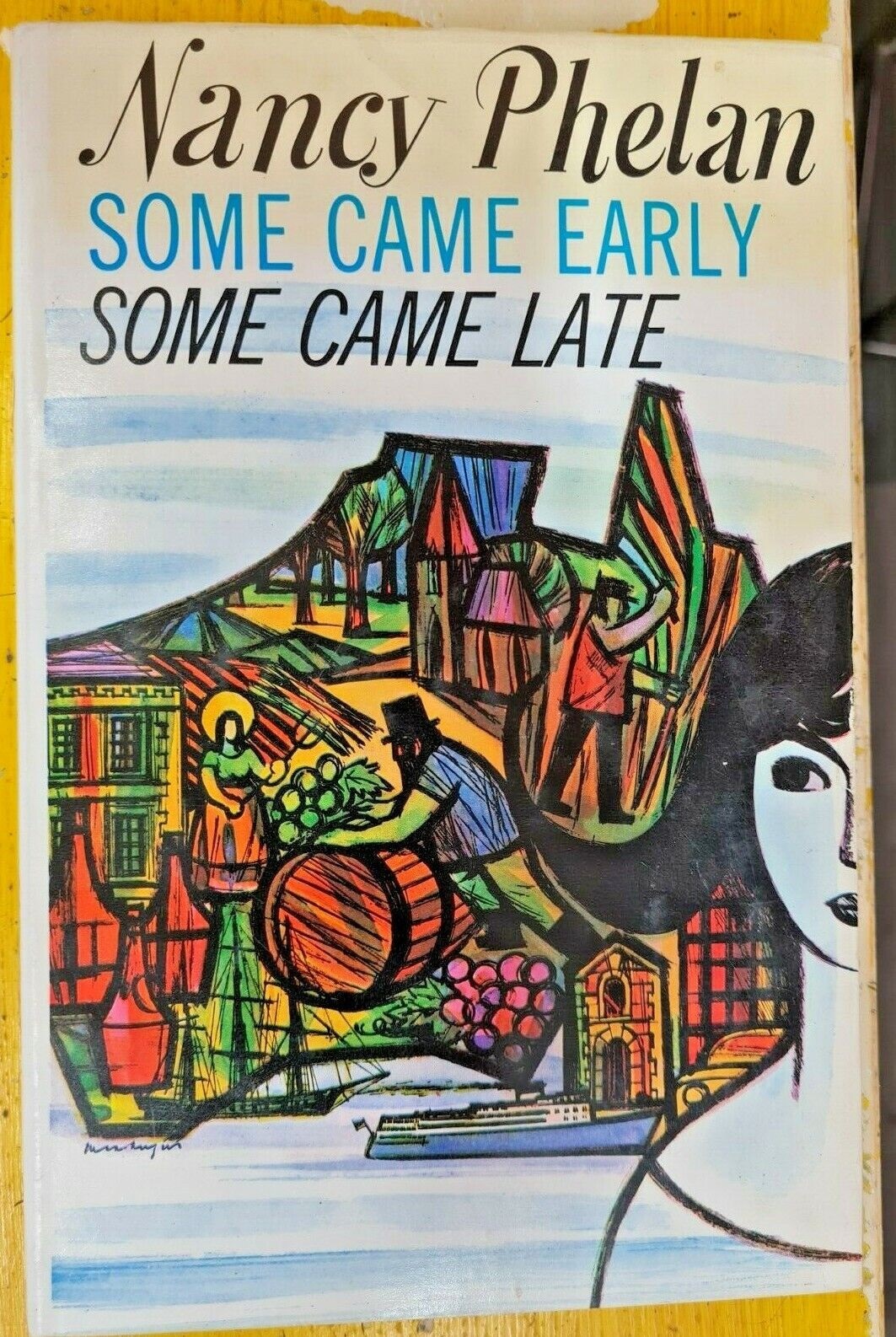
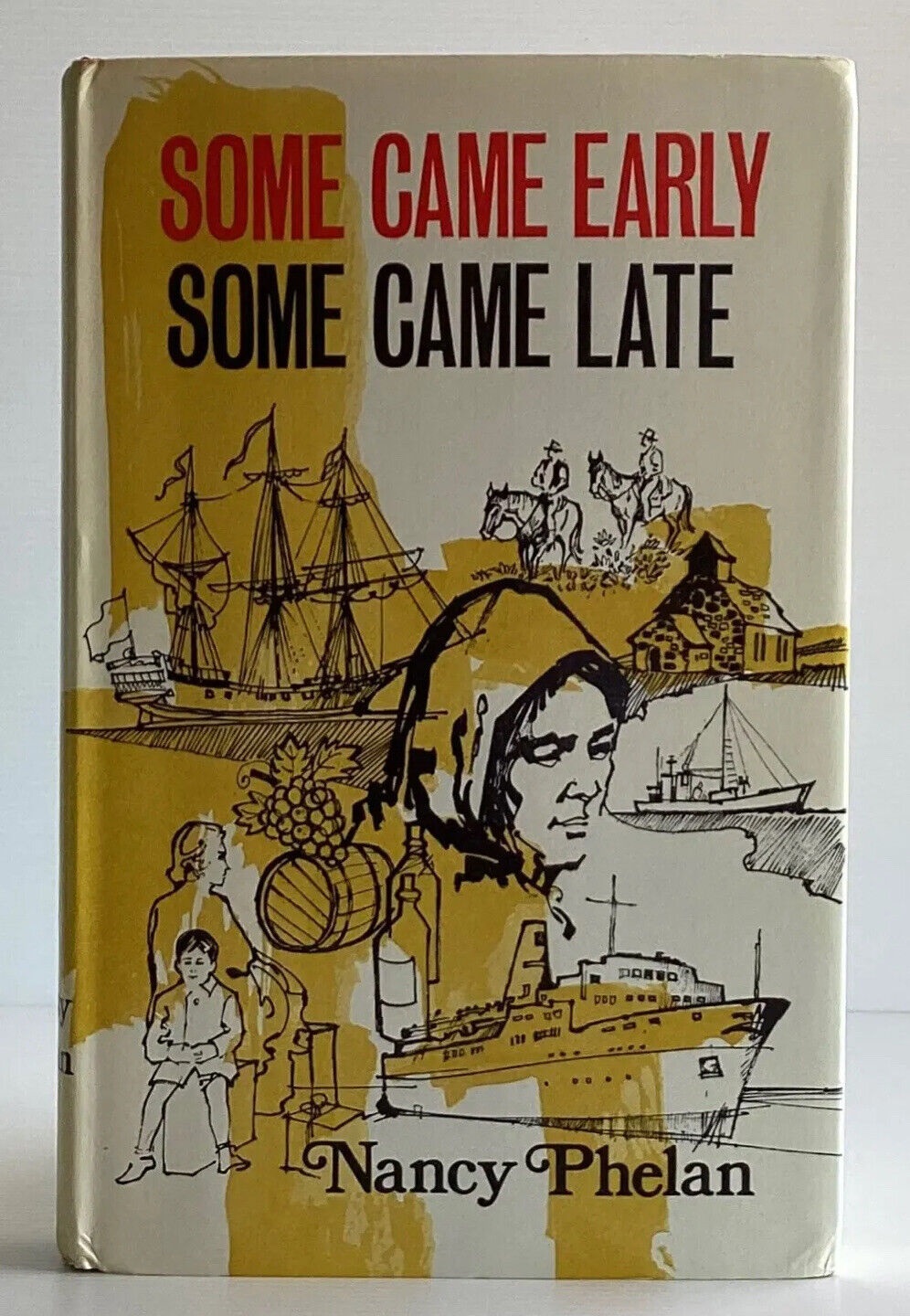
Best-selling Australian writer Nancy Phelan’s Some Came Early Some Came Late (1970) opens a chapter in her book titled ‘Never English Dust’ with an extract from a poem by American poet Stephen Vincent Benet. It read:
‘they planted England with a stubborn trust,
But the cleft was never English dust.’ (p.94)
These words are from Benet’s work, ‘Invocation’, in which he writes about transplanting an English landscape to the New England area of the United States.
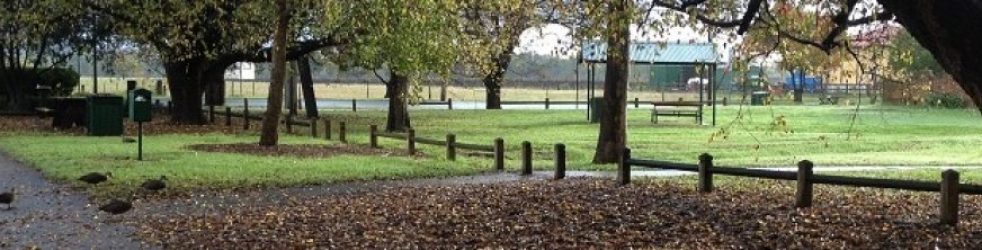
A re-created English-style landscape
Nancy Phelan’s unique application of Stephen Vincent Benet’s words to the Cobbitty region of NSW, suggesting that early colonial English immigrants to the Cowpastures endeavoured to recreate a ‘little England’, offers a fresh and intriguing view on the historical significance of this area. This distinct historical aspect, presented in a way that is sure to captivate history enthusiasts and cultural researchers, adds a new layer of understanding to the region’s history.
The chapter ‘Never English Dust’ opens with the words
The part of New South Wales around Cobbitty, not far from Thirlmere, is often described as ‘English’. (p. 94)
Phelan was not the first to make this observation. The first to note the Englishness of the Cowpastures, including Cobbitty, was Englishman John Hawdon. He wrote in 1828
This country has more the appearance of England than any foreign country. They are all English people, have English customs, and everything when I look around is almost the same as at home. (SMH, 2 November 1927)
The new settlers to colonial New South Wales, in their successful re-creation of a version of Home in the foreign Indigenous-managed landscape of the Cowpastures, demonstrated a profound and poignant longing for their English roots. This deep personal connection, underscoring the profound impact of the region’s history, is a testament to the emotional ties that history enthusiasts and individuals interested in the historical significance of regions can appreciate.
‘Just like Home’
In the early 20th century, the Duchess of York’s poignant remark on her arrival at Camden Park, ‘This is reminiscent of home, of England’, vividly reflects the emotional impact of the area’s resemblance to her homeland. Her 1927 visit with her husband, the Duke of York, was a serene weekend spent in a place that evoked cherished memories. They would later ascend to the throne as King George VI and Queen Elizabeth. The couple’s serene weekend at Menangle and Camden Park, a testament to the cultural and historical significance of the Cobbitty region, further validates its importance. (https://wordpress.com/post/camdenhistorynotes.com/777).
These observations continued, and in 1934, a feature travel writer for the Sydney Morning Herald noted the similarities between Cobbitty and England in an article about Denbigh. The journalist wrote that
We visited Cobbitty and found a country land which had all the reticent charm of an English country land, and visited an ideal home [at Denbigh]. (SMH, 27 September 1934)
In Some Came Early Some Came Late, Phelan continued in the same vein:
Among [Cobbitty’s] gentle hills are late Georgian country houses, grand and stately, with formal gardens and old trees. (p. 94)
The grandest of them all was the 1835 John Verge-designed Georgian Palladian mansion Camden Park House, which Phelan does not report on visiting.
Escaping Australia’s stifling provincialism
Nancy Phelan grew up in a slightly eccentric Sydney household, trained as a singer at the Conservatorium of Music, and attended the University of Sydney before absconding to Melbourne. (Guardian, 19 February 2008)
Phelan was part of the exodus of ex-pat Australians who fled Australia’s stifling provincialism for the cosmopolitan metropole of London in the interwar period. She financed her trip by writing a radio serial in Melbourne. (Guardian, 19 February 2008)
Like other members of the Australian elite, including Elizabeth Macarthur, daughter of James Macarthur of Camden Park, in 1867, Phelan found herself an English husband. Others followed, including Elizabeth’s niece, in the early 20th century.
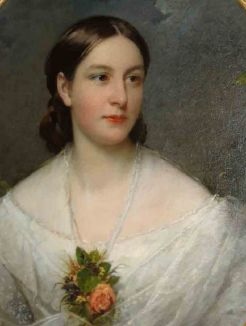
Following the war, Phelan returned to Australia on her brother’s death and mixed with the radicals of Sydney’s creative scene around Elizabeth Bay, Kings Cross, and Potts Point. This was the home turf of the Sydney Push, a left-wing libertarian group of intellectuals from the University of Sydney, Phelan’s 1920s alma mater.
As if through the eyes of a New Australian
In Some Came Early Some Came Late, Phelan explores what life was like in late 1960s Australia. She views Australia through the eyes of a new settler who escapes the deprivations of postwar Great Britain brought by the war’s havoc and destruction.
Phelan empathised with other New Australians, including the Estonians, who escaped the Russian invasion of Eastern Europe in 1944 and founded a poultry industry around Thirlmere. Similarly, she sympathised with the Germans in the Barossa Valley, the Cornish of the Yorke peninsula, and the Italians of the northern Queensland cane fields.
Some Came Early Some Came Late is full of nostalgia and romance. It recalls her childhood during the interwar period as if Australia had remained unchanged in the intervening period.
While Phelan’s work was published in 1970, she seems oblivious to the dramatic changes overtaking Australia in the 1960s. These forces included the country’s involvement in the Vietnam War, activism on university campuses, a resurgence of nationalism, Aboriginal land rights, and the dwindling influence of the White Australia policy.
Afternoon teas and sightseeing
Phelan writes whimsically about taking afternoon tea and sightseeing around the district. She was quite effusive about visiting Joan Downes of Brownlow Hill, Llewella Davies of Camden, and Clarice Faithful-Anderson of Camelot.
She enjoyed a pleasant afternoon tea and gem-scones at Camelot with a ‘tall, slender woman wearing an elegant black suit’ (p.102), her host, Miss Clarice Faithful-Anderson, and her friend Joan Downes of Brownlow-Hill. The scones ran ‘with butter and were piled on a silver muffin-dish’, and the women were surrounded by rooms with paintings, portraits, and pictures of dogs, horses, and carriages on ‘high walls’. (p.102)
Miss Faithful-Anderson told her guests from the ‘elegant sunroom’ that looked out onto ‘a sunken garden’ that they were looking at ‘magnificent black Queen Anne iron gates patterned with grape vines’. She found the iron garden gates ‘in England’ and had ‘no trouble’ having them sent out to Camelot. (p.103)
Phelan was largely silent on Macarthur’s dominance of the Camden district and did not take afternoon tea with them.

Phelan finishes her chapter ‘Never English Dust’ with childhood memories of visiting Cobbitty’s St Paul’s Rectory and its ‘Gothick darkness’. As an adult, she was pleased to write that the Rectory was a ‘cheerful’ and ‘pleasant’ place. (p.105)
‘Not quite like Home’
Nancy Phelan observes that those at Cobbitty, like those in Massachusetts in the United States, tried to make the new landscape like Home. Cobbitty locals could not ‘reproduce the tangibles—the soft, the muted, pensive, tender [English] light’ (p.106) that Phelan pined for on her return to Australia.
For Phelan, ‘[Australia was] a different country, a wider, harder land.’(p. 106)
Discover more from Camden History Notes
Subscribe to get the latest posts sent to your email.

