1920s · 1930s · 20th century · Advertising · Aesthetics · Agricultural heritage · Agricultural modernism · Agriculture · Agriculture history · Architectural History · Architecture · Business History · Cafes · Camden Built Heritage · Camden Interwar · Camden Modernism · Camden Park Estate · Camden Red Cross · Camden Vale · Camden Vale Inn · Camden Vale Special Milk · Community identity · Country Charm · Country town idyll · Cultural Heritage · Cultural memory · Dairy Farmers Cooperative · Dairying · England · English style aesthetics · Englishness · Interwar · Macarthur family · Medical history · Medical Humanities · Milk · Milk-borne disease · Place · Place making · Placemaking · Red Cross · Retail history · Retailing · Shopping · Stories · Storytelling · Tourism · Tuberculosis

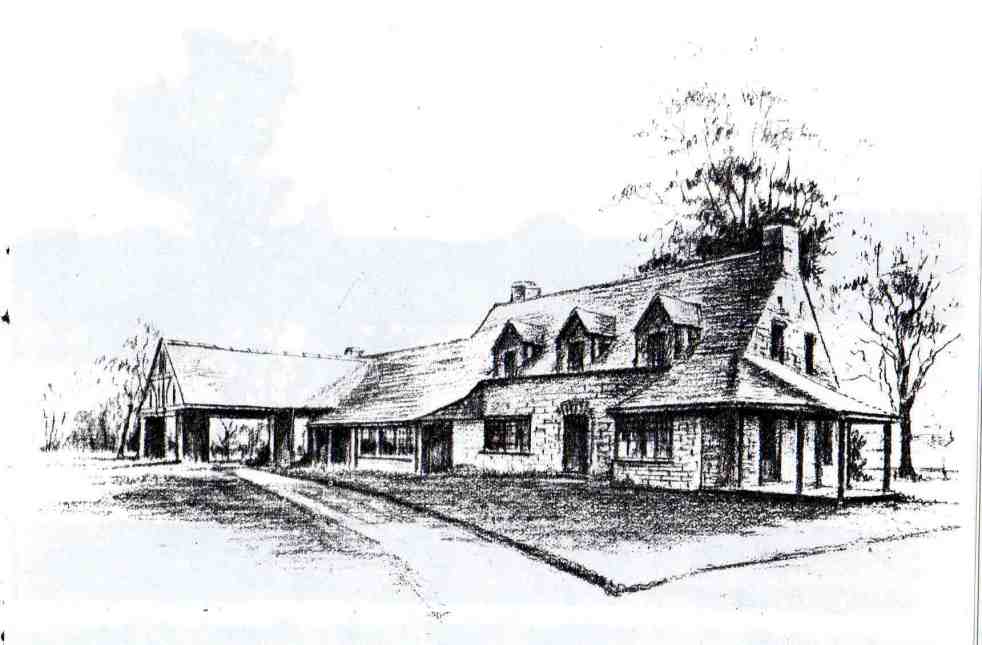
Camden’s Unique Interwar Tudor Revival Milk Bar

The Camden Vale Inn Milk Bar, opened in 1939, was created to promote disease-free milk from Camden Park Estate during a period of health awareness. Designed in an 'Old English' style by architect Cyril Ruwald, it featured drive-through service and supported the Red Cross during WWII. It later evolved into a restaurant and hotel.

19th Century · 20th century · Adaptive Re-use · Adaptive Reuse · Agricultural heritage · Agricultural modernism · Agriculture · Agriculture history · Belgenny Farm · Built Heritage · Camden Park Estate · Camden Story · Colonial Architecture · Colonial Australia · Colonial Camden · Colonial frontier · Colonial garden · Colonial NSW · Colonial Settler Community · Colonialism · Commemoration · Convicts · Cowpastures · Cowpastures district · Cowpastures Estates · Heritage · History · History of a building · History of Camden · Macarthur · Macarthur family · Memorial · Memorialisation · Memory · Museums · Nostalgia · Place · Place making · Placemaking · Social History · Stories · Storytelling · Technology · Traditional Trades · Transport · transport history

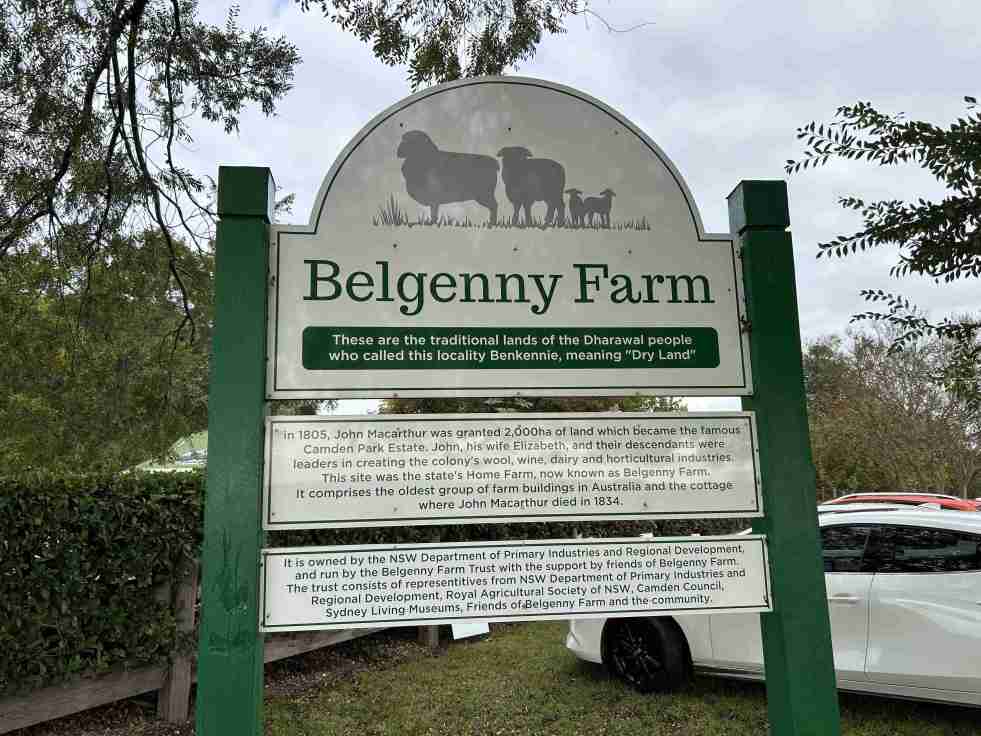
Cultural Tourism Success at Belgenny Farm

The Belgenny Farm Pioneer Farm Day successfully engaged visitors with Australiaโ€™s oldest farming complex, showcasing historical trades, games, and tours despite overcast weather. Families enjoyed activities like croquet and scavenger hunts, emphasizing the site's rich agricultural history and cultural significance. The event highlighted community involvement and fostered appreciation for heritage.

19th Century · British colonialism · Camden Story · Colonial Australia · Colonial Camden · Colonial Settler Community · Colonialism · Community History · Cowpastures · Cowpastures district · Cowpastures Region · Cultural Heritage · Cultural Landscape · Cultural memory · culture · England · George Caley · Historical consciousness · Historical Research · History · Local History · Local Studies · Nepean River · Pioneers · Place · Place making · Placemaking · Settler colonialism · Settler Society · Stories · Storytelling · Uncategorized · Vaccary Forest · Wayfinding

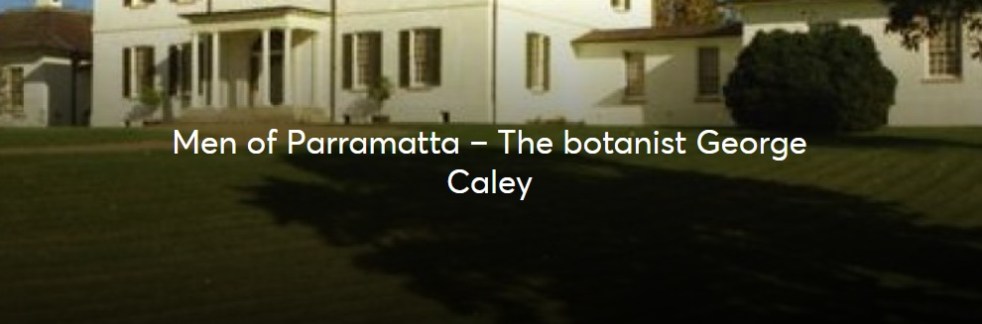
George Caley’s 1804 Report on the Vaccary Forest

George Caley (1770โ€“1829) explored the Cowpastures in New South Wales and reported in 1804 on the thriving wild cattle there, suggesting the name "Vaccary Forest." Caley's knowledge of "vaccaries," common in medieval England, influenced his preference for this term over the existing one. He extensively documented his findings during his decade-long exploration in Australia.

Agricultural heritage · Agriculture history · Camden Park Agricultural Research Station · Camden Park Estate · Camden Story · Cultural Landscape · Elizabeth Macarthur Agricultural Institute · Farming · Farming history · Landscape · Landscape aesthetics · NSW Government · Urban growth · Urban Planning

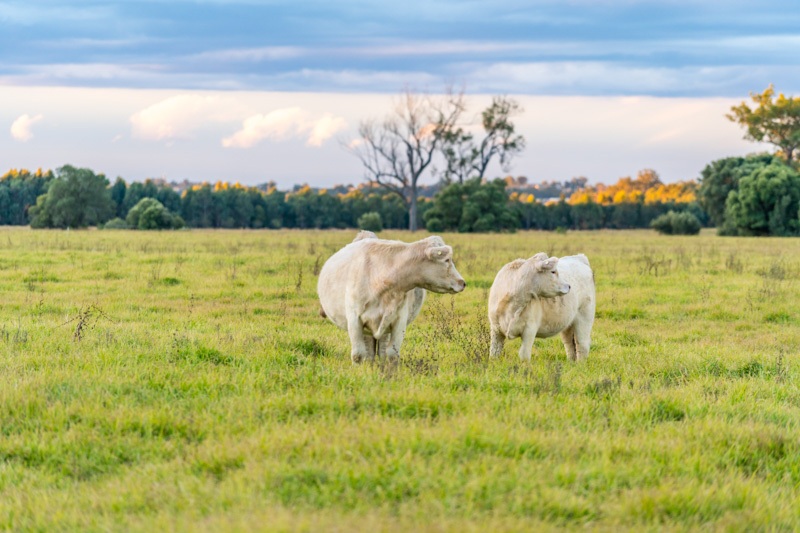
Camden Park Agricultural Research Station: A 1985 Landscape Report Overview

In 1985, the NSW Government released a landscape report on Camden Park Agricultural Research Station, highlighting its cultural significance amid urban encroachment. It described a complex cultural landscape, emphasising conservation needs. The site, now the Elizabeth Macarthur Agricultural Institute, is vital to agriculture and biosecurity, preserving the region's historical and cultural integrity.

1920s · 19th Century · 20th century · Aesthetics · Architecture · Built Heritage · Camden Heritage Conservation Area · Camden Material and Colour Guide · Camden Story · Camden Town Centre · Camden Village · Community identity · Country town · Cultural and Heritage Tourism · Cultural Heritage · Heritage · Heritage Walking Tours · Historical consciousness · History · Living History · Local History · Place · Place making · Placemaking · Social History · Stories · Storytelling · Women's history · Women's stories

Balancing Heritage and Development in Australia

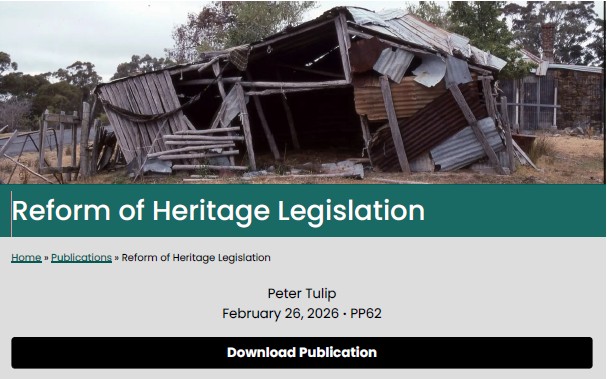
The Centre for Independent Studies argues that NSW heritage laws exacerbate the housing affordability crisis by preserving unremarkable buildings, thus restricting development. It critiques a narrow economic view of heritage that neglects community values, highlighting that a broader understanding of heritage's social and economic benefits is essential for sustainable urban planning.

20th century · Camden · Camden Story · Community · Community identity · Cultural Heritage · Engineering Heritage · Engineering History · Floods · Infrastructure · Little Sandy Footbridge · Living History · Local History · Memory · Military history · Nepean River · Nostalgia · Placemaking · Recreation · Sense of place · Stories · Storytelling · swimming · Uncategorized · World War Two

Little Sandy Footbridge Reopens: A Community Treasure

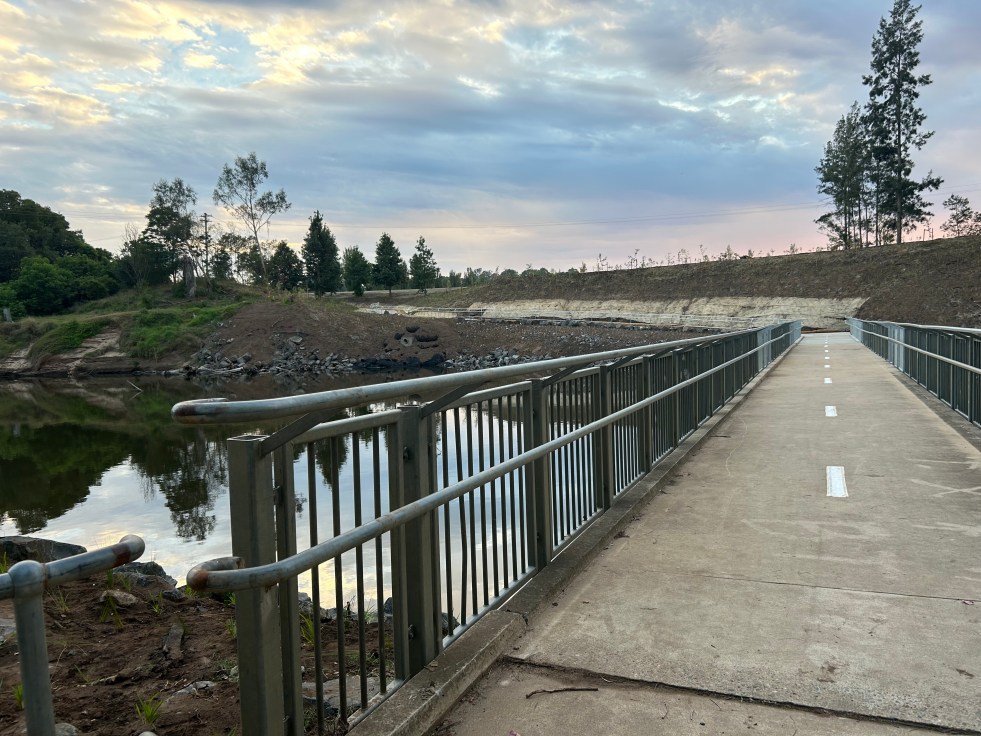
The Little Sandy Footbridge in Camden has reopened, restoring an essential link in the Nepean River Trail after extensive flood-related repairs. Originally constructed during WWII, the bridge has been a beloved community feature, supporting recreational activities for over a century. The project was funded by government sources, totaling $3.7 million.

1920s · 19th Century · Adaptive Re-use · Aesthetics · Agency · Balls · Camden · Camden Story · Camelot · Cultural Heritage · Cultural icon · CWA · Design · Dress history · Emotion · Entertainment · Fashion · Fashion History · Heritage · Lifestyle · Local History · Local Studies · Macarthur family · Place making · Placemaking · Re-enactments · Sense of place · Stories · Storytelling · Women's agency · Women's history · Women's stories

Clarice Faithfull Anderson’s Historic Ball Gown

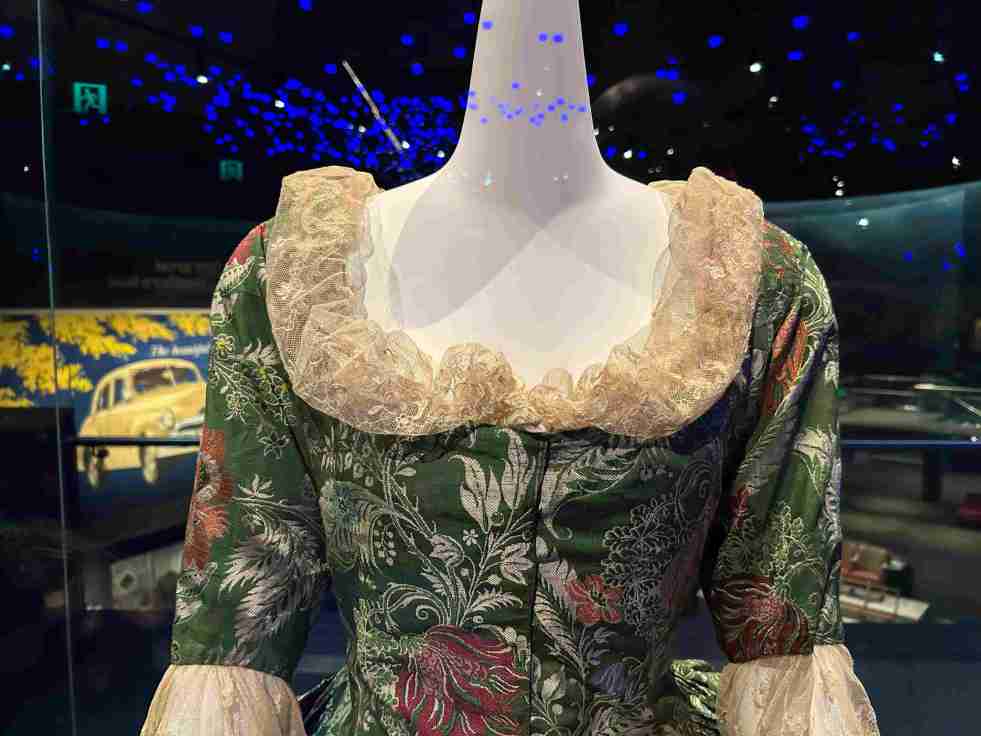
The 1929 CWA Blue & Gold Ball at Sydney's Ambassador Cabaret was a prestigious fundraising event attended by significant dignitaries, including the Governor General. The ball featured "living pictures" and showcased elaborate gowns, including Clarice Faithfull Anderson's historic dress from the 18th century, which later became a treasured family heirloom and is now part of the textile collection of the National Museum of Australia.

Colonial Australia · Colonial frontier · Colonial NSW · Cowpastures · Cowpastures district · Cowpastures Gentry · Cowpastures Region · Elderslie · John Hawdon · Letters · The Cowpastures

Insights from the Hawdon Letters: Colonial Life in NSW, Part 1, 1828-1830

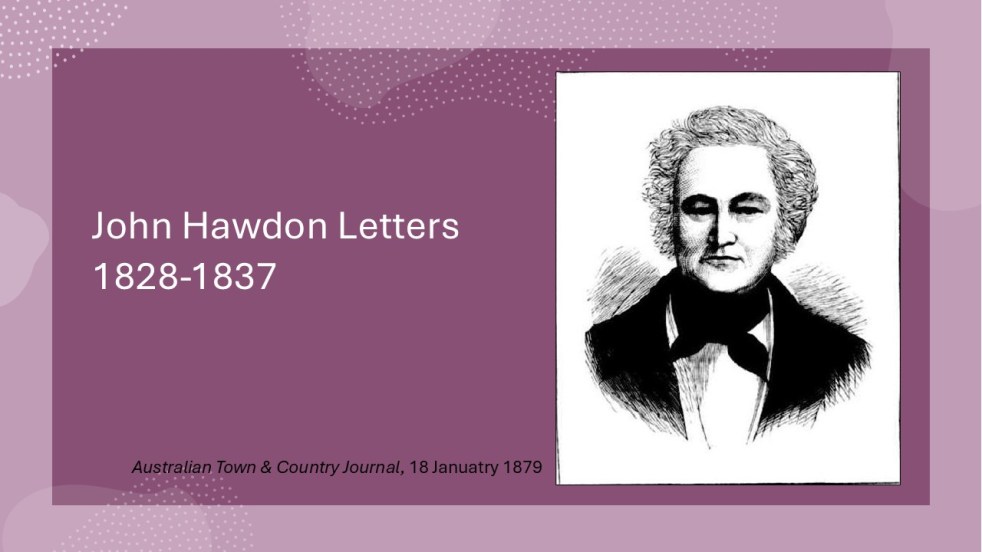
John Hawdon's letters (1828-1830) provide an intimate view of colonial life in New South Wales. Addressed to family in England, they detail challenges of farming, personal hardships, and isolation. The cross-written letters, located at the State Library of NSW, are difficult to decipher but are significant historical records of early colonial settlement in the Cowpastures.

Advertising · Agricultural heritage · Agriculture · Agriculture history · Artists · Artworks · Brands · Business · Business History · Cafes · Camden Story · Community identity · Cultural Heritage · Cultural icon · culture · Industrial Heritage · Local History · Local Studies · Lost Sydney · Marketing · Place making · Placemaking · Public art · Restaurant · Retail history · Retailing · Sense of place · Stories · Storytelling · Symbolism · Travellers · Uncategorized

Discover the Golden Fleece Globe Light at Camden Museum

The Camden Museum showcases the Golden Fleece Globe Light, a plastic ram, symbolizing Australia's wool industry and its historical significance. Donated by Milton Ray in 2002, it highlights the Golden Fleece brand's marketing legacy. The ram, based on a prized merino, represents both local history and broader national heritage.

19th Century · Aesthetics · Art · Artists · Artworks · Camden Story · Community Health · Disease · Health and Medical History · Health History · History · Hope and loss · Medical history · Medical Humanities · Paintings · Public art · Scarlet fever · Sense of place · Social History · Storytelling · The Arts · Trauma

The Role of Scarlet Fever in Literature and Film

Scarlet fever, the disease, historically depicted in literature and film, caused widespread fear and hardship, significantly impacting dairy farming communities. Numerous works illustrate its societal ramifications and personal tragedies. Notable figures who contracted scarlet fever included Thomas Edison and members of the Darwin family. Scarlet fever emerged in Camden in the late 1890s, prompting the establishment of a cottage hospital due to its severe impact on dairy farmers.