Inauguration of the Macarthur History Collective
Local not-for-profit history organisations have put their heads together in the name of collaboration and cooperation, setting up a loose informal networking group called the Macarthur History Collective.
Taking inspiration from the recent Macarthur Together Tourism Forum at the Australian Botanic Gardens Mount Annan, held on Thursday, 21 May 2026 (Willis 2026), those at the Picton and District Historical & Family History Society and The Oaks Historical Society decided to act.
The two societies held a successful informal session on Tuesday, 12 May 2026. Following this, they were inspired to propose a Macarthur-wide meeting. The leadership of the two organisations felt that these sessions would strengthen relationships, support shared learning and create opportunities to explore practical solutions to common challenges—especially in the digital space.
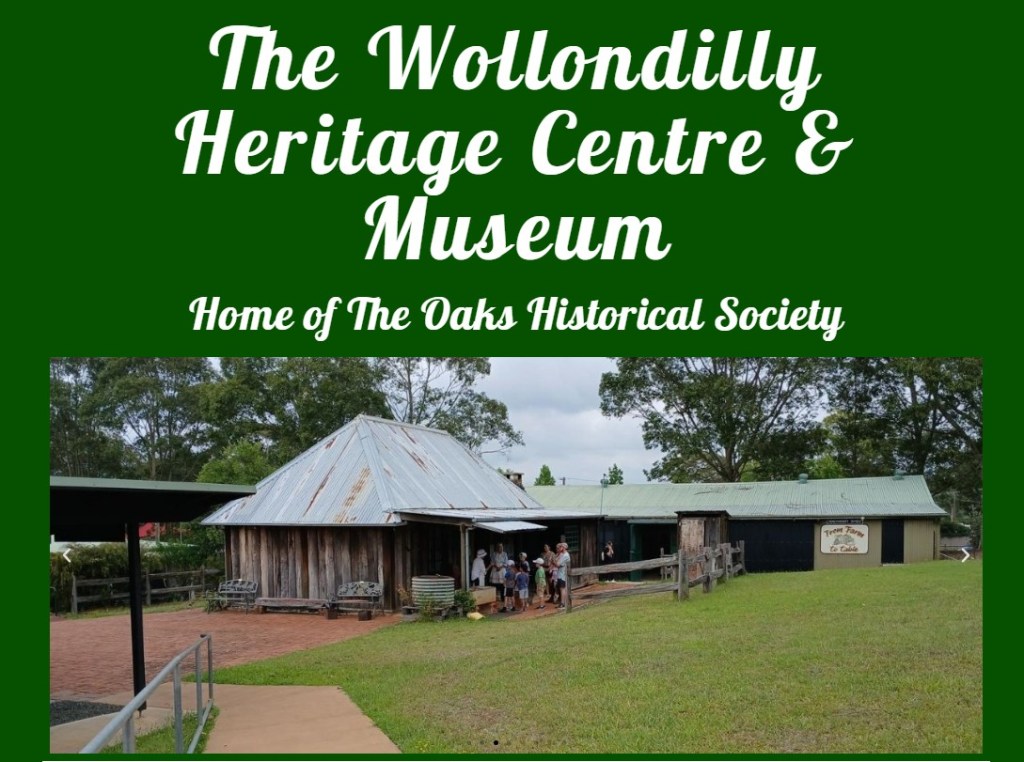
An email was circulated by Bob Carter of the Picton society, and a successful meeting was held at the Wollondilly Heritage Centre and Museum on Sunday, 19 July, and a wonderful afternoon tea was provided by the centre volunteers. Those who attended the foundation meeting were enthusiastic about the potential benefits that could be derived from collaboration and cooperation between all the interested organisations.
Bob Carter acted as facilitator and gave the opening address with the theme of ‘working together’ at the inaugural meeting of the collective. The meeting was attended by representatives from:
The Oaks Historical Society
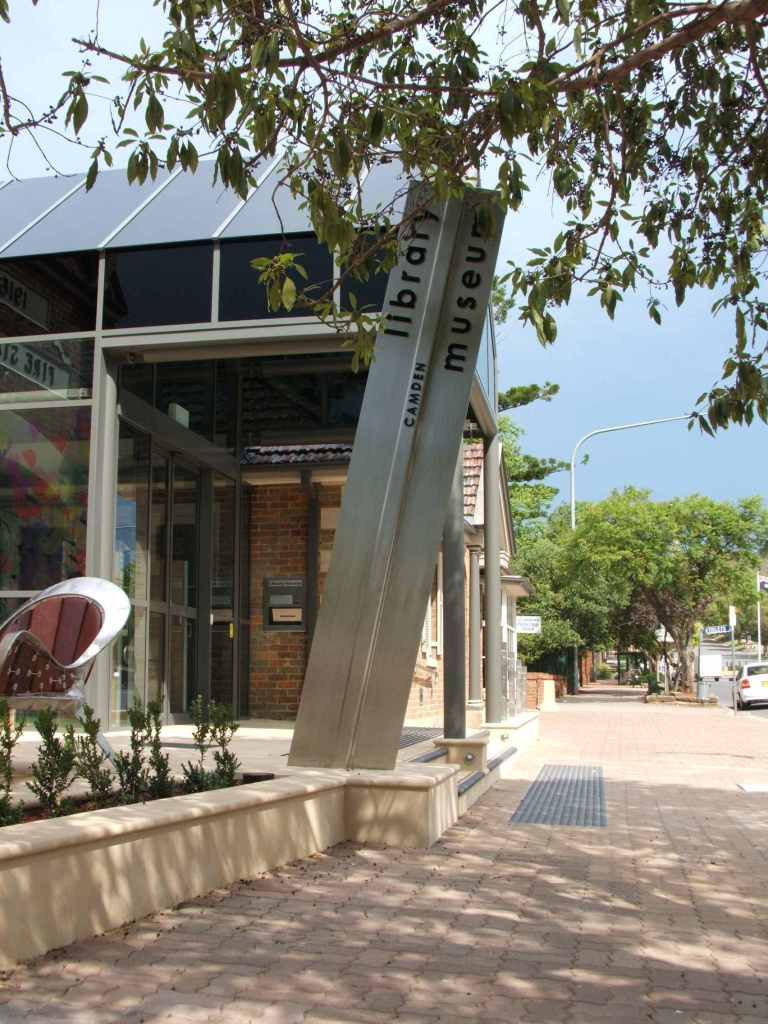
Camden Historical Society
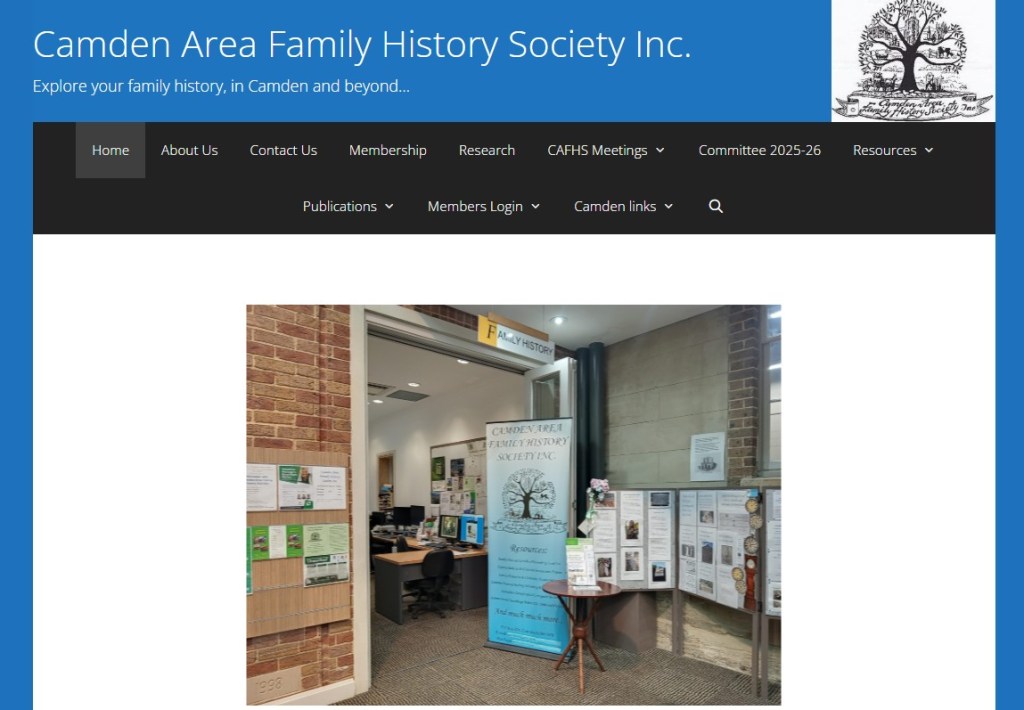
Camden Family History Society
Appin Historical Society
Campbelltown and Airds Historical Society
Campbelltown District Family History Society
Picton and District Historical & Family History Society
It is hoped that other Macarthur organisations with an interest in community history might join the collective in the future.
Introductory Address by Bob Carter
Wollondilly Heritage Centre and Museum
19 July 2026
The idea of working together has probably come up many times over the years in your group, in one form or another.
We’ve all heard comments like:
• “We should be working more closely with other societies.”
• “It would be interesting to see how another group approaches this.”
• “Wouldn’t it be great if we all used similar methods and processes?”
These conversations aren’t new. They surface regularly and are usually met with enthusiasm and agreement. We’ve all been willing to talk about the benefits of collaboration; now we’ve decided it’s time to back those words with action.
When we look at the information presented on each Society’s website as to what they are offering and what they see their purpose as, two shared aims stand out clearly: preserving our history and promoting it to the wider community. By aligning ourselves with the momentum created by Macarthur Together, we have a valuable opportunity to strengthen the visibility of Macarthur’s heritage and support a shared vision for the region.
When AI was asked to create a mission statement from all of the Society’s information, the result came back as
To bring together local history and heritage groups to share ideas, support one another, and celebrate and preserve the stories of our communities. Uniting communities through history.
Our presence here today shows that we all recognise the value of teamwork and the benefits of working collaboratively. Together, we can strengthen our impact and support one another in achieving these shared goals. There are no right or wrong answers—only open minds and respected opinions and ideas. As we collaborate, we also need to respect intellectual property by giving credit whenever we use another group’s or individual’s material.
Each society works under different circumstances, with different resources and challenges. That means some ideas will be more relevant to certain societies than others. The hope is that, by sharing what works, each group can find something that can be adapted and applied for their situation.
So, what practical steps can we take to turn these ideas into action?
Some thoughts and ideas, which by no means is seen as complete nor is it meant to be in any way prescriptive.
When history groups work together…
1.Share anecdotes, case studies and lived experience
We have the opportunity to draw on the rich knowledge, lived experience and practical wisdom that already exists across the region. Each organisation brings its own stories, challenges and successes, and these can become very effective learning tools when shared.
• Through regular gatherings, groups can share anecdotes about what has worked well (and what hasn’t), whether that’s a clever cataloguing shortcut, a digitisation breakthrough, or a creative way of engaging the local community. These real-world stories often spark ideas that formal training never quite captures.
• In addition, groups can present case studies from their own projects — for example, how they managed a large donation of photographs, developed a small exhibition on a tight budget, or navigated the complexities of preserving digital files. These case studies help others see what is possible with limited resources and provide practical models that can be adapted to different contexts.
• Most importantly, members can share their lived experience: the day-to-day realities of running a volunteer organisation, the lessons learned over years of trial and error, and the deep local knowledge that only comes from long involvement in community history.
2.Demonstrate methods for recording, cataloguing and preserving resources
We have the chance to demonstrate and share the practical methods we use every day to record, catalogue and preserve our collections. Each organisation has developed its own approaches — sometimes simple, sometimes inventive — and these become valuable learning opportunities when shown to others.
Groups can walk one another through:
• how they record new items as they enter the collection
• the cataloguing systems or software they rely on
• the way they label, store and track objects, photographs or documents
• their preferred methods for digitising and preserving fragile materials
Seeing these processes in action helps other groups compare techniques, adopt useful practices and avoid common pitfalls. It also highlights the diversity of tools and workflows across the region, showing that there is no single “right way” — only methods that work well for different contexts.
3.Discuss the unique challenges of heritage work in a rapidly changing digital environment
We have a valuable opportunity to discuss the unique challenges of heritage work in an increasingly digital world. Many organisations are facing similar pressures — from keeping up with new technologies to managing ageing systems, limited budgets and varying levels of digital confidence among volunteers.
By sharing our experiences, groups can talk openly about issues such as:
• choosing and maintaining cataloguing software
• digitising fragile or oversized materials
• storing and backing up large digital collections
• navigating cloud services, file formats and metadata standards
• managing privacy, copyright and permissions in online environments
• adapting to changing expectations from researchers and the public
These conversations help groups understand that they are not alone in these challenges. They also create a space to compare approaches, troubleshoot common problems and learn from one another’s successes and set-backs.
4.Explore tools, techniques and approaches that can be adapted across different collections
We gain the chance to explore a wide range of tools, techniques and approaches that each organisation has developed through experience. Every group works with different types of collections, volunteer skill levels and local priorities, so the methods they use often vary — yet many of these approaches can be adapted and applied across the region.
By sharing their practices, groups can compare:
• tools they use for cataloguing (from simple spreadsheets to specialised software)
• techniques for digitising photographs, documents and objects
• approaches to storing, labelling and organising physical collections
• low-cost or creative solutions for preserving fragile materials
• workflows for managing digital files, backups and metadata
Seeing how other organisations tackle similar tasks helps groups identify methods that might suit their own collections, even if their resources differ. It also highlights practical, achievable strategies that can be scaled up or down depending on the size of the organisation.
5.Identify opportunities for joint projects, shared problem-solving and cross-promotion
We create valuable opportunities to identify joint projects, tackle shared challenges and promote one another’s work in ways that no single organisation could achieve alone. Collaboration allows groups to pool their strengths, share resources and amplify their impact across the region.
• Working collectively makes it easier to spot joint project opportunities — whether that’s a shared digitisation effort, a regional exhibition, a coordinated oral history program or a combined training initiative. These projects not only reduce duplication but also help smaller groups participate in activities that might otherwise be out of reach.
• Collaboration also opens the door to shared problem-solving. Many groups face similar issues: limited volunteer time, ageing collections, digital uncertainty, storage constraints or the challenge of engaging new audiences. By discussing these openly, groups can compare approaches, troubleshoot together and develop practical solutions that benefit everyone.
• Finally, working together strengthens cross-promotion. Groups can highlight each other’s events, exhibitions and achievements through newsletters, social media, websites and local networks. This increases visibility for the entire heritage sector and helps the public see the region’s history as a connected story rather than isolated pockets of activity.
6.Foster and encourage more participation from a younger audience in our activities
We are far better placed to attract and engage younger audiences than when we operate in isolation. Each organisation has its own strengths — whether that’s digital skills, school connections, youth programs or creative outreach ideas — and sharing these approaches helps everyone build more effective ways of involving young people.
By collaborating, groups can explore:
• how to make heritage activities more hands-on and interactive
• ways to use digital tools, social media and storytelling platforms that appeal to younger generations
• opportunities to partner with schools, youth groups and local libraries
• strategies for designing events that feel welcoming, relevant and fun
• methods for involving young volunteers in digitisation, research or exhibition projects
Working together also helps groups understand the barriers young people face — time pressures, unfamiliarity with local history, or the perception that heritage organisations are “for older people”. Through shared discussion and experimentation, groups can develop approaches that break down these barriers and create meaningful entry points for younger participants.
Most importantly, collaboration allows groups to present a united, region-wide invitation to young people: a message that their voices, skills and curiosity are valued. This collective effort not only strengthens individual organisations but also helps ensure the long-term sustainability and vibrancy of the region’s heritage network.
Bob Carter is the Digital Collections Coordinator of the Picton and District Historical & Family History Society
Disclaimer: Generative AI was used in the creation of this address
Reflection
The theme of collaboration and cooperation has been embodied in the founding of the Macarthur History Collective. Those represented at the foundation meeting felt that the collective has great potential to assist the growth of community history in the Macarthur region.
It is hoped that other Macarthur organisations with an interest in community history might join the collective in the future. If you are interested in this project, do not hesitate to contact one of the organisations listed earlier in this post.
References
Willis, Ian 2026. Exploring Opportunities for Macarthur’s Visitor Economy. Camden History Notes, 22 May. Online at https://camdenhistorynotes.com/2026/05/22/exploring-opportunities-for-macarthurs-visitor-economy/ Accessed 20/7/26
Discover more from Camden History Notes
Subscribe to get the latest posts sent to your email.

