Art · Artists · Artworks · Attachment to place · Camden Story · Camden Walking Trails · Community · Community building · Community Health · Community identity · Community work · Cowpasture walking trails · Cultural Heritage · Cultural Landscape · Cultural memory · Cultural Symbols · Grief · Grief and trauma · Health and Medical History · Health History · History of Emotion · Hope and loss · Landscape · Landscape aesthetics · Lifestyle · Medical Humanities · Memory · Place making · Placemaking · Public art · Sculpture · Sense of place · Stories · Storytelling · The Arts · Trauma · Travel · Travellers · Wind Phone

Whispering in the Wind: A Unique and Contemplative Art Installation in Camden

A new art installation, "Whispering in the Wind," has been unveiled along the Nepean River Trail in Camden, NSW. Created by artist Quinton Laws using recycled materials, the wind phone provides a space for reflection and connection for those grieving. Inspired by global installations, it encourages open expression of emotions.

1920s · 1930s · 20th century · Advertising · Aesthetics · Agricultural heritage · Agricultural modernism · Agriculture · Agriculture history · Architectural History · Architecture · Business History · Cafes · Camden Built Heritage · Camden Interwar · Camden Modernism · Camden Park Estate · Camden Red Cross · Camden Vale · Camden Vale Inn · Camden Vale Special Milk · Community identity · Country Charm · Country town idyll · Cultural Heritage · Cultural memory · Dairy Farmers Cooperative · Dairying · England · English style aesthetics · Englishness · Interwar · Macarthur family · Medical history · Medical Humanities · Milk · Milk-borne disease · Place · Place making · Placemaking · Red Cross · Retail history · Retailing · Shopping · Stories · Storytelling · Tourism · Tuberculosis

Camden’s Unique Interwar Tudor Revival Milk Bar

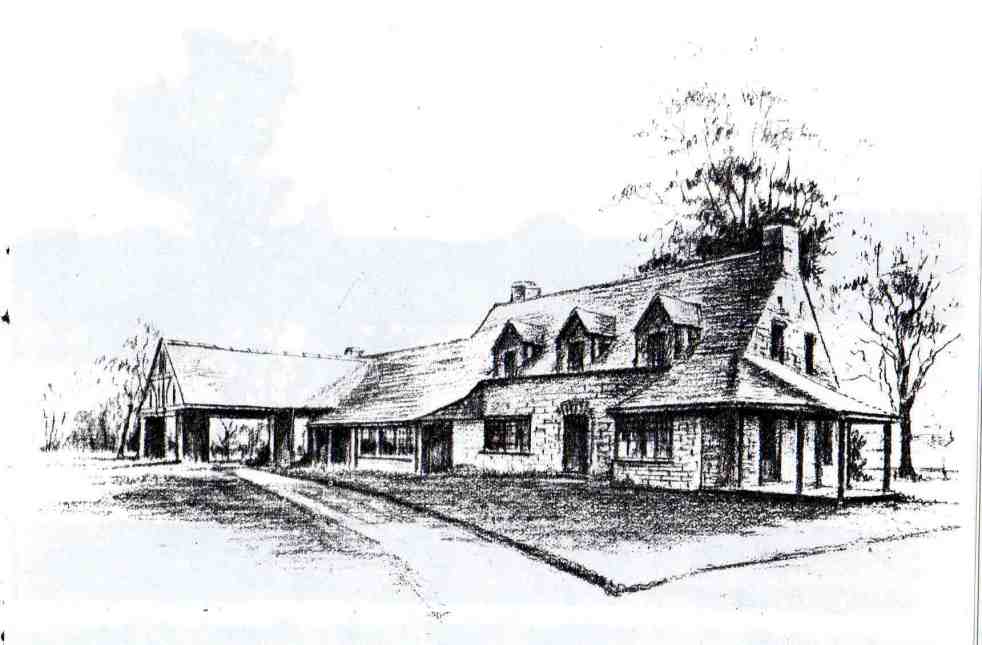
The Camden Vale Inn Milk Bar, opened in 1939, was created to promote disease-free milk from Camden Park Estate during a period of health awareness. Designed in an 'Old English' style by architect Cyril Ruwald, it featured drive-through service and supported the Red Cross during WWII. It later evolved into a restaurant and hotel.

1920s · 1930s · 20th century · Advertising · Agricultural heritage · Agricultural modernism · Agriculture · Agriculture history · Australian History · Belgenny Farm · Business · Business History · Camden Park Estate · Camden Story · Camden Vale · Camden Vale Inn · Camden Vale Special Milk · Collective Memory · Cowpastures · Cultural Landscape · Dairy Farmers Cooperative · Dairying · Disease · Farming · Farming history · Landscape · Landscape aesthetics · Local History · Local Studies · Milk · Pathogens · Place making · Placemaking · Poster · Sense of place · Stories · Storytelling · Tuberculosis

The History of Camden Vale Milk: A 20th Century Legacy

The Camden Museum features a poster detailing the significance of the Camden Vale special milk brand, which emerged from advancements in dairy farming in the area. Established in 1920, the brand was known for high-quality milk, emphasizing health benefits and innovative delivery methods, significantly impacting local agriculture and public health history.

19th Century · 20th century · Adaptive Re-use · Adaptive Reuse · Agricultural heritage · Agricultural modernism · Agriculture · Agriculture history · Belgenny Farm · Built Heritage · Camden Park Estate · Camden Story · Colonial Architecture · Colonial Australia · Colonial Camden · Colonial frontier · Colonial garden · Colonial NSW · Colonial Settler Community · Colonialism · Commemoration · Convicts · Cowpastures · Cowpastures district · Cowpastures Estates · Heritage · History · History of a building · History of Camden · Macarthur · Macarthur family · Memorial · Memorialisation · Memory · Museums · Nostalgia · Place · Place making · Placemaking · Social History · Stories · Storytelling · Technology · Traditional Trades · Transport · transport history

Cultural Tourism Success at Belgenny Farm

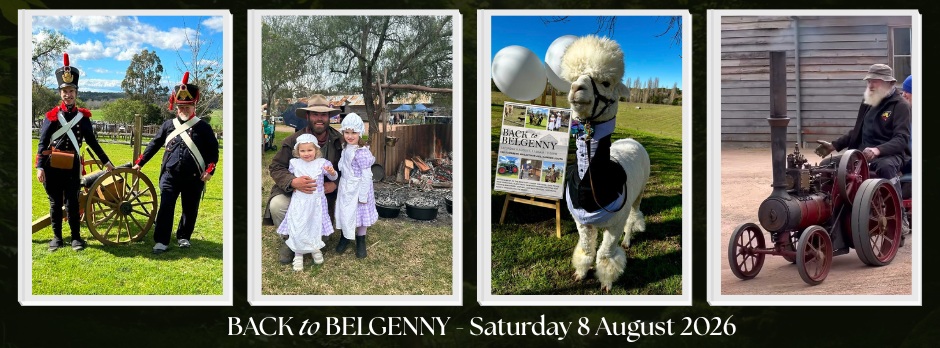
The Belgenny Farm Pioneer Farm Day successfully engaged visitors with Australia’s oldest farming complex, showcasing historical trades, games, and tours despite overcast weather. Families enjoyed activities like croquet and scavenger hunts, emphasizing the site's rich agricultural history and cultural significance. The event highlighted community involvement and fostered appreciation for heritage.

Attachment to place · Camden Story · Campbelltown Story · Community · Community building · Community identity · Cultural and Heritage Tourism · Cultural Heritage · Economy · Herbarium of NSW ABG · Historical thinking · History · Job creation · Marketing · Not-for-profit · Picton · Picton story · Place · Place making · Placemaking · Sense of place · Stories · Storytelling · Tourism · Travel · Uncategorized

Exploring Opportunities for Macarthur’s Visitor Economy

The 'Macarthur Together' forum brought together tourism operators, businesses, and local government to collaborate on promoting the Macarthur region. Held at the Australian Botanic Garden Mount Annan, the event focused on enhancing visitor experiences through cooperation, showcasing local authenticity, and leveraging social media. The potential impact of Western Sydney International Airport on tourism was also discussed.

19th Century · British colonialism · Camden Story · Colonial Australia · Colonial Camden · Colonial Settler Community · Colonialism · Community History · Cowpastures · Cowpastures district · Cowpastures Region · Cultural Heritage · Cultural Landscape · Cultural memory · culture · England · George Caley · Historical consciousness · Historical Research · History · Local History · Local Studies · Nepean River · Pioneers · Place · Place making · Placemaking · Settler colonialism · Settler Society · Stories · Storytelling · Uncategorized · Vaccary Forest · Wayfinding

George Caley’s 1804 Report on the Vaccary Forest

George Caley (1770–1829) explored the Cowpastures in New South Wales and reported in 1804 on the thriving wild cattle there, suggesting the name "Vaccary Forest." Caley's knowledge of "vaccaries," common in medieval England, influenced his preference for this term over the existing one. He extensively documented his findings during his decade-long exploration in Australia.

Aesthetics · Anzac · Anzac Day · Australian History · Camden Story · Cenotpah · Community History · Community identity · Cultural Heritage · Cultural Landscape · Cultural memory · Cultural plantings · Cultural Symbols · culture · Emotion · History · Landscape · Macarthur Park · Memorial · Memorialisation · Memorials · Memory · Monuments · Place making · Placemaking · Sense of place · Social History · Stonemasonary · Stories · Storytelling · War · War at home · Wartime · World War One

Camden’s Anzac Precinct: A Historical Reflection

Camden’s World War One Anzac precinct, located in Macarthur Park, features a cenotaph, memorial gates, and war trophy guns that commemorate local soldiers' sacrifices. The memorials were completed in 1922 amid mixed community support. Over time, the precinct has become a sacred site, reflecting shifting attitudes toward remembrance and honouring the war dead.

Aboriginal · Art · Artists · Artworks · Attachment to place · Belonging · Camden Story · Community History · Community identity · Community organisations · Community work · Cultural Heritage · Cultural icon · Cultural memory · Cultural Symbols · culture · Dharawal · History · Indigenous · Little Sandy Footbridge · Living History · Local History · Local Studies · Memory · Mural artwork · Murals · Nepean River · Paintings · Pictures · Place · Place making · Placemaking · Public art · Stories · Storytelling

Exploring ‘By the River’: A Public Art Installation in Camden

Danielle Mate's art installation, "By the River," adorning the stairs between Chellaston Reserve and Little Sandy footbridge, features a platypus motif that reflects local Indigenous heritage. Commissioned by Camden Council and developed with community input, it enhances the area while celebrating its rich cultural history and ecology.

Art · Artworks · Attachment to place · Australian Army · Australian History · Camden · Camden Story · Collective Memory · Community identity · Cowpastures · Cultural Heritage · Cultural Landscape · Cultural memory · Cultural Symbols · culture · Ecology · Heritage · History · History of Emotion · Landscape · Landscape aesthetics · Little Sandy Footbridge · Living History · Local History · Local Studies · Memorial · Memory · Murals · Myths · Nepean River · Nostalgia · Place making · Placemaking · Public art · Social History · Stereotypes · Stories · Storytelling · Symbolism · Urban history

Exploring Little Sandy: Camden’s Hidden Gem

Little Sandy, a cherished location on the Nepean River in Camden, is celebrated for its rich community history and the memories it holds for locals. Enhanced by the Camden Weir, it features a modern footbridge and Aboriginal-inspired artwork, symbolizing its cultural significance as a site of gatherings, swimming, and personal milestones.

Active citizenship · Artists · Camden Civic Centre · Camden Council · Camden Council Multicultural Reference Group · Camden Festivals · Camden Story · Community celebrations · Cultural Heritage · Cultural Symbols · culture · Dance · Entertainment · Heritage · Living History · Local History · Music · Music history · Place · Place making · Placemaking · Sense of place · Stories · Storytelling

Celebrating Diversity at Camden’s Cultural Concert and Dinner

On March 27, 2026, Camden Civic Centre hosted a Cultural Concert and Dinner, attracting over 200 attendees. The event, part of Multicultural March, showcased diverse performances, promoting inclusion and belonging within the community. Mayor Theresa Fedeli celebrated Camden’s cultural richness, emphasizing the importance of unity and connection among different backgrounds.