19th Century · 20th century · Agricultural heritage · Agriculture · Agriculture history · Attachment to place · Australian History · Belonging · British colonialism · British Heritage · Camden District · Camden Park Estate · Camden Park House and Garden · Camden Story · Colonial Australia · Colonial frontier · Colonial NSW · Colonial Settler Community · Colonialism · Convicts · Cowpastures · Cowpastures district · Cowpastures Region · Cultural Heritage · Cultural Landscape · Cultural memory · Cultural Symbols · culture · Elizabeth Macarthur · England · English style aesthetics · Englishness · Family history · Farming · Farming history · Heritage · Johm Macarthur · Landscape · Landscape aesthetics · Local History · Macarthur family · Pioneers · Place making · Placemaking · Sense of place · Settler colonialism · Settler Society · Social History · Stories · Storytelling · The Cowpastures

Camden’s Herberts Hill: Views, History, Culture and Walk

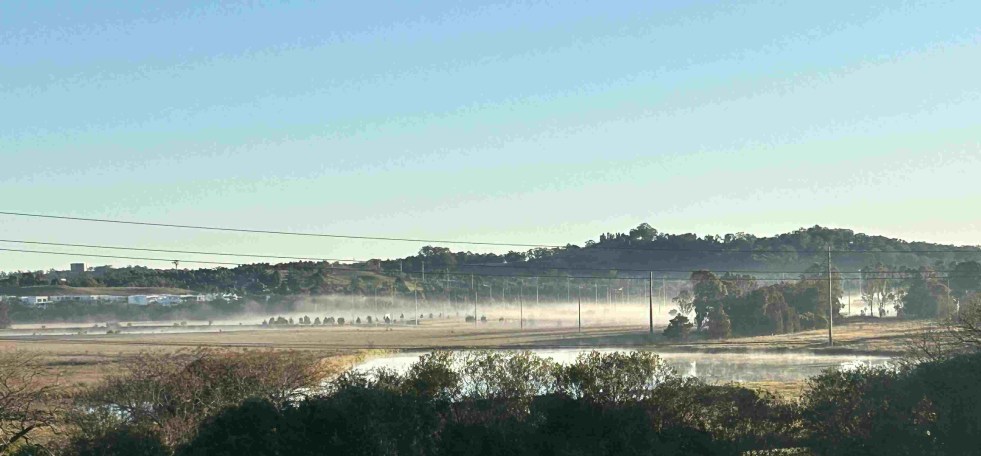
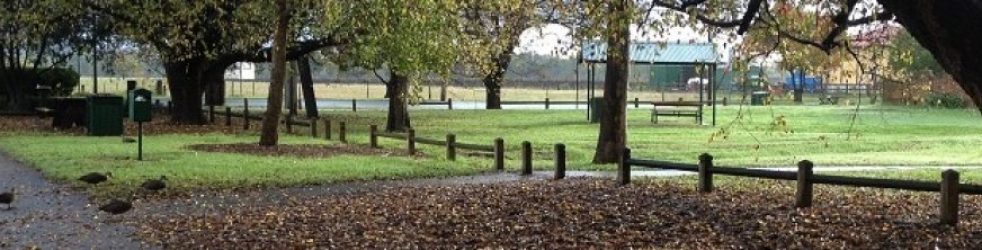
Herberts Hill, also known as Rheinbergers Hill, offers scenic pathways for walkers and joggers, revealing stunning views over the Nepean River floodplain. Historically significant, the site is linked to early English settlers, particularly Thomas Herbert, whose life reflects the colonial narrative of New South Wales. The hill provides important cultural insight and recreational opportunities.

19th Century · 20th century · Agricultural heritage · Agricultural modernism · Agriculture · Agriculture history · Brands · Business · Business History · Camden · Camden Park Estate · Camden Park House and Garden · Camden Story · Camden Vale Inn · Camden Vale Special Milk · Cawdor · Cultural Heritage · Cultural Landscape · Cultural memory · Dairy Farmers Cooperative · Dairy Farming · Dairying · Farming · Farming history · Heritage · Historian · Historical Research · Industrial Heritage · Industrial Technology · Infrastructure · Interwar · Living History · Local History · Local Studies · Macarthur · Macarthur family · Macarthur region · Milk · Place · Place making · Placemaking · Sense of place · Stories · Storytelling

Unlocking the stories of the dairy display at the Camden Museum

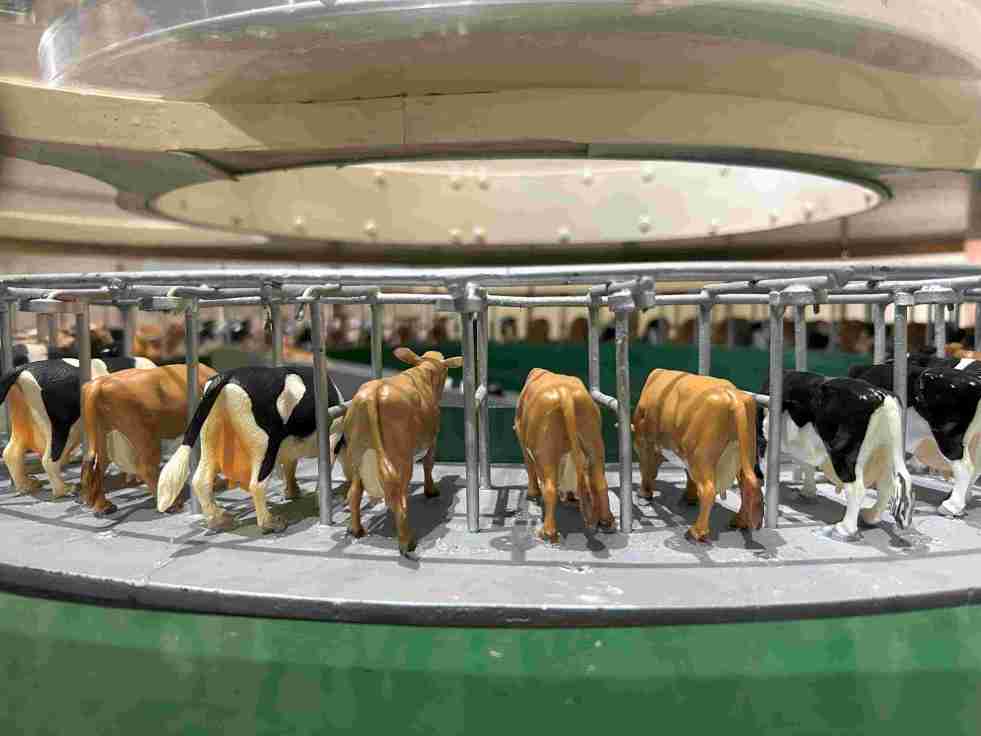
The Camden Museum's dairy corner display chronicles the evolution of dairying in the Camden area from the 1890s to the 1970s, showcasing artifacts from smallholder and industrial farms, including Camden Vale. Once a vital economic sector, local dairy farming has greatly diminished, with only a few farms remaining. The collection highlights tools and equipment like butter churns and milk bottles, illustrating the historical significance of dairying in the region's economy and culture.

20th century · Agriculture · Agriculture history · Architectural History · Architecture · Brands · Built heritag · Built Heritage · Business · Business History · Camden · Camden Park Estate · Camden Story · Camden Vale · Camden Vale Inn · Camden Vale Special Milk · Cultural and Heritage Tourism · Cultural Heritage · Cultural icon · Cultural Landscape · Cultural memory · Cultural Symbols · culture · Dairy Farming · Dairying · Economy · Farming · Farming history · Health History · Interwar · Macarthur · Macarthur family · Milk · Milk-borne disease · Stories · Storytelling · Tuberculosis

Podcast Episode: Camden Milk Bar History

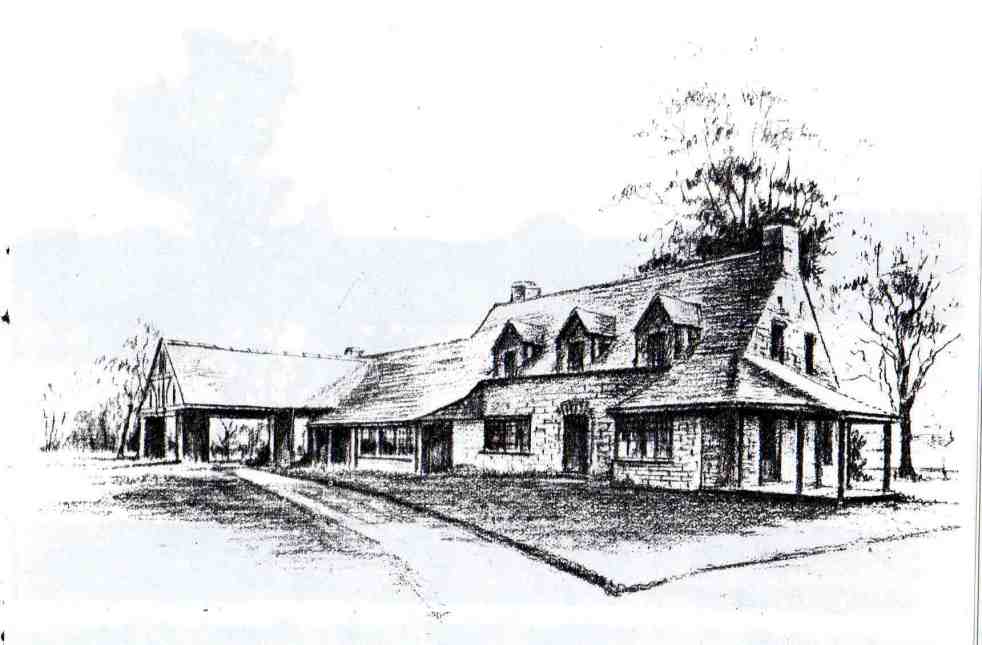
The content explores Camden's unique architectural and dairy history, focusing on a Tudor-style milk bar built in 1939 to promote Camden Vale special milk. It highlights the building's role in public health, its creative design by Cyril Ruwald, and its transformation into a boutique hotel, connecting local heritage with modern branding.

1920s · 1930s · 20th century · Advertising · Aesthetics · Agricultural heritage · Agricultural modernism · Agriculture · Agriculture history · Architectural History · Architecture · Business History · Cafes · Camden Built Heritage · Camden Interwar · Camden Modernism · Camden Park Estate · Camden Red Cross · Camden Vale · Camden Vale Inn · Camden Vale Special Milk · Community identity · Country Charm · Country town idyll · Cultural Heritage · Cultural memory · Dairy Farmers Cooperative · Dairying · England · English style aesthetics · Englishness · Interwar · Macarthur family · Medical history · Medical Humanities · Milk · Milk-borne disease · Place · Place making · Placemaking · Red Cross · Retail history · Retailing · Shopping · Stories · Storytelling · Tourism · Tuberculosis

Camden’s Unique Interwar Tudor Revival Milk Bar

The Camden Vale Inn Milk Bar, opened in 1939, was created to promote disease-free milk from Camden Park Estate during a period of health awareness. Designed in an 'Old English' style by architect Cyril Ruwald, it featured drive-through service and supported the Red Cross during WWII. It later evolved into a restaurant and hotel.

1920s · 1930s · 20th century · Advertising · Agricultural heritage · Agricultural modernism · Agriculture · Agriculture history · Australian History · Belgenny Farm · Business · Business History · Camden Park Estate · Camden Story · Camden Vale · Camden Vale Inn · Camden Vale Special Milk · Collective Memory · Cowpastures · Cultural Landscape · Dairy Farmers Cooperative · Dairying · Disease · Farming · Farming history · Landscape · Landscape aesthetics · Local History · Local Studies · Milk · Pathogens · Place making · Placemaking · Poster · Sense of place · Stories · Storytelling · Tuberculosis

The History of Camden Vale Milk: A 20th Century Legacy

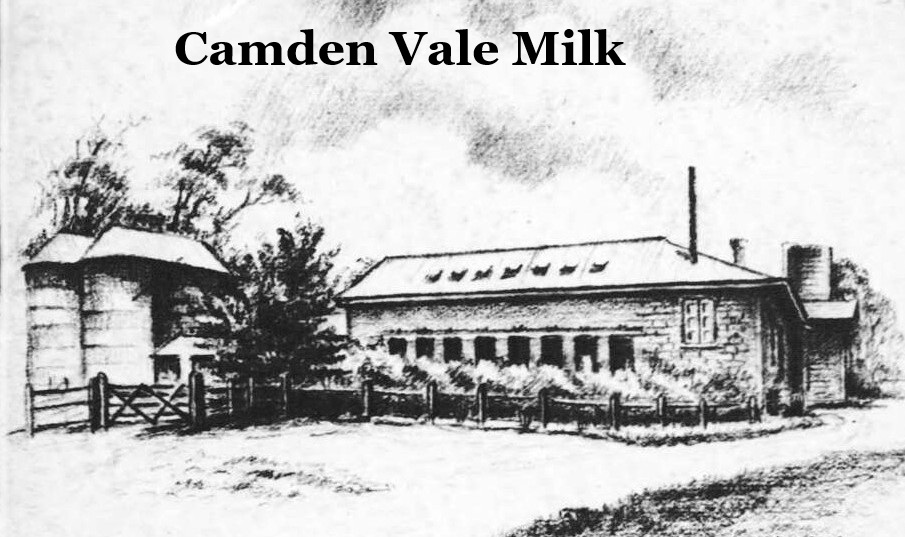
The Camden Museum features a poster detailing the significance of the Camden Vale special milk brand, which emerged from advancements in dairy farming in the area. Established in 1920, the brand was known for high-quality milk, emphasizing health benefits and innovative delivery methods, significantly impacting local agriculture and public health history.

19th Century · 20th century · Adaptive Re-use · Adaptive Reuse · Agricultural heritage · Agricultural modernism · Agriculture · Agriculture history · Belgenny Farm · Built Heritage · Camden Park Estate · Camden Story · Colonial Architecture · Colonial Australia · Colonial Camden · Colonial frontier · Colonial garden · Colonial NSW · Colonial Settler Community · Colonialism · Commemoration · Convicts · Cowpastures · Cowpastures district · Cowpastures Estates · Heritage · History · History of a building · History of Camden · Macarthur · Macarthur family · Memorial · Memorialisation · Memory · Museums · Nostalgia · Place · Place making · Placemaking · Social History · Stories · Storytelling · Technology · Traditional Trades · Transport · transport history

Cultural Tourism Success at Belgenny Farm

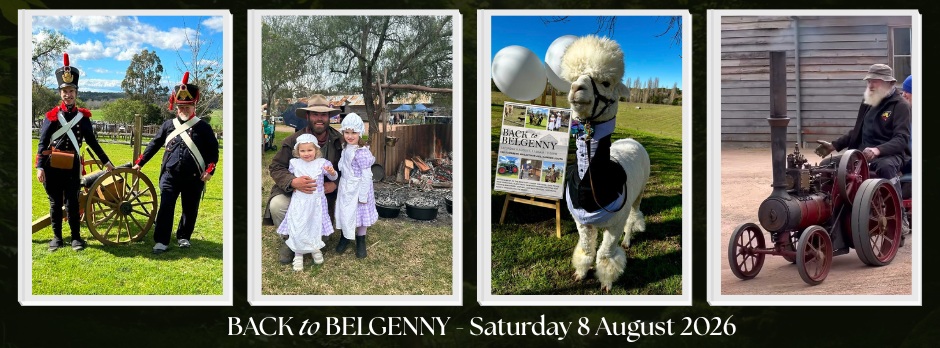
The Belgenny Farm Pioneer Farm Day successfully engaged visitors with Australiaโ€™s oldest farming complex, showcasing historical trades, games, and tours despite overcast weather. Families enjoyed activities like croquet and scavenger hunts, emphasizing the site's rich agricultural history and cultural significance. The event highlighted community involvement and fostered appreciation for heritage.

Agricultural heritage · Agriculture history · Camden Park Agricultural Research Station · Camden Park Estate · Camden Story · Cultural Landscape · Elizabeth Macarthur Agricultural Institute · Farming · Farming history · Landscape · Landscape aesthetics · NSW Government · Urban growth · Urban Planning

Camden Park Agricultural Research Station: A 1985 Landscape Report Overview

In 1985, the NSW Government released a landscape report on Camden Park Agricultural Research Station, highlighting its cultural significance amid urban encroachment. It described a complex cultural landscape, emphasising conservation needs. The site, now the Elizabeth Macarthur Agricultural Institute, is vital to agriculture and biosecurity, preserving the region's historical and cultural integrity.

Australian History · Business · Camden Park Estate · Camden Park House and Garden · Camden Story · England · History · Local History · Local Studies · Macarthur · Newspapers · Place · Political history · Power and Influence · Social History · Stories · Storytelling

Privacy, piety and power at Camden Park: 1905 Vickery-Ellis marriage

In mid-1905, a private wedding took place at Camden Park between 82-year-old Ebenezer Vickery and 52-year-old Deborah Louise Ellis, a teacher and charity worker. Despite gossip in The Bulletin magazine, which wrongfully described Ellis's age and referred to her as Vickery's 'typewriter,' the wedding was attended by notable figureheads. Vickery, known for his wealth and philanthropy, held positions in various corporations and was involved in mining ventures. Ellis, active in philanthropic circles, played a role in social issues. Their marriage highlighted a complex interplay of privacy, power, and community, reflecting societal attitudes of the era.

Agricultural heritage · Agriculture · Agriculture history · Artists · Belgenny Farm · Camden Park Estate · Camden Story · Colonial Camden · Cultural and Heritage Tourism · Dairying · Farming · Farming history · Heritage Walking Tours · History · History Festival · Leisure · Living History · Local History · Macarthur · Macarthur family · Place making · Placemaking · Sense of place · Settler colonialism · Settler Society · Social History · Stories · Storytelling

Explore History with Friends of Belgenny Farm Events

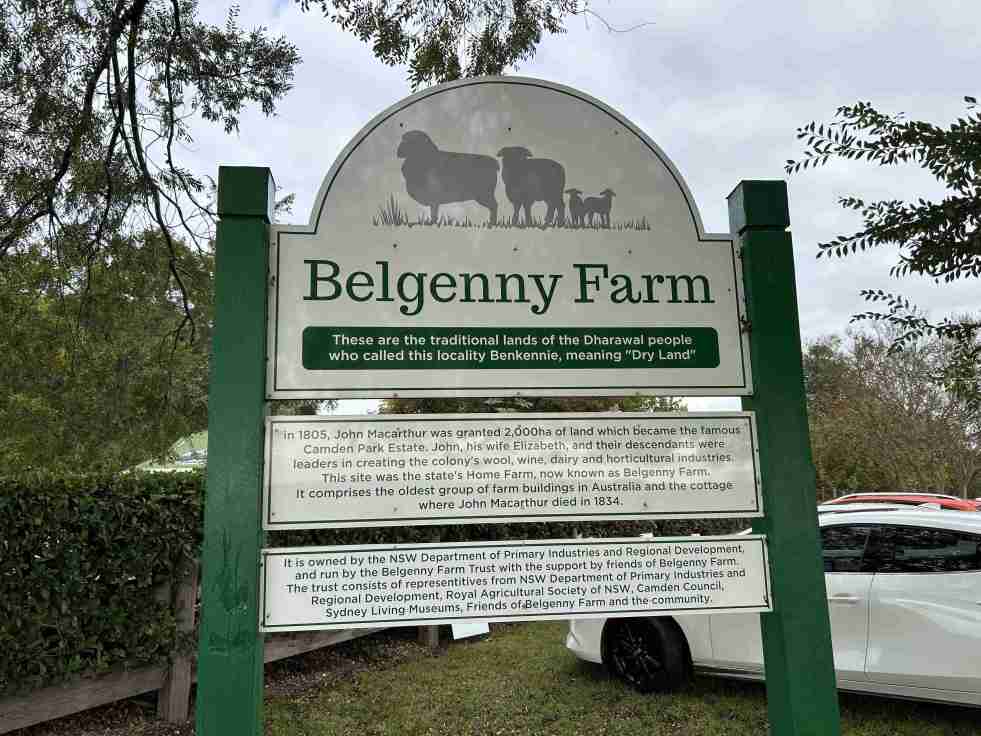
On a cloudy day in late May 2025, the Friends of Belgenny Farm held an open day attracting over 285 visitors interested in early Australian history. The event featured various stalls, historical displays, and guided tours of the historic site, which holds national significance and showcases Australia's earliest colonial farm buildings.

1930s · Aesthetics · Agricultural heritage · Agriculture history · British Heritage · Camden Park Estate · Camden Park House and Garden · Camden Story · Canberra · Colonial garden · Commemoration · Cowpastures Gentry · Elizabeth Farm · Elizabeth Macarthur · Garden history · Gardening · Gender · Heritage · History · History of wool industry · Johm Macarthur · Landscape aesthetics · Living History · Macarthur family · Memorial · Memorialisation · Memorials · Memory · Nationalism · Philanthropy · Roses · Sibella Macarthur Onslow · Social History · Uncategorized · Volunteering · Volunteerism · Women's history · Women's stories

Canberra’s Macarthur Garden: a tribute to Australia’s wool pioneers and their contribution to the foundation of the nation

The Macarthur Rose Garden in Canberra commemorates John and Elizabeth Macarthur's pivotal role in Australia's fine wool industry. Donated by their great-granddaughter, Sibella Macarthur Onslow, the garden features roses symbolizing hope and gratitude. Established from 1937-1938, it reflects the connection between the Macarthurs and Australiaโ€™s early nationalism.