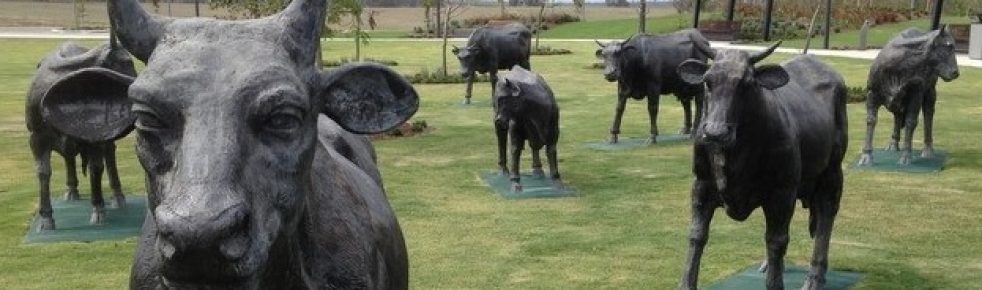

The Macarthur Rose Garden in Canberra commemorates John and Elizabeth Macarthur's pivotal role in Australia's fine wool industry. Donated by their great-granddaughter, Sibella Macarthur Onslow, the garden features roses symbolizing hope and gratitude. Established from 1937-1938, it reflects the connection between the Macarthurs and Australia’s early nationalism.
Category: Camden Park Estate


Explore Belgenny Farm: A Journey Through Time 2024
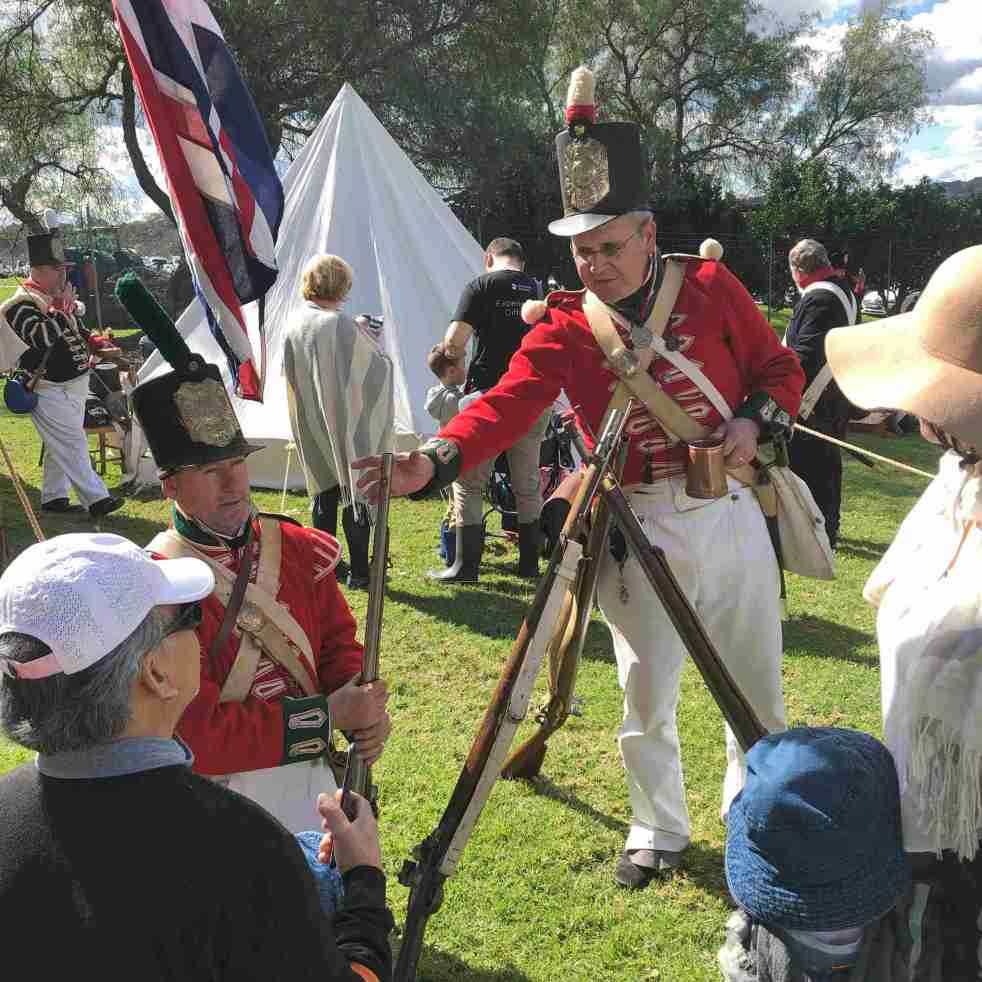
The 2024 Back to Belgenny festival showcased living history at Belgenny Farm, featuring reenactments, traditional trades, and various activities such as sheepdog trials and guided tours. The event included a demonstration by Governor Macquarie’s regiment and highlighted the farm's historical significance, providing visitors with an immersive glimpse into colonial agricultural life.
Share this:

Share this:
Back to Belgenny 2024, a festival of living history
The 2024 Back to Belgenny festival at Belgenny Farm in South Camden showcased living history with reenactments, traditional trades, and stalls selling arts and crafts of the past. Activities included sheepdog trials, live music, vintage cars, and guided history tours of the site. The farm represents the settler society through the generations of the Macarthur family and their workers.
Share this:

Share this:
Australia Day 1915 in Camden: Record-breaking Wartime Fundraiser
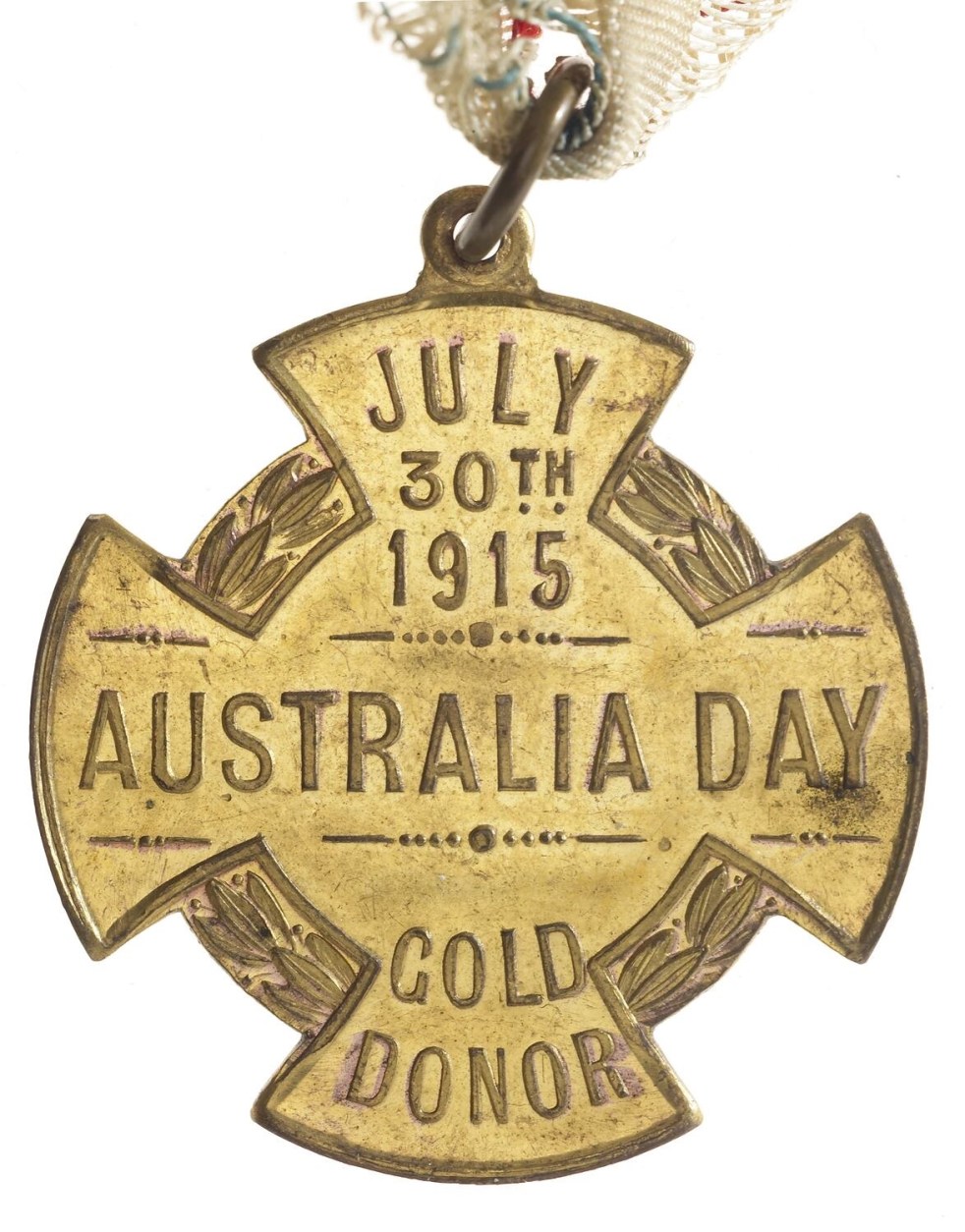
In mid-1915, the Camden Patriotic Fund took over fundraising for the first Australia Day appeal directing proceeds to the Red Cross for Australian wounded. The patriotic fund raised a substantial amount of money through various events. Meanwhile, on a national scale, the significance of the first Australia Day evolved from an idea initiated by Mrs. Elle Warton-Kirke of Manly NSW to an important Red Cross day. In Camden, the 1915 Australia Day activities were a significant wartime fundraiser, demonstrating the community's support for the war effort.
Share this:

Share this:
Menangle, A Historic English-Style Estate Village in Camden Park
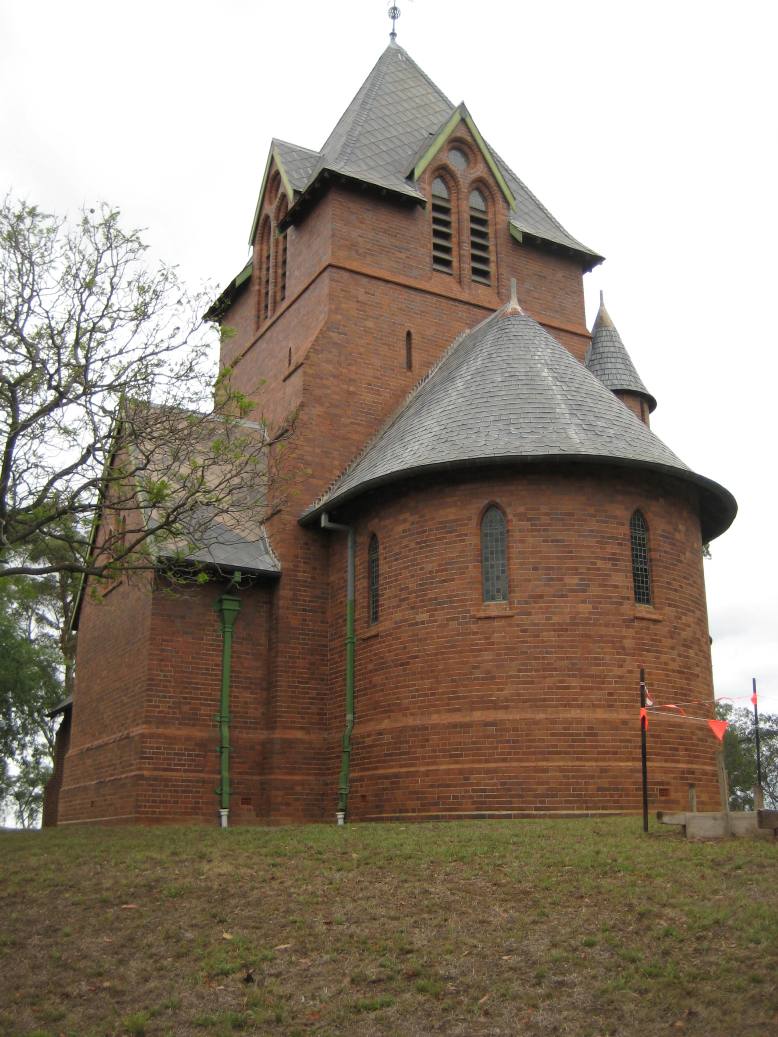
The village of Menangle, situated within the Camden district, reflects an English-style private estate village that has evolved over 150 years. Embodying rural Englishness, it has experienced both prosperity and decline, closely tied to the history of the Camden Park estate. The village's story is intertwined with the Macarthur family's influence and the impact of industrialization and modernization.
Share this:

Share this:
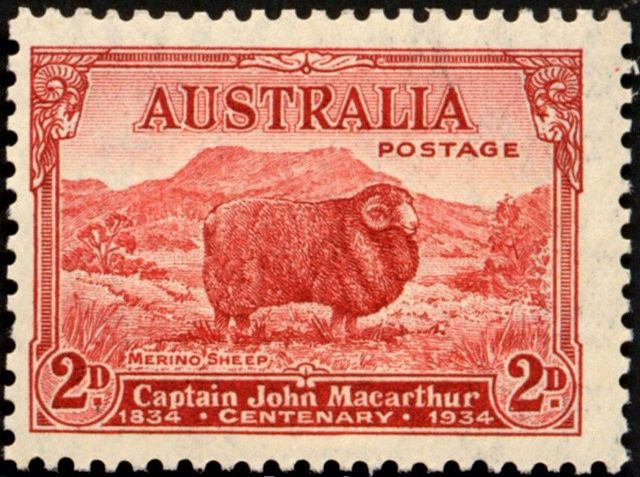
John Macarthur, Father of Australia’s Wool Industry, fact or fiction
John Macarthur is credited with establishing fine wool as a key industry in New South Wales. During the interwar period, it was claimed that he was the father of the Australian wool industry. While significant, his contributions are part of a larger narrative involving many key figures in the industry. His legacy includes commemorative postage stamps, as well as his portrayal in literature and festivals celebrating wool production.

