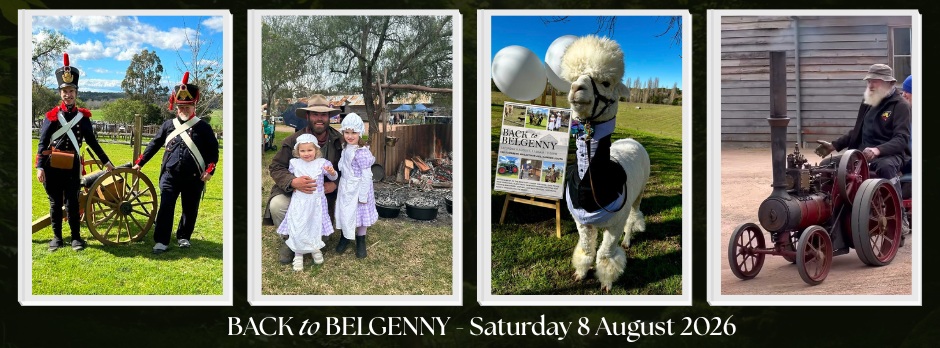
The recent "Back to Belgenny Day" at Belgenny Farm attracted over 3,000 visitors, celebrating Australia’s agricultural heritage. The event featured reenactments, vintage machinery, and craft demonstrations, creating a vibrant atmosphere. Proceeds support conservation efforts for this historic site, preserving its rich stories and landscapes for future generations.
Category: Cowpastures district

Camden’s Herberts Hill: Views, History, Culture and Walk
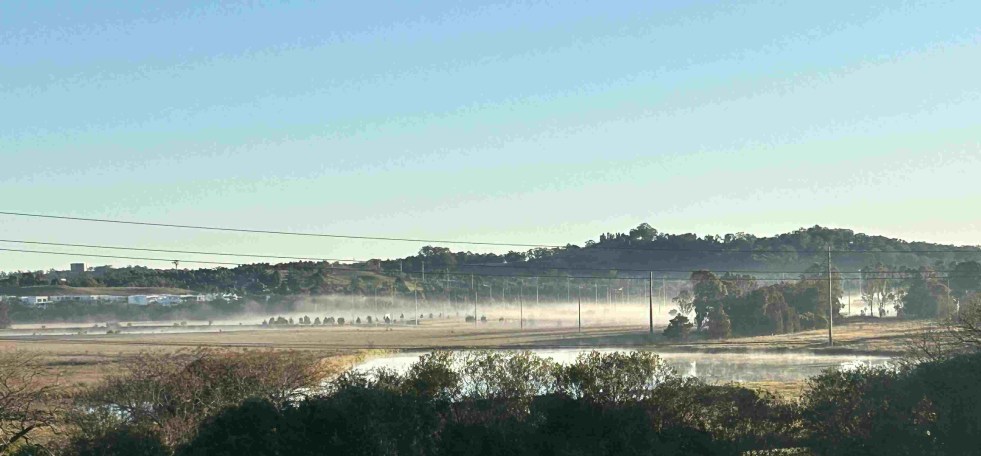
Herberts Hill, also known as Rheinbergers Hill, offers scenic pathways for walkers and joggers, revealing stunning views over the Nepean River floodplain. Historically significant, the site is linked to early English settlers, particularly Thomas Herbert, whose life reflects the colonial narrative of New South Wales. The hill provides important cultural insight and recreational opportunities.
Share this:

Share this:
Cultural Tourism Success at Belgenny Farm
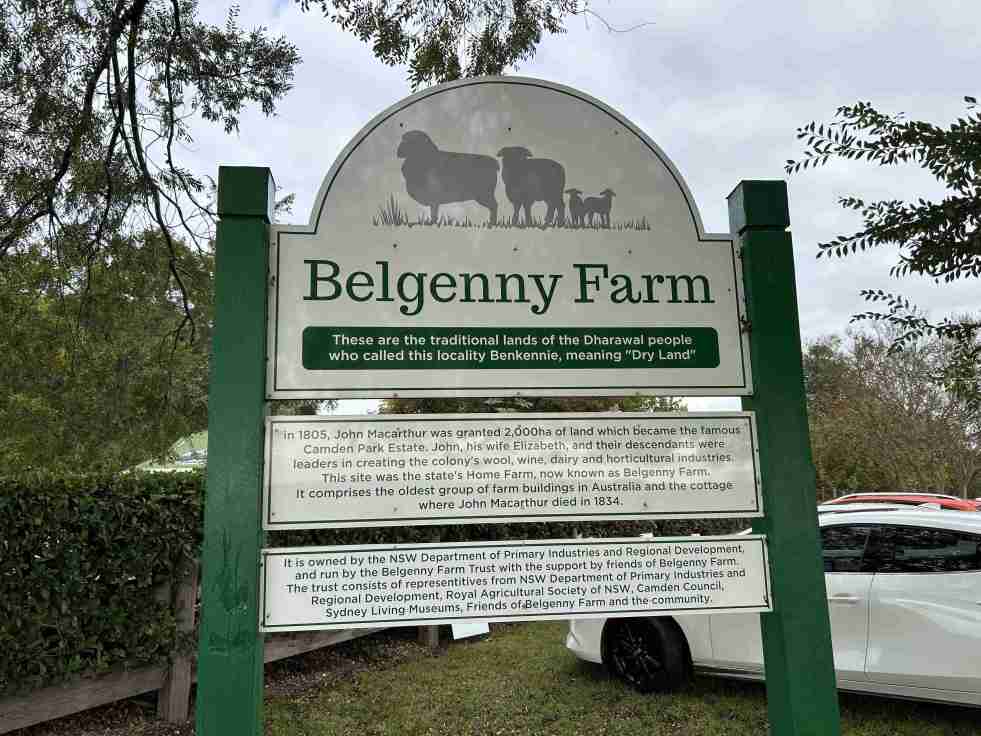
The Belgenny Farm Pioneer Farm Day successfully engaged visitors with Australia’s oldest farming complex, showcasing historical trades, games, and tours despite overcast weather. Families enjoyed activities like croquet and scavenger hunts, emphasizing the site's rich agricultural history and cultural significance. The event highlighted community involvement and fostered appreciation for heritage.
Share this:

Share this:

George Caley’s 1804 Report on the Vaccary Forest
George Caley (1770–1829) explored the Cowpastures in New South Wales and reported in 1804 on the thriving wild cattle there, suggesting the name "Vaccary Forest." Caley's knowledge of "vaccaries," common in medieval England, influenced his preference for this term over the existing one. He extensively documented his findings during his decade-long exploration in Australia.
Share this:

Share this:

Exploring the Camden story through collective memory and community history
The Camden story represents a rich tapestry of community history, emphasizing narratives from marginalized voices. It highlights how cultural memory, shaped through oral traditions and historical artifacts, fosters shared identity. Essential sites like museums and monuments facilitate the transmission of collective memories, preserving the community's past and influencing its identity.
Share this:

Share this:
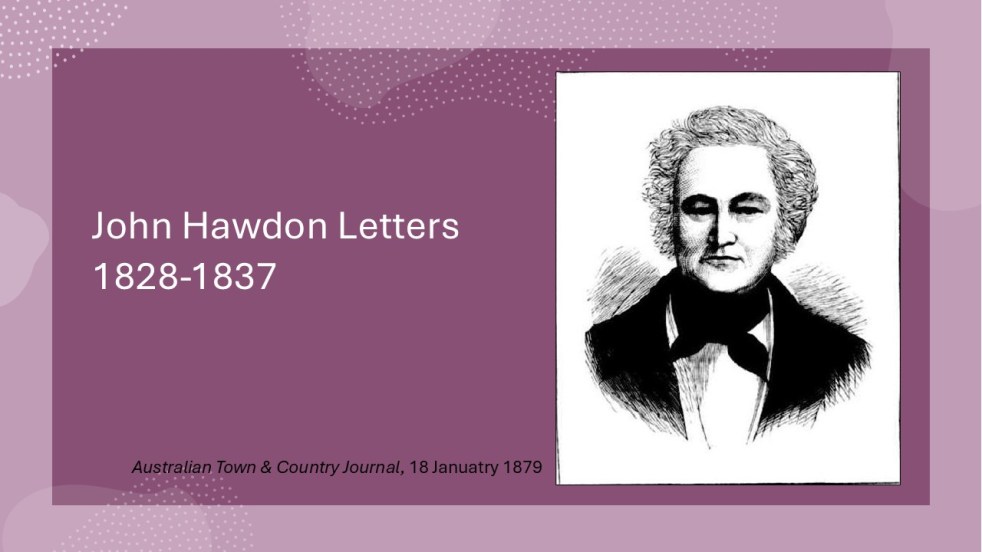
Insights from the Hawdon Letters: Colonial Life in NSW, Part 3, 1833-1837
The letters of John Hawdon and others from 1828 to 1837, preserved in the State Library of NSW, provide insights into colonial life in New South Wales. They highlight themes of isolation, communication challenges, economic struggles, and attitudes toward gender and Indigenous populations, alongside Hawdon's farming experiences and family connections.
Share this:

Share this:
Insights from the Hawdon Letters: Colonial Life in NSW, Part 2, 1831-1833
John Hawdon's letters from New South Wales (1831-1833) reveal colonial life, highlighting farming challenges, isolation from England, and the high costs of communication. These letters provide insights into market conditions, crop successes, and family updates, showcasing the Hawdons' experiences and adaptations in a new land, while retaining original spelling and structure.
Share this:

Share this:
Insights from the Hawdon Letters: Colonial Life in NSW, Part 1, 1828-1830
John Hawdon's letters (1828-1830) provide an intimate view of colonial life in New South Wales. Addressed to family in England, they detail challenges of farming, personal hardships, and isolation. The cross-written letters, located at the State Library of NSW, are difficult to decipher but are significant historical records of early colonial settlement in the Cowpastures.
Share this:

Share this:
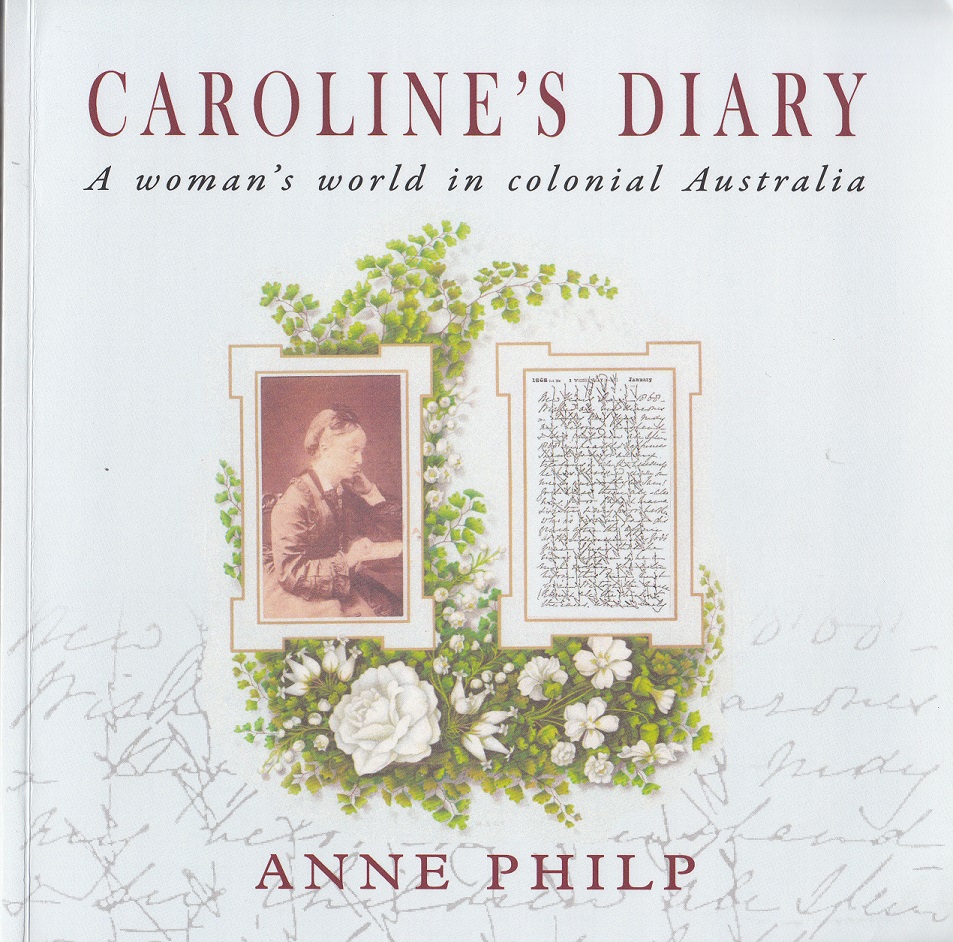
Exploring Caroline’s Diary: A Women’s Perspective on Colonial Australia
Anne Philp's "Caroline’s Diary" narrates the life of Caroline Husband, an Englishwoman who migrated to colonial Australia in the mid-19th century. Through her personal diaries, readers explore her adventures, social life, and experiences from England to New South Wales, providing insights into women's roles and societal dynamics during this period.
Share this:

Share this:
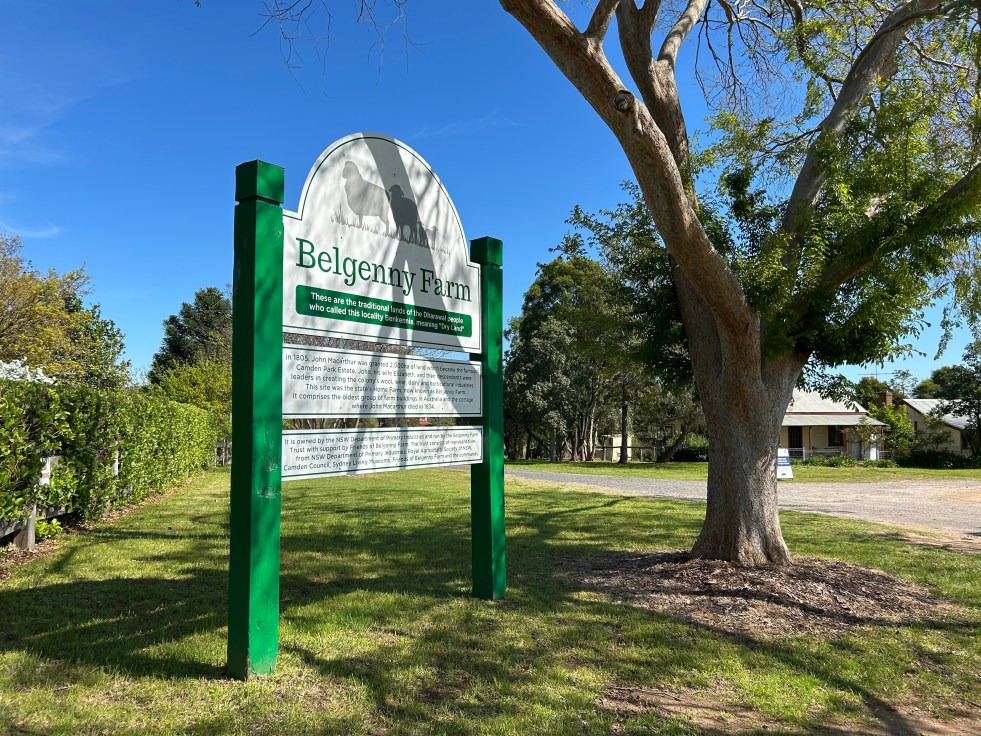
Exploring Belgenny Farm: Australia’s Oldest Farm Complex
Belgenny Farm, located in Camden, NSW, is Australia’s oldest surviving group of farm buildings, dating back to the 1820s. This historical site includes significant structures like stables, a coach house, and a community hall. It holds cultural importance through its association with the Macarthur family and continues to serve educational purposes.

