
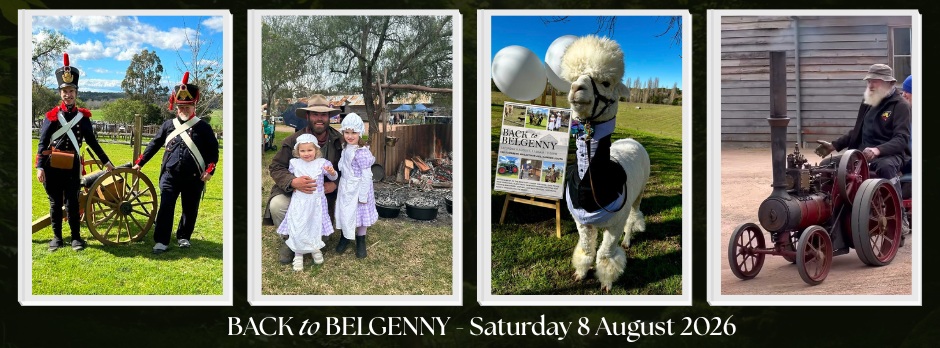
The recent "Back to Belgenny Day" at Belgenny Farm attracted over 3,000 visitors, celebrating Australia’s agricultural heritage. The event featured reenactments, vintage machinery, and craft demonstrations, creating a vibrant atmosphere. Proceeds support conservation efforts for this historic site, preserving its rich stories and landscapes for future generations.
Category: Community History

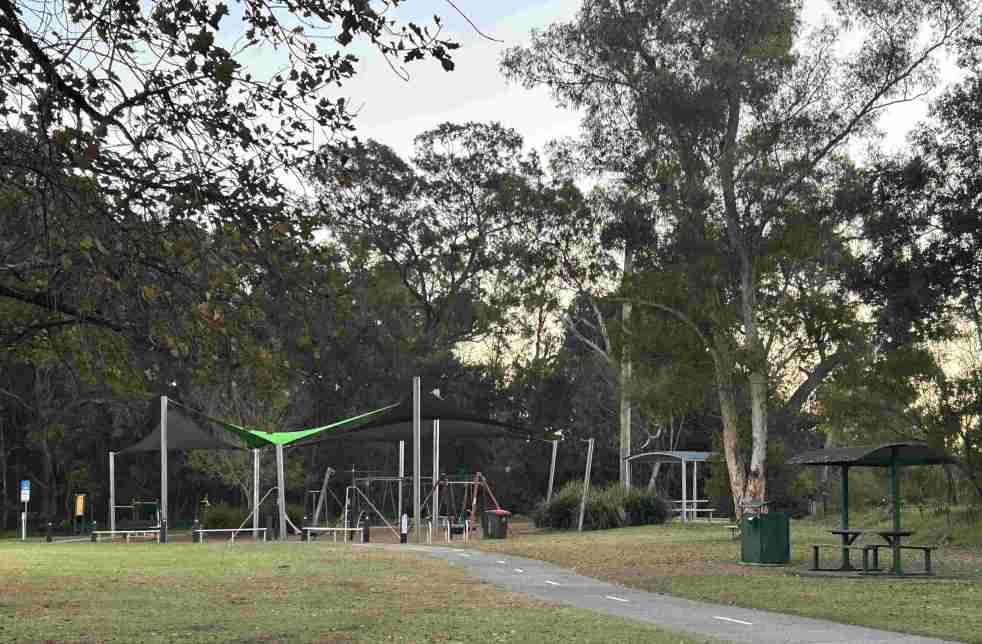
Discovering John Peat Reserve: A Hidden Gem
John Peat Reserve, located on Chellaston Street along the Nepean River Trail, honors John Peat, a prominent builder in early 20th-century Camden. Despite its amenities, few recognize its name or significance. The park is enjoyed by families and joggers, featuring a playground, picnic facilities, and exercise equipment, embodying a hidden local gem.
Share this:

Share this:
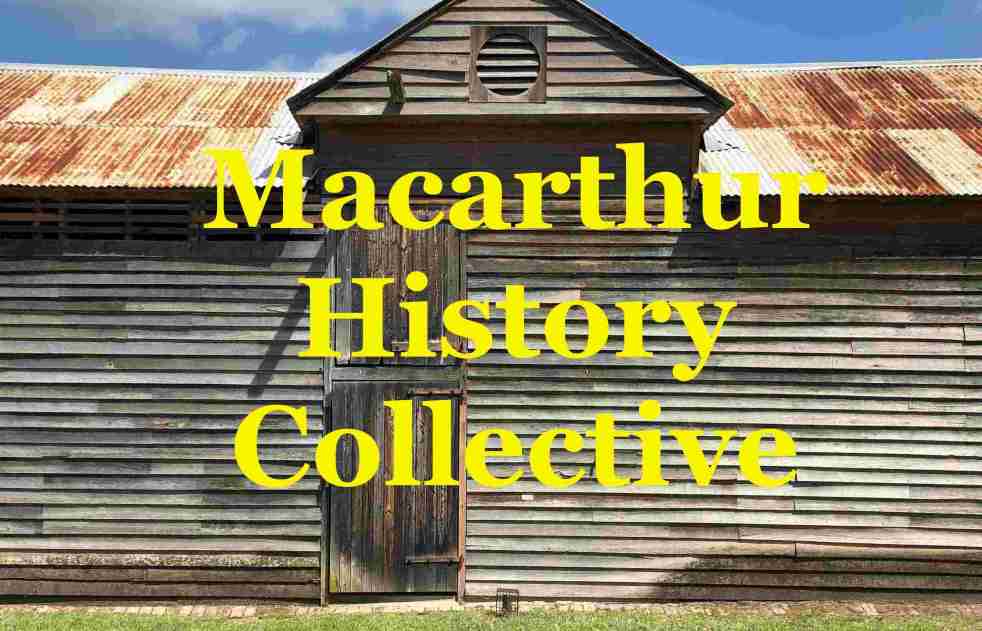
Strengthening Heritage Through Collaboration: Macarthur’s New Collective
The Macarthur History Collective, a loose informal alliance, formed by local history organisations, aims to foster collaboration among groups to preserve and promote regional heritage. Initiated after a successful meeting on July 19, 2026, its focus is to share resources, tackle common challenges, and engage younger audiences, enhancing community history efforts across the Macarthur region
Share this:

Share this:
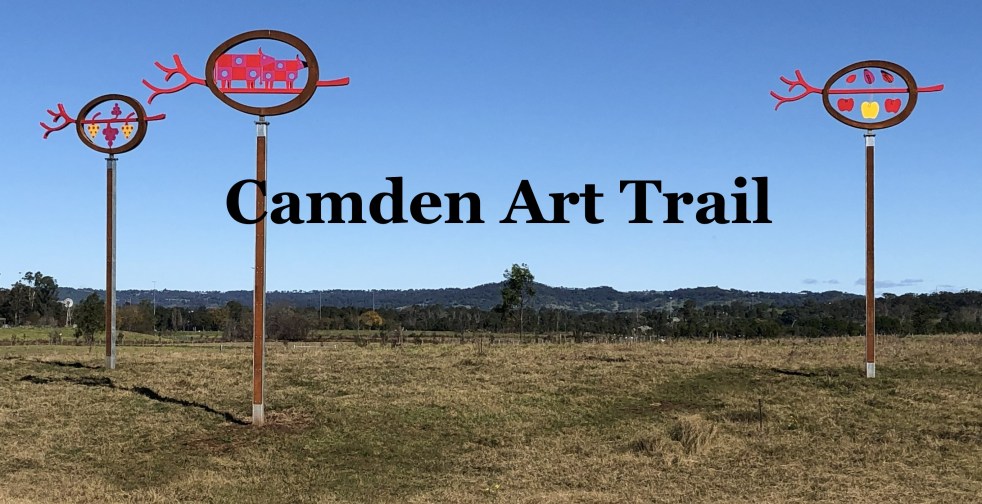
Explore the Camden Public Art Trail: A Scenic Journey
The Camden Public Art Trail, officially opened in June 2024, connects the Nepean River to Camden Town Farm and features stunning artwork installations across a 4.2-kilometer walkway. Funded by the NSW Government, the trail celebrates local heritage and ecology while providing an accessible outdoor experience for visitors, though dogs are not permitted.
Share this:

Share this:

George Caley’s 1804 Report on the Vaccary Forest
George Caley (1770–1829) explored the Cowpastures in New South Wales and reported in 1804 on the thriving wild cattle there, suggesting the name "Vaccary Forest." Caley's knowledge of "vaccaries," common in medieval England, influenced his preference for this term over the existing one. He extensively documented his findings during his decade-long exploration in Australia.
Share this:

Share this:
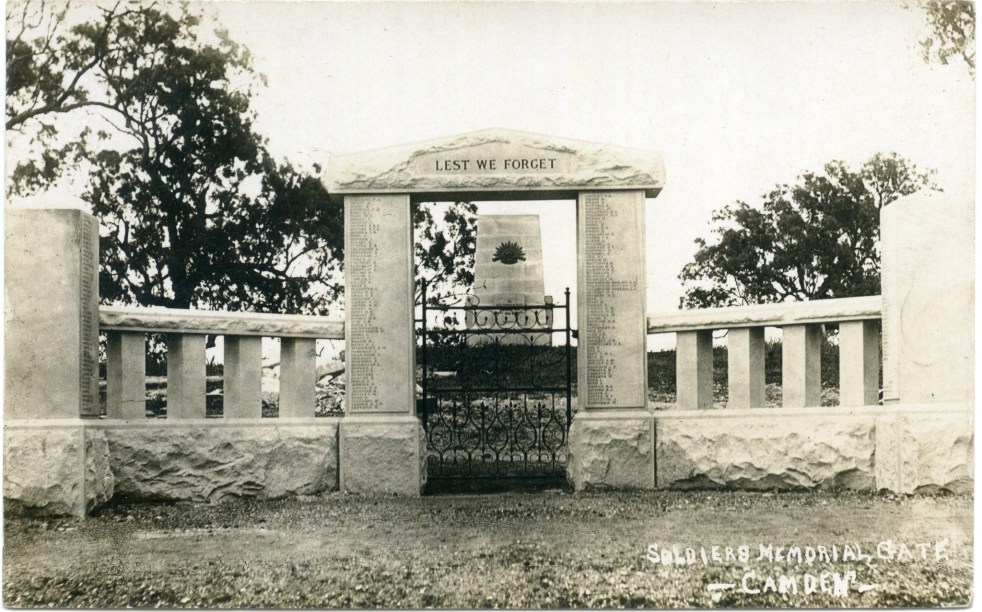
Camden’s Anzac Precinct: A Historical Reflection
Camden’s World War One Anzac precinct, located in Macarthur Park, features a cenotaph, memorial gates, and war trophy guns that commemorate local soldiers' sacrifices. The memorials were completed in 1922 amid mixed community support. Over time, the precinct has become a sacred site, reflecting shifting attitudes toward remembrance and honouring the war dead.
Share this:

Share this:
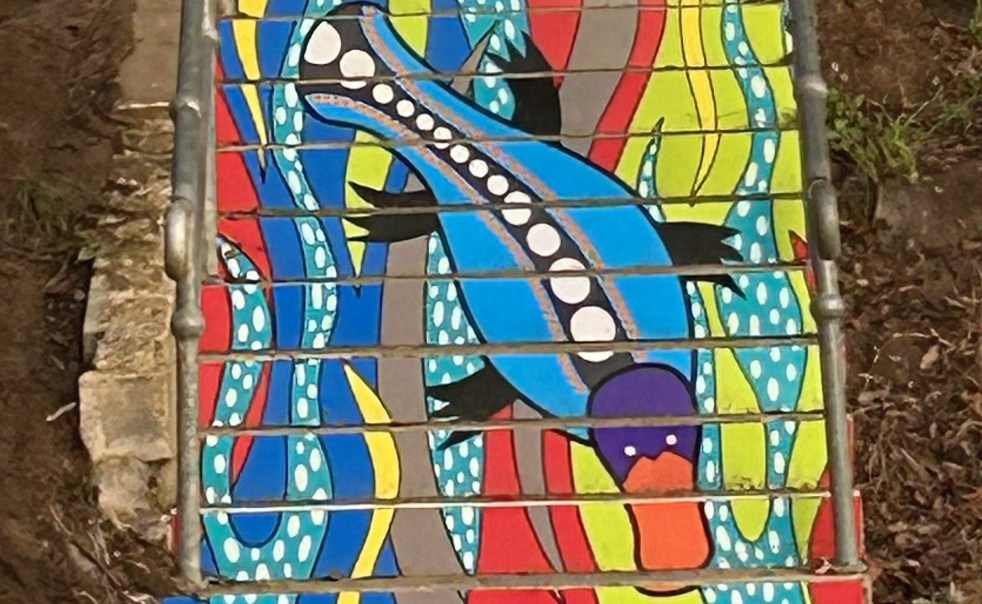
Exploring ‘By the River’: A Public Art Installation in Camden
Danielle Mate's art installation, "By the River," adorning the stairs between Chellaston Reserve and Little Sandy footbridge, features a platypus motif that reflects local Indigenous heritage. Commissioned by Camden Council and developed with community input, it enhances the area while celebrating its rich cultural history and ecology.
Share this:

Share this:

Exploring the Camden story through collective memory and community history
The Camden story represents a rich tapestry of community history, emphasizing narratives from marginalized voices. It highlights how cultural memory, shaped through oral traditions and historical artifacts, fosters shared identity. Essential sites like museums and monuments facilitate the transmission of collective memories, preserving the community's past and influencing its identity.

