Aesthetics · Anzac · Anzac Day · Australian History · Camden Story · Cenotpah · Community History · Community identity · Cultural Heritage · Cultural Landscape · Cultural memory · Cultural plantings · Cultural Symbols · culture · Emotion · History · Landscape · Macarthur Park · Memorial · Memorialisation · Memorials · Memory · Monuments · Place making · Placemaking · Sense of place · Social History · Stonemasonary · Stories · Storytelling · War · War at home · Wartime · World War One

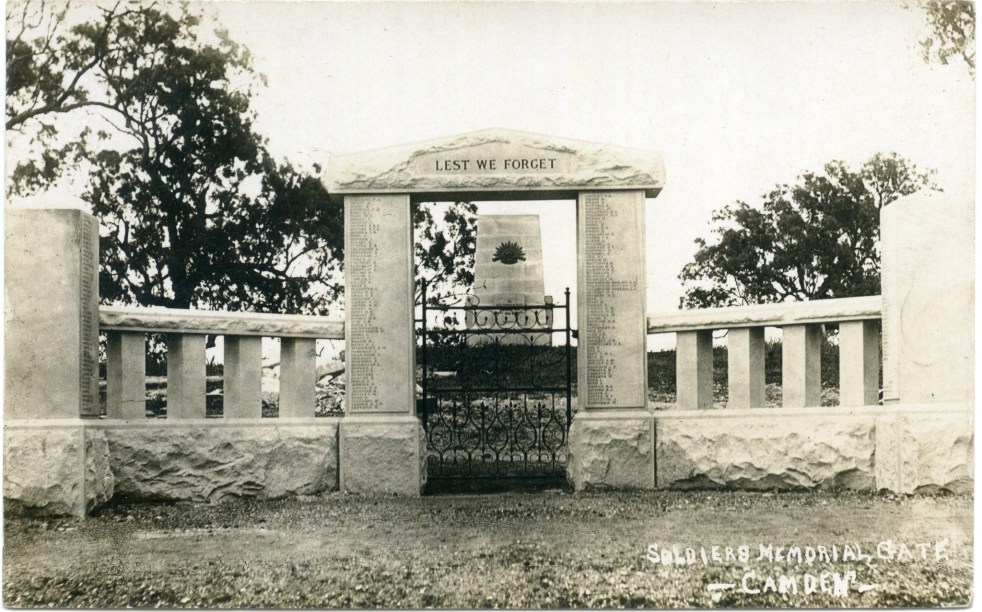
Camden’s Anzac Precinct: A Historical Reflection

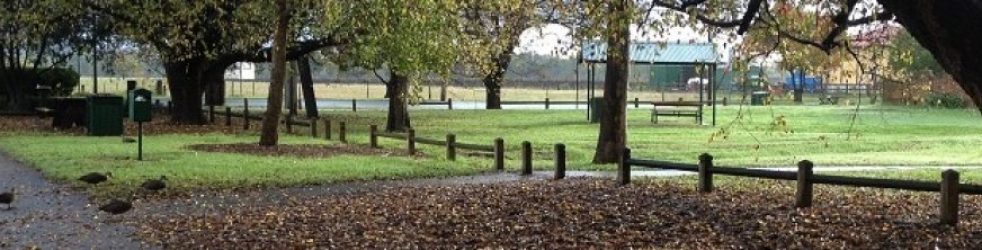
Camden’s World War One Anzac precinct, located in Macarthur Park, features a cenotaph, memorial gates, and war trophy guns that commemorate local soldiers' sacrifices. The memorials were completed in 1922 amid mixed community support. Over time, the precinct has become a sacred site, reflecting shifting attitudes toward remembrance and honouring the war dead.

Art · Artworks · Attachment to place · Australian Army · Australian History · Camden · Camden Story · Collective Memory · Community identity · Cowpastures · Cultural Heritage · Cultural Landscape · Cultural memory · Cultural Symbols · culture · Ecology · Heritage · History · History of Emotion · Landscape · Landscape aesthetics · Little Sandy Footbridge · Living History · Local History · Local Studies · Memorial · Memory · Murals · Myths · Nepean River · Nostalgia · Place making · Placemaking · Public art · Social History · Stereotypes · Stories · Storytelling · Symbolism · Urban history

Exploring Little Sandy: Camden’s Hidden Gem

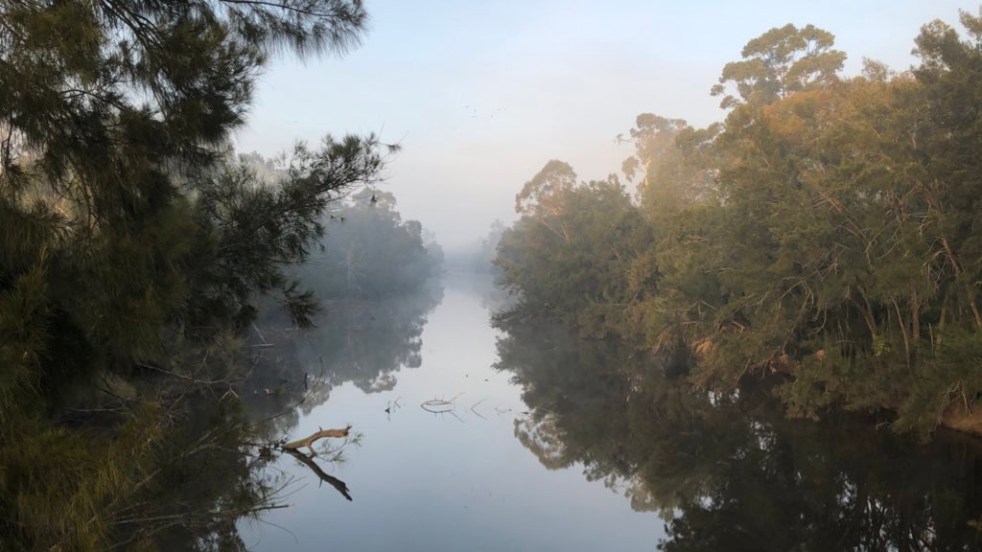
Little Sandy, a cherished location on the Nepean River in Camden, is celebrated for its rich community history and the memories it holds for locals. Enhanced by the Camden Weir, it features a modern footbridge and Aboriginal-inspired artwork, symbolizing its cultural significance as a site of gatherings, swimming, and personal milestones.

Alan Baker Art Gallery Camden NSW · Art · Artists · Artworks · Camden · Camden Council · Camden International Friendship Association · Camden Mayor · Camden Story · CIFA · Community work · Cultural and Heritage Tourism · Cultural Heritage · Cultural Landscape · Cultural memory · culture · Living History · Local History · Local Studies · Memory · Place making · Placemaking · Small town · Social History · Volunteering · Volunteerism

CIFA: A Legacy of Cultural Exchange in Camden

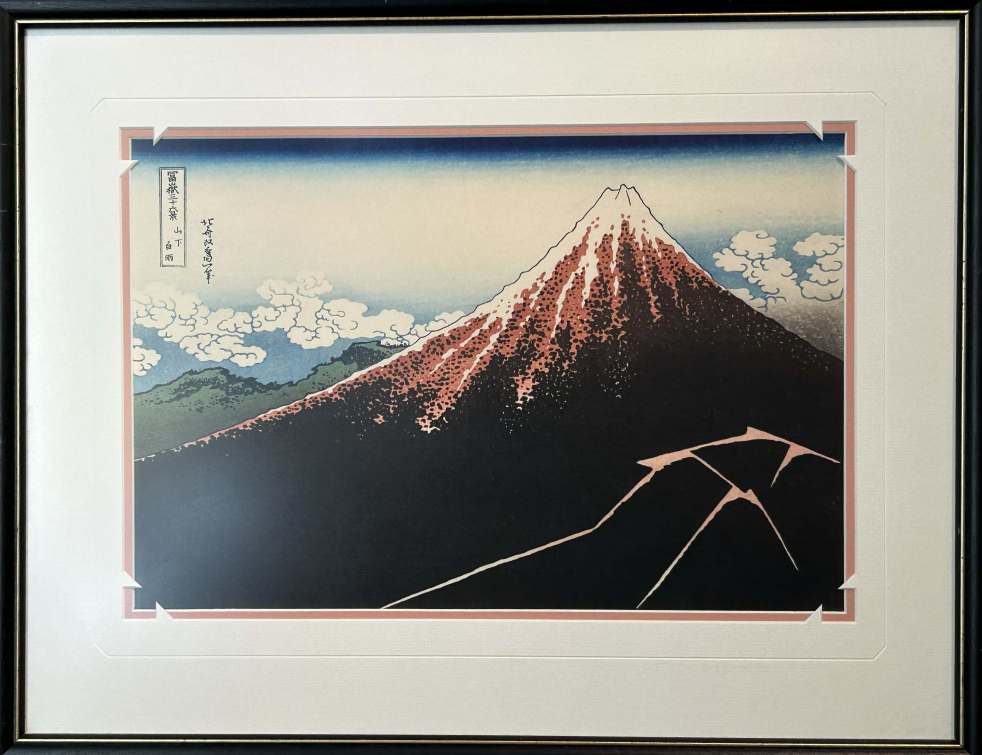
The Camden International Friendship Association (CIFA), established in 1993, facilitated cultural exchanges between Camden, Australia, and Shonan, Japan, transforming many students' lives. Although exchanges thrived for years, waning interest led to CIFA's decline by 2024. Despite this, some artworks from the exchanges remain on display at the Alan Baker Art Gallery.

1920s · 19th Century · 20th century · Aesthetics · Architecture · Built Heritage · Camden Heritage Conservation Area · Camden Material and Colour Guide · Camden Story · Camden Town Centre · Camden Village · Community identity · Country town · Cultural and Heritage Tourism · Cultural Heritage · Heritage · Heritage Walking Tours · Historical consciousness · History · Living History · Local History · Place · Place making · Placemaking · Social History · Stories · Storytelling · Women's history · Women's stories

Balancing Heritage and Development in Australia

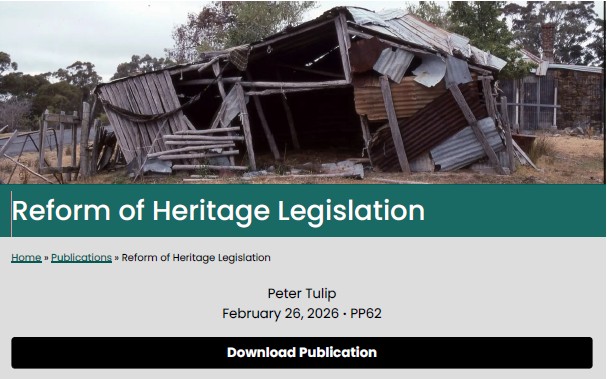
The Centre for Independent Studies argues that NSW heritage laws exacerbate the housing affordability crisis by preserving unremarkable buildings, thus restricting development. It critiques a narrow economic view of heritage that neglects community values, highlighting that a broader understanding of heritage's social and economic benefits is essential for sustainable urban planning.

AI · Art · Australian History · Cultural Heritage · culture · Ethics · History · Images · Photographs · Photography · Pictures · Social History · Stereotypes · Stories · Storytelling · War · Wartime · World War One

Understanding Image Manipulation and Deepfakes

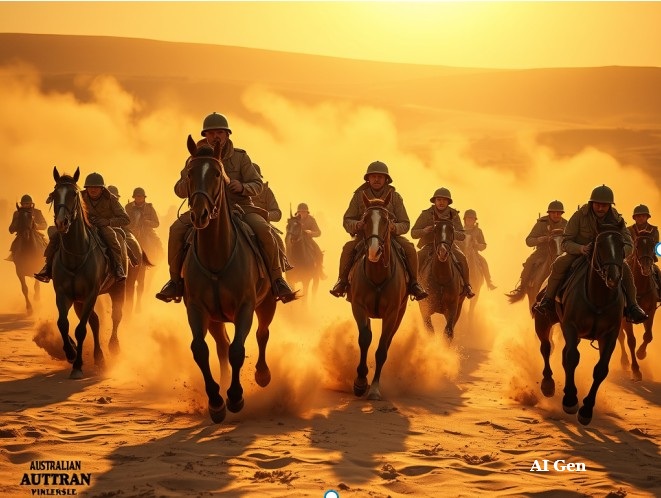
The authenticity of images on social media is increasingly questionable due to advancements in generative AI and deepfakes. Manipulation techniques distort reality, leading to curated perceptions and ethical dilemmas in photography. Iconic figures like Frank Hurley exemplify the tension between authenticity and representation, highlighting the need for transparency in image manipulation.

19th Century · 20th century · Business History · Camden Historical Society · Camden Museum · Camden Story · Costume History · Craft · Crafts · Cultural Heritage · Economy · Engineering Heritage · Fashion · Fashion History · Industrial Technology · Local Studies · Place making · Placemaking · Sense of place · Social History · Stories · Storytelling · The Arts · Uncategorized · War at home · Wartime · Women's agency · Women's art · Women's history · Women's stories

Historic Sewing Machines from Camden Museum: A Close Look

The Camden Museum features a collection of historical sewing machines, highlighting their significance in women's domestic lives and agency since the 19th century. These machines facilitated garment production and enabled some women to establish dressmaking businesses, showcasing their skills while enhancing independence during times of social change, including both World Wars.

Active citizenship · Adaptive Reuse · Artists · Artworks · Built Heritage · Camden · Camden Civic Centre · Camden Story · Community · Community building · Community work · Cultural Heritage · culture · Festivals · Leisure · Local History · Local Studies · Music · Music history · Placemaking · Public art · Social History · The Arts · Urban Planning

Community Hub Revitalization: Camden Civic Centre’s New Look

The Camden Civic Centre was officially reopened after a $9.9 million upgrade, enhancing its facilities as a modern, multi-purpose venue. The project included improved workspaces, public art installations, and a new grand piano. The council and government funding ensured a functional space for community events, strengthening local cultural support.

19th Century · Agricultural heritage · Agriculture · Agriculture history · Attachment to place · Australian History · Belonging · British colonialism · Business History · Colonial Australia · Colonial Camden · Colonial frontier · Colonial garden · Colonial NSW · Colonial Settler Community · Colonialism · Cowpastures · Cowpastures district · Cowpastures Estates · Cowpastures Gentry · Cowpastures Region · Cowpastures River · Cultural Heritage · Dairying · Economy · England · Families · Family history · Farming · Heritage · John Hawdon · Letters · Local Studies · Place · Place making · Placemaking · Regionalism · Settler colonialism · Settler Society · Social History · Uncategorized

Insights from the Hawdon Letters: Colonial Life in NSW, Part 3, 1833-1837

The letters of John Hawdon and others from 1828 to 1837, preserved in the State Library of NSW, provide insights into colonial life in New South Wales. They highlight themes of isolation, communication challenges, economic struggles, and attitudes toward gender and Indigenous populations, alongside Hawdon's farming experiences and family connections.

19th Century · Agricultural heritage · Agriculture · British colonialism · British Heritage · Colonial Australia · Colonial Camden · Colonial frontier · Colonial NSW · Colonial Settler Community · Colonialism · Convicts · Cowpastures · Cowpastures district · Cowpastures Estates · Cowpastures Gentry · Cowpastures Region · Cowpastures River · Cultural Heritage · Cultural icon · Dairying · Economy · Elderslie · England · Families · Family history · Farming history · Heritage · John Hawdon · Local Studies · Pioneers · Place · Place making · Placemaking · Social History · Stories · Storytelling · Uncategorized

Insights from the Hawdon Letters: Colonial Life in NSW, Part 2, 1831-1833

John Hawdon's letters from New South Wales (1831-1833) reveal colonial life, highlighting farming challenges, isolation from England, and the high costs of communication. These letters provide insights into market conditions, crop successes, and family updates, showcasing the Hawdons' experiences and adaptations in a new land, while retaining original spelling and structure.

19th Century · 20th century · Active citizenship · Agency · Artefacts · Blue Plaques · Blue Plaques NSW · Business · Business History · Camden · Camden Modernism · Camden Museum · Camden Story · Commemoration · Community identity · Craft · Crafts · Cultural icon · Dress history · Economy · Fashion · Fashion History · Handcraft · Heritage · History · History of a building · Industrial Heritage · Local History · Local Studies · Memorialisation · Nationalism · Place making · Placemaking · Red Cross · School of Arts · Second World War · Sense of place · Sewing · Sewing Machine · Social History · Stories · Storytelling · Volunteering · Volunteerism · War · War at home · Wartime · Women's agency · Women's stories · World War One · World War Two

Camden’s Treadle Sewing Machine: A Revolution in Women’s Agency

The Camden Museum's treadle sewing machine symbolizes the significant role of sewing in women's lives from the 19th century onwards. Sewing machines democratized work, enhancing women’s agency by saving time and allowing for business opportunities. Women contributed immensely to the war efforts through Red Cross circles, producing thousands of items during both World Wars.