19th Century · 20th century · Agricultural heritage · Agriculture · Agriculture history · Attachment to place · Australian History · Belonging · British colonialism · British Heritage · Camden District · Camden Park Estate · Camden Park House and Garden · Camden Story · Colonial Australia · Colonial frontier · Colonial NSW · Colonial Settler Community · Colonialism · Convicts · Cowpastures · Cowpastures district · Cowpastures Region · Cultural Heritage · Cultural Landscape · Cultural memory · Cultural Symbols · culture · Elizabeth Macarthur · England · English style aesthetics · Englishness · Family history · Farming · Farming history · Heritage · Johm Macarthur · Landscape · Landscape aesthetics · Local History · Macarthur family · Pioneers · Place making · Placemaking · Sense of place · Settler colonialism · Settler Society · Social History · Stories · Storytelling · The Cowpastures

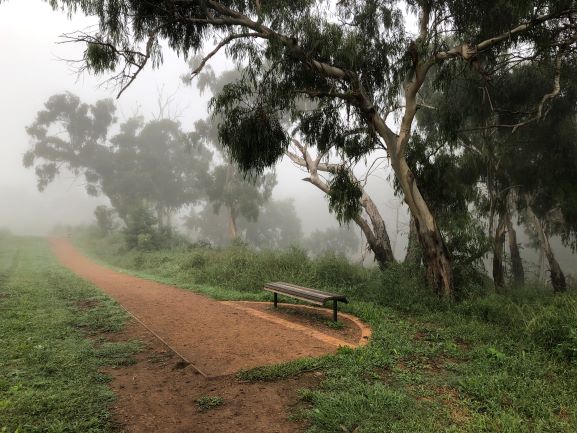
Camden’s Herberts Hill: Views, History, Culture and Walk

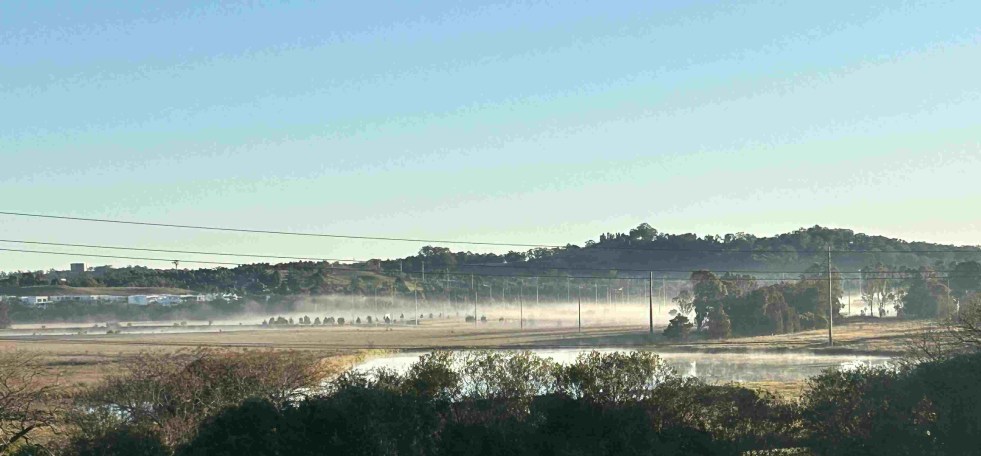
Herberts Hill, also known as Rheinbergers Hill, offers scenic pathways for walkers and joggers, revealing stunning views over the Nepean River floodplain. Historically significant, the site is linked to early English settlers, particularly Thomas Herbert, whose life reflects the colonial narrative of New South Wales. The hill provides important cultural insight and recreational opportunities.

Agriculture history · Art · Art Trail · Artists · Artworks · Camden Public Art Trail · Camden Story · Camden Walking Trails · Collective Memory · Commemoration · Community History · Community work · Cowpastures · Cowpastures Region · Cultural and Heritage Tourism · Cultural Heritage · Cultural Landscape · Cultural memory · Cultural Symbols · culture · Dairying · Ecology · Farming history · Floods · Heritage · Heritage Walking Tours · Landscape · Landscape aesthetics · Living History · Memorial · Memorialisation · Memorials · Pioneers · Place · Place making · Placemaking · Public art · Sense of place · Stories · Storytelling · Tourism · Wayfinding

Explore the Camden Public Art Trail: A Scenic Journey

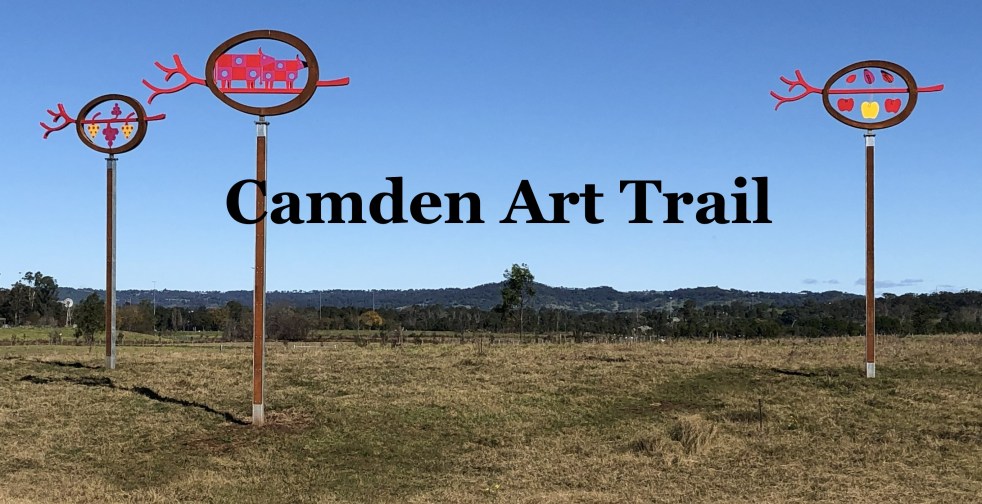
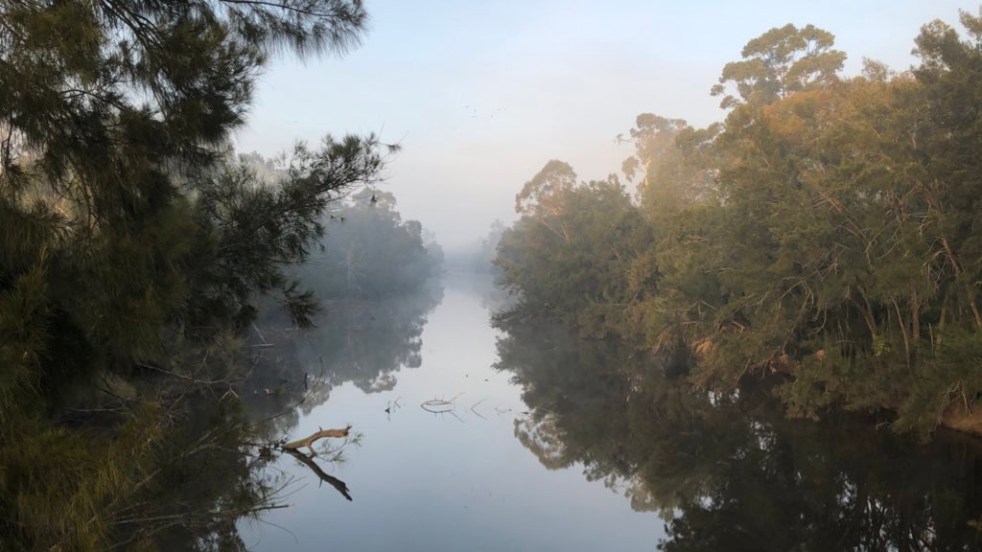
The Camden Public Art Trail, officially opened in June 2024, connects the Nepean River to Camden Town Farm and features stunning artwork installations across a 4.2-kilometer walkway. Funded by the NSW Government, the trail celebrates local heritage and ecology while providing an accessible outdoor experience for visitors, though dogs are not permitted.

Art · Artists · Artworks · Attachment to place · Camden Story · Camden Walking Trails · Community · Community building · Community Health · Community identity · Community work · Cowpasture walking trails · Cultural Heritage · Cultural Landscape · Cultural memory · Cultural Symbols · Grief · Grief and trauma · Health and Medical History · Health History · History of Emotion · Hope and loss · Landscape · Landscape aesthetics · Lifestyle · Medical Humanities · Memory · Place making · Placemaking · Public art · Sculpture · Sense of place · Stories · Storytelling · The Arts · Trauma · Travel · Travellers · Wind Phone

Whispering in the Wind: A Unique and Contemplative Art Installation in Camden

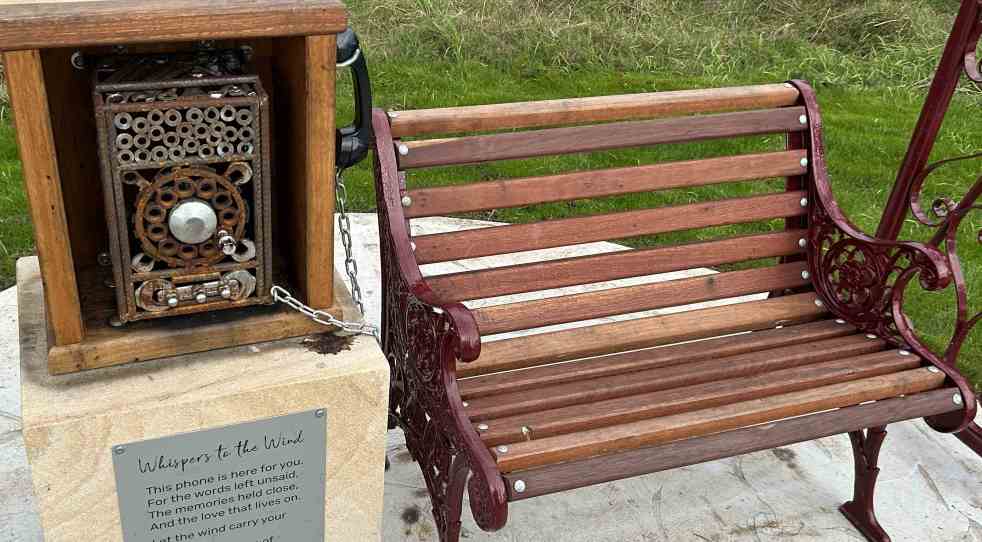
A new art installation, "Whispering in the Wind," has been unveiled along the Nepean River Trail in Camden, NSW. Created by artist Quinton Laws using recycled materials, the wind phone provides a space for reflection and connection for those grieving. Inspired by global installations, it encourages open expression of emotions.

1920s · 1930s · 20th century · Advertising · Agricultural heritage · Agricultural modernism · Agriculture · Agriculture history · Australian History · Belgenny Farm · Business · Business History · Camden Park Estate · Camden Story · Camden Vale · Camden Vale Inn · Camden Vale Special Milk · Collective Memory · Cowpastures · Cultural Landscape · Dairy Farmers Cooperative · Dairying · Disease · Farming · Farming history · Landscape · Landscape aesthetics · Local History · Local Studies · Milk · Pathogens · Place making · Placemaking · Poster · Sense of place · Stories · Storytelling · Tuberculosis

The History of Camden Vale Milk: A 20th Century Legacy

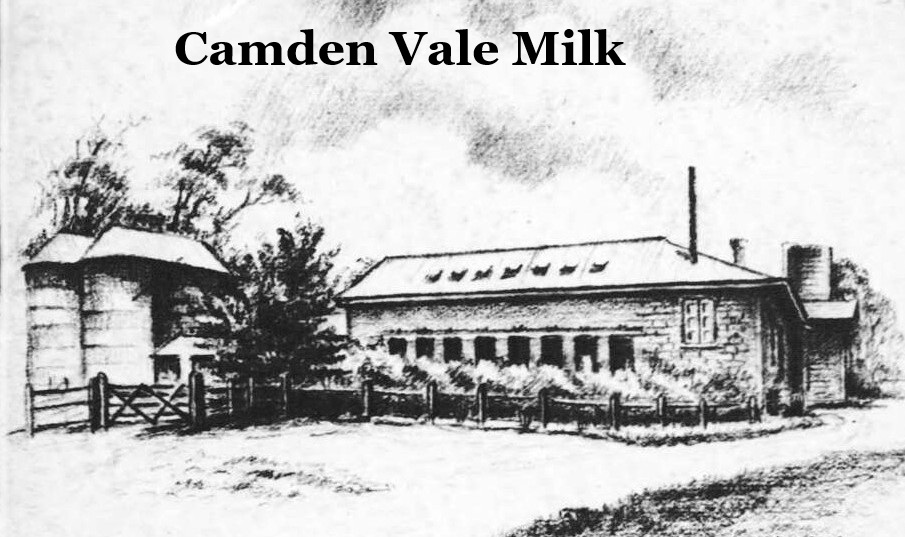
The Camden Museum features a poster detailing the significance of the Camden Vale special milk brand, which emerged from advancements in dairy farming in the area. Established in 1920, the brand was known for high-quality milk, emphasizing health benefits and innovative delivery methods, significantly impacting local agriculture and public health history.

Art · Artworks · Attachment to place · Australian Army · Australian History · Camden · Camden Story · Collective Memory · Community identity · Cowpastures · Cultural Heritage · Cultural Landscape · Cultural memory · Cultural Symbols · culture · Ecology · Heritage · History · History of Emotion · Landscape · Landscape aesthetics · Little Sandy Footbridge · Living History · Local History · Local Studies · Memorial · Memory · Murals · Myths · Nepean River · Nostalgia · Place making · Placemaking · Public art · Social History · Stereotypes · Stories · Storytelling · Symbolism · Urban history

Exploring Little Sandy: Camden’s Hidden Gem

Little Sandy, a cherished location on the Nepean River in Camden, is celebrated for its rich community history and the memories it holds for locals. Enhanced by the Camden Weir, it features a modern footbridge and Aboriginal-inspired artwork, symbolizing its cultural significance as a site of gatherings, swimming, and personal milestones.

Agricultural heritage · Agriculture history · Camden Park Agricultural Research Station · Camden Park Estate · Camden Story · Cultural Landscape · Elizabeth Macarthur Agricultural Institute · Farming · Farming history · Landscape · Landscape aesthetics · NSW Government · Urban growth · Urban Planning

Camden Park Agricultural Research Station: A 1985 Landscape Report Overview

In 1985, the NSW Government released a landscape report on Camden Park Agricultural Research Station, highlighting its cultural significance amid urban encroachment. It described a complex cultural landscape, emphasising conservation needs. The site, now the Elizabeth Macarthur Agricultural Institute, is vital to agriculture and biosecurity, preserving the region's historical and cultural integrity.

Agricultural heritage · Agriculture · Agriculture history · Attachment to place · Belgenny Farm · Built Heritage · Colonial Australia · Colonialism · Cowpastures · Cowpastures district · Cultural Heritage · Cultural icon · culture · Farming · Farming history · History · Landscape · Landscape aesthetics · Living History · Local History · Place · Place making · Placemaking · Sense of place

Exploring Belgenny Farm: Australia’s Oldest Farm Complex

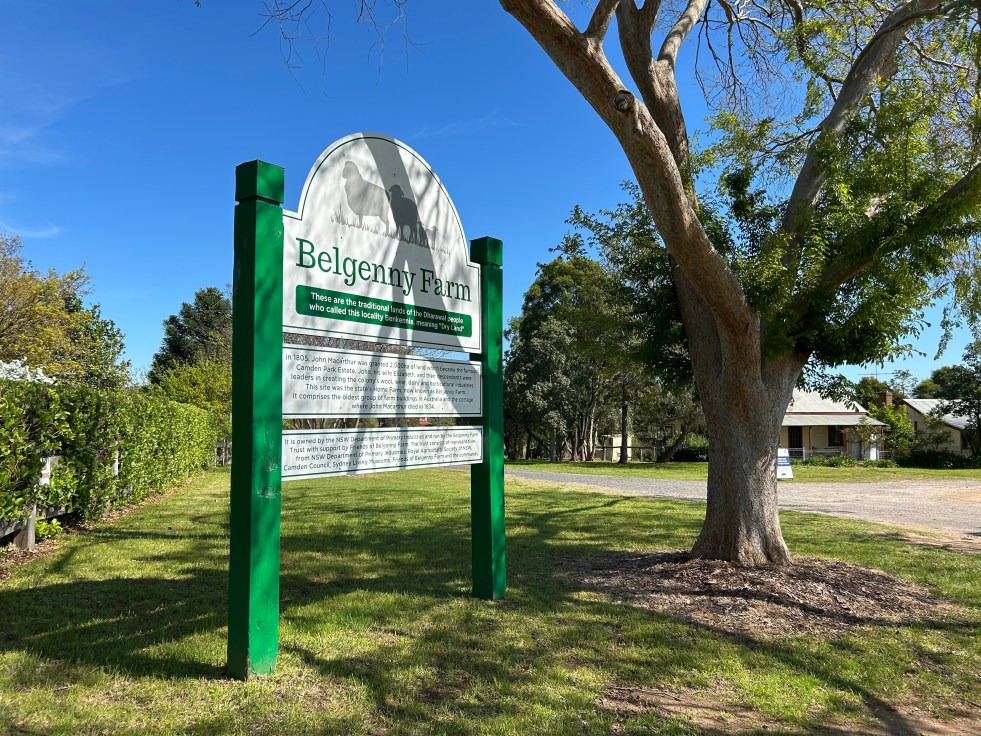
Belgenny Farm, located in Camden, NSW, is Australia’s oldest surviving group of farm buildings, dating back to the 1820s. This historical site includes significant structures like stables, a coach house, and a community hall. It holds cultural importance through its association with the Macarthur family and continues to serve educational purposes.

Artworks · Belonging · Camden Story · Camden Walking Trails · Cowpasture walking trails · Cowpastures · Cowpastures district · Cowpastures Region · Heritage · History · Indigenous Heritage · Landscape · Landscape aesthetics · Living History · Local History · Nostalgia · Peri-urban region · Place making · Placemaking · Settler Society · Stories · Storytelling · The Cowpasture walking trails · Tourism · Urban development · Urban Planning · Walking trails

Top Walking Trails in Camden: Experience Walking the Cowpastures

Camden township, located in the historical Cow Pastures, features walking and cycling paths that reflect its Indigenous and colonial history. The Nepean River Trail, integrating various public artworks, enhances the area's historic character, while memorial walkways pay tribute to Australian service members. It's a site for both recreation and cultural immersion.

1930s · Aesthetics · Agricultural heritage · Agriculture history · British Heritage · Camden Park Estate · Camden Park House and Garden · Camden Story · Canberra · Colonial garden · Commemoration · Cowpastures Gentry · Elizabeth Farm · Elizabeth Macarthur · Garden history · Gardening · Gender · Heritage · History · History of wool industry · Johm Macarthur · Landscape aesthetics · Living History · Macarthur family · Memorial · Memorialisation · Memorials · Memory · Nationalism · Philanthropy · Roses · Sibella Macarthur Onslow · Social History · Uncategorized · Volunteering · Volunteerism · Women's history · Women's stories

Canberra’s Macarthur Garden: a tribute to Australia’s wool pioneers and their contribution to the foundation of the nation

The Macarthur Rose Garden in Canberra commemorates John and Elizabeth Macarthur's pivotal role in Australia's fine wool industry. Donated by their great-granddaughter, Sibella Macarthur Onslow, the garden features roses symbolizing hope and gratitude. Established from 1937-1938, it reflects the connection between the Macarthurs and Australia’s early nationalism.

Aesthetics · Architecture · Attachment to place · Australian History · Built heritag · Built Heritage · Camden Built Heritage · Camden Modernism · Camden Story · Community identity · Country town · Cultural Heritage · Domestic Architecture · Elderslie · Heritage · History of a building · History of a house · Hope and loss · House history · Housing · Housing styles · Landscape · Landscape aesthetics · Living History · Lost Camden · Mid-century modernism · Modernism · Narellan · Nostalgia · Place making · Placemaking · Small town · Stories · Storytelling · Uncategorized · Urban development · Urban growth · Urban history · Urban Planning · Urbanism

A Journey Through Camden’s Mid-Century Housing Architecture

Camden's mid-century housing, developed between the 1940s and 1970s, reflects a worldwide modernism movement. Characterized by simple lines and open spaces, these homes arose amid urban growth linked to the new jobs created by the Burragorang coalfields. Unfortunately, many of these historic structures are disappearing, necessitating greater recognition and appreciation of their significance.