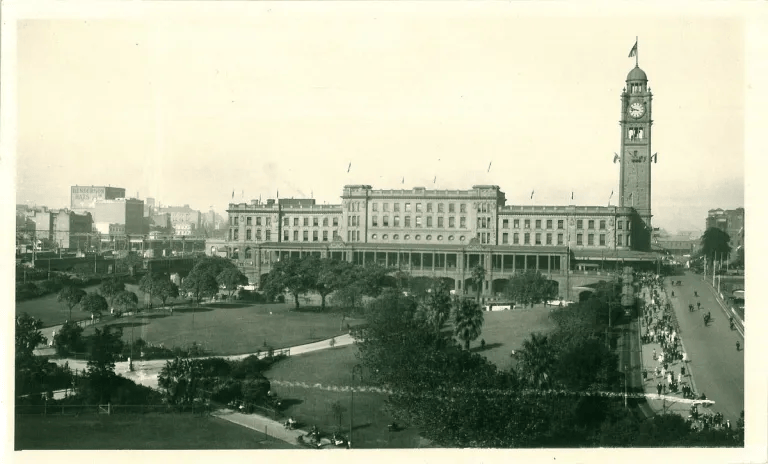
Sydney’s Central Station, opened in 1906, symbolised New South Wales’ confidence in rail travel and industrial modernism. Designed by Walter Liberty Vernon, its Beaux-Arts architecture incorporated innovative engineering, multi-level transport access, passenger subways, and advanced communications. The present station is the third on the site and remains a significant heritage landmark.
Category: Indigenous Heritage

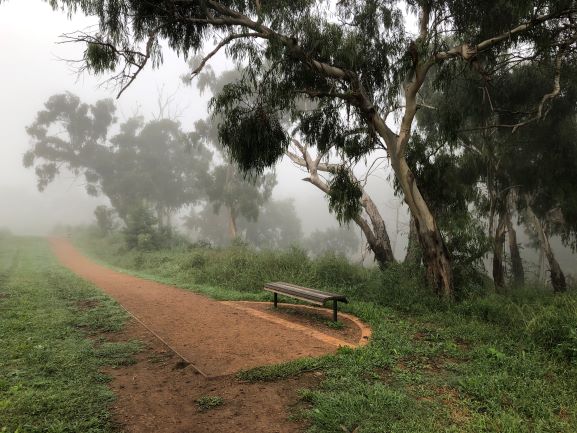
Top Walking Trails in Camden: Experience Walking the Cowpastures
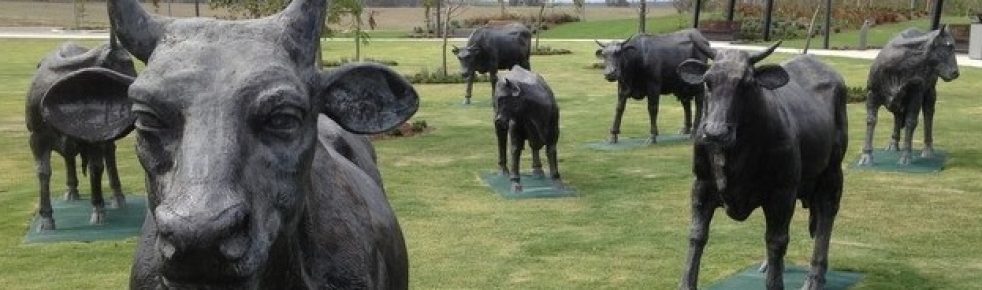
Camden township, located in the historical Cow Pastures, features walking and cycling paths that reflect its Indigenous and colonial history. The Nepean River Trail, integrating various public artworks, enhances the area's historic character, while memorial walkways pay tribute to Australian service members. It's a site for both recreation and cultural immersion.
Share this:

Share this:

Understanding NSW’s 2025 Draft Heritage Strategy
The NSW Government has unveiled the NSW Heritage Strategy, marking a significant update in over twenty years. Aiming to broaden the understanding of heritage, it includes Aboriginal culture, historic structures, and natural heritage. Public feedback is welcomed until July 13, 2025, to shape the final strategy guiding future heritage policies.
Share this:

Share this:
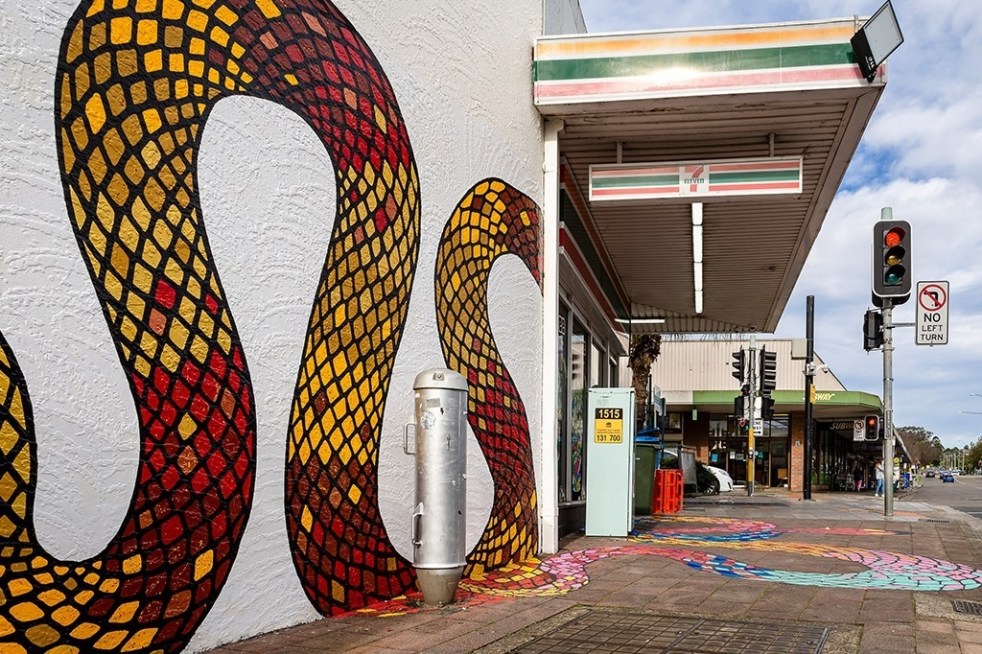
Public art at Campbelltown brightens up the Queen Street precinct
Public art is being used in the Campbelltown town centre to reinvigorate and revitalise the Queen Street precinct that has been subject to urban blight.
Share this:

Share this:

Life Blood, public art at the Australia Botanic Gardens
On the forecourt of the Herbarium at the Australian Botanic Garden is an artwork celebrating the heritage of Indigenous culture called Life Blood.
Share this:

Share this:
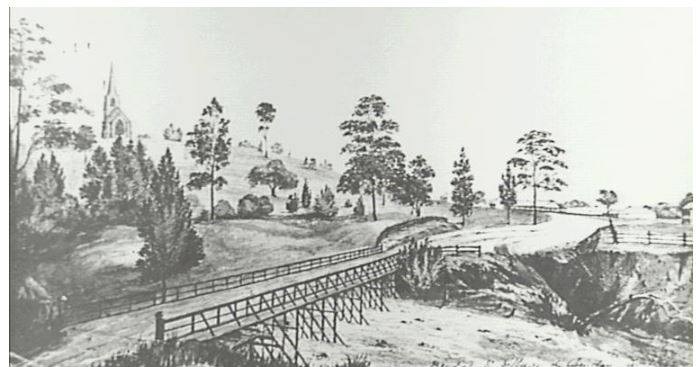
The Cowpastures’ English-styled gentry and their private villages and land grants
The Cowpastures gentry, a self-proclaimed English aristocracy, resided on expansive estates while engaging in business and politics across the British Empire. By the late 1820s, they had transformed the landscape to resemble the English countryside. Various types of people, including convicts and freemen, also inhabited the area.

