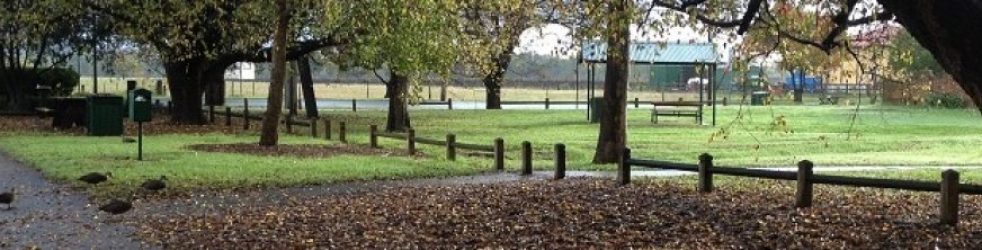
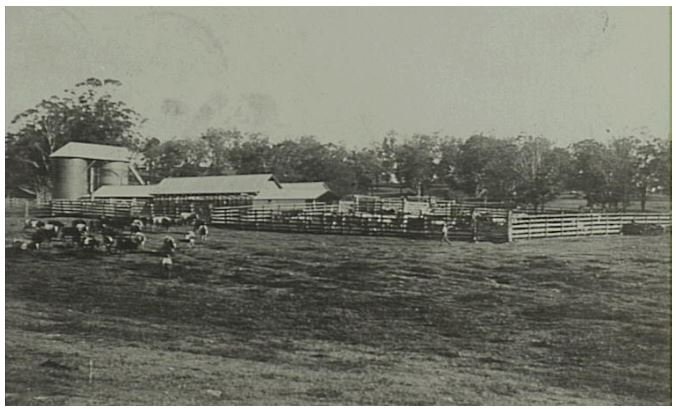
Over the last 180 years, Camden's economy shifted focus from silver mining to dairying and later coal mining. By the 1940s, Camden Park Estate became New South Wales's largest dairy operation through vertical integration, introducing share farming and innovative technologies that increased productivity. Elizabeth Macarthur Onslow played a pivotal role in reorganizing the estate, enhancing quality and efficiency. The dairy industry in Camden evolved significantly, utilizing practices and innovations from Europe and leading to larger herds and modern dairy farming techniques by the late 20th century.
Category: Agriculture history

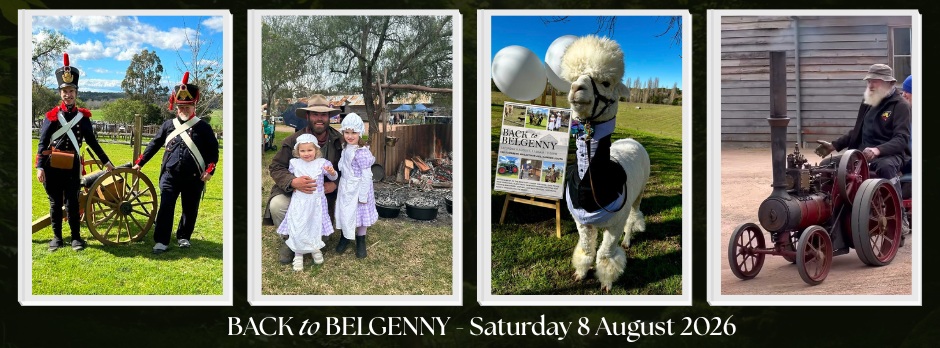
Sold Out! Highlights from Back to Belgenny 2026 Event
The recent "Back to Belgenny Day" at Belgenny Farm attracted over 3,000 visitors, celebrating Australia’s agricultural heritage. The event featured reenactments, vintage machinery, and craft demonstrations, creating a vibrant atmosphere. Proceeds support conservation efforts for this historic site, preserving its rich stories and landscapes for future generations.
Share this:

Share this:
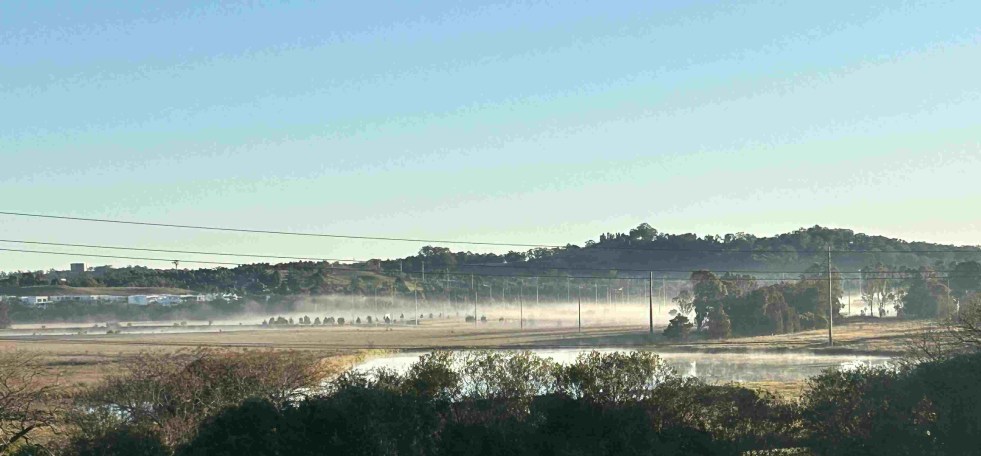
Camden’s Herberts Hill: Views, History, Culture and Walk
Herberts Hill, also known as Rheinbergers Hill, offers scenic pathways for walkers and joggers, revealing stunning views over the Nepean River floodplain. Historically significant, the site is linked to early English settlers, particularly Thomas Herbert, whose life reflects the colonial narrative of New South Wales. The hill provides important cultural insight and recreational opportunities.
Share this:

Share this:

Unlocking the stories of the dairy display at the Camden Museum
The Camden Museum's dairy corner display chronicles the evolution of dairying in the Camden area from the 1890s to the 1970s, showcasing artifacts from smallholder and industrial farms, including Camden Vale. Once a vital economic sector, local dairy farming has greatly diminished, with only a few farms remaining. The collection highlights tools and equipment like butter churns and milk bottles, illustrating the historical significance of dairying in the region's economy and culture.
Share this:

Share this:
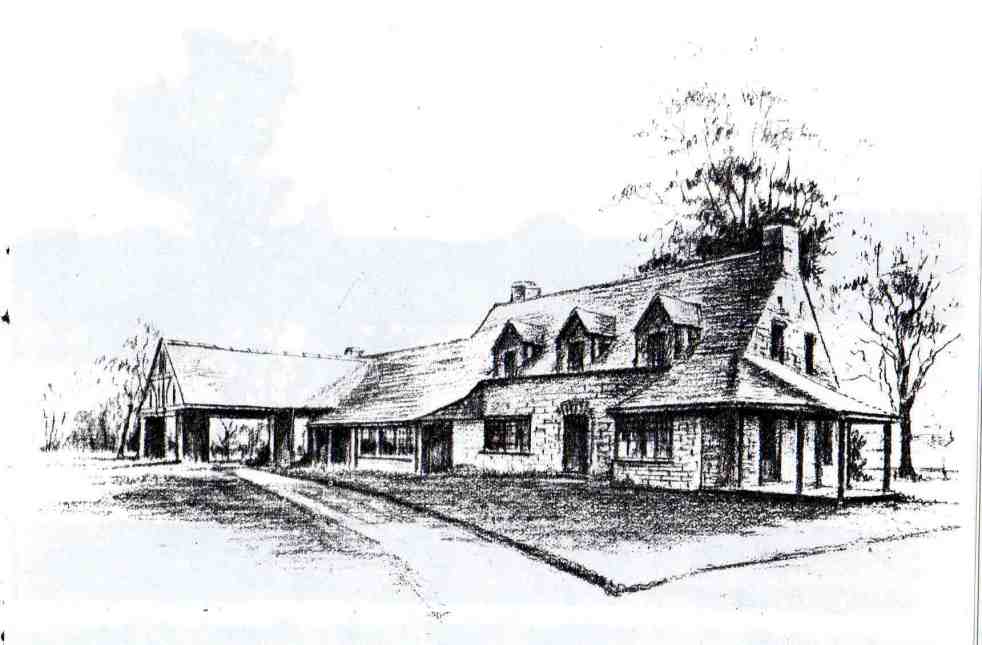
Podcast Episode: Camden Milk Bar History
The content explores Camden's unique architectural and dairy history, focusing on a Tudor-style milk bar built in 1939 to promote Camden Vale special milk. It highlights the building's role in public health, its creative design by Cyril Ruwald, and its transformation into a boutique hotel, connecting local heritage with modern branding.
Share this:

Share this:
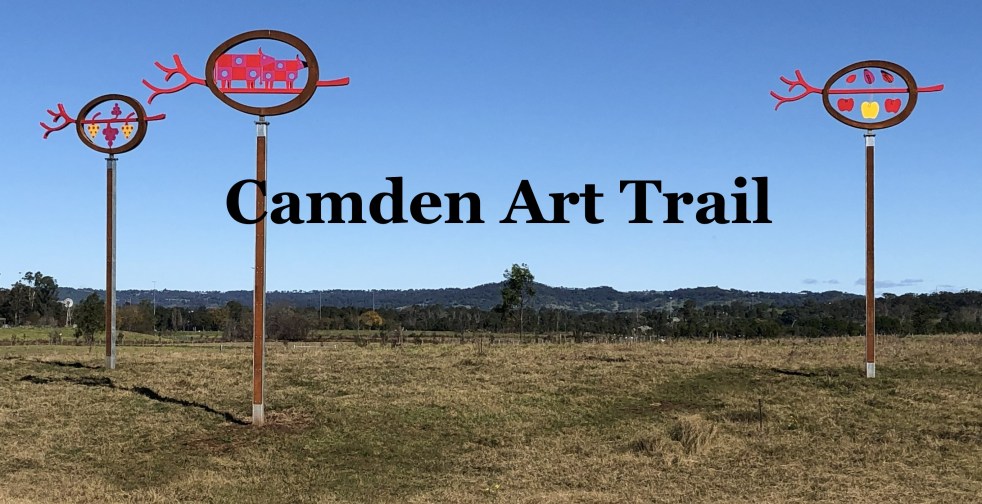
Explore the Camden Public Art Trail: A Scenic Journey
The Camden Public Art Trail, officially opened in June 2024, connects the Nepean River to Camden Town Farm and features stunning artwork installations across a 4.2-kilometer walkway. Funded by the NSW Government, the trail celebrates local heritage and ecology while providing an accessible outdoor experience for visitors, though dogs are not permitted.
Share this:

Share this:
Camden’s Unique Interwar Tudor Revival Milk Bar
The Camden Vale Inn Milk Bar, opened in 1939, was created to promote disease-free milk from Camden Park Estate during a period of health awareness. Designed in an 'Old English' style by architect Cyril Ruwald, it featured drive-through service and supported the Red Cross during WWII. It later evolved into a restaurant and hotel.
Share this:

Share this:
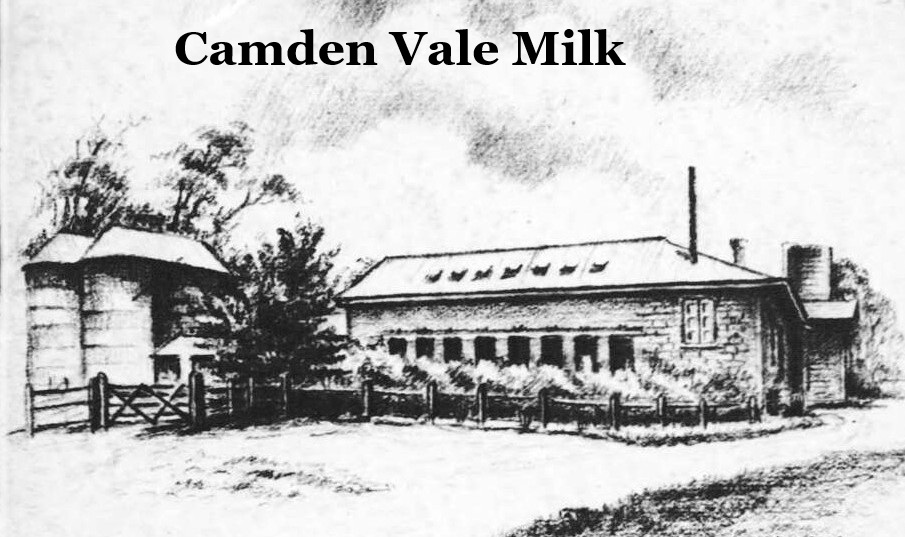
The History of Camden Vale Milk: A 20th Century Legacy
The Camden Museum features a poster detailing the significance of the Camden Vale special milk brand, which emerged from advancements in dairy farming in the area. Established in 1920, the brand was known for high-quality milk, emphasizing health benefits and innovative delivery methods, significantly impacting local agriculture and public health history.
Share this:

Share this:
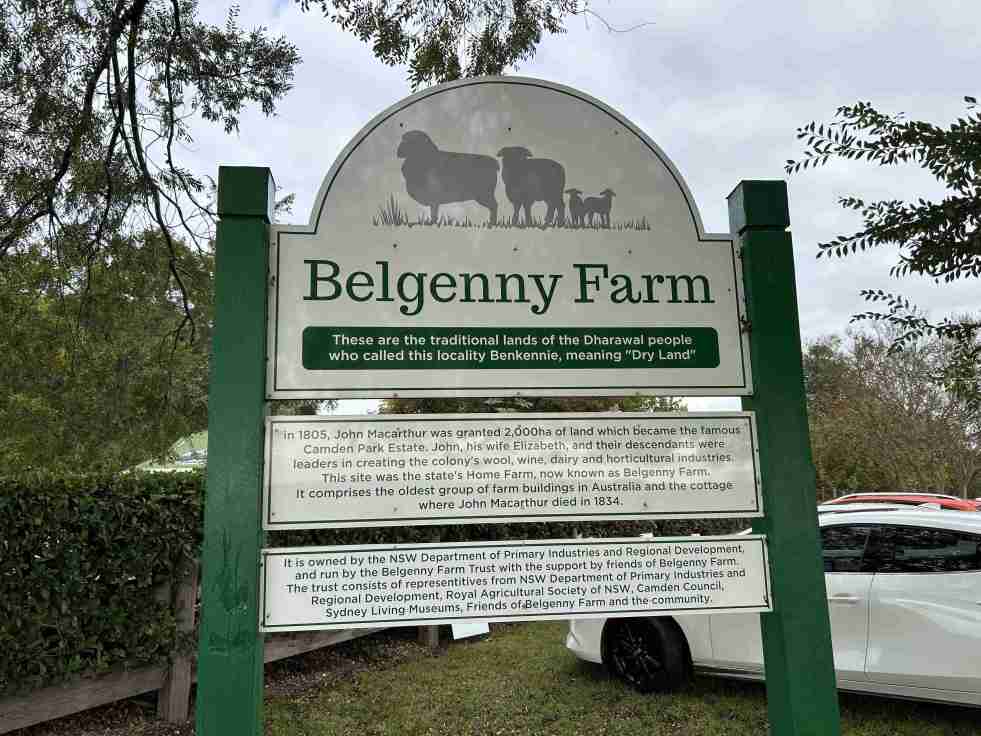
Cultural Tourism Success at Belgenny Farm
The Belgenny Farm Pioneer Farm Day successfully engaged visitors with Australia’s oldest farming complex, showcasing historical trades, games, and tours despite overcast weather. Families enjoyed activities like croquet and scavenger hunts, emphasizing the site's rich agricultural history and cultural significance. The event highlighted community involvement and fostered appreciation for heritage.
Share this:

Share this:
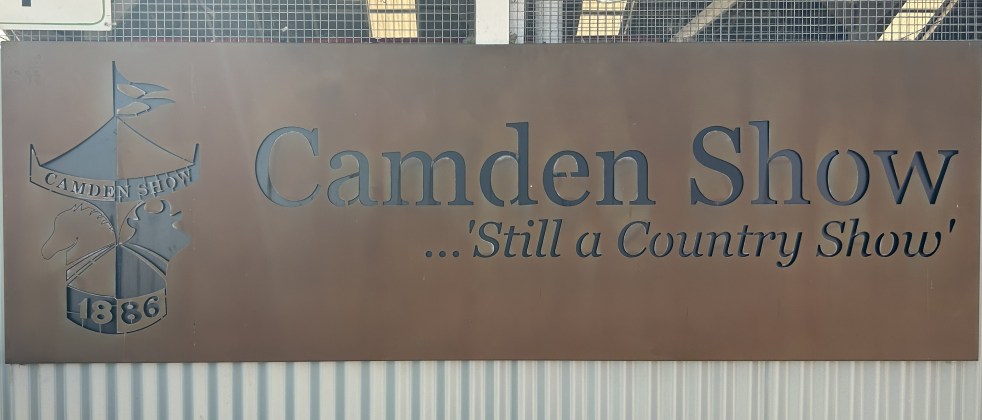
Camden Show 2026: Family Fun and Agricultural Excellence
The Camden Show, established in 1886, is an annual community festival celebrating agriculture, local talent, and heritage in the Macarthur region. Attracting over 48,000 visitors, it features livestock exhibitions, competitions, and entertainment. The event fosters community spirit, showcasing historical traditions and engaging volunteers dedicated to promoting agriculture and youth involvement.

