20th century · Agriculture · Agriculture history · Architectural History · Architecture · Brands · Built heritag · Built Heritage · Business · Business History · Camden · Camden Park Estate · Camden Story · Camden Vale · Camden Vale Inn · Camden Vale Special Milk · Cultural and Heritage Tourism · Cultural Heritage · Cultural icon · Cultural Landscape · Cultural memory · Cultural Symbols · culture · Dairy Farming · Dairying · Economy · Farming · Farming history · Health History · Interwar · Macarthur · Macarthur family · Milk · Milk-borne disease · Stories · Storytelling · Tuberculosis

Podcast Episode: Camden Milk Bar History

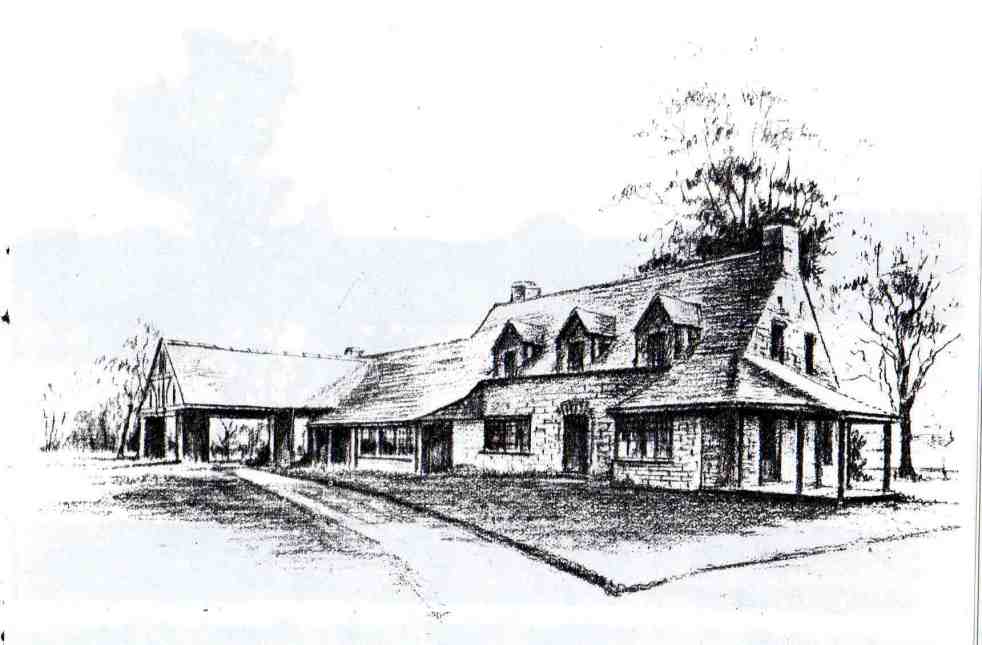
The content explores Camden's unique architectural and dairy history, focusing on a Tudor-style milk bar built in 1939 to promote Camden Vale special milk. It highlights the building's role in public health, its creative design by Cyril Ruwald, and its transformation into a boutique hotel, connecting local heritage with modern branding.

1920s · 1930s · 20th century · Advertising · Aesthetics · Agricultural heritage · Agricultural modernism · Agriculture · Agriculture history · Architectural History · Architecture · Business History · Cafes · Camden Built Heritage · Camden Interwar · Camden Modernism · Camden Park Estate · Camden Red Cross · Camden Vale · Camden Vale Inn · Camden Vale Special Milk · Community identity · Country Charm · Country town idyll · Cultural Heritage · Cultural memory · Dairy Farmers Cooperative · Dairying · England · English style aesthetics · Englishness · Interwar · Macarthur family · Medical history · Medical Humanities · Milk · Milk-borne disease · Place · Place making · Placemaking · Red Cross · Retail history · Retailing · Shopping · Stories · Storytelling · Tourism · Tuberculosis

Camden’s Unique Interwar Tudor Revival Milk Bar

The Camden Vale Inn Milk Bar, opened in 1939, was created to promote disease-free milk from Camden Park Estate during a period of health awareness. Designed in an 'Old English' style by architect Cyril Ruwald, it featured drive-through service and supported the Red Cross during WWII. It later evolved into a restaurant and hotel.

1920s · 1930s · 20th century · Advertising · Agricultural heritage · Agricultural modernism · Agriculture · Agriculture history · Australian History · Belgenny Farm · Business · Business History · Camden Park Estate · Camden Story · Camden Vale · Camden Vale Inn · Camden Vale Special Milk · Collective Memory · Cowpastures · Cultural Landscape · Dairy Farmers Cooperative · Dairying · Disease · Farming · Farming history · Landscape · Landscape aesthetics · Local History · Local Studies · Milk · Pathogens · Place making · Placemaking · Poster · Sense of place · Stories · Storytelling · Tuberculosis

The History of Camden Vale Milk: A 20th Century Legacy

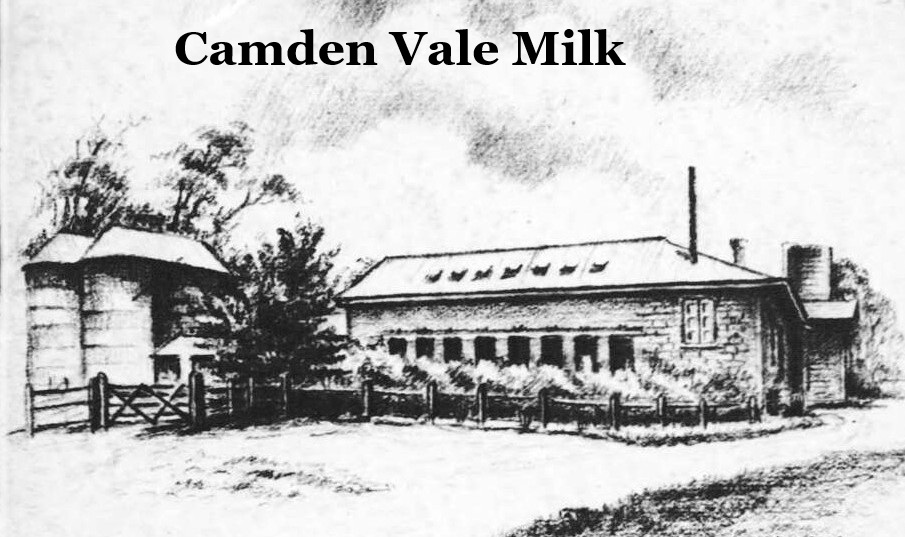
The Camden Museum features a poster detailing the significance of the Camden Vale special milk brand, which emerged from advancements in dairy farming in the area. Established in 1920, the brand was known for high-quality milk, emphasizing health benefits and innovative delivery methods, significantly impacting local agriculture and public health history.

Architecture · Attachment to place · Built heritag · Camden · Colonial Camden · Colonialism · Community Health · Community identity · Consumption · Convalescent Home · Convalescent hospital · Cultural Heritage · First World War · Heritage · Historical consciousness · Historical Research · History · Interwar · Local History · Medical history · Modernism · Philanthropy · Place making · Placemaking · Sense of place · Storytelling · Tuberculosis · Volunteering

Carrington Centennial Hospital for Convalescents and Incurables, Camden

Carrington Centennial Hospital for Convalescents, opened in 1890 in Camden, NSW, embodied Florence Nightingale’s principles, emphasizing fresh air and proper ventilation for recovery. Established by philanthropist WH Paling, it was the first major convalescent facility in New South Wales, providing a restorative environment away from the urban pollution.