1920s · 1930s · 20th century · Architectural History · Architecture · Bricklaying · Business · Business History · Camden · Camden Interwar · Camden Story · Community History · Families · Family history · Heritage · House history · Housing · Housing styles · John Peat · Local History · Local Studies · Place making · Placemaking · Stories · Storytelling · Traditional Trades · Urban history

Discovering John Peat Reserve: A Hidden Gem

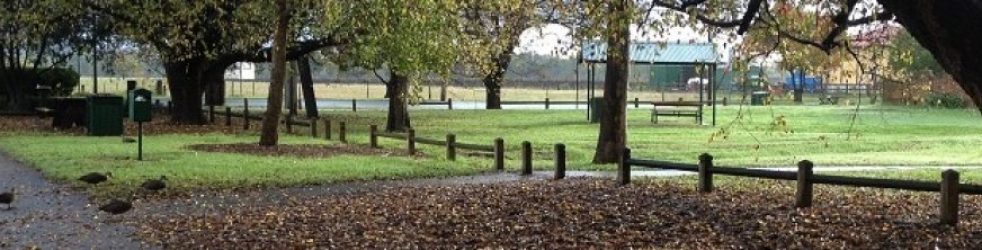
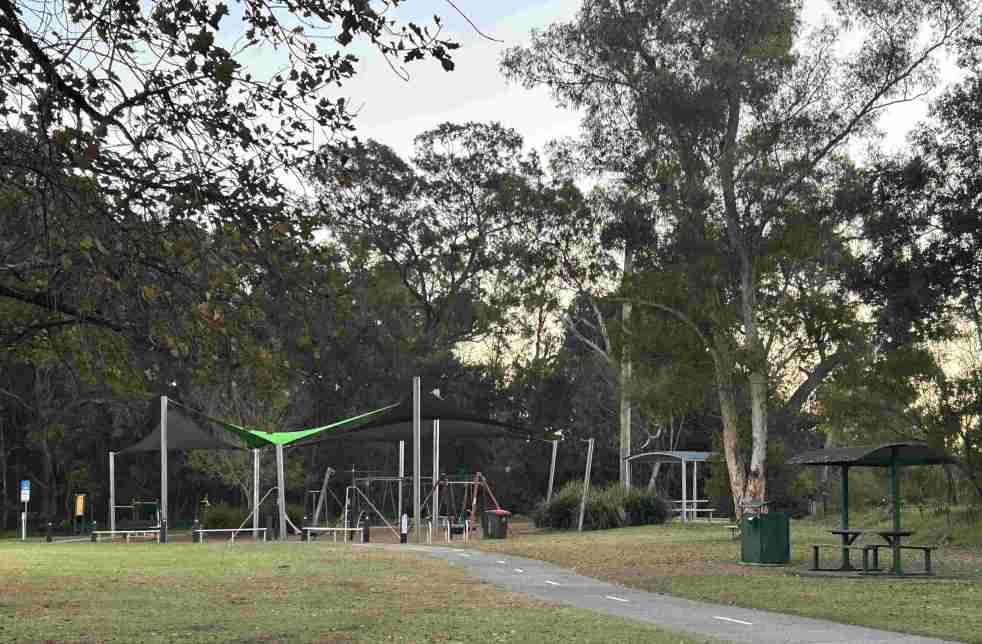
John Peat Reserve, located on Chellaston Street along the Nepean River Trail, honors John Peat, a prominent builder in early 20th-century Camden. Despite its amenities, few recognize its name or significance. The park is enjoyed by families and joggers, featuring a playground, picnic facilities, and exercise equipment, embodying a hidden local gem.

1920s · 1930s · 20th century · Advertising · Aesthetics · Agricultural heritage · Agricultural modernism · Agriculture · Agriculture history · Architectural History · Architecture · Business History · Cafes · Camden Built Heritage · Camden Interwar · Camden Modernism · Camden Park Estate · Camden Red Cross · Camden Vale · Camden Vale Inn · Camden Vale Special Milk · Community identity · Country Charm · Country town idyll · Cultural Heritage · Cultural memory · Dairy Farmers Cooperative · Dairying · England · English style aesthetics · Englishness · Interwar · Macarthur family · Medical history · Medical Humanities · Milk · Milk-borne disease · Place · Place making · Placemaking · Red Cross · Retail history · Retailing · Shopping · Stories · Storytelling · Tourism · Tuberculosis

Camden’s Unique Interwar Tudor Revival Milk Bar

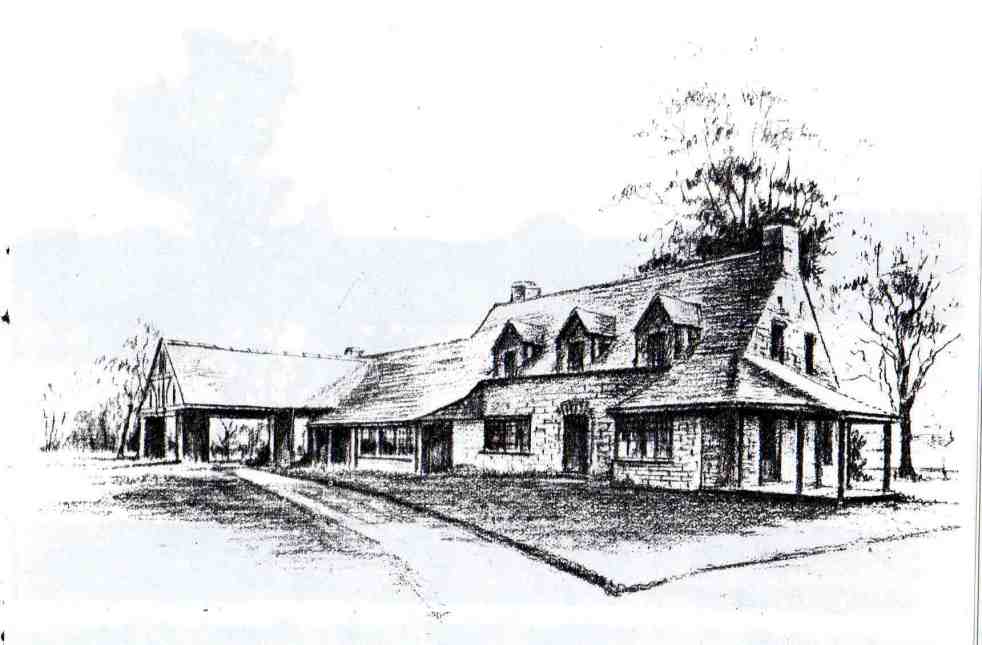
The Camden Vale Inn Milk Bar, opened in 1939, was created to promote disease-free milk from Camden Park Estate during a period of health awareness. Designed in an 'Old English' style by architect Cyril Ruwald, it featured drive-through service and supported the Red Cross during WWII. It later evolved into a restaurant and hotel.