Hidden little park
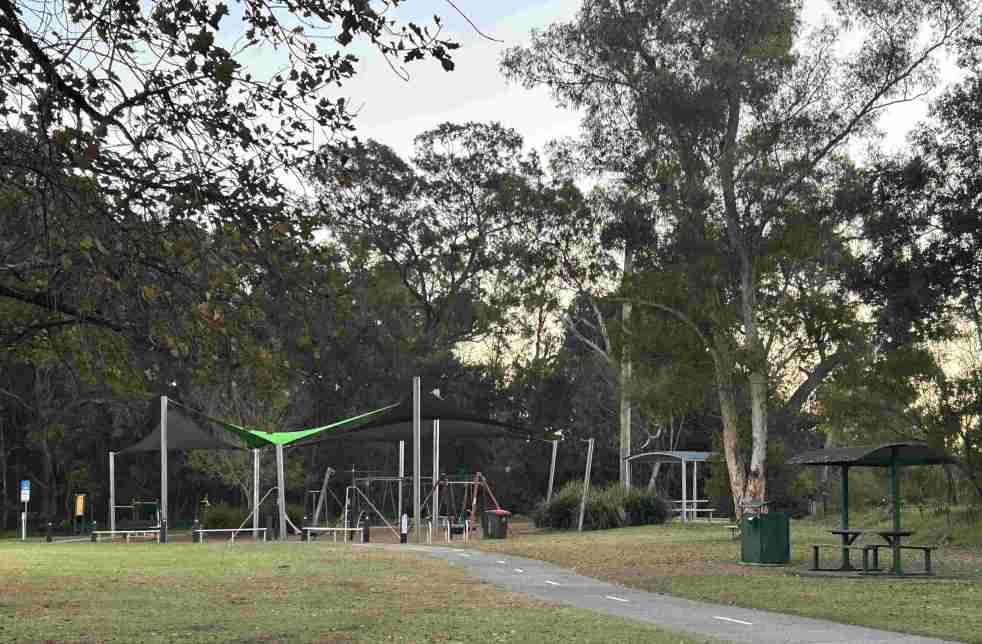
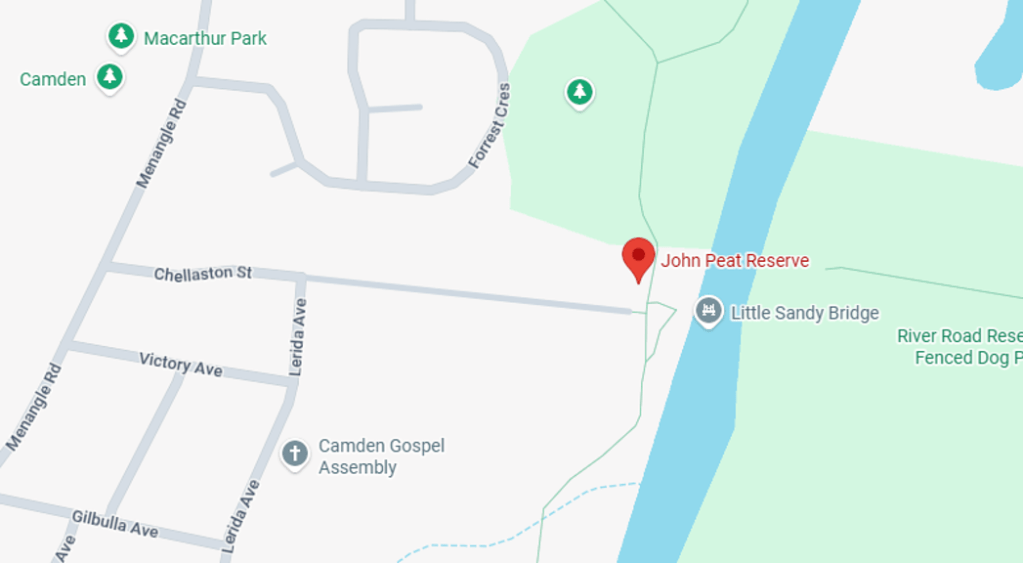
Hidden in plain sight at the bottom of Chellaston Street on the Nepean River Trail, at the Little Sandy Nepean River crossing, is a little reserve park that many pass, few know the name of, and fewer know the background of the person it is named after. The reserve park named after a local identity, John Peat, a prominent local businessman and tradesman in Camden in the early 20th century.
Lots of walkers and runners pass it every day on their daily exercise routine, rarely acknowledge its presence and would be unlikely to name the reserve. At weekends the reserve is popular with families and picnickers. It is unlikely that they would know the name of the reserve that they are enjoying. The reserve has had improvements, and in 2015 Camden Council installed a playground and exercise equipment.
The John Peat Reserve park has a carpark, toilets, picnic facilities, a playground, and exercise equipment. All adjacent to the Nepean River Trail pathway. It truly is a hidden gem.
Who was John Peat?
John Peat (1864-1955)
Ancestry
Born in Melbourne, Derbyshire, England, in 1864, to John Peat and Sarah Tivey. Arrived from England on SS Florida in 1885. He first married Miriam Page, aged 20, in Derbyshire, England, and had three children: William (1884), John (1886), and Sarah (1887). Miriam died in 1890 and is buried in St John’s cemetery. Peat’s second marriage was to Elizabeth Bensley, aged 40, in 1897 at Camden, and they had one child, Arthur Melville ‘Mel’ (1900). Elizabeth died in 1921. Peat married a third time to Elsie Boardman, aged 42, in 1925 at Summer Hill, and Elsie died in 1932. Peat married a fourth time in 1936 to Annie Adams, aged 44, at St John’s, Camden. John died in 1955 and was buried in Cawdor Methodist Cemetery. (Jackson et al 2008)
Career
John Peat was a prominent bricklayer and builder in Camden, New South Wales. Active in the late 19th and early 20th centuries.
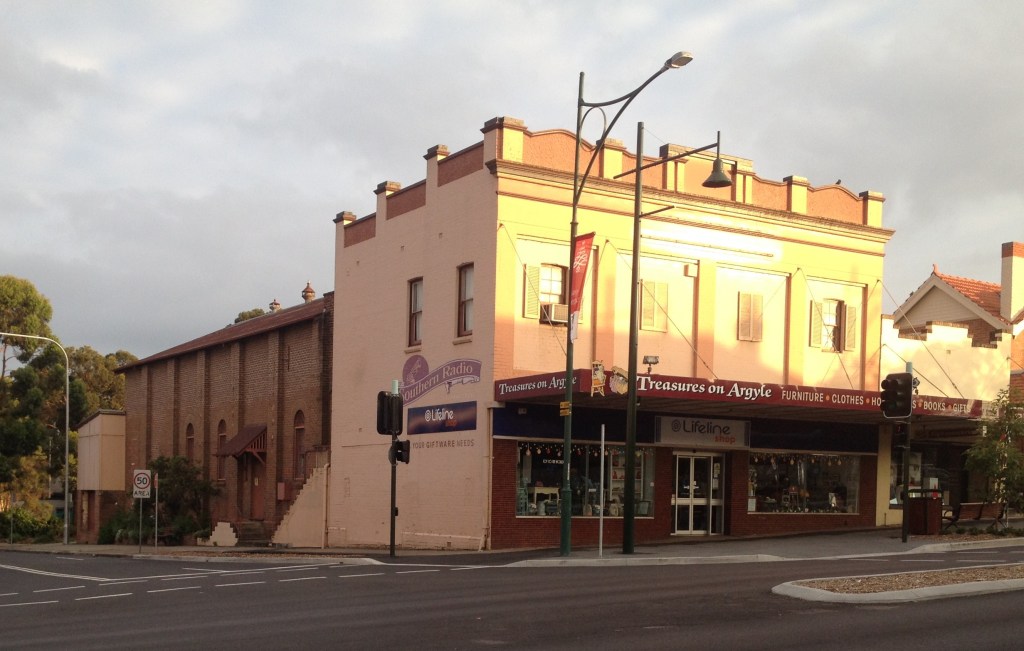
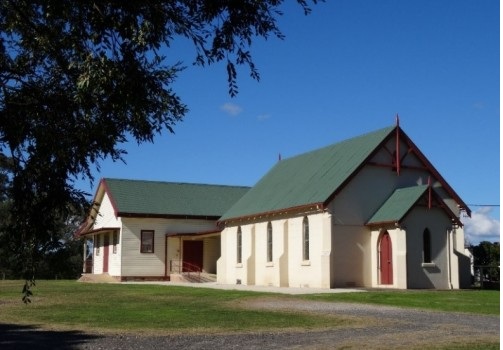
According to John Wrigley, John Peat made a significant contribution to the construction of a number of homes along Menangle Road and Chellaston Street. Wrigley states that the Peats had a ‘distinctive style and pattern’ of brickwork. Along with John’s son Mel Peat, Wrigley estimates that they constructed at least 12 homes in Menangle Road and a significant number of other Camden buildings and houses, including part of Carrington Hospital, Nant Gwylan (1905) in Exeter Street, the Royal Foresters’ Hall (1908) at 147 Argyle Street, Cawdor Methodist Church (1902) and the Camden Church Hall (1906). (Wrigley 1983)
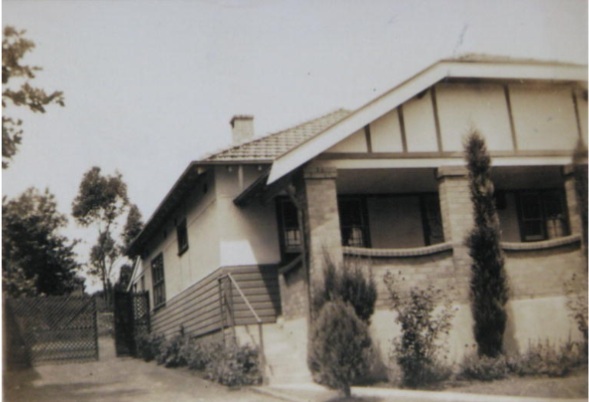
John Peat owned a brickworks at the corner of Barsden Street and Cawdor Road. (Wrigley 1990)
Nant Gwylan, built in 1905 by John Peat, a Camden bricklayer of note, is an entire four-room Edwardian house and outbuilding set in a cottage garden of the same period. The house was extended in 1950 and included a bedroom and an enclosed veranda. (McSwan, Vincent & Vlack, 1985)
Nant Gwylan and Garden was listed on the New South Wales State Heritage Register on 2 April 1999.
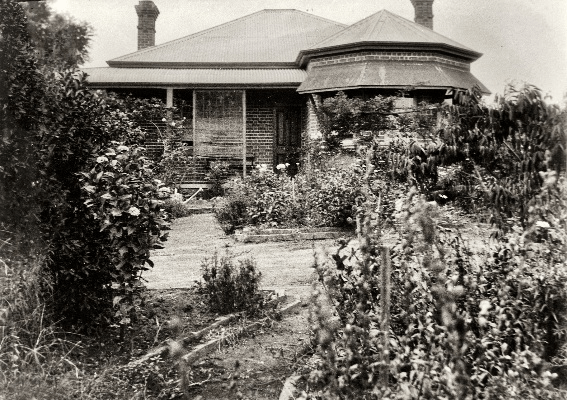
Chellaston Street
Originally, Chellaston was a single-storey brick residence at 38 Menangle Road, built by Camden builder John Peat and used as his family home.
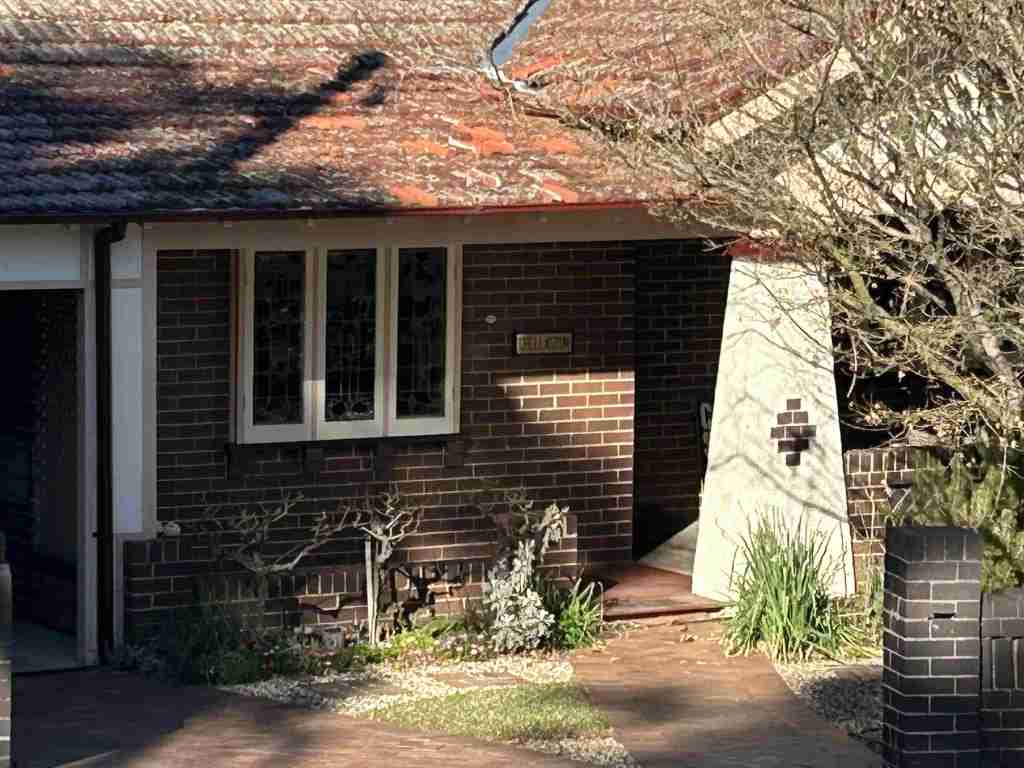
(I Willis 2026)
In 1936, Chellaston Street was constructed through the property of John Peat between Menangle Road and the Nepean River. Peat did not want the street to be named ‘Peat’s Road’ and suggested Chellaston after the town of his birth in England. (Camden News, 19 November 1936)
Chellaston is a suburb on the southern outskirts of Derby, in Derbyshire, England and up to the early 20th century was a separate village.
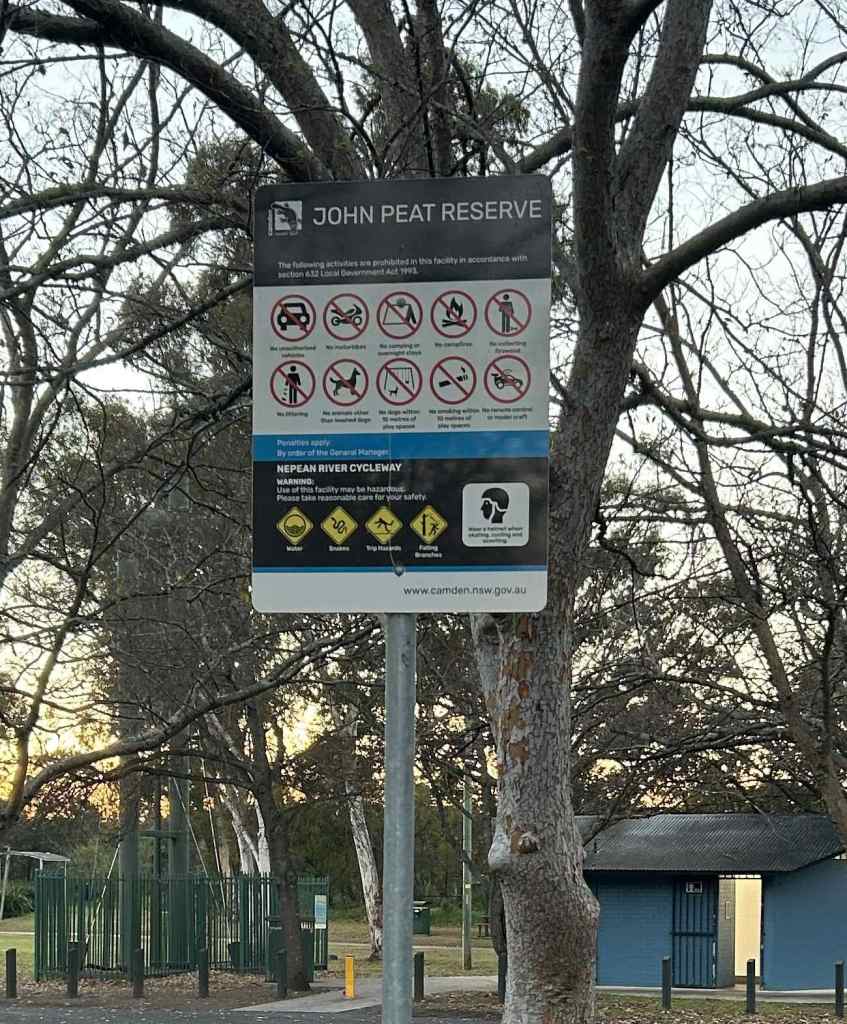
John Peat Reserve
Camden Council website states
Hidden along the Nepean River Cycleway, this park is perfect for a picnic lunch or family gathering. Take a short walk to Kings Bush bushland reserve and Wetlands Reserve for bird viewing enthusiasts. (CC 2026)
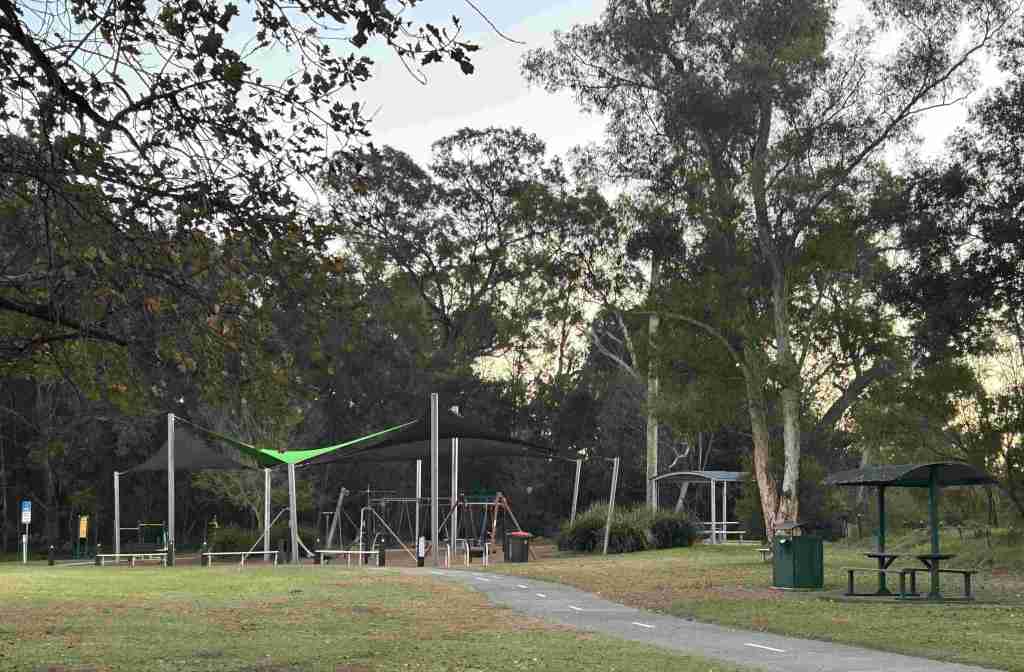
The reserve has a carpark, toilets, picnic tables and BBQ facilities.
Reflection
Next time you are out and about in the Camden town area, take a little break and drop into John Peat Reserve. Enjoy the quiet and tranquil spot that many walkers and joggers pass daily. The adjacent footbridge at Little Sandy has a long history going back to the 1940s.
John Peat was an important businessman and tradesman in the early 20th century who left his mark on the numerous houses and public buildings that he built in the town area. They have, according to local historian John Wrigley, the Peat style and finish to the brickwork.
References
CC 2026. John Peat Reserve, Camden. Camden Council, Oran Park. Online at https://www.camden.nsw.gov.au/parks-and-recreation/parks-and-playgrounds/view/chelleston-reserve-camden Accessed 24/7/26
Jackson, Tony, and Cathey Shepherd, Sharon Greene, Brian Burnett 2008. Camden Pioneer Register, 1800-1920. 3rd Edition. Camden Area Family History Society, Camden.
McSwan, Karen & Lynda Vincent, Roxana Vlack 1985. Nant Gwylan Camden. Unpublished Report. Online at https://heritagensw.intersearch.com.au/heritagenswjspui/bitstream/1/1825/1/H10158%20-%20NANT.pdf Accessed 24/7/26
Wrigley, John 1983. Historic Buildings of Camden. Camden Historical Society, Camden.
Wrigley, John 1990. Camden Characters. Camden Historical Society, Camden.
Discover more from Camden History Notes
Subscribe to get the latest posts sent to your email.

