1920s · 1930s · 20th century · Advertising · Aesthetics · Agricultural heritage · Agricultural modernism · Agriculture · Agriculture history · Architectural History · Architecture · Business History · Cafes · Camden Built Heritage · Camden Interwar · Camden Modernism · Camden Park Estate · Camden Red Cross · Camden Vale · Camden Vale Inn · Camden Vale Special Milk · Community identity · Country Charm · Country town idyll · Cultural Heritage · Cultural memory · Dairy Farmers Cooperative · Dairying · England · English style aesthetics · Englishness · Interwar · Macarthur family · Medical history · Medical Humanities · Milk · Milk-borne disease · Place · Place making · Placemaking · Red Cross · Retail history · Retailing · Shopping · Stories · Storytelling · Tourism · Tuberculosis

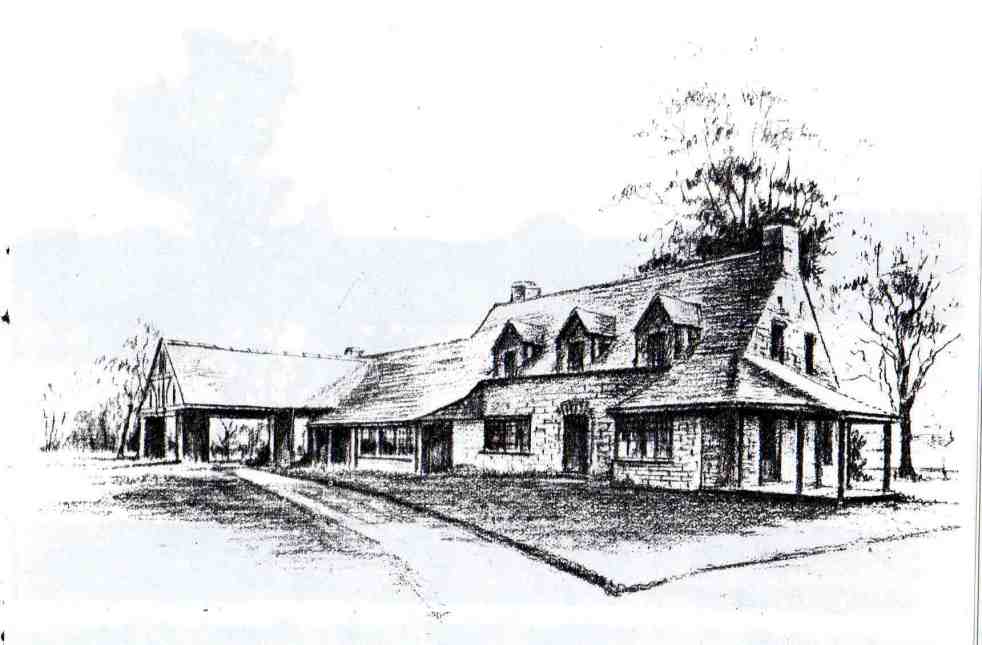
Camden’s Unique Interwar Tudor Revival Milk Bar

The Camden Vale Inn Milk Bar, opened in 1939, was created to promote disease-free milk from Camden Park Estate during a period of health awareness. Designed in an 'Old English' style by architect Cyril Ruwald, it featured drive-through service and supported the Red Cross during WWII. It later evolved into a restaurant and hotel.

1920s · 1930s · 20th century · Advertising · Agricultural heritage · Agricultural modernism · Agriculture · Agriculture history · Australian History · Belgenny Farm · Business · Business History · Camden Park Estate · Camden Story · Camden Vale · Camden Vale Inn · Camden Vale Special Milk · Collective Memory · Cowpastures · Cultural Landscape · Dairy Farmers Cooperative · Dairying · Disease · Farming · Farming history · Landscape · Landscape aesthetics · Local History · Local Studies · Milk · Pathogens · Place making · Placemaking · Poster · Sense of place · Stories · Storytelling · Tuberculosis

The History of Camden Vale Milk: A 20th Century Legacy

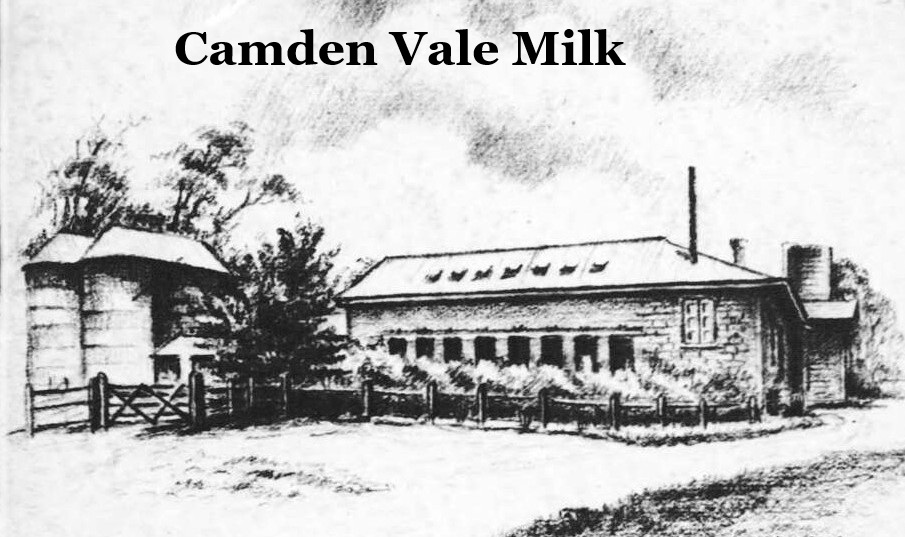
The Camden Museum features a poster detailing the significance of the Camden Vale special milk brand, which emerged from advancements in dairy farming in the area. Established in 1920, the brand was known for high-quality milk, emphasizing health benefits and innovative delivery methods, significantly impacting local agriculture and public health history.

19th Century · 20th century · Business History · Camden Historical Society · Camden Museum · Camden Story · Costume History · Craft · Crafts · Cultural Heritage · Economy · Engineering Heritage · Fashion · Fashion History · Industrial Technology · Local Studies · Place making · Placemaking · Sense of place · Social History · Stories · Storytelling · The Arts · Uncategorized · War at home · Wartime · Women's agency · Women's art · Women's history · Women's stories

Historic Sewing Machines from Camden Museum: A Close Look

The Camden Museum features a collection of historical sewing machines, highlighting their significance in women's domestic lives and agency since the 19th century. These machines facilitated garment production and enabled some women to establish dressmaking businesses, showcasing their skills while enhancing independence during times of social change, including both World Wars.

19th Century · Agricultural heritage · Agriculture · Agriculture history · Attachment to place · Australian History · Belonging · British colonialism · Business History · Colonial Australia · Colonial Camden · Colonial frontier · Colonial garden · Colonial NSW · Colonial Settler Community · Colonialism · Cowpastures · Cowpastures district · Cowpastures Estates · Cowpastures Gentry · Cowpastures Region · Cowpastures River · Cultural Heritage · Dairying · Economy · England · Families · Family history · Farming · Heritage · John Hawdon · Letters · Local Studies · Place · Place making · Placemaking · Regionalism · Settler colonialism · Settler Society · Social History · Uncategorized

Insights from the Hawdon Letters: Colonial Life in NSW, Part 3, 1833-1837

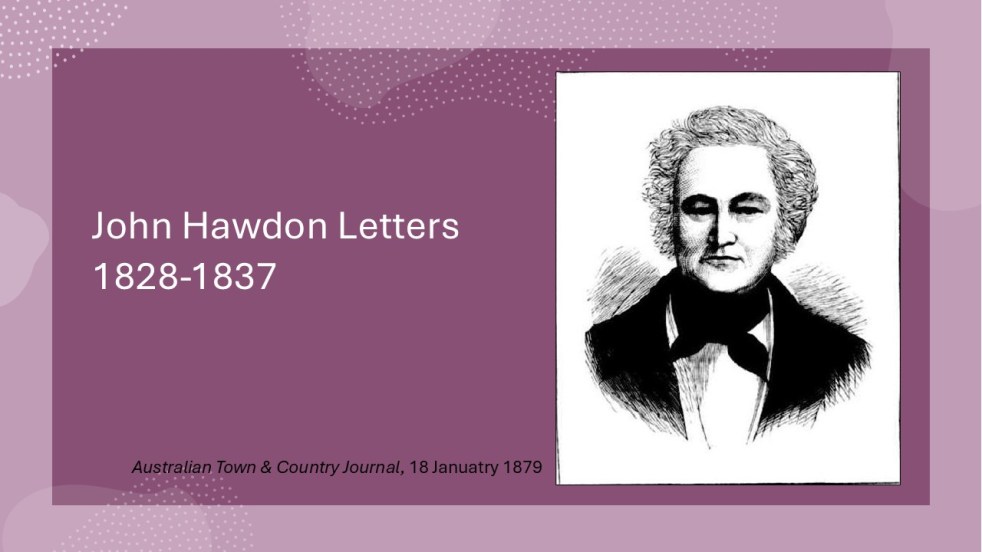
The letters of John Hawdon and others from 1828 to 1837, preserved in the State Library of NSW, provide insights into colonial life in New South Wales. They highlight themes of isolation, communication challenges, economic struggles, and attitudes toward gender and Indigenous populations, alongside Hawdon's farming experiences and family connections.

Advertising · Agricultural heritage · Agriculture · Agriculture history · Artists · Artworks · Brands · Business · Business History · Cafes · Camden Story · Community identity · Cultural Heritage · Cultural icon · culture · Industrial Heritage · Local History · Local Studies · Lost Sydney · Marketing · Place making · Placemaking · Public art · Restaurant · Retail history · Retailing · Sense of place · Stories · Storytelling · Symbolism · Travellers · Uncategorized

Discover the Golden Fleece Globe Light at Camden Museum

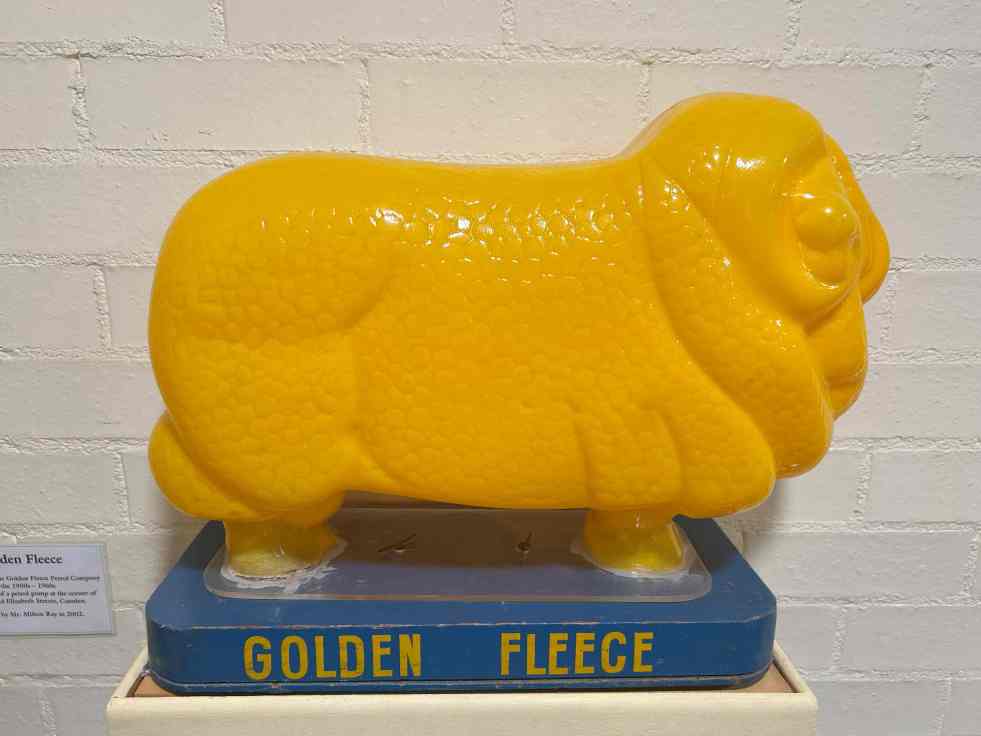
The Camden Museum showcases the Golden Fleece Globe Light, a plastic ram, symbolizing Australia's wool industry and its historical significance. Donated by Milton Ray in 2002, it highlights the Golden Fleece brand's marketing legacy. The ram, based on a prized merino, represents both local history and broader national heritage.

19th Century · 20th century · Active citizenship · Agency · Artefacts · Blue Plaques · Blue Plaques NSW · Business · Business History · Camden · Camden Modernism · Camden Museum · Camden Story · Commemoration · Community identity · Craft · Crafts · Cultural icon · Dress history · Economy · Fashion · Fashion History · Handcraft · Heritage · History · History of a building · Industrial Heritage · Local History · Local Studies · Memorialisation · Nationalism · Place making · Placemaking · Red Cross · School of Arts · Second World War · Sense of place · Sewing · Sewing Machine · Social History · Stories · Storytelling · Volunteering · Volunteerism · War · War at home · Wartime · Women's agency · Women's stories · World War One · World War Two

Camden’s Treadle Sewing Machine: A Revolution in Women’s Agency

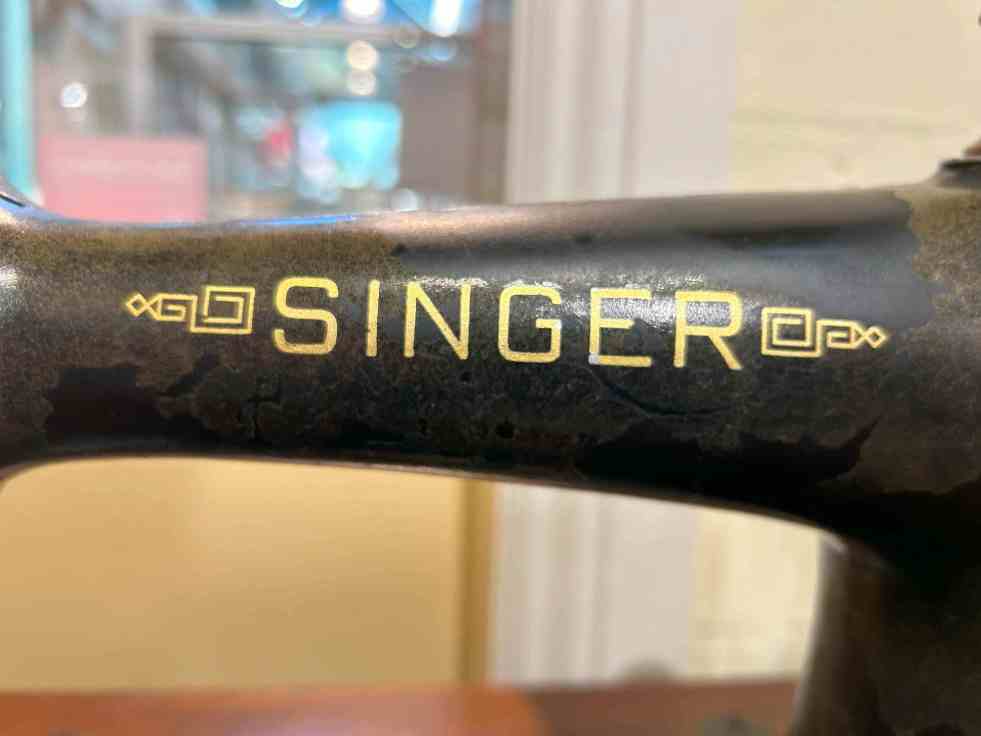
The Camden Museum's treadle sewing machine symbolizes the significant role of sewing in women's lives from the 19th century onwards. Sewing machines democratized work, enhancing womenโ€™s agency by saving time and allowing for business opportunities. Women contributed immensely to the war efforts through Red Cross circles, producing thousands of items during both World Wars.

Art · Artists · Artworks · Business · Business History · Camden · Camden bank · Camden Story · Community identity · Cultural Heritage · culture · Graffiti art · Handcraft · Heritage · Local Studies · Memorial · Nostalgia · Place making · Placemaking · Public art · Sense of place · Stories · Storytelling

Discover the Hidden Signatures of Camden’s Former Bank

In Camden's old bank building, a hidden strongroom features signatures of former bank employees, each telling a unique story. Now part of Camden Markets Collective, these signatures are viewed as graffiti art, reflecting local history and culture. The community seeks to preserve this unique public art for future generations.

Adaptive Re-use · Adaptive Reuse · Built Heritage · Business · Business History · Cafes · Community identity · Cultural Heritage · Economy · Film · Film Making · History of a building · Industrial Heritage · Local History · Macarthur · Macarthur region · Picton · Picton Corbett Hardware · Picton Menangle Street · Picton Retail · Picton The Celebration Society · Place · Place making · Placemaking · Sense of place · Shopping · Storytelling · Streetscapes · Uncategorized · Urban growth · Urban history · Urban Planning

The Celebration Society: Revitalizing Picton’s Retail Scene Through Adaptive Re-use

The Celebration Society opened in 2024 in the former Corbett hardware store, revitalizing Picton's retail scene. Owners Deborah and Michael Quinn, along with business partners, preserved the buildingโ€™s historic integrity. The venue includes a cafรฉ and space for events, enhancing community engagement and contributing to the area's renewal.

19th Century · 20th century · Aesthetics · Art · Artists · Artworks · Attachment to place · Burragorang Valley · Business History · Camden District · Commemoration · Cultural Heritage · Engineering Heritage · Engineering History · Local History · Local Studies · Memorials · Memory · Mining · Mining History · Monuments · Oran Park · Oran Park Raceway · Place making · Placemaking · Public art · Sense of place · Stories · Storytelling · Teamsters · Town planning · Transport · transport history · Uncategorized · Urban development · Urban growth · Urban history · Urban Planning · urban sprawl · Urbanism

Exploring the ‘Infinity Tracks’ Art Installation in Oran Park

The 'Infinity Tracks' art installation in Oran Park honors the region's heavy haulage industry, highlighting the historical impact of the transport industry and Oran Park Town urban development. Commissioned in 2020 by Greenfields Development Co and TRN House, it enhances the forecourt's aesthetic while reflecting the area's economic growth and employment contributions from the haulage sector and urban development.

19th Century · 20th century · Adaptive Re-use · Adaptive Reuse · Agricultural heritage · Agricultural modernism · Agriculture · Agriculture history · Architectural History · Architecture · Artefacts · Attachment to place · Belgenny Farm · Belonging · British colonialism · Built Heritage · Business History · Camden Park Estate · Camden Park House and Garden · Camden Story · Carpentry · Collective Memory · Colonial Australia · Colonial Camden · Colonial frontier · Community Engagement · Community identity · Cultural and Heritage Tourism · Cultural Heritage · Dairying · Farming · Farming history · History · History Festival · Living History · Local History · Local Studies · Lost trades · Macarthur family · Place making · Placemaking · Sense of place · Settler Society · Stories · Storytelling

Explore Belgenny Farm: A Journey Through Time 2024

The 2024 Back to Belgenny festival showcased living history at Belgenny Farm, featuring reenactments, traditional trades, and various activities such as sheepdog trials and guided tours. The event included a demonstration by Governor Macquarieโ€™s regiment and highlighted the farm's historical significance, providing visitors with an immersive glimpse into colonial agricultural life.