20th century · Anzac Day · Camden Airfield · Camden at war · Camden Story · Engineering History · Heritage · History of a building · Local History · Military history · Place making · Placemaking · RAAF · RAF · Second World War · USAF · War · War at home · Wartime · World War Two

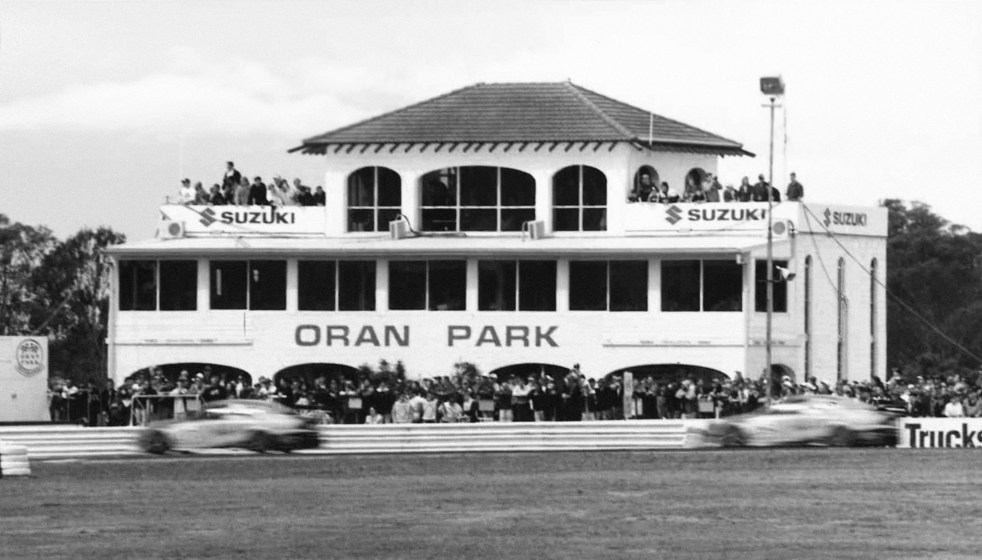
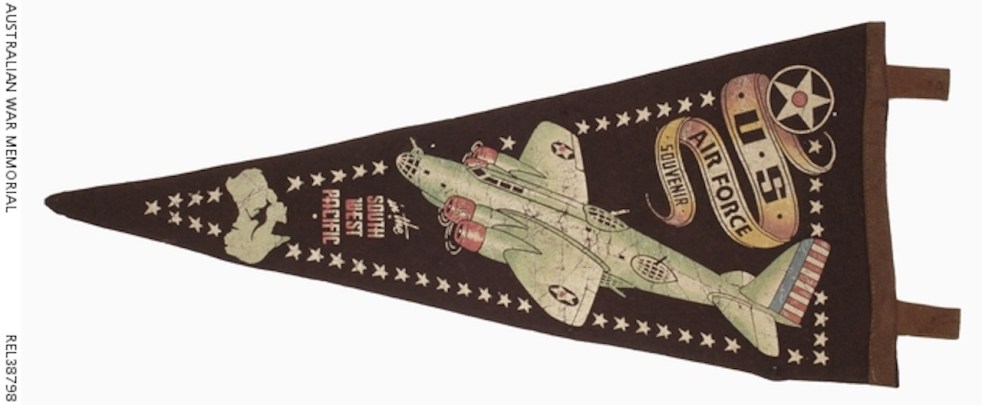
US 5th Air Force and Camden Airfield’s Untold Story from World War Two

The US Air Force showed interest in Camden Airfield during World War II, conducting assessments in 1942 and 1944. Initially deemed a minor installation, it underwent significant upgrades by 1944. While American forces never occupied it, Camden's potential transformation into a garrison town raised concerns about its community impact from the presence of RAAF and RAF personnel at the airfield between 1940 and 1946.

19th Century · 20th century · Adaptive Re-use · Adaptive Reuse · Architectural History · Architecture · Australian History · Built heritag · Built Heritage · Camden Court House · Camden John Street · Camden John Street Precinct · Colonial Australia · Colonial NSW · Colonialism · Cowpastures · Cultural Heritage · Cultural icon · Cultural Landscape · Heritage · History of a building · Legal History · Living History · Local History · Place · Place making · Placemaking · Small town

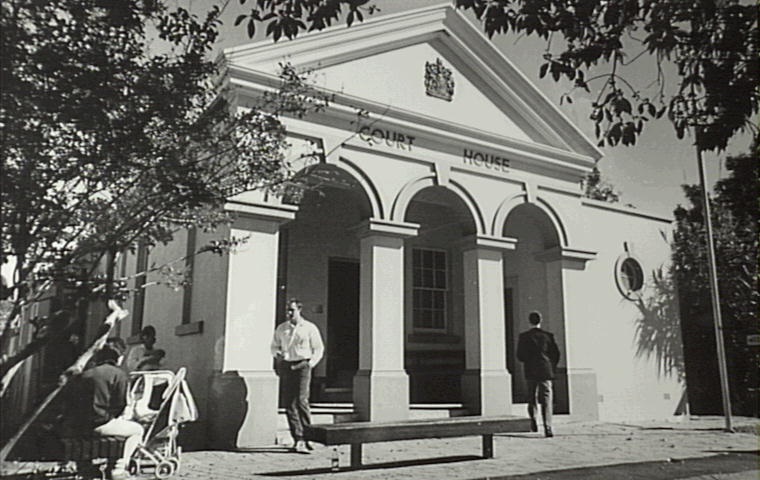
The Closure of Camden Courthouse: A Legal Legacy Lost

The Camden courthouse, a heritage building with a rich legal history, was closed in 2021 due to safety concerns and insufficient capacity for a growing urban area. Despite community opposition, its closure marked the end of its 165-year service. There's potential for revitalization as a community asset, similar to other repurposed courthouses.

19th Century · Aesthetics · Agricultural heritage · Agriculture · Agriculture history · Architecture · Attachment to place · Belgenny Farm · British colonialism · British Heritage · Built Heritage · Camden Area Family History Societyu · Camden Historical Society · Camden Museum · Camden Park Estate · Camden Story · Colonial Architecture · Colonial Australia · Colonial Camden · Colonial frontier · Colonial NSW · Colonial Settler Community · Colonialism · Community History · Costume History · Cowpastures · Cowpastures district · Cowpastures Gentry · Cowpastures Region · Craft · Cultural and Heritage Tourism · Cultural Heritage · Cultural icon · Cultural Landscape · Cultural memory · Cultural Symbols · culture · Dairy Farming · Dairying · Elizabeth Macarthur · Family history · Farming · Farming history · Friends of Belgenny Farm · Handcraft · Heritage · History · History of a building · Landscape · Landscape aesthetics · Legends · Living History · Local History · Local Studies · Macarthur family · Milk · Museums · Place · Place making · Placemaking · Re-enactments · Ruralism · Sense of place · Settler colonialism · Settler Society · Social History · Stories · Storytelling · The Cowpastures · Victorian · Volunteering · Volunteerism

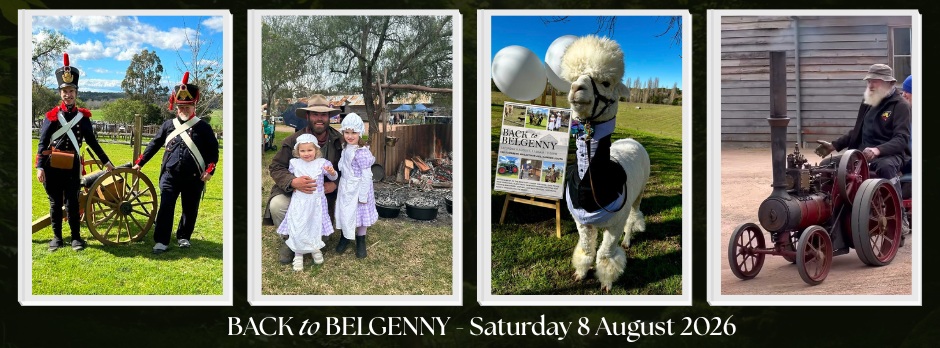
Sold Out! Highlights from Back to Belgenny 2026 Event

The recent "Back to Belgenny Day" at Belgenny Farm attracted over 3,000 visitors, celebrating Australia’s agricultural heritage. The event featured reenactments, vintage machinery, and craft demonstrations, creating a vibrant atmosphere. Proceeds support conservation efforts for this historic site, preserving its rich stories and landscapes for future generations.

19th Century · 20th century · Adaptive Re-use · Adaptive Reuse · Agricultural heritage · Agricultural modernism · Agriculture · Agriculture history · Belgenny Farm · Built Heritage · Camden Park Estate · Camden Story · Colonial Architecture · Colonial Australia · Colonial Camden · Colonial frontier · Colonial garden · Colonial NSW · Colonial Settler Community · Colonialism · Commemoration · Convicts · Cowpastures · Cowpastures district · Cowpastures Estates · Heritage · History · History of a building · History of Camden · Macarthur · Macarthur family · Memorial · Memorialisation · Memory · Museums · Nostalgia · Place · Place making · Placemaking · Social History · Stories · Storytelling · Technology · Traditional Trades · Transport · transport history

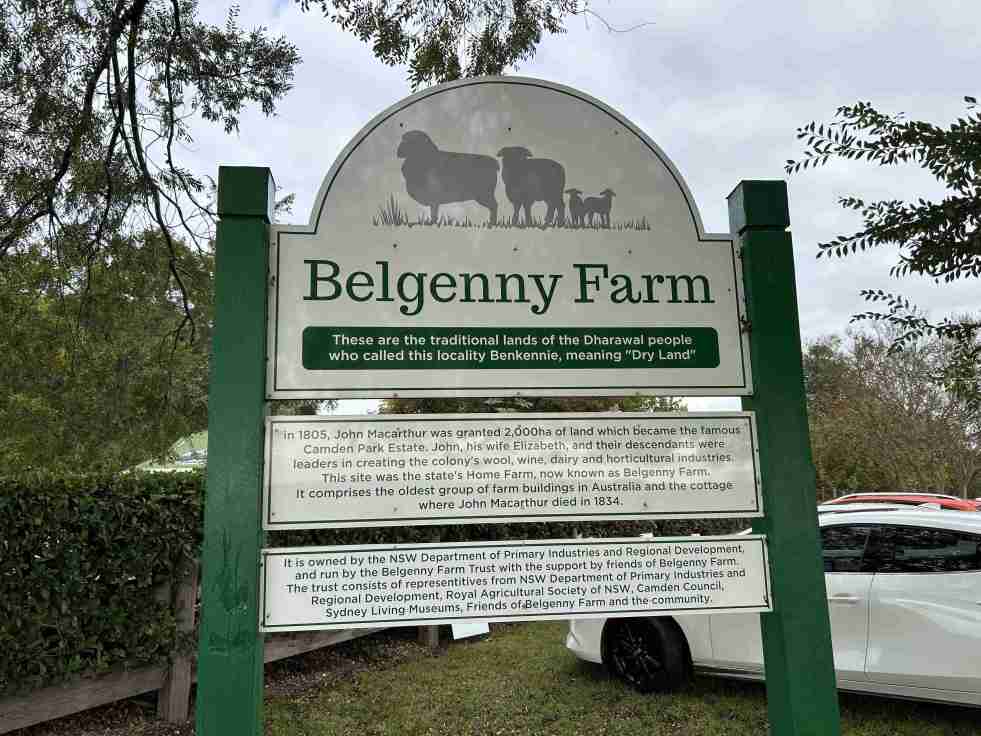
Cultural Tourism Success at Belgenny Farm

The Belgenny Farm Pioneer Farm Day successfully engaged visitors with Australia’s oldest farming complex, showcasing historical trades, games, and tours despite overcast weather. Families enjoyed activities like croquet and scavenger hunts, emphasizing the site's rich agricultural history and cultural significance. The event highlighted community involvement and fostered appreciation for heritage.

19th Century · 20th century · Active citizenship · Agency · Artefacts · Blue Plaques · Blue Plaques NSW · Business · Business History · Camden · Camden Modernism · Camden Museum · Camden Story · Commemoration · Community identity · Craft · Crafts · Cultural icon · Dress history · Economy · Fashion · Fashion History · Handcraft · Heritage · History · History of a building · Industrial Heritage · Local History · Local Studies · Memorialisation · Nationalism · Place making · Placemaking · Red Cross · School of Arts · Second World War · Sense of place · Sewing · Sewing Machine · Social History · Stories · Storytelling · Volunteering · Volunteerism · War · War at home · Wartime · Women's agency · Women's stories · World War One · World War Two

Camden’s Treadle Sewing Machine: A Revolution in Women’s Agency

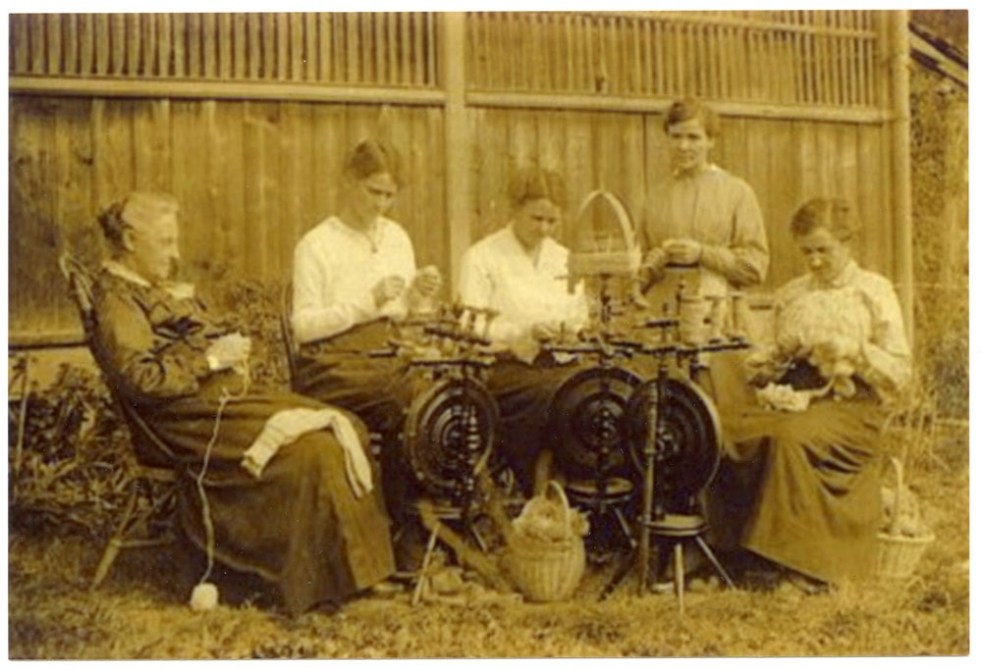
The Camden Museum's treadle sewing machine symbolizes the significant role of sewing in women's lives from the 19th century onwards. Sewing machines democratized work, enhancing women’s agency by saving time and allowing for business opportunities. Women contributed immensely to the war efforts through Red Cross circles, producing thousands of items during both World Wars.

19th Century · 20th century · Architectural History · Architecture · Camden Story · Colonial Camden · Elderslie · Hilsyde Elderslie · History · History of a building · History of a house · House history · Housing · Housing styles · Local History · Place making · Placemaking · Sense of place · Stories · Storytelling · Uncategorized · Urban history · Victorian

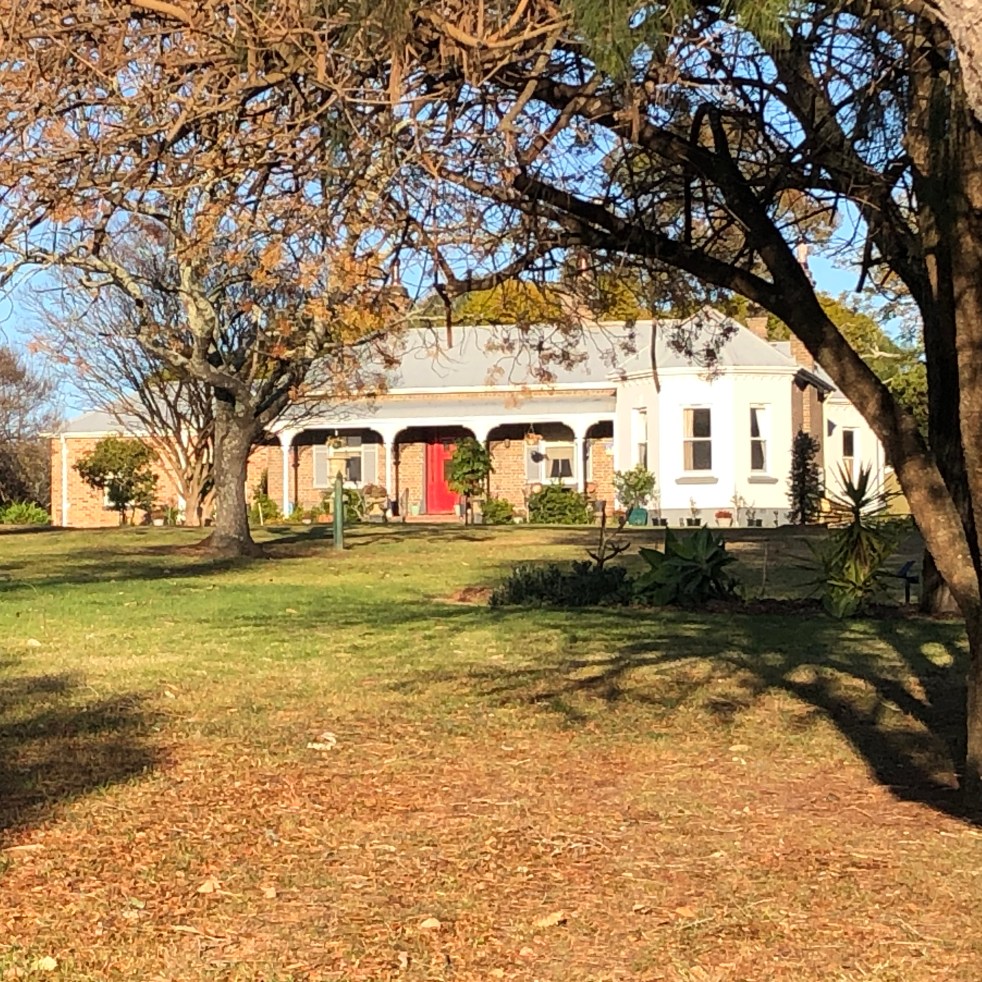
Exploring Hilsyde: A Look at Elderslie’s Historic Home

Hilsyde, originally known as Pammenter, is a Victorian single-storey brick residence built in 1888 by WC Furner in Elderslie. The property features a galvanised iron roof, bay windows, and retains good integrity. It served as Hilsyde Lodge from 1978 to 2003, catering to Christian women workers, and is heritage-listed.

Agricultural heritage · Architecture · Argyle Street · Australian History · Camden Festivals · Camden Story · Cultural and Heritage Tourism · Cultural Heritage · Cultural icon · Entertainment · Heritage · Heritage Walking Tours · Historian · Historical consciousness · Historical Research · Historical source · Historical thinking · History · History Festival · History of a building · History of a house · Living History · Local History · Local Studies · Place · Place making · Placemaking · Sense of place · Stories · Storytelling · Tourism · Uncategorized

Exploring Your Hometown: Hidden Gems Await

Exploring your hometown can reveal hidden wonders and local history often overlooked. Resources like libraries and historical societies offer insights into the past, while nature provides adventurous experiences. Engaging with local culture, festivals, and unique culinary offerings can enhance your appreciation of familiar surroundings. Stay curious and discover the extraordinary in the ordinary.

Adaptive Re-use · Adaptive Reuse · Built Heritage · Business · Business History · Cafes · Community identity · Cultural Heritage · Economy · Film · Film Making · History of a building · Industrial Heritage · Local History · Macarthur · Macarthur region · Picton · Picton Corbett Hardware · Picton Menangle Street · Picton Retail · Picton The Celebration Society · Place · Place making · Placemaking · Sense of place · Shopping · Storytelling · Streetscapes · Uncategorized · Urban growth · Urban history · Urban Planning

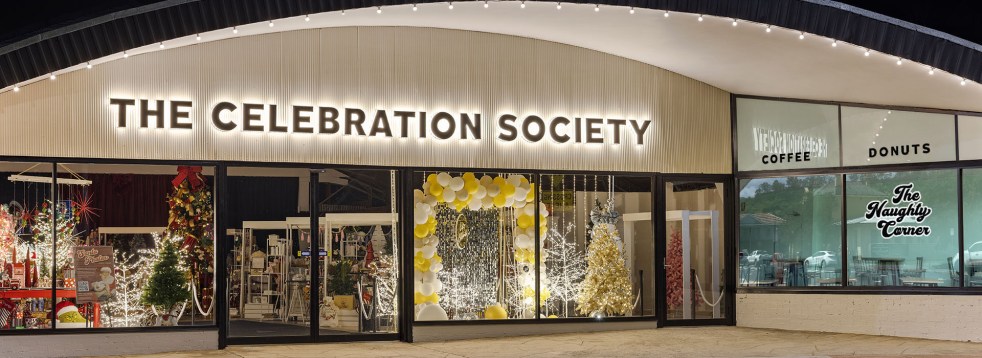
The Celebration Society: Revitalizing Picton’s Retail Scene Through Adaptive Re-use

The Celebration Society opened in 2024 in the former Corbett hardware store, revitalizing Picton's retail scene. Owners Deborah and Michael Quinn, along with business partners, preserved the building’s historic integrity. The venue includes a café and space for events, enhancing community engagement and contributing to the area's renewal.

Aesthetics · Architecture · Attachment to place · Australian History · Built heritag · Built Heritage · Camden Built Heritage · Camden Modernism · Camden Story · Community identity · Country town · Cultural Heritage · Domestic Architecture · Elderslie · Heritage · History of a building · History of a house · Hope and loss · House history · Housing · Housing styles · Landscape · Landscape aesthetics · Living History · Lost Camden · Mid-century modernism · Modernism · Narellan · Nostalgia · Place making · Placemaking · Small town · Stories · Storytelling · Uncategorized · Urban development · Urban growth · Urban history · Urban Planning · Urbanism

A Journey Through Camden’s Mid-Century Housing Architecture

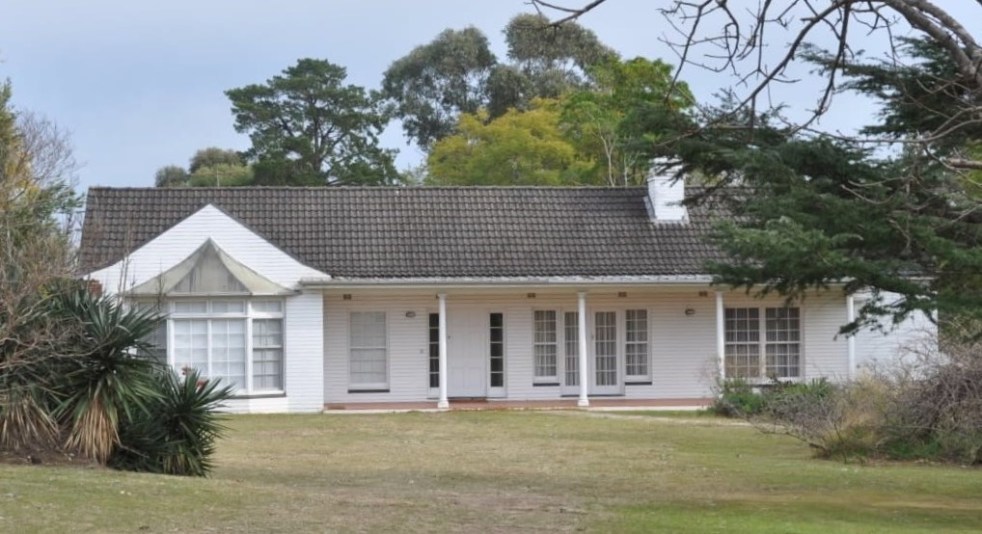
Camden's mid-century housing, developed between the 1940s and 1970s, reflects a worldwide modernism movement. Characterized by simple lines and open spaces, these homes arose amid urban growth linked to the new jobs created by the Burragorang coalfields. Unfortunately, many of these historic structures are disappearing, necessitating greater recognition and appreciation of their significance.

19th Century · Architecture · Attachment to place · Built heritag · Built Heritage · Camden Built Heritage · Camden Cottage Hospital · Camden Hospital · Camden Story · Community · Community building · Community Health · Country town · Cultural Heritage · Family history · History of a building · History of a house · House history · Humanitarianism · Local History · Local newspapers · Local Studies · Medical history · Medical Humanities · Place making · Placemaking · Sense of place · Small town · Social History · Stories · Storytelling · Transport · transport history · Trauma · Women's agency · Women's history · Women's stories

Camden Cottage Hospital, from accidents to amputations and early patient experiences

The Camden Cottage Hospital, opened in April 1899, initially struggled with low patient admissions due to community reluctance. Early cases included accidents and serious conditions, leading to treatments and surgeries like amputations. By early 1900, there was increasing community trust and the permanent facility opened in May 1902.