1920s · 1930s · 19th Century · 20th century · Anzac · Archibald Gregory · Artworks · Collective Memory · Colonial Australia · Colonial NSW · Colonialism · Commemoration · Cultural Heritage · Cultural Symbols · Enlightenment · Heritage · History · Landscape · Memorial · Memorialisation · Memorials · Memory · Military history · Place making · Placemaking · Public art · Sense of place · Stories · Storytelling

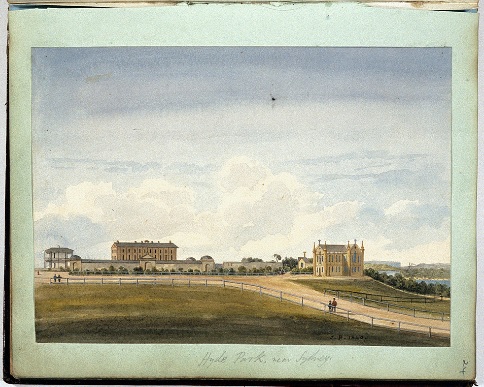
Sydney’s Hyde Park, a hidden gem in the cityscape

Hyde Park is Sydney's oldest urban park, spanning 40 acres and serving various recreational and cultural purposes. Established as a public reserve in 1792, it reflects Australia's history and the influence of the English public parks movement. Named after London's Hyde Park, it features several monuments, including war memorials and the Captain Cook statue, which has faced vandalism amid debates over colonial legacy. The park underwent significant redesign during the Interwar period, enhancing its role as a community space.

20th century · Anzac Day · Camden Airfield · Camden at war · Camden Story · Engineering History · Heritage · History of a building · Local History · Military history · Place making · Placemaking · RAAF · RAF · Second World War · USAF · War · War at home · Wartime · World War Two

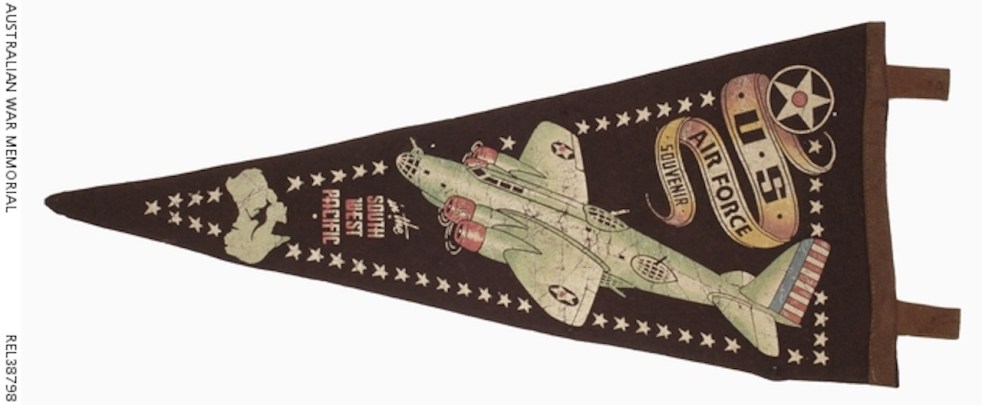
US 5th Air Force and Camden Airfield’s Untold Story from World War Two

The US Air Force showed interest in Camden Airfield during World War II, conducting assessments in 1942 and 1944. Initially deemed a minor installation, it underwent significant upgrades by 1944. While American forces never occupied it, Camden's potential transformation into a garrison town raised concerns about its community impact from the presence of RAAF and RAF personnel at the airfield between 1940 and 1946.

20th century · Camden · Camden Story · Community · Community identity · Cultural Heritage · Engineering Heritage · Engineering History · Floods · Infrastructure · Little Sandy Footbridge · Living History · Local History · Memory · Military history · Nepean River · Nostalgia · Placemaking · Recreation · Sense of place · Stories · Storytelling · swimming · Uncategorized · World War Two

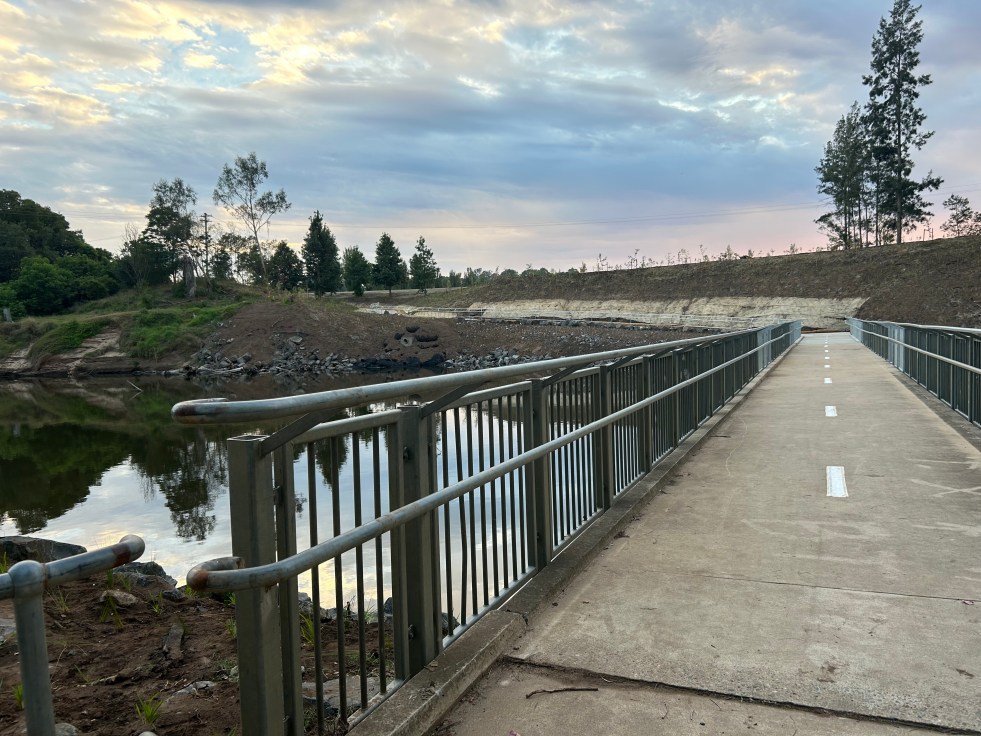
Little Sandy Footbridge Reopens: A Community Treasure

The Little Sandy Footbridge in Camden has reopened, restoring an essential link in the Nepean River Trail after extensive flood-related repairs. Originally constructed during WWII, the bridge has been a beloved community feature, supporting recreational activities for over a century. The project was funded by government sources, totaling $3.7 million.

1920s · Adaptive Re-use · Aesthetics · Architecture · Attachment to place · Belonging · Business · Camden · Camden Museum · Camden Park House and Garden · Colonial Camden · Communications · Community identity · Cowpastures · Cultural Heritage · Cultural icon · Economy · Entertainment · Family history · Fashion · Festivals · Genealogy · Heritage · Historical consciousness · Historical Research · Historical thinking · History · History of a house · History theory and practice · House history · Job creation · Lifestyle · Living History · Local History · Local Studies · Macarthur · Media · Menangle · Military history · Modernism · NSW History K-10 Syllabus · Place making · Ruralism · Sense of place · Settler colonialism · Stereotypes · Storytelling · Streetscapes · Sydney's rural-urban fringe · Tourism · Travel · Urban growth · Urban Planning · urban sprawl · Volunteering · Volunteerism · Women's history

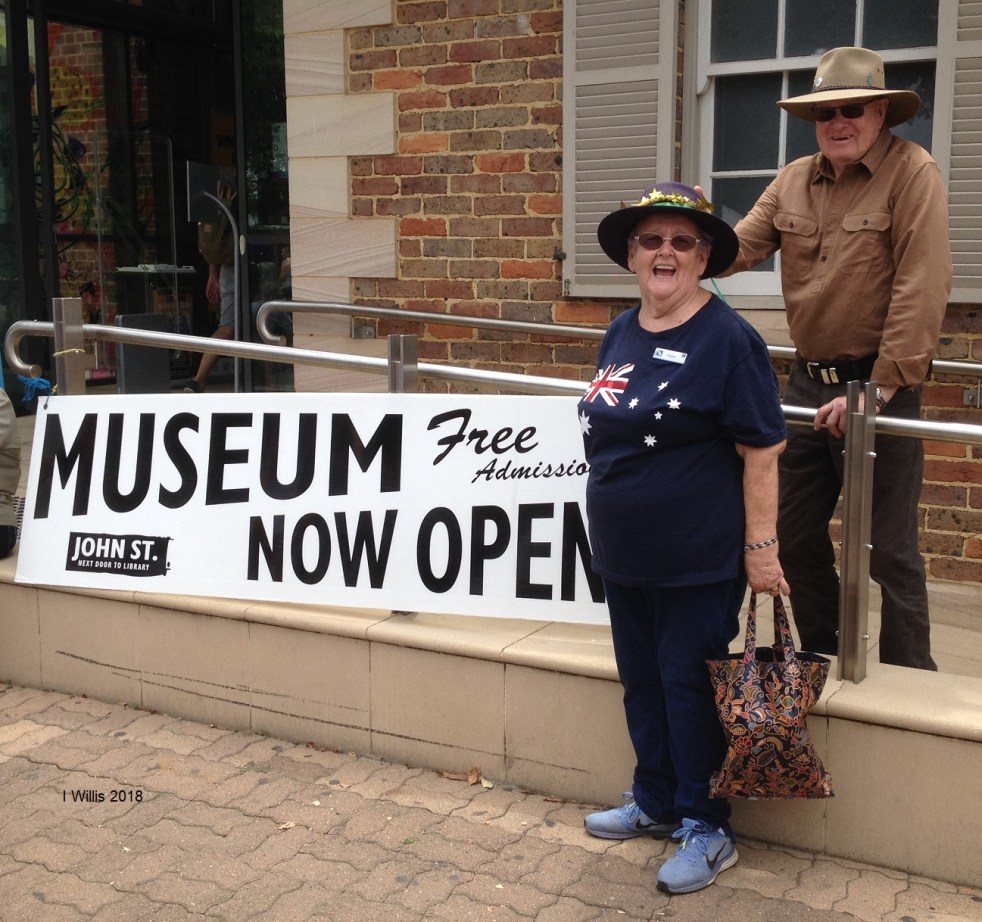
Understanding the Camden Story: History, Community, and Identity

The Camden story encapsulates the rich tapestry of tales and histories that define the Camden community, including dreamtime legends and settler accounts. It offers insight into the community's values, identity, and resilience, serving as both a historical narrative and a tool for local businesses, fostering deeper connections among residents.

Anniversary Day · Anzac · Australia · Australia Day · Australian Red Cross · British Red Cross · Camden Red Cross · Cultural Heritage · First World War · Grief · Military history · Myths · Nationalism · Patriotism · Place making · Red Cross · Red Cross Humanitarianism · Red Cross Movement · Sense of place · Stories · Storytelling · Trauma · Uncategorized · Volunteering · Volunteerism · War · War at home · Wartime · Women's agency · Women's history · Women's stories · World War One

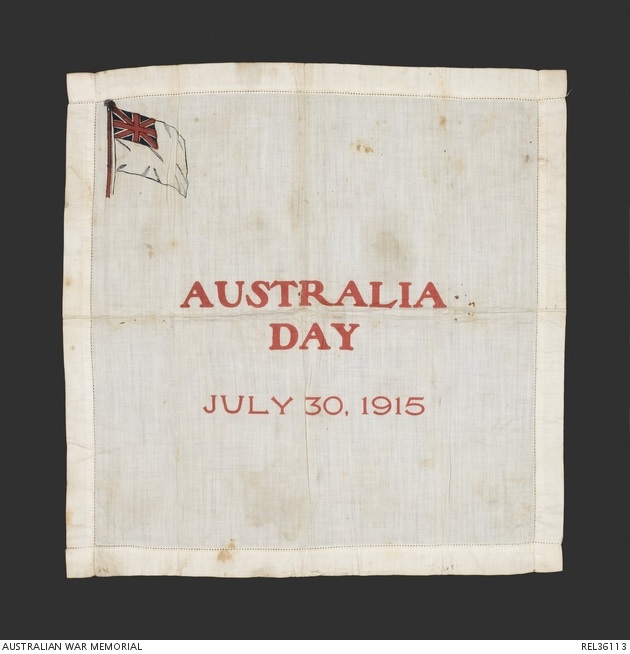
The Untold Woman’s Contribution to Australia Day

Australian women played a crucial role in the first Australia Day on July 30, 1915, which aimed to support sick and wounded soldiers from World War I. Originally suggested by Ellen Wharton-Kirke, the day centered on fundraising for the Red Cross. Women's contributions towards Australia Day remain overlooked in historical narratives surrounding Australia Day and the Anzac story.

Adaptive Re-use · Adaptive Reuse · Aesthetics · Archibald Gregory · Architecture · Art Deco · Attachment to place · Australian Army · Built Heritage · Camden Built Heritage · Camden Golf Club · Camden Story · Campbelltown-Camden Grammar School · Colonial Architecture · Colonialism · Cultural Heritage · Eastern Command Training School, Narellan, NSW · Farming history · Film Making · Heritage · History · History of a building · History of a house · Hotel History · Interwar · Local Studies · Military history · Movies · Narellan · Narellan Story · Place making · Sense of place · Settler colonialism · Settler Society · Stories · Storytelling · Studley Park · War at home · Wartime · World War Two

Exploring Studley Park: A Victorian Italianate Heritage Site

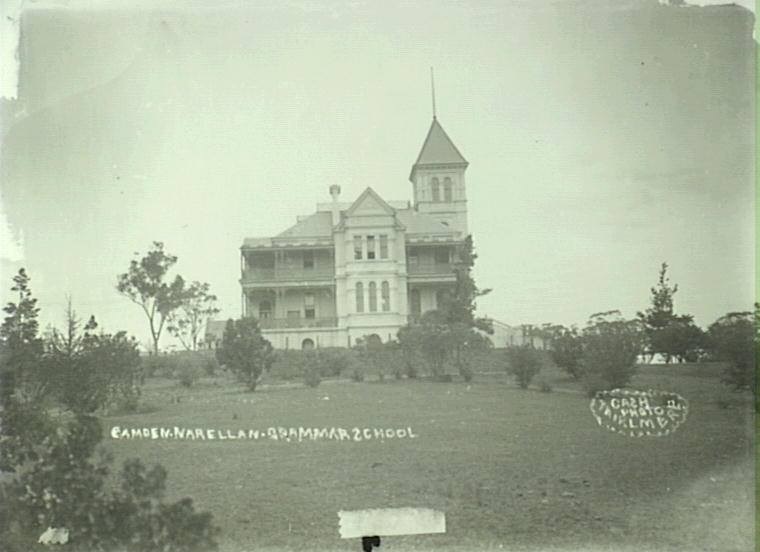
Studley Park House, located in Narellan, NSW, exemplifies Victorian Italianate architecture and holds state significance for its aesthetics and historical associations. Constructed in 1889 by architect firm AL & G McCredie for William Charles Payne, it served various purposes, including a school and military quarters, before becoming a private residence.

19th Century · 20th century · Architecture · British colonialism · Built heritag · Camden Built Heritage · Camden John Street Precinct · Camden Police Barracks · Collective Memory · Colonial Camden · Colonial frontier · Colonialism · Country town · Court of Petty Sessions · Cowpastures · Cowpastures district · Cowpastures Estates · Cowpastures Gentry · Cowpastures Region · Cultural Heritage · Heritage · History of a building · Local History · Local Studies · Military history · Place making · Policing · Sense of place · Settler Society · Small town · Stories · Storytelling · Uncategorized · Urban history · Victorian

Camden Police Station and Residence: A Historical Landmark in Camden

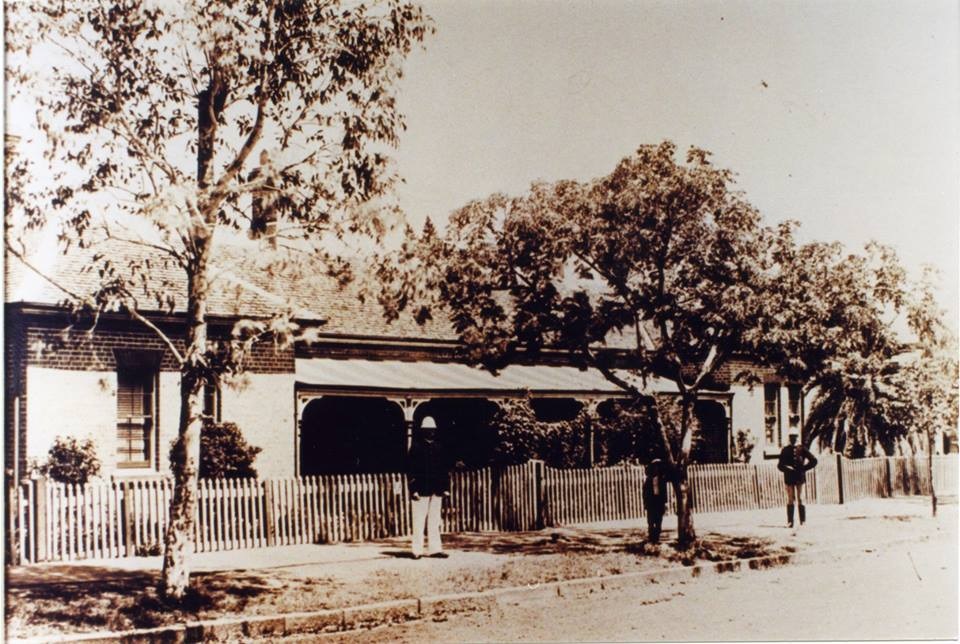
Camden Police Station, a single-storey brick building at 35 John Street, was constructed in 1878 and served the NSW Police Service until 2011. Designed by James Barnet, it features historical architectural elements, including a paved verandah and brick chimneys. Currently vacant, it is recognized for its heritage value within the Camden community.

Active citizenship · Agency · Anzac · Australian Red Cross · British Red Cross · Camden Red Cross · Camden Story · Community Health · Community identity · Community organisations · Community work · Country town · Craft · Cultural Heritage · First World War · History · Interwar · Lady Helen Munro Ferguson · Local Studies · Lost Camden · Medical history · Medical Humanities · Military history · Nationalism · Not-for-profit · Nursing · Patriotism · Place making · Political history · Red Cross · Red Cross Humanitarianism · Red Cross Movement · Second World War · Sense of place · Small town · Social History · Stories · Storytelling · Trauma · VAD · Voluntary Aid Detachment · Volunteering · War · War at home · Wartime · Women's agency · Women's history · Women's stories · World War One

Camden Red Cross 110 Years Display: Objects and Ephemera Exhibition 2024

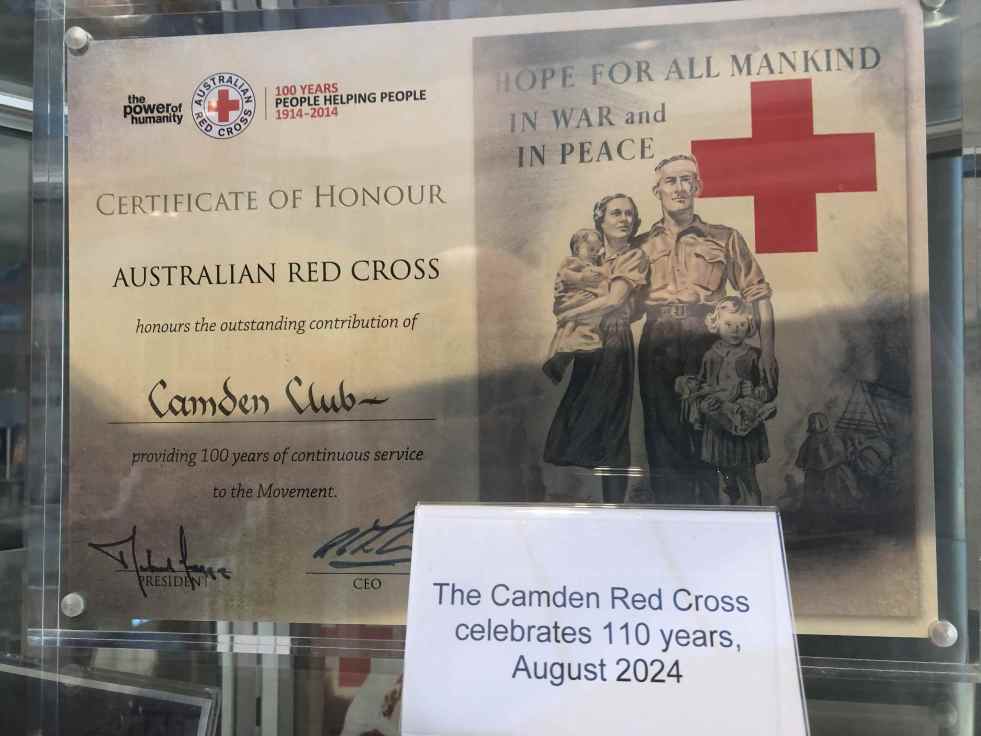
The Camden Red Cross exhibition at Camden Library in August 2024 showcased the historical contributions of local women to the Red Cross during World Wars I and II. Women from the Camden district played a pivotal role in supporting soldiers and shaping the narrative of the Australian Red Cross, creating over 20,300 articles in 40,000 volunteer hours during WWI.

20th century · Attachment to place · Built heritag · Campbelltown · Collective Memory · Community identity · Community organisations · Community work · Cultural Heritage · Cultural icon · First World War · Frances Day · Local History · Macarthur region · Menangle · Military history · Patriotism · Place making · Red Cross · School of Arts · Sense of place · Storytelling · Uncategorized · Urban growth · Urban Planning · Volunteering · Volunteerism · War at home · Wartime

Menangle School of Arts hall, the heart of a village, under redevelopment

The Menangle Community Association is leading a project to replace the former Menangle School of Arts with a modern community hall.

20th century · Anzac · Art · Attachment to place · Belonging · Camden Story · Craft · Crafts · Cultural Heritage · Cultural icon · Cultural plantings · Design · Family history · Festivals · History · History of Emotion · Living History · Local History · Local Studies · localism · Memorial · Memorialisation · Memorials · Memory · Metaphor · Military history · Modernism · Monuments · Patriotism · Place making · Propaganda · Second World War · Sense of place · Sewing · Stereotypes · Storytelling · Symbolism · Uncategorized · Volunteering · Volunteerism · War · War at home · Wartime · Women's diaries · Women's history · World War One

Red Flanders poppies, a field of memories

The red poppy carries a lot of symbolism in cultural mythologies from remembrance to sacrifices. The simple flower triggers outpouring of emotion, memories and commemorations on Anzac Day and Remembrance Day every year.