19th Century · Aesthetics · Agricultural heritage · Agriculture · Agriculture history · Architecture · Attachment to place · Belgenny Farm · British colonialism · British Heritage · Built Heritage · Camden Area Family History Societyu · Camden Historical Society · Camden Museum · Camden Park Estate · Camden Story · Colonial Architecture · Colonial Australia · Colonial Camden · Colonial frontier · Colonial NSW · Colonial Settler Community · Colonialism · Community History · Costume History · Cowpastures · Cowpastures district · Cowpastures Gentry · Cowpastures Region · Craft · Cultural and Heritage Tourism · Cultural Heritage · Cultural icon · Cultural Landscape · Cultural memory · Cultural Symbols · culture · Dairy Farming · Dairying · Elizabeth Macarthur · Family history · Farming · Farming history · Friends of Belgenny Farm · Handcraft · Heritage · History · History of a building · Landscape · Landscape aesthetics · Legends · Living History · Local History · Local Studies · Macarthur family · Milk · Museums · Place · Place making · Placemaking · Re-enactments · Ruralism · Sense of place · Settler colonialism · Settler Society · Social History · Stories · Storytelling · The Cowpastures · Victorian · Volunteering · Volunteerism

Sold Out! Highlights from Back to Belgenny 2026 Event

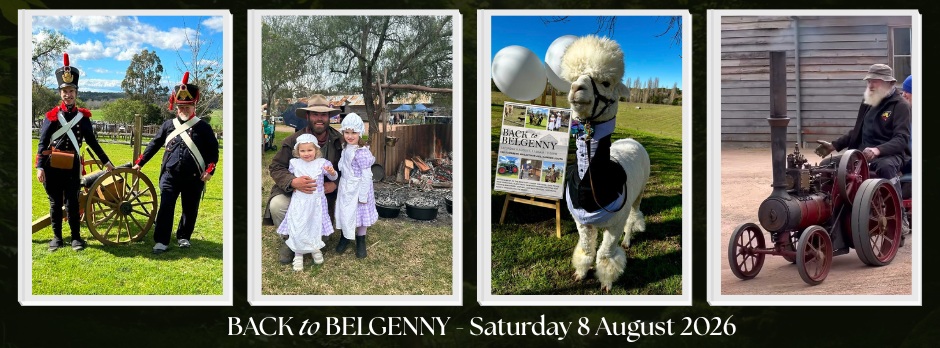
The recent "Back to Belgenny Day" at Belgenny Farm attracted over 3,000 visitors, celebrating Australia’s agricultural heritage. The event featured reenactments, vintage machinery, and craft demonstrations, creating a vibrant atmosphere. Proceeds support conservation efforts for this historic site, preserving its rich stories and landscapes for future generations.

Aesthetics · Agency · Art · Artefacts · Artists · Artworks · Belonging · Camden Historical Society · Camden Museum · Camden Show · Camden Story · Camdern Show · Campbelltown Art Centre · Community identity · Craft · Crafts · Cultural Heritage · culture · Embroidery · Handcraft · Heritage · Landscape · Living History · Local History · Menangle · Place making · Placemaking · Storytelling · Traditional Trades · Women's agency · Women's art · Women's history · Women's stories

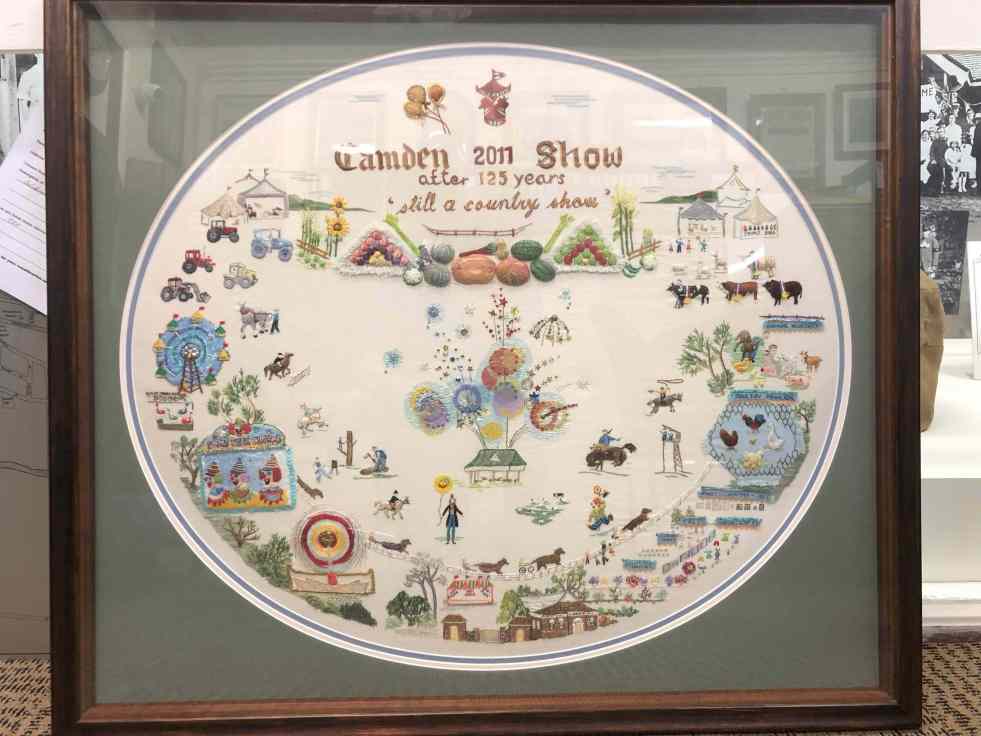
The legacy of embroidery, Elaine Balla’s Camden Show artwork

Elaine Balla, an accomplished embroidery artist, created 'The Camden Show' for the 2011 Camden Show's 125th anniversary, winning a Champion Exhibit Ribbon. Her work, now displayed at the Camden Museum, vividly represents community stories. Balla's contributions span sixty years, illustrating women's expression through the art of embroidery, their agency and telling community stories.

19th Century · 20th century · Active citizenship · Agency · Artefacts · Blue Plaques · Blue Plaques NSW · Business · Business History · Camden · Camden Modernism · Camden Museum · Camden Story · Commemoration · Community identity · Craft · Crafts · Cultural icon · Dress history · Economy · Fashion · Fashion History · Handcraft · Heritage · History · History of a building · Industrial Heritage · Local History · Local Studies · Memorialisation · Nationalism · Place making · Placemaking · Red Cross · School of Arts · Second World War · Sense of place · Sewing · Sewing Machine · Social History · Stories · Storytelling · Volunteering · Volunteerism · War · War at home · Wartime · Women's agency · Women's stories · World War One · World War Two

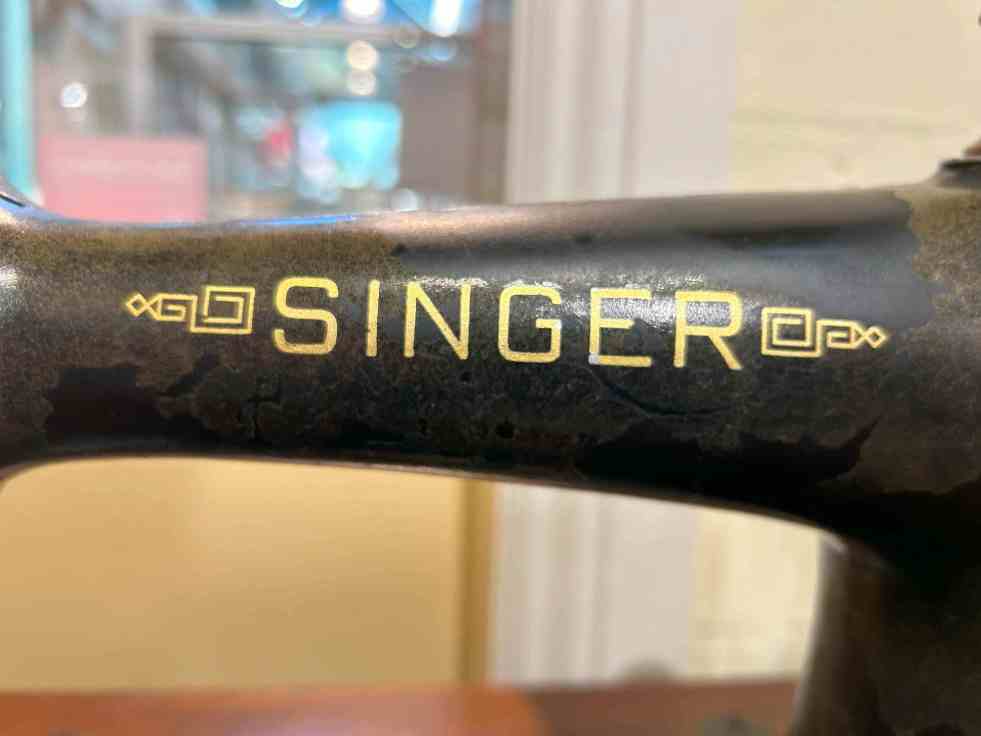
Camden’s Treadle Sewing Machine: A Revolution in Women’s Agency

The Camden Museum's treadle sewing machine symbolizes the significant role of sewing in women's lives from the 19th century onwards. Sewing machines democratized work, enhancing women’s agency by saving time and allowing for business opportunities. Women contributed immensely to the war efforts through Red Cross circles, producing thousands of items during both World Wars.

Art · Artists · Artworks · Business · Business History · Camden · Camden bank · Camden Story · Community identity · Cultural Heritage · culture · Graffiti art · Handcraft · Heritage · Local Studies · Memorial · Nostalgia · Place making · Placemaking · Public art · Sense of place · Stories · Storytelling

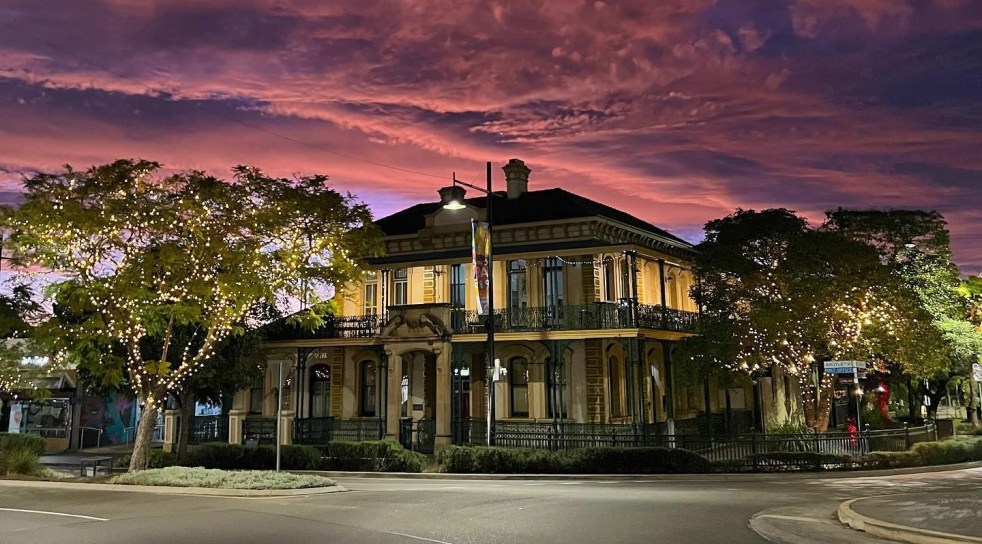
Discover the Hidden Signatures of Camden’s Former Bank

In Camden's old bank building, a hidden strongroom features signatures of former bank employees, each telling a unique story. Now part of Camden Markets Collective, these signatures are viewed as graffiti art, reflecting local history and culture. The community seeks to preserve this unique public art for future generations.

Architectural History · Architecture · Australian History · Bricklaying · Built heritag · Built Heritage · Carpentry · Colonial Architecture · Conservation · Design · Handcraft · Heritage · Living History · Lost trades · Place making · Placemaking · Sense of place · Stonemasonary · Traditional Trades · Volunteering

Addressing Australia’s Heritage Skills Crisis

The Australian Garden History article by Yolanda Cool discusses a crisis in heritage skills training in Australia, highlighting a lack of formal education and accreditation for tradespeople. The Heritage Skills Association emphasizes the urgent need for skilled workers to preserve heritage properties, advocating for solutions and initiatives to address this ongoing shortage. The article explores how the shortage of traditional trades skills in not new in Australia.

Anzac · Art · Australia · Australian Comforts Fund · Camden · Camden District · Camden Story · Community Health · Craft · Crafts · Cultural Heritage · Cultural icon · Dress history · Fashion · First World War · Handcraft · Heritage · Historical consciousness · Historical Research · Historical thinking · History · Local History · Local Studies · Memory · Military history · Nationalism · Paintings · Patriotism · Philanthropy · Pictures · Red Cross · Second World War · Social History · Storytelling · Volunteering · Volunteerism · War · War at home · Wartime · Women's agency · Women's history · Women's stories · World War One

The patriotism of the wartime sock knitter

During World War I, hand-knitted socks became crucial for soldiers facing harsh conditions, preventing trench foot. Women across the British Empire, particularly in Australia, organized knitting efforts, leading to over 1.3 million pairs made. These efforts provided essential support and represented women's patriotism in wartime, often alleviating grief through their contributions.