
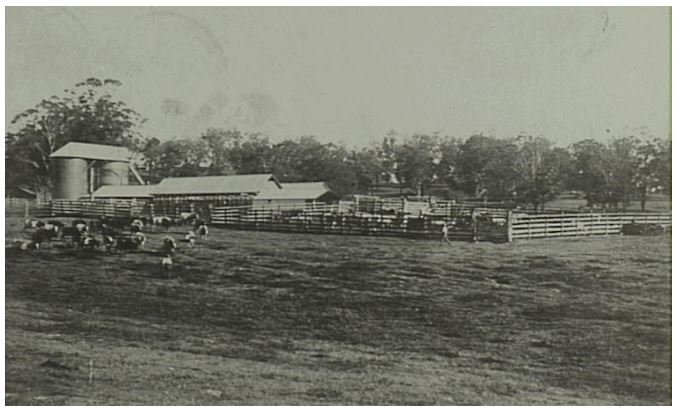
Over the last 180 years, Camden's economy shifted focus from silver mining to dairying and later coal mining. By the 1940s, Camden Park Estate became New South Wales's largest dairy operation through vertical integration, introducing share farming and innovative technologies that increased productivity. Elizabeth Macarthur Onslow played a pivotal role in reorganizing the estate, enhancing quality and efficiency. The dairy industry in Camden evolved significantly, utilizing practices and innovations from Europe and leading to larger herds and modern dairy farming techniques by the late 20th century.
Category: Australian History

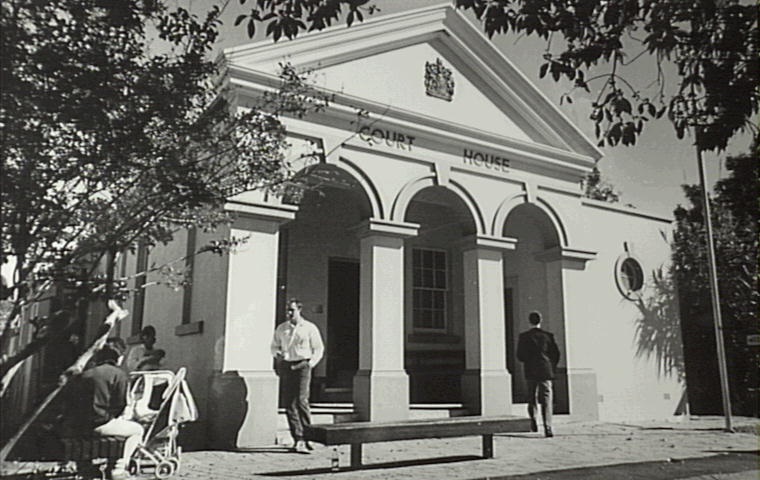
The Closure of Camden Courthouse: A Legal Legacy Lost
The Camden courthouse, a heritage building with a rich legal history, was closed in 2021 due to safety concerns and insufficient capacity for a growing urban area. Despite community opposition, its closure marked the end of its 165-year service. There's potential for revitalization as a community asset, similar to other repurposed courthouses.
Share this:

Share this:
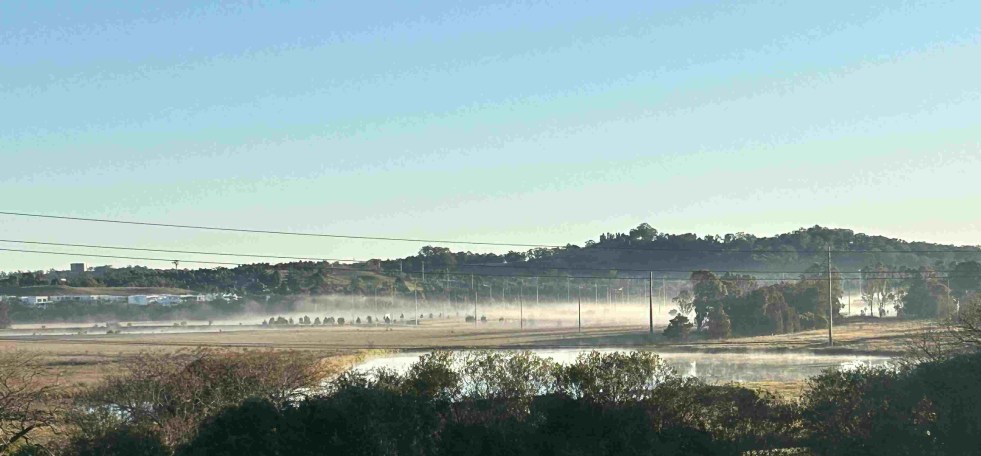
Camden’s Herberts Hill: Views, History, Culture and Walk
Herberts Hill, also known as Rheinbergers Hill, offers scenic pathways for walkers and joggers, revealing stunning views over the Nepean River floodplain. Historically significant, the site is linked to early English settlers, particularly Thomas Herbert, whose life reflects the colonial narrative of New South Wales. The hill provides important cultural insight and recreational opportunities.
Share this:

Share this:
Strengthening Heritage Through Collaboration: Macarthur’s New Collective
The Macarthur History Collective, a loose informal alliance, formed by local history organisations, aims to foster collaboration among groups to preserve and promote regional heritage. Initiated after a successful meeting on July 19, 2026, its focus is to share resources, tackle common challenges, and engage younger audiences, enhancing community history efforts across the Macarthur region
Share this:

Share this:
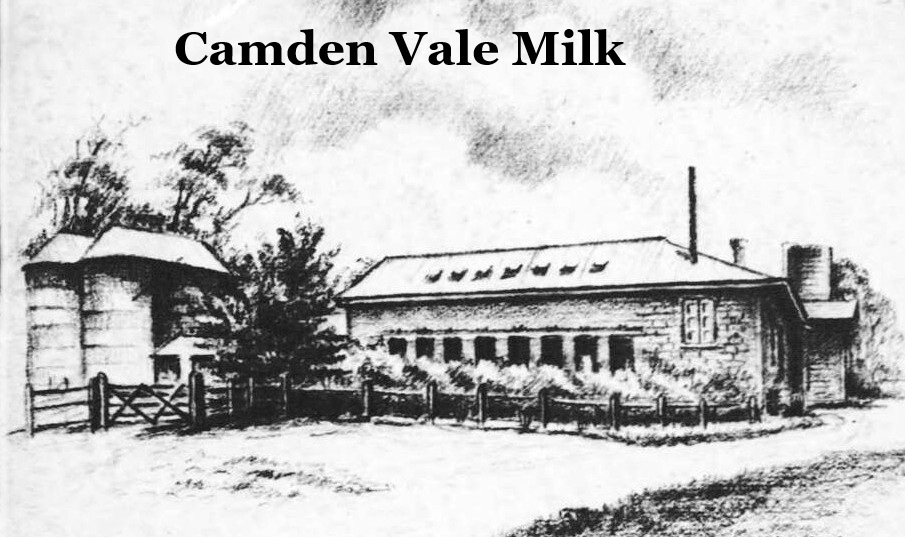
The History of Camden Vale Milk: A 20th Century Legacy
The Camden Museum features a poster detailing the significance of the Camden Vale special milk brand, which emerged from advancements in dairy farming in the area. Established in 1920, the brand was known for high-quality milk, emphasizing health benefits and innovative delivery methods, significantly impacting local agriculture and public health history.
Share this:

Share this:

Jet into the Weekend with Western Sydney International (Nancy-Bird Walton) Airport
Western Sydney International Airport offers a gateway to diverse weekend getaways, from local adventures to international travel. Its design integrates natural elements, reflecting Australian culture and providing a calming atmosphere. With 24/7 operations and various airline partnerships, it simplifies travel, encouraging exploration of the surrounding regions and unique experiences.
Share this:

Share this:
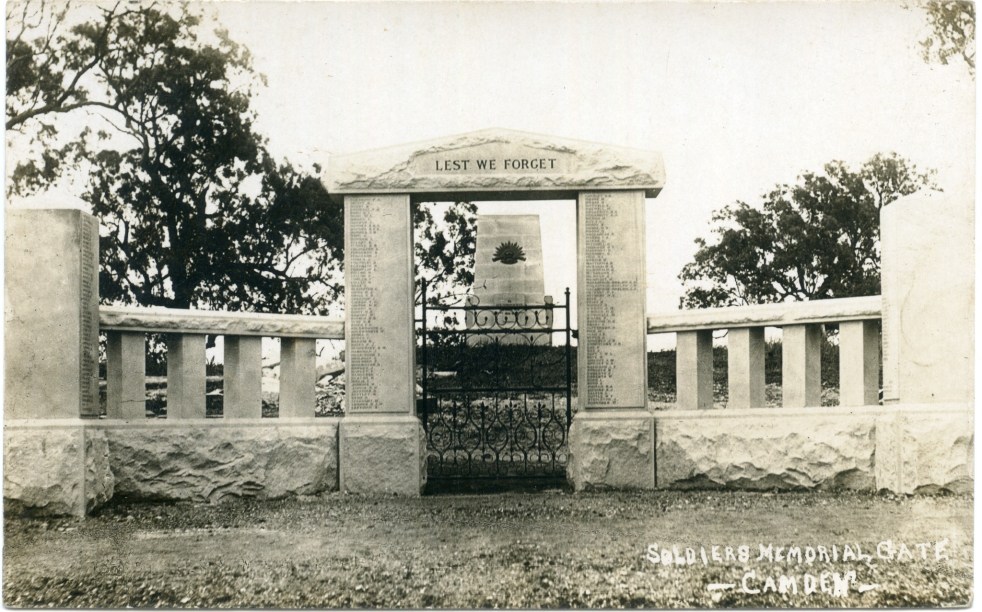
Camden’s Anzac Precinct: A Historical Reflection
Camden’s World War One Anzac precinct, located in Macarthur Park, features a cenotaph, memorial gates, and war trophy guns that commemorate local soldiers' sacrifices. The memorials were completed in 1922 amid mixed community support. Over time, the precinct has become a sacred site, reflecting shifting attitudes toward remembrance and honouring the war dead.
Share this:

Share this:
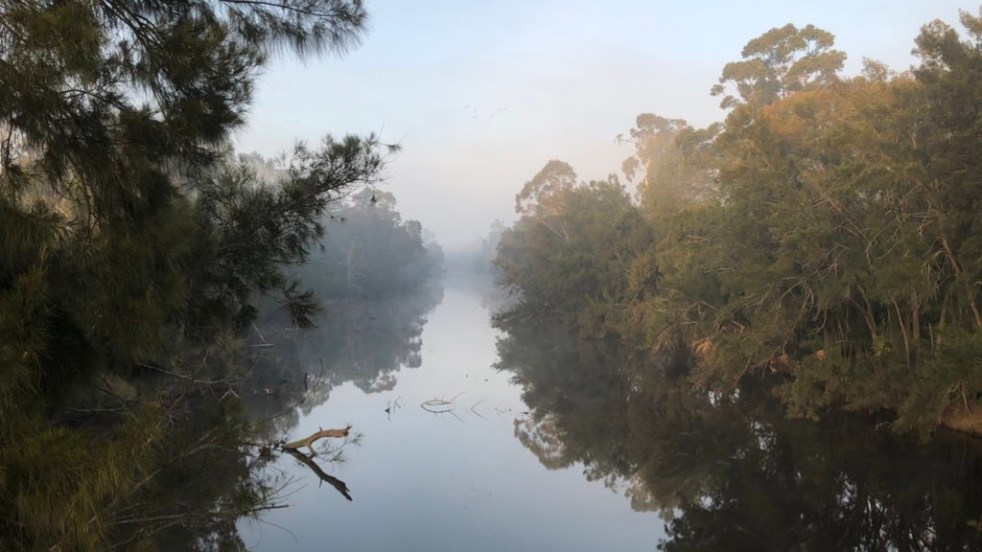
Exploring Little Sandy: Camden’s Hidden Gem
Little Sandy, a cherished location on the Nepean River in Camden, is celebrated for its rich community history and the memories it holds for locals. Enhanced by the Camden Weir, it features a modern footbridge and Aboriginal-inspired artwork, symbolizing its cultural significance as a site of gatherings, swimming, and personal milestones.
Share this:

Share this:
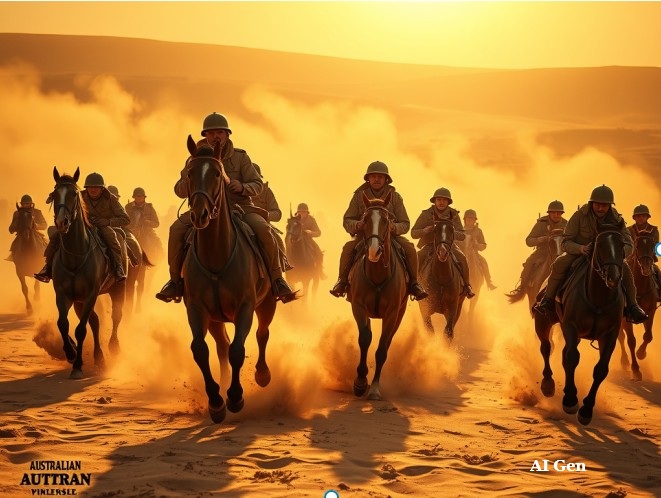
Understanding Image Manipulation and Deepfakes
The authenticity of images on social media is increasingly questionable due to advancements in generative AI and deepfakes. Manipulation techniques distort reality, leading to curated perceptions and ethical dilemmas in photography. Iconic figures like Frank Hurley exemplify the tension between authenticity and representation, highlighting the need for transparency in image manipulation.
Share this:

Share this:
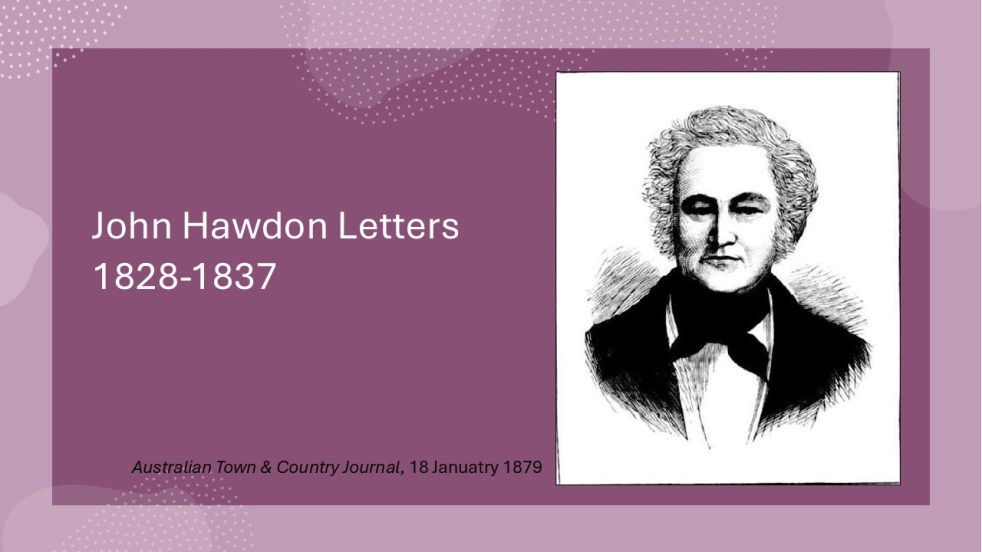
Insights from the Hawdon Letters: Colonial Life in NSW, Part 3, 1833-1837
The letters of John Hawdon and others from 1828 to 1837, preserved in the State Library of NSW, provide insights into colonial life in New South Wales. They highlight themes of isolation, communication challenges, economic struggles, and attitudes toward gender and Indigenous populations, alongside Hawdon's farming experiences and family connections.

