Aesthetics · Architecture · Attachment to place · Belonging · Built heritag · Camden · Camden Council · Camden Museum · Camden Story · Church History · Colonial Camden · Community identity · Country town · Cowpastures · Cowpastures Gentry · Cultural and Heritage Tourism · Cultural Heritage · Cultural icon · Engineering Heritage · Heritage · History · Landscape · Landscape aesthetics · Living History · Local History · Local newspapers · Memory · Place making · Settler Society · St John's Church Camden · Storytelling · Tourism · Uncategorized · Urban development · Urban history

Cultural and Heritage Tourism in Camden: Unveiling a $6.4 Million Per Year Industry

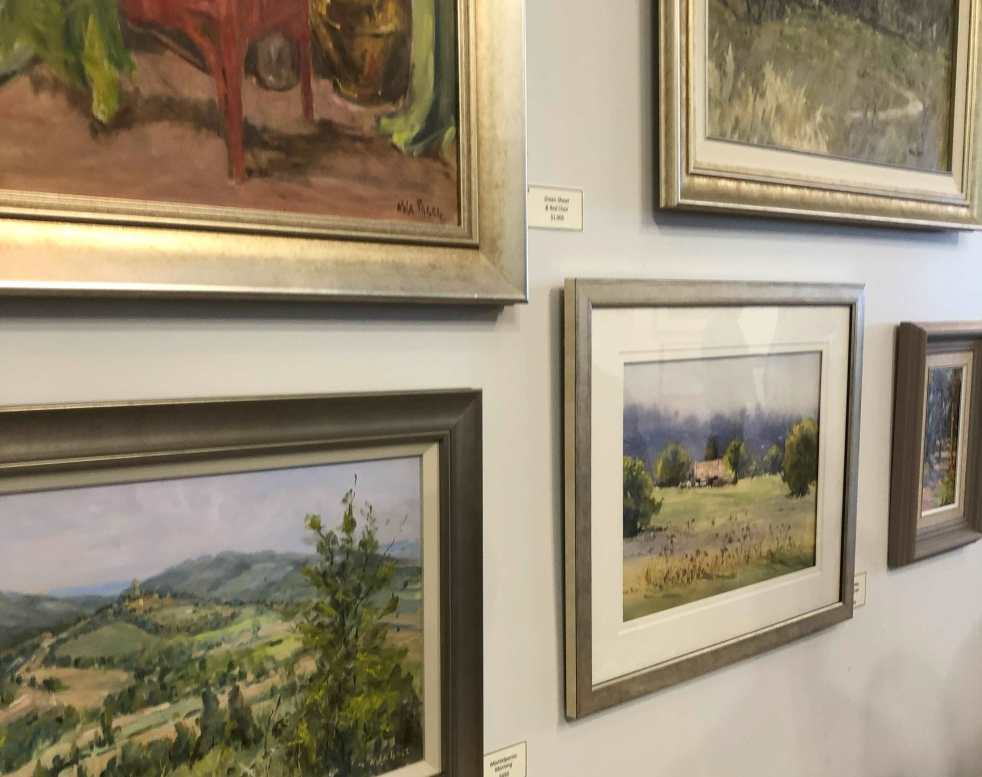
Cultural and heritage tourism adds $6.4 million a year to the local economy. The Camden Museum and the Alan Baker Art Gallery add over $1.7 million annually.

Adaptive Re-use · Aesthetics · Architecture · Art · Attachment to place · Australia · Built heritag · Camden · Camden Story · Church History · Churches · Community identity · Cultural Heritage · Cultural icon · Curtilage · Georgian · Gothic · Heritage · Historical consciousness · Historical Research · Historical thinking · History · Landscape aesthetics · Lifestyle · Living History · Local History · Local Studies · Macarthur · Memory · Monuments · Myths · Place making · Placemaking · Ruralism · Sense of place · Social History · Storytelling · Streetscapes · Trust · Victorian · Weddings

Why does the sale of a local church create community angst? What is going on?

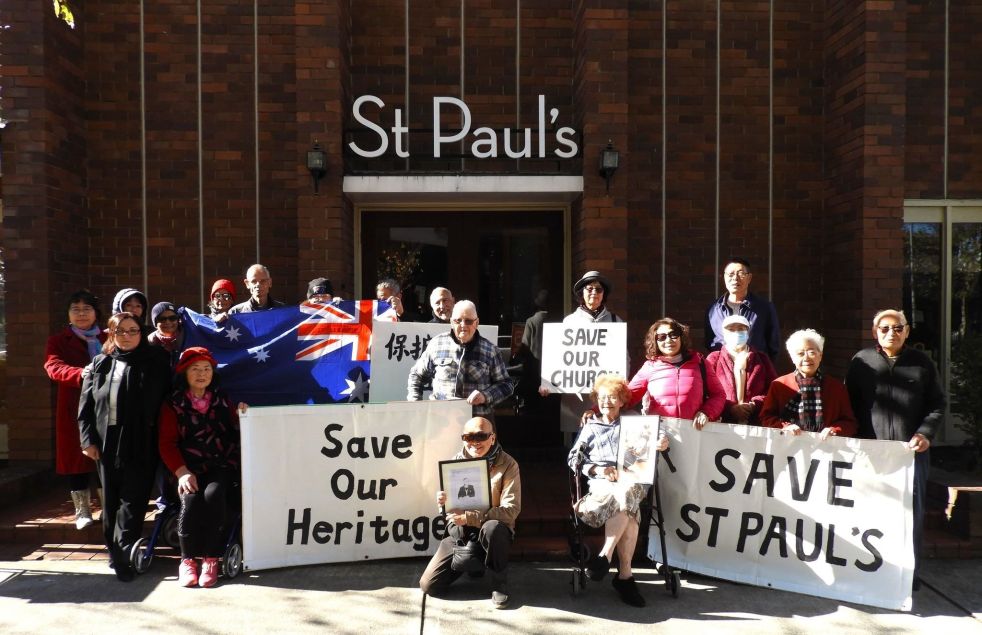
The sale of church land has sparked community angst, particularly at St. Paul's Anglican Church in Bankstown. The proposed heritage listing has led to concerns about redevelopment and closure. Similar issues have arisen in Tasmania, where the sale of local churches has evoked strong emotional and historical attachments. The opposing views between churchgoers and non-churchgoers present an unresolved ethical dilemma.

Adaptive Re-use · Adaptive Reuse · Aesthetics · Agricultural heritage · Agricultural modernism · Agriculture · Agriculture history · Architecture · Artists · Belgenny Farm · Camden Park Estate · Camden Story · Carpentry · Colonial Camden · Colonialism · Commemoration · Cowpastures · Cowpastures Estates · Cowpastures Gentry · Crafts · Cultural Heritage · Dairying · Elizabeth Macarthur · Entertainment · Farming · History of a building · Landscape · Landscape aesthetics · Living History · Local History · Local Studies · Macarthur · Macarthur family · Memorial · Monuments · Nationalism · Place making · Placemaking · Ruralism · Sense of place · Settler Society · Small town · Stories · Storytelling · Traditional Trades · Village

Back to Belgenny 2024, a festival of living history

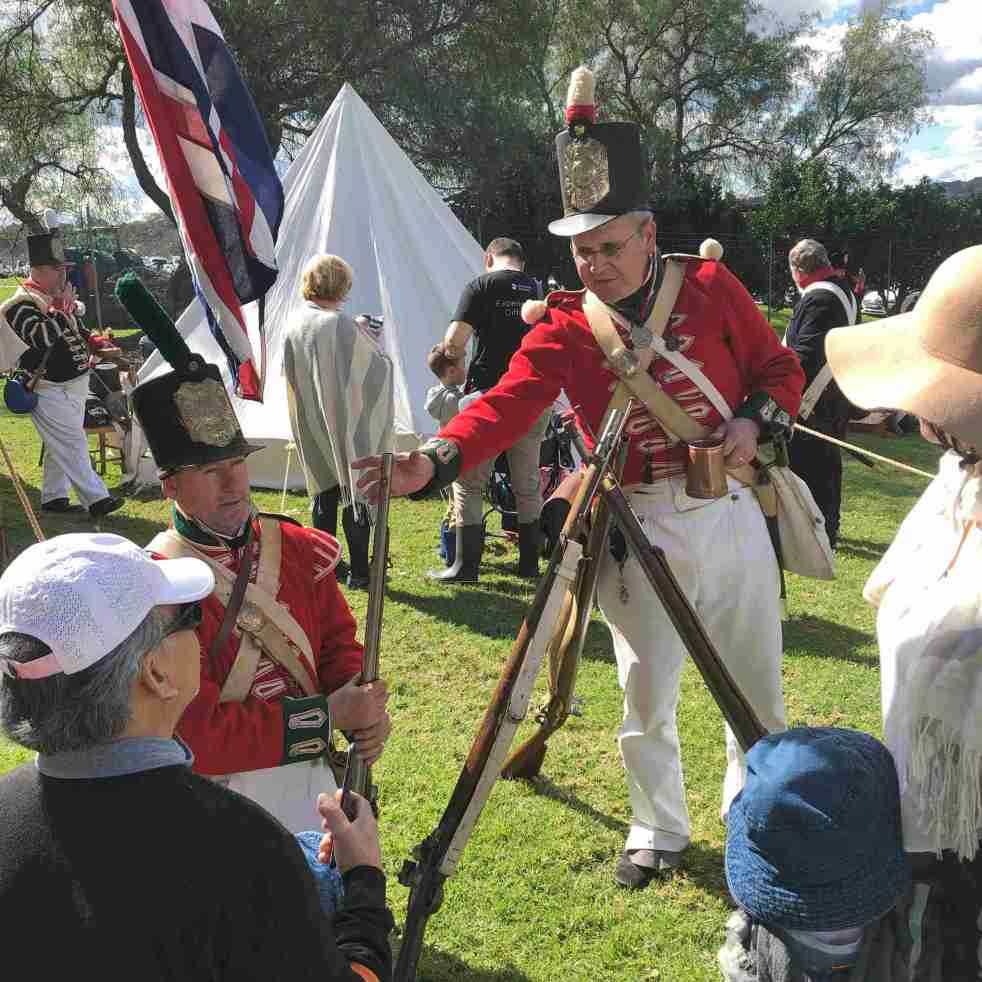
The 2024 Back to Belgenny festival at Belgenny Farm in South Camden showcased living history with reenactments, traditional trades, and stalls selling arts and crafts of the past. Activities included sheepdog trials, live music, vintage cars, and guided history tours of the site. The farm represents the settler society through the generations of the Macarthur family and their workers.

20th century · Agricultural heritage · Agriculture history · Art · Attachment to place · Camden · Camden District · Camden Show · Camden Story · Church History · Collective Memory · Commemoration · Community · Community celebrations · Community Health · Community identity · Community organisations · Community work · Cultural Heritage · Disasters · Engineering Heritage · Engineering History · Families · Family history · Farming · Festivals · Floods · Folklore · Genealogy · Health History · Heritage · Historian · Historical consciousness · Historical Research · Historical source · Historical thinking · History of a house · History of Emotion · Hotel History · House history · Housing · Landscape · Landscape aesthetics · Legends · Living History · Local History · Local Studies · Macarthur region · Memorial · Memorialisation · Memorials · Monuments · Myths · Paintings · Photographs · Photography · Pictures · Placemaking · References · Small communities · Small town · Social History · Stereotypes · Stories · Storytelling · Urban growth · Women's agency · Women's art · Women's history · Women's stories

Exploring Historical Themes: Pictorial History Camden & District Presentation Summary

This presentation examined the role of the historian and researcher and presented the importance of history and the role of a historian. Dr Ian Willis discussed the significance of historical consciousness and collective memory, emphasising the role of a historian as a researcher, analyst, interpreter, and storyteller. The presentation also highlighted "Pictorial History Camden & District," a book by Kingsclear Books, and covered aspects such as structure, select bibliography, index of names, and district maps. Additionally, various related sources and themes, such as the Whiteman and Macarthur families, were explored. The presentation concluded with suggestions for experiencing the past through community festivals, local studies, and living libraries.

Aesthetics · Art · Artists · Built heritag · Camden Council · Camden White Gum · Community identity · Cowpastures · Cultural Heritage · Cumberland Plain Woodland · Ecology · Environment · Heritage · Landscape · Landscape aesthetics · Local History · Memorials · Nepean River · Oran Park · Public art · Sense of place · Storytelling · Uncategorized

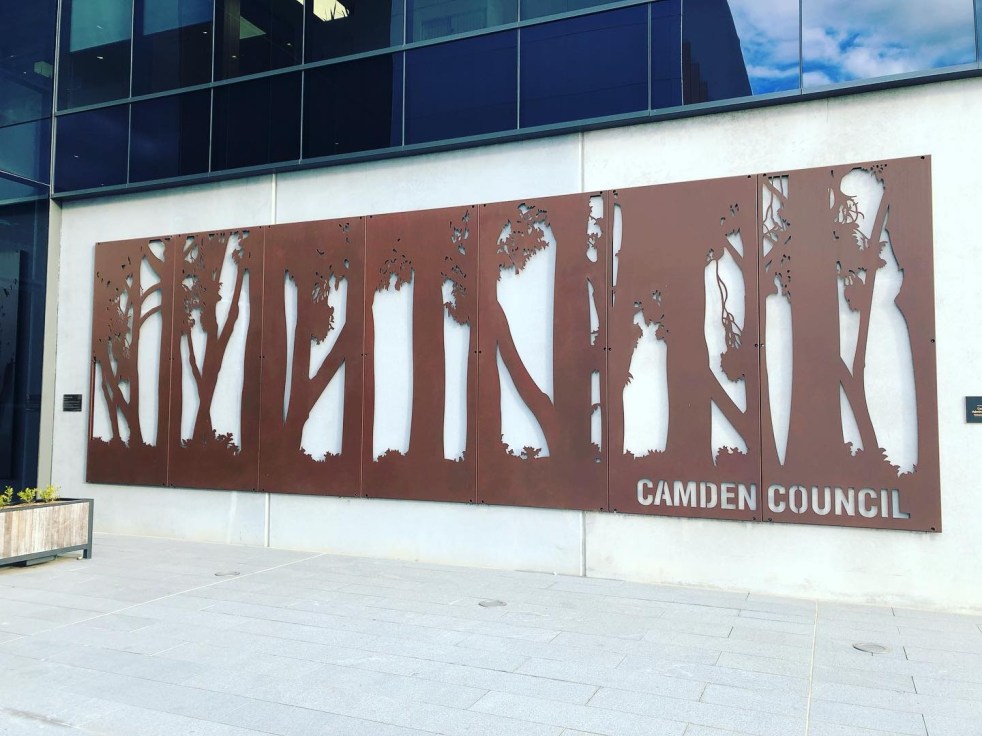
‘The Tree of Life’, public art at Camden Council Administration Offices

The art installation The Tree of Life by sculptors Gillies & Marc celebrates the endangered Camden White Gum. The sculpture is located adjacent to the entry of the Camden Council administration building at Oran Park. The work was commissioned by the council in 2016 for the opening of the new office building.

British colonialism · Camden · Camden District · Cawdor · Cobbitty · Colonial Camden · Colonialism · Community identity · Convicts · Cowpastures · England · Farming · Floods · Heritage · Historical consciousness · Historical Research · History · Landscape aesthetics · Local History · Macarthur · Menangle · Myths · Parks · Place making · Regionalism · Royal Tours · rural-urban fringe · Sense of place · Settler colonialism · Tourism · Transport · Urban growth · Urban history · Urbanism · Volunteering

The Camden district, 1840-1973, a field of dreams

The Camden district was historically significant, serving as a social and economic center for over a century. It integrated farming, mining, and community life, shaped by Aboriginal heritage and European settlement. However, modern developments and infrastructural changes led to its decline, transitioning to a regional identity tied to Macarthur area governance and branding.

1920s · 1930s · 20th century · Argyle Street · Camden · Camden Story · Collective Memory · Community identity · Cowpastures · Cultural Heritage · Cultural plantings · Dairying · Farming · Gardening · Horticulture · Landscape · Landscape aesthetics · Local Studies · Memorials · Memory · Pepper Trees · Place making · Settler colonialism · Settler Society · Storytelling · Street Trees · Town planning · Urban Planning

Camden pepper trees, a remnant of the past

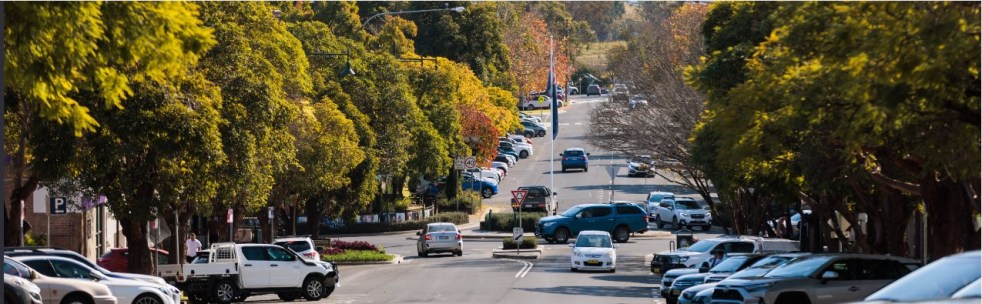
In the 1890s, Camden Municipal Council started beautifying the town area by planting various trees, including peppercorns. These cultural plantings defined the local urban landscape for decades, yet only a handful remain today.

Appin · Art · Attachment to place · Belonging · British colonialism · Campbelltown Art Centre · Collective Memory · Colonial frontier · Colonialism · Commemoration · Community identity · Cowpastures · Cowpastures Bicentennial · Cultural Heritage · Dharawal · Governor Macquarie · Heritage · History · Landscape · Landscape aesthetics · Local History · Local Studies · Memorial · Memorialisation · Memorials · Memory · Monuments · Place making · Placemaking · Public art · Sculpture · Sense of place · Settler colonialism · Settler Society · Stereotypes · Storytelling · Uncategorized

The Cowpastures Bicentennial, Governor Hunter and the Appin Massacre: the memory of the Cowpastures

I often wondered why the cultural material representative of the Cowpastures appeared to have been 'forgotten' by our community. The list of cultural items is quite an extensive include: roads and bridges, parks and reserves; historic sites, books, paintings, articles; conferences, seminars, and workshops; monuments, memorials and murals; community commemorations, celebrations and anniversaries.

Art · Attachment to place · Belonging · Camden · Colonial Camden · Colonial frontier · Colonialism · Convicts · Cowpastures · Cultural Heritage · Cultural icon · England · Farming · Heritage · Historical consciousness · Historical Research · Historical thinking · History · Interwar · Landscape aesthetics · Lifestyle · Living History · Local History · Local newspapers · Local Studies · Macarthur · Memorials · Memory · Modernism · Monuments · Myths · Newspapers · Place making · Ruralism · Sense of place · Settler colonialism · Stereotypes · Streetscapes · Sydney's rural-urban fringe · Tourism · Urban growth · urban sprawl · Urbanism · War · Women's history

Making Camden History

Making Camden History tells the story of how the history of the Camden District has been written from the 19th century. It is the history of the history of the local area.

Agricultural heritage · Agriculture · Agriculture history · Business · Business History · Camden · Camden Story · Campbelltown · Colonial Camden · Colonialism · Community identity · Cowpastures · Cultural Heritage · Cultural icon · Cultural plantings · Economy · England · Family history · Farming · Fergusons Australian Nurseries · Gardening · Heritage · Horticulture · Landscape · Landscape aesthetics · Local History · Local Studies · Memory · Nepean River · Nursery · Place making · Plant Nursery · Sense of place · Storytelling · Trees · Uncategorized · Urban growth · Urban history

Ferguson’s Australian Nurseries, a century of horticulture

Ferguson's Australian Nursery was part of the horticulture industry in the Camden area for over 100 years. Francis Ferguson established a nursery opposite Macquarie Grove on the Nepean River.