
An untold story
What is the significance of July 30 and the role of Australian women?
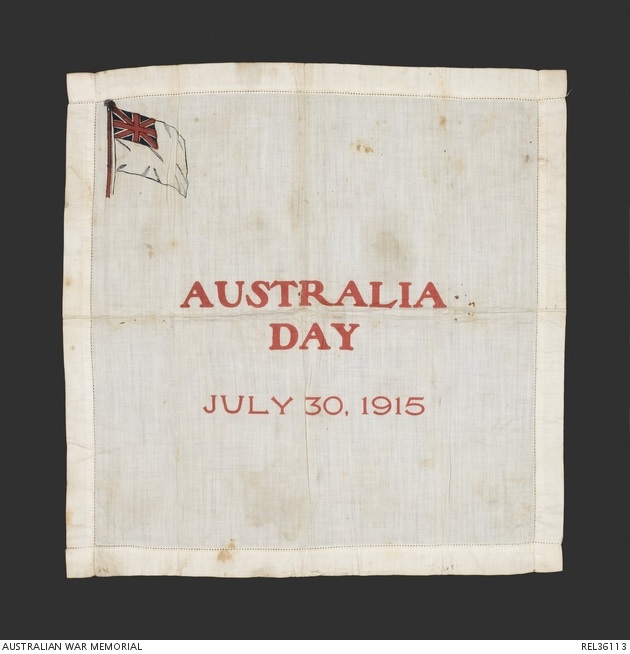
Australian women had a critical role in the first national Australia Day, which was held on 30 July 1915. The day was a wartime fundraiser for the Red Cross to assist repatriated sick and wounded soldiers returning to Australia from the Dardanelles (Gallipoli).
Ellen Wharton-Kirke of Manly, NSW, who had four sons fighting in the war, suggested the first Australia Day in early 1915 to aid sick and wounded soldiers.
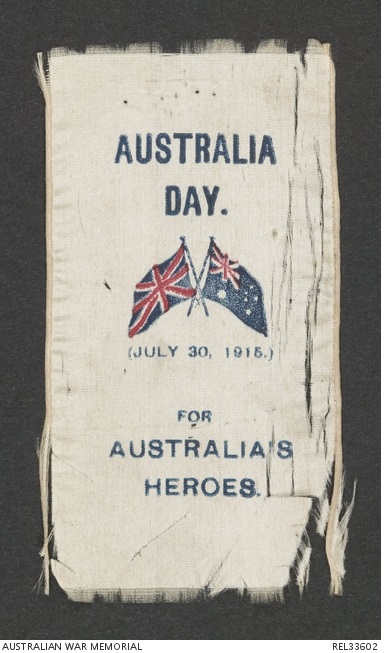
The wartime Australia Day story was about helping ‘shattered Anzacs’ – the maimed, crippled and wounded. (Larsson 2009:15-17)
During the First World War, Australia Day was held on 30 July 1915, 28 July 1916, 27 July 1917 (SA), 24 May 1917 (NSW), and 26 July 1918 (SA).
Between 1915 and 1918, Australia Day was war-specific, with fundraising handled by the Australia Day Appeal Committee for fundraising efforts nationwide.
The Australia Day Appeal in Camden was a record-breaking effort for the war.
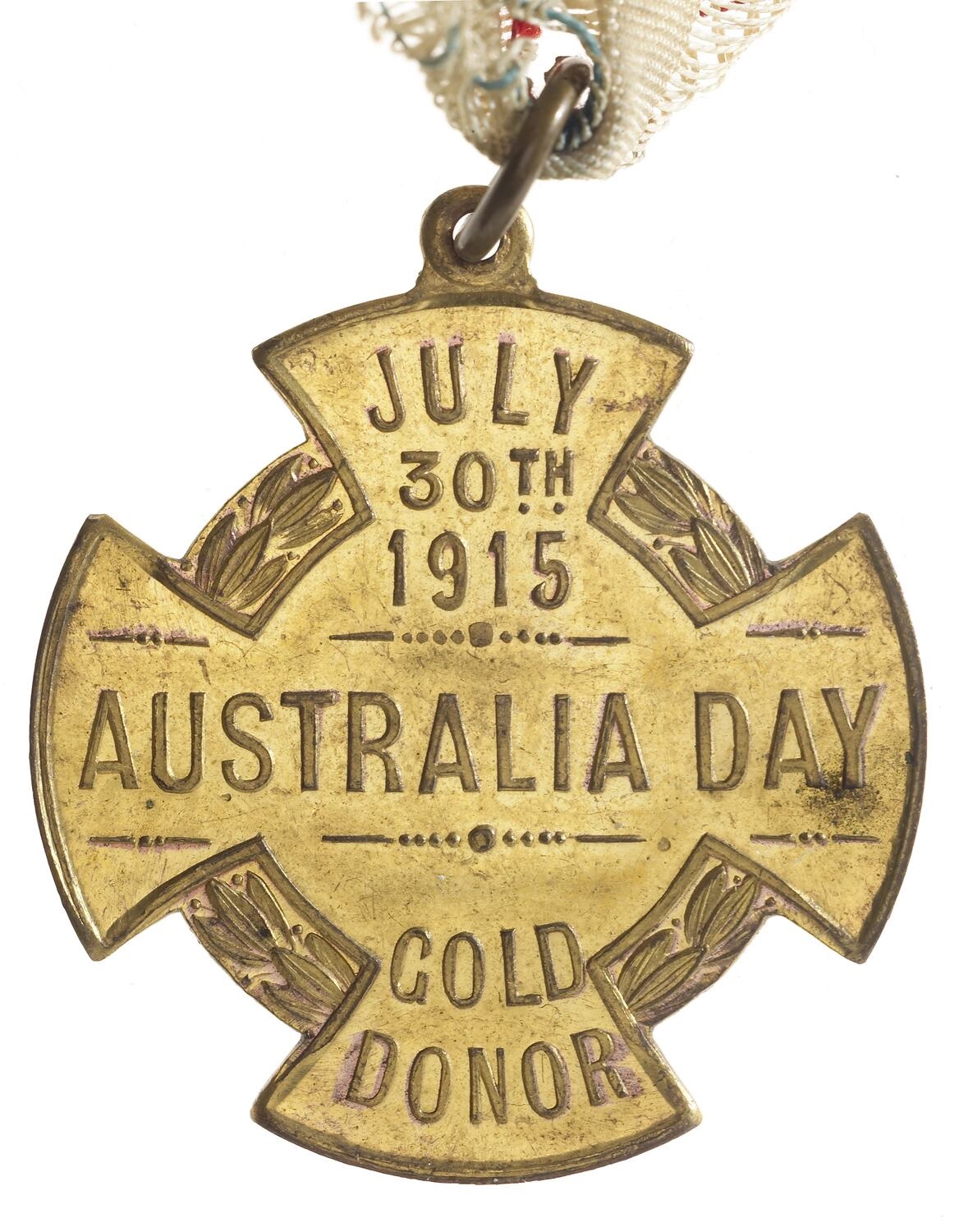
Following the wartime Australia Day efforts, the day would have been largely forgotten without the efforts of the Australian Natives Association (ANA).
ANA
The Australia Natives Association took ownership of January 26 and called it ANA Day in Victoria as early as 1887. (Fitzpatrick 1961)
The ANA fostered Australian nationalism, and Australia Day was part of those efforts.
According to James Haughton, some ANA branches referred to January 26 as Australia Day by the end of World War One. (Haughton 2018)
In 1930, the ANA annual conference resolved to name January 26 Australia Day and persuaded all states to accept this position by 1935. (Haughton 2018)
In 1915, January 26 was called Anniversary Day in NSW, celebrating the European landing at Sydney Cove in 1788. In other parts of Australia, January 26 was called Foundation Day.
There is a silence around the role of women in the wartime Australia Day story.
Women
The wartime origins of the Australia Day story are gendered and centred around Australian women occupying a public space generally occupied by men during patriotic fundraising events.
A woman, Mrs Ellen Wharton-Kirke, first proposed the idea for Australia Day in 1915.
Patriotic fundraising for the Red Cross Australia Day appeal was dominated by women, who comprised most of the volunteers who joined Red Cross branches around the country.
The narrative of ‘shattered Anzacs’ revolved around the caring role of women within the family and as nurses.
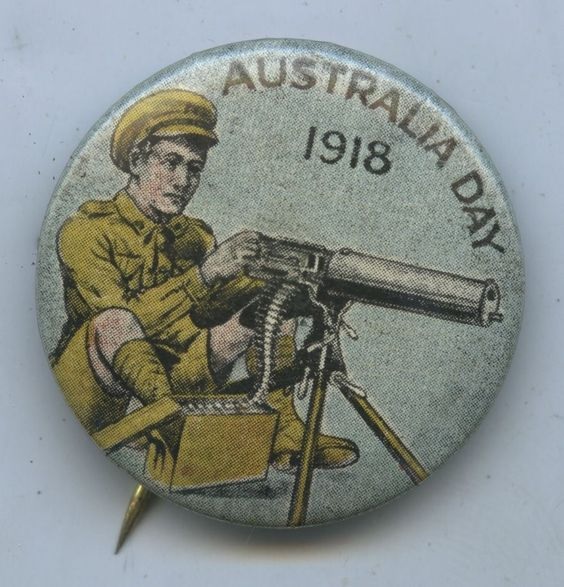
There is a deathly silence around the wartime story of Australia Day and its position within the narrative around the Anzac legend from the First World War.
The silence
Why is there a silence?
- Sick and wounded soldiers (diggers) did not fit the hero mythology that developed around the Anzac legend. The sick and wounded diggers returned to Australia as broken men and were generally cared for by women in a domestic caring capacity in private spaces.
- The Australia Day story is about patriotic fundraising on the home front, which was primarily undertaken by women.
- The 1915 Australia Day fundraising was for the Red Cross, an international relief organisation formed in wartime to tend the sick and wounded soldiers.
- The Anzac story was based on the hero myth of the digger. World War One recruitment posters showed an ideal soldier as a fit, strong and Anglo-Australian male. (DVA 2024)
- Women do not fit the hero mythology of the Anzac story. The Anzac story hero mythology developed around well and healthy men doing amazing things on the frontline.
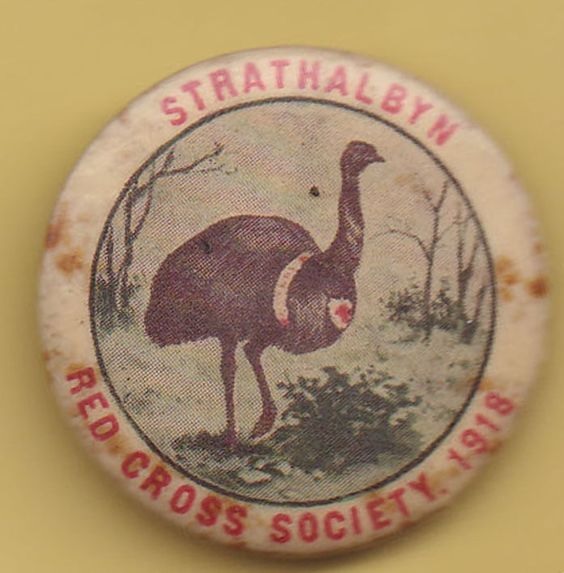
Interestingly, the first Australia Day on 30 July 1915 was held 11 months before the first Anzac Day on 25 April 1916, and there are other omissions.
Omissions
The Anzac story has ignored the role of the Red Cross and the role of women in patriotic fundraising during the First World War, particularly the groundbreaking role of the Red Cross in soldier convalescence in Australia.
The current discussion around Australia Day does not acknowledge the wartime origins of Australia Day and its original aims.
Contemporary arguments about Australia Day are about possession and dispossession and excludes those who were central to the 1915 Australia Day story, the ‘shattered Anzacs’, Australian women and ordinary Australians who generously supported the wartime fundraising efforts.
The military origins of Australia Day are rarely, if ever, acknowledged by the actors who are part of the narrative around Anzac Day.
These actors have never fully acknowledged the link between Australia Day and the Anzac story, then or now.
So, to sum up
The contemporary celebration of Australia Day should acknowledge its original intent of patriotic fundraising for the Red Cross to assist sick and wounded soldiers repatriated from the Gallipoli campaign.
Australian women played a crucial role in the first Australia Day, which was held on July 30, 1915, to support sick and wounded soldiers from World War I. Initiated by Ellen Wharton-Kirke, the day centered on fundraising for the Red Cross.
Women’s contributions remain overlooked in historical narratives surrounding Anzac legend. Acknowledging the wartime origins of Australia Day, wartime fundraising, and the role of the Red Cross and Australian women would enhance contemporary debates around Australia Day.
References
ANA (2024), Australia Day – Worthy of Celebration, Australian Natives Association. Online https://ausnatives.org/australia-day-worthy-of-celebration/
DVA (2024 ), The Anzac legend, DVA (Department of Veterans’ Affairs) Anzac Portal, Online https://anzacportal.dva.gov.au/wars-and-missions/ww1/personnel/anzac-legend
Fitzpatrick, Brian. (1961). Australian Natives’ Association, 1871-1961 : a history of A.N.A. since founded 90 years ago Melbourne. Online http://nla.gov.au/nla.obj-2262609850
Haughton, James (2018), A short history of Australia Day, and Aboriginal and Torres Strait Islander reactions to it. Flagpost. Australian Parliamentary Library. Online https://www.aph.gov.au/About_Parliament/Parliamentary_departments/Parliamentary_Library/Research/FlagPost/2018/January/Australia_Day_Indigenous_reactions
Larsson, Marina. (2009). Shattered ANZACs : living with the scars of war. Kensington, N.S.W. UNSW Press.
Discover more from Camden History Notes
Subscribe to get the latest posts sent to your email.

