
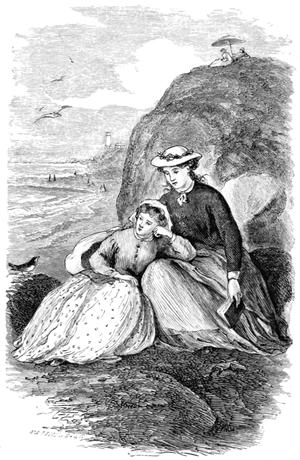
The trials of scarlet fever
Scarlet fever made its appearance in the Camden area in the late 1890s, prompting the establishment of the Camden Cottage Hospital in 1899.
Scarlet fever has been featured in books and movies, striking fear in the hearts of those who have been diagnosed with the disease. This impact was a powerful emotive tool in the hands of skilled writers.
Scarlet fever on a Camden dairy farm in 1897
A scarlet fever outbreak in 1897 on a Camden dairy farm led to the farm being quarantined, and the family lost their only source of income.
A letter writer to the Camden press in 1897 called for the foundation of a cottage hospital.
In his letter, Amicus argued that establishing a cottage hospital would ameliorate the dreadful situation in which farmers lost their income when a family member contracted scarlet fever and their farm was quarantined. (CN 27 May 1897)
The writer stated that it was obvious
That dairy-farmers have special reasons for dreading the epidemic of scarlet fever.
Amicus claimed the farmer’s family deserved the community’s ‘kindly consideration’, and believed providing a cottage hospital was ‘the truest economy’. (CN 27 May 1897)

The scourge of scarlet fever
An outbreak of scarlet fever in a farming area caused disquiet and considerable hardship for the affected dairymen and their families, and the Camden community were well aware of the issues.
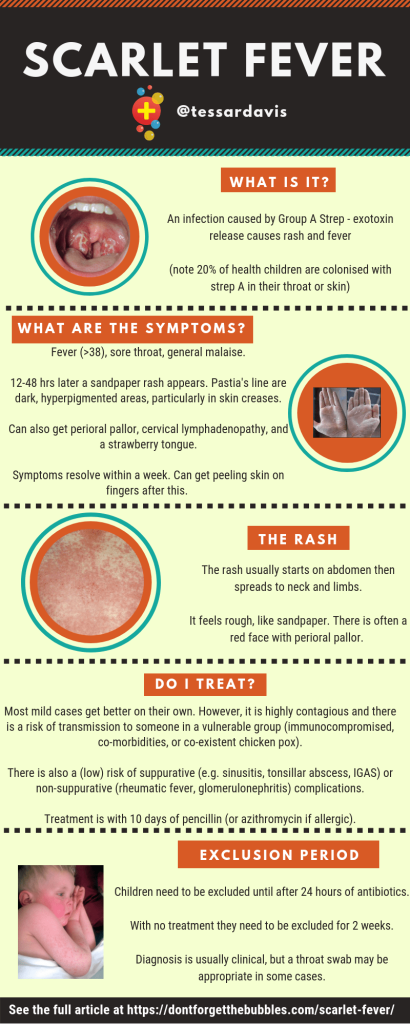
The 1875-1876 scarlet fever outbreak resulted in 2000 deaths in NSW and over 3200 deaths in Victoria, with 87% under 10 years of age. (Curson 2007) Symptoms included sore throat, a rash with swollen glands and was highly contagious, sometimes causing death. (Tout-Smith 2020)
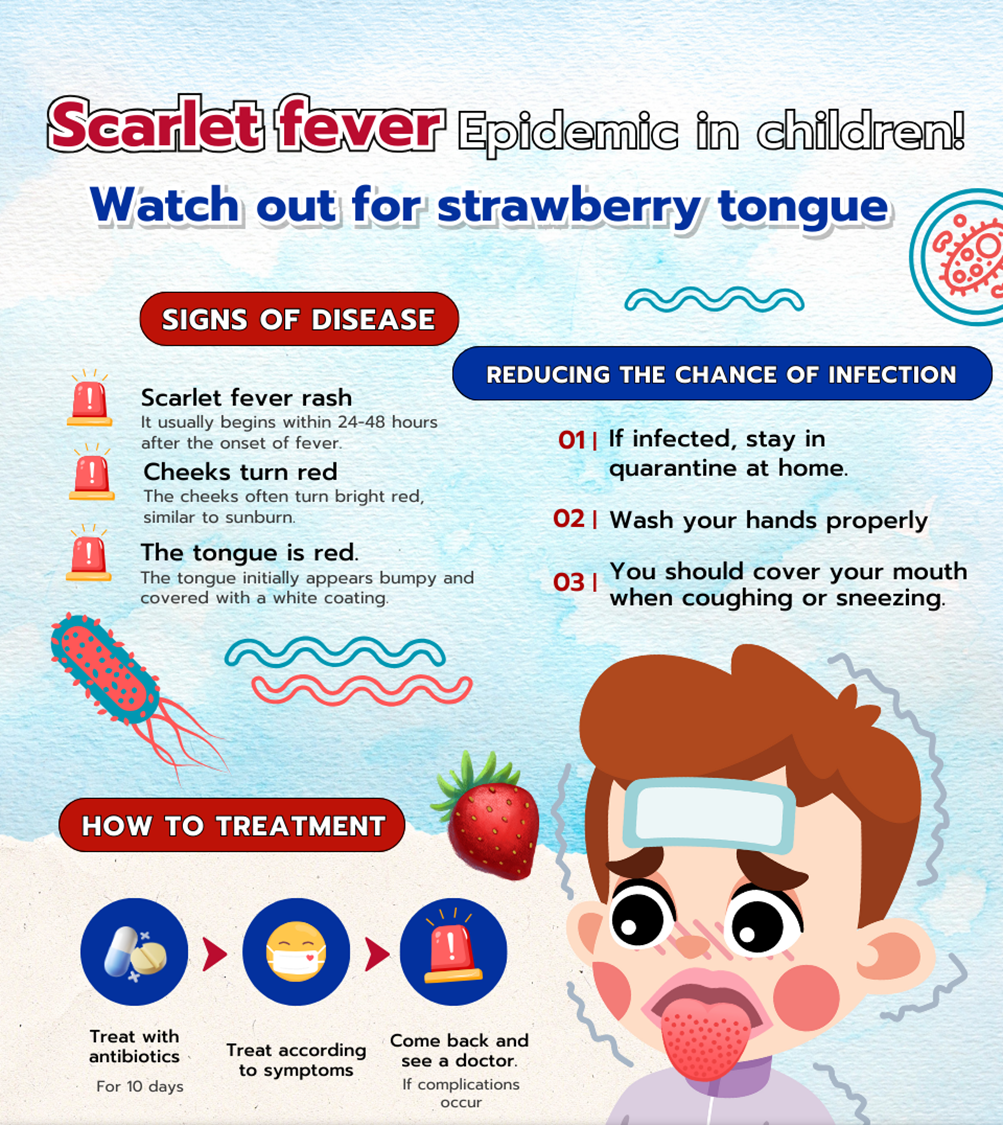
Scarlet fever was particularly concerning in dairy farming districts. It was highly contagious and spread by airborne droplets, as well as through contaminated food, particularly milk. In the 1890s, there was no cure, and an untreated case could be contagious for several weeks. (Felman 2023)
Scarlet fever was the subject of books
Irish doctor Emily Boyle writes in the medical humanities journal Hektoen International that scarlet fever has often been the subject of literature throughout the centuries.
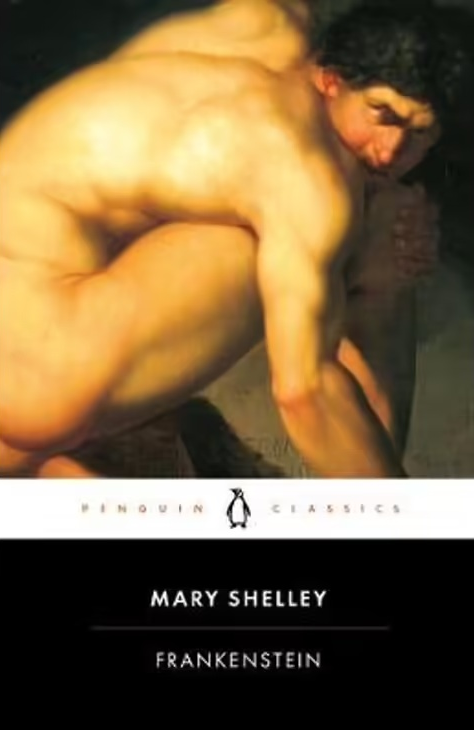
The character Elizabeth in Mary Shelley’s novel Frankenstein contracts scarlet fever at 16 years of age. She is nursed by her mother, Caroline, who also catches scarlet fever for three days. Shelley writes that Elizabeth’s fever was accompanied by the most alarming symptoms. Although Elizabeth recovers, Caroline dies. For Shelley, this incident shaped the remainder of the novel.
In 1922, Margery Williams Bianco’s popular British children’s book, The Velveteen Rabbit, features a well-known portrayal of scarlet fever. The boy who is the owner of the velveteen rabbit falls ill with scarlet fever and displays many of the typical symptoms: “his face grew very flushed, and he talked in his sleep, and his little body was so hot that it burned the Rabbit when he held him close.”
Louisa May Alcott’s Little Women (1868) features a famous portrayal of scarlet fever that profoundly affects the lives of the four March sisters in 19th-century Concord, Massachusetts. The character Beth visits a poor family where the baby has contracted scarlet fever and is nursed at home. Beth’s sister Amy is sent away, and Beth contracts scarlet fever. Eventually, Beth recovers but has an extended convalescence. In Alcott’s follow-up sequel, Good Wives (1869), Beth eventually dies at 19 years of age in her mother’s arms.
In Laura Ingalls Wilder’s famous series of Little House on the Prairie (1935), which is based on Laura’s memoir. Her older sister, Mary, became completely blind at the age of fourteen after an acute episode of scarlet fever. Although there is conjecture about this. (Boyle 2020).
The Scarlet Letter (1850) by Nathaniel Hawthorne. While not a direct depiction of scarlet fever, the novel uses the colour scarlet to represent shame and sin through Hester Prynne’s scarlet letter A. The colour’s association with the disease in the popular imagination adds another layer of meaning to the story’s symbolism. (Smith, 2013).
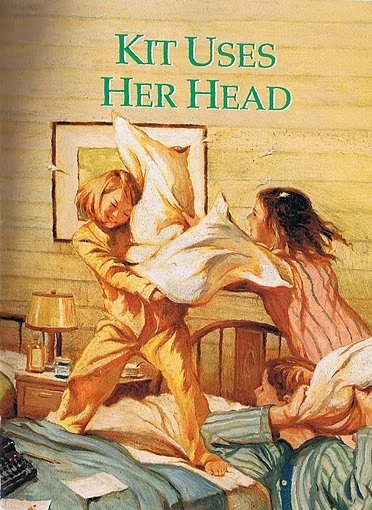
Valerie Tripp used scarlet fever as a plot line in her American Girl’s Kit Kittredge short story Kit Uses Her Head, which was published in Kit’s Short Story Collection (2006). The characters Kit, Stirling, and Ruthie are diagnosed with scarlet fever. The house is quarantined, and the children are confined to their bedrooms for six weeks. They all eventually recover. (Contributors 2021).
Movies portray scarlet fever
In movies, Gibson writes that Gene Wilder’s character in See No Evil, Hear No Evil (1989) went deaf due to scarlet fever.
In Osmosis Jones, the main antagonist, Thrax, is a Scarlet Fever virus intent on getting himself in the medical records by overheating Frank’s body in record time. In Love’s Everlasting Courage (2011) Ellen Davis dies of scarlet fever.
In the movie Anne of Green Gables: The Continuing Story (1999), Gilbert Blythe (Anne’s love interest) contracts scarlet fever in the hospital while studying medicine. During this time, Anne promises to marry him, which is said to be what helped him survive. (Gibson 2017).

Famous people and scarlet fever
According to Boyle, many famous people have contracted scarlet fever, including Thomas Edison, Johann Strauss, and two sons of Charles Darwin. (Boyle 2020).
Maria Franziska von Trapp, the second daughter of Captain Georg von Trapp, suffered from scarlet fever and infected her mother, Agathe Whitehead, who died from the disease. Maria von Trapp then entered the family, giving rise to the story behind The Sound of Music. (Gibson 2017)
Scarlet fever, a metaphor for female infatuation with military men in wartime
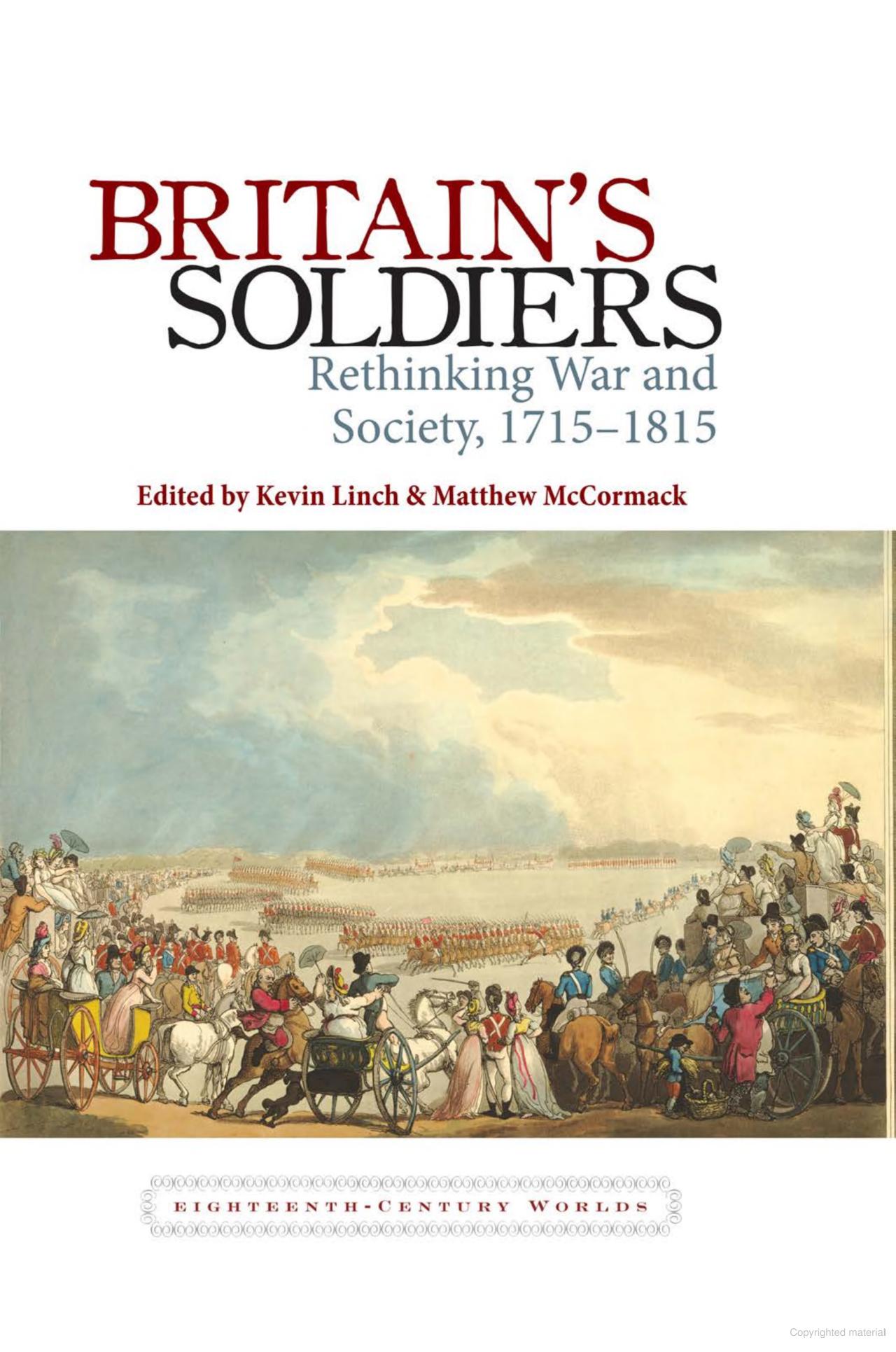
Louise Carter writes that in Georgian England, scarlet fever was often conflated with a fascination among women with military men in red uniforms during wartime. In 1804, a letter writer in the Sporting Magazine warned of this malaise and compared it to the disease scarlet fever. The letter writer maintained that
Unlike its pathological namesake, this variety of scarlet fever did not result in a rash, sore throat or raised temperature. Nevertheless, it was to be regarded as potentially just as dangerous since it caused women to swoon and throw caution to the wind at the sight of a military man turned out in his regimental finery. The contagion was also reported to be highly infectious and already spreading rampantly through boarding schools and families with young daughters. Indeed, since military men themselves seemed only too keen to encourage a full-blown epidemic to blossom, the author feared that evermore British women might soon succumb to the passions and follies aroused by scarlet fever. (Carter 2014)
Scarlet fever in art
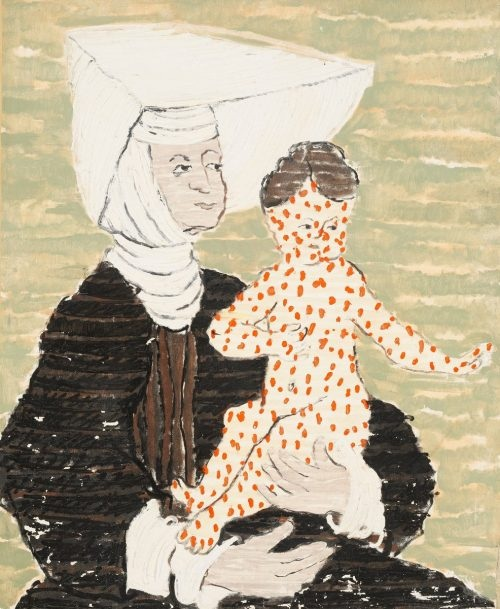
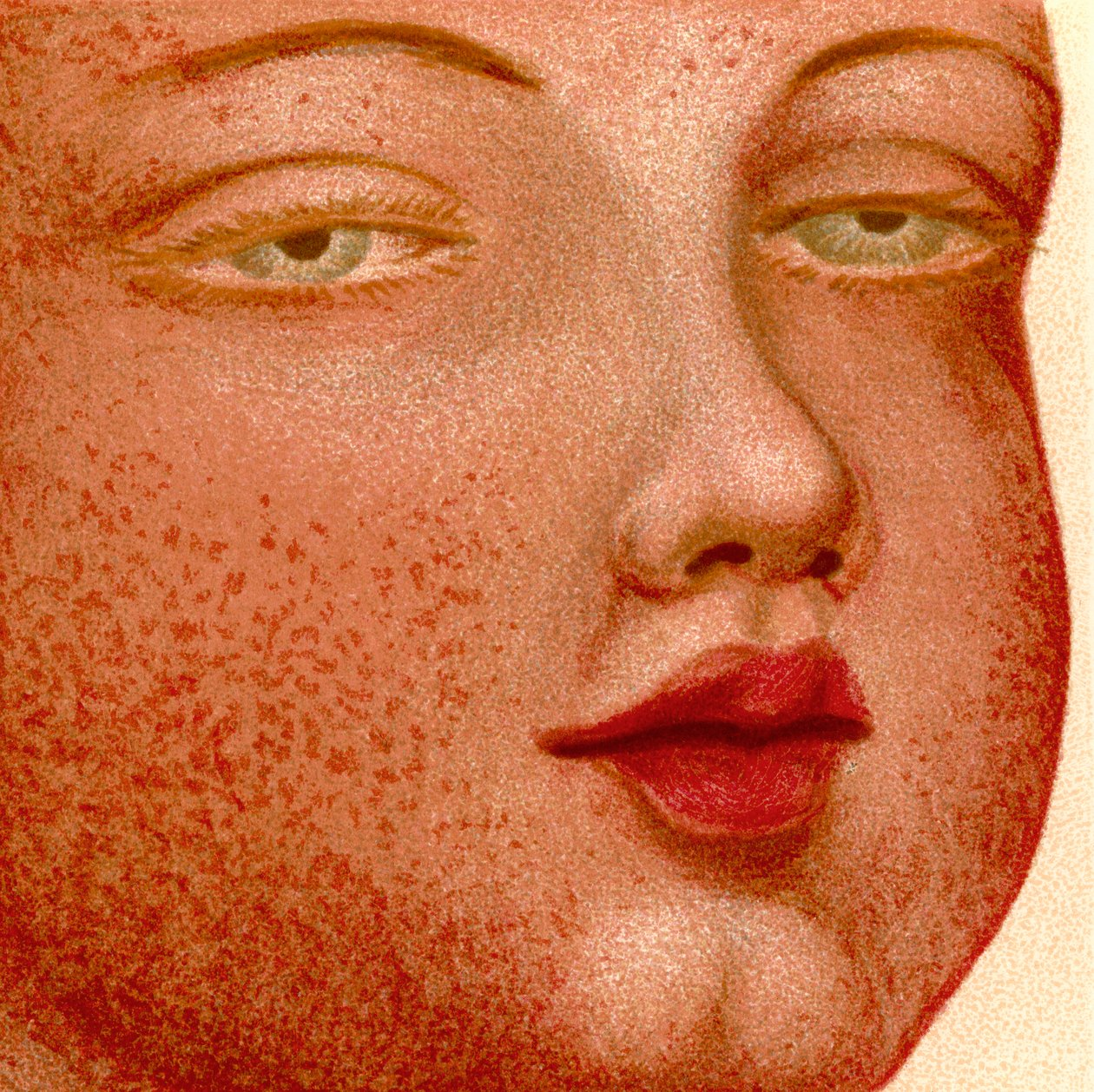
Why was scarlet fever the subject of books and movies?
Before the invention of antibiotics, scarlet fever was common and sometimes fatal in children, particularly in the 19th century.
Scarlet fever was a frightening part of pre-antibiotic life, and it appeared in stories as a source of illness, death and social disruption. (Science Direct 2025).
The inclusion of scarlet fever in stories allowed the author to use fear and anxiety in the readers, creating a sense of realism and shared experiences. (Mott 2013).
Scarlet fever could be used to drive plot points, such as a character’s illness and recovery (or death), or to highlight the challenges of living in a time without modern medicine. It could also be used to explore themes of social class and inequality, as scarlet fever impacted all levels of society. (Science Direct 2025).
According to Mott, scarlet fever can strike fear in the hearts of patients with a diagnosis, especially given the disease’s history. This lingering perception, combined with the historical presence of the disease, can add depth to literary and cinematic portrayals. (Mott, 2013).
References
Boyle, Emily (2020). ‘Scarlet letters’ — The depiction of scarlet fever in literature – Hektoen International. [online] Hektoen International – An online medical humanities journal. Available at: https://hekint.org/2020/04/28/scarlet-letters-the-depiction-of-scarlet-fever-in-literature
Carter L. (2014) Scarlet Fever: Female Enthusiasm for Men in Uniform, 1780–1815. In: Linch K, McCormack M, eds. Britain’s Soldiers: Rethinking War and Society, 1715–1815. Liverpool University Press; 2014:155-180.
Contributors (2021). Kit Uses Her Head. [online] American Girl Wiki. Available at: https://americangirl.fandom.com/wiki/Kit_Uses_Her_Head [Accessed 17 Jul. 2025].
Curson, Peter 2007, Epidemics and Pandemics in Australia. Weber Teleclass ppt. Online at https://webbertraining.com/files/library/docs/144.pdf
Felman, Adam 2023, What you need to know about scarlet fever. Medical News Today. Online at https://www.medicalnewstoday.com/articles/176242. (Viewed 20 December 2024)
Gibson, M. (2017). Scarlet fever historical perspective – wikidoc. [online] Wikidoc.org. Available at: https://www.wikidoc.org/index.php/Scarlet_fever_historical_perspective [Accessed 13 Jul. 2025].
Mott, C. (2013). Literary ‘Misdiagnosis’ of Scarlet Fever for Little House Character. [online] Infection Control Today. Available at: https://www.infectioncontroltoday.com/view/literary-misdiagnosis-scarlet-fever-little-house-character [Accessed 17 Jul. 2025].
Science Direct (2025). Scarlet Fever – an overview | ScienceDirect Topics. [online] http://www.sciencedirect.com. Available at: https://www.sciencedirect.com/topics/medicine-and-dentistry/scarlet-fever.
Smith, G. (2013). Scarlet Letter | Mass.gov. [online] http://www.mass.gov. Available at: https://www.mass.gov/news/scarlet-letter.
Tout-Smith, D. (2020) Scarlet Fever Epidemics in Victoria in Museums Victoria Collections https://collections.museumsvictoria.com.au/articles/16828 Accessed 26 December 2024
Discover more from Camden History Notes
Subscribe to get the latest posts sent to your email.

