
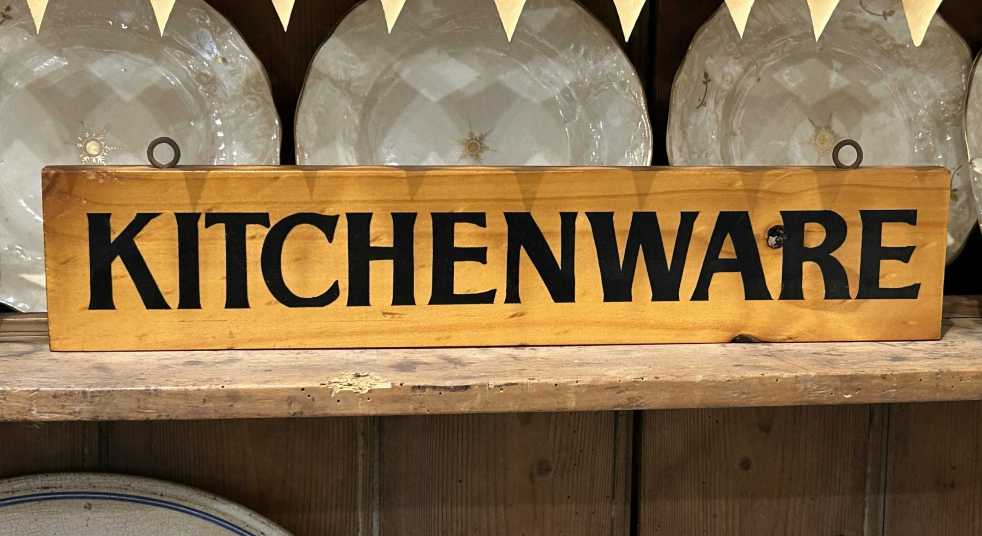
Kitchen objects serve as storytellers of women's roles, cultural heritage, and domestic life. They represent historical survival and innovation in a gender-defined space, showcasing creativity amidst confinement. Artifacts like pressure cookers and gas stoves illustrate the evolution of cooking and community engagement, reflecting women's agency in the domestic sphere.
Tag: Photography


Understanding the Horizon: A Metaphor for Life
Viewing the horizon offers both psychological and physiological benefits, promoting calmness and expansive thinking. It symbolizes life's never-ending journey for knowledge and understanding. The horizon encourages exploration beyond immediate concerns, reflecting the continuous pursuit of potential, while open landscapes significantly enhance mental well-being and foster a deeper connection with nature.
Share this:

Share this:
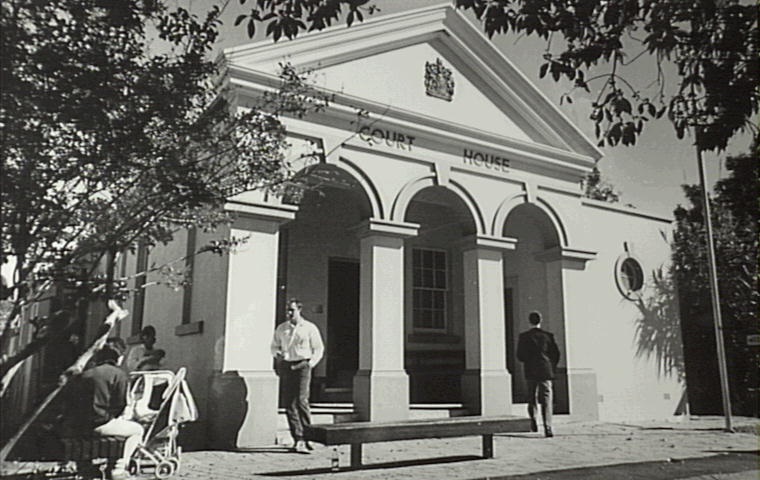
The Closure of Camden Courthouse: A Legal Legacy Lost
The Camden courthouse, a heritage building with a rich legal history, was closed in 2021 due to safety concerns and insufficient capacity for a growing urban area. Despite community opposition, its closure marked the end of its 165-year service. There's potential for revitalization as a community asset, similar to other repurposed courthouses.
Share this:

Share this:
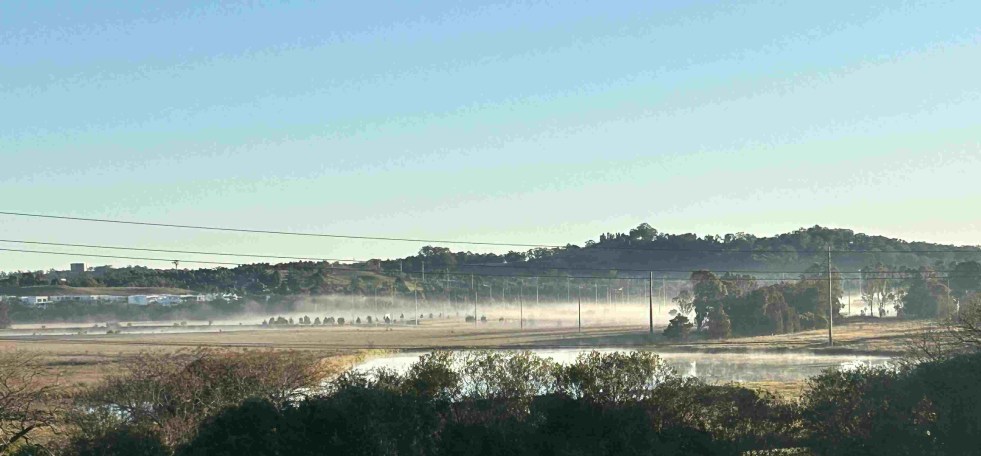
Camden’s Herberts Hill: Views, History, Culture and Walk
Herberts Hill, also known as Rheinbergers Hill, offers scenic pathways for walkers and joggers, revealing stunning views over the Nepean River floodplain. Historically significant, the site is linked to early English settlers, particularly Thomas Herbert, whose life reflects the colonial narrative of New South Wales. The hill provides important cultural insight and recreational opportunities.
Share this:

Share this:
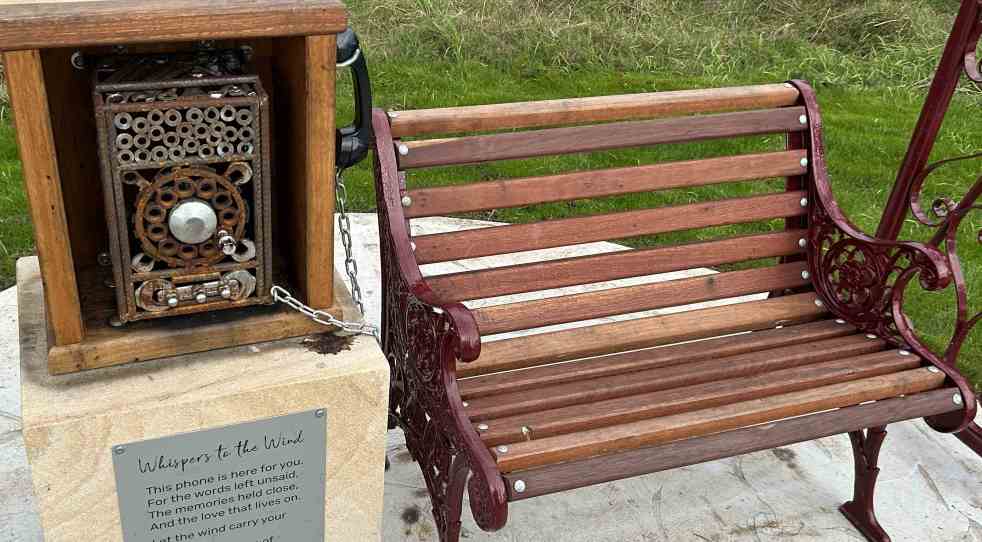
Whispering in the Wind: A Unique and Contemplative Art Installation in Camden
A new art installation, "Whispering in the Wind," has been unveiled along the Nepean River Trail in Camden, NSW. Created by artist Quinton Laws using recycled materials, the wind phone provides a space for reflection and connection for those grieving. Inspired by global installations, it encourages open expression of emotions.
Share this:

Share this:
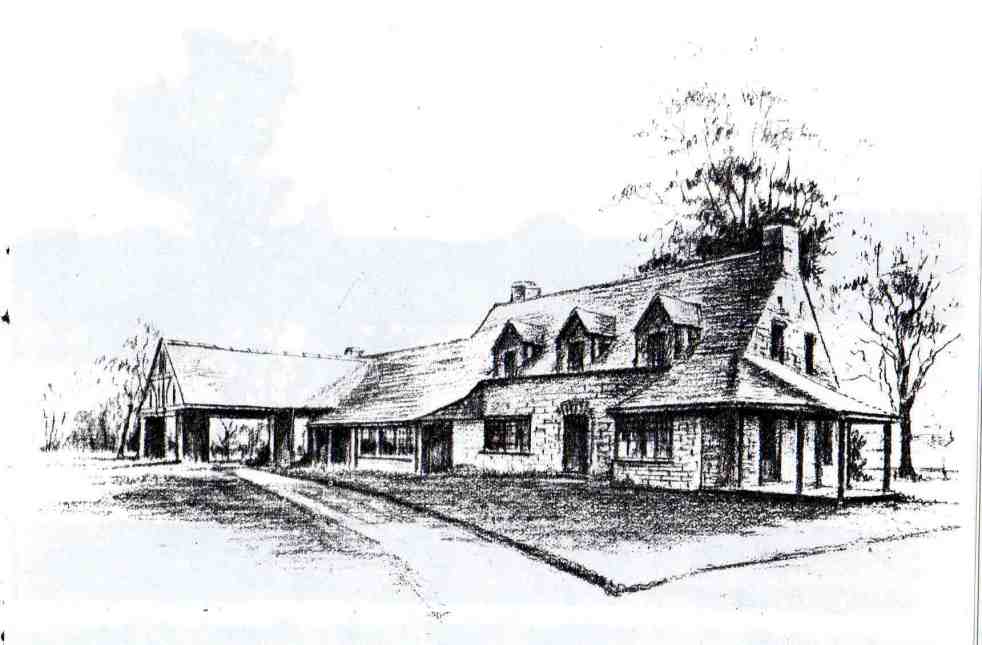
Camden’s Unique Interwar Tudor Revival Milk Bar
The Camden Vale Inn Milk Bar, opened in 1939, was created to promote disease-free milk from Camden Park Estate during a period of health awareness. Designed in an 'Old English' style by architect Cyril Ruwald, it featured drive-through service and supported the Red Cross during WWII. It later evolved into a restaurant and hotel.
Share this:

Share this:
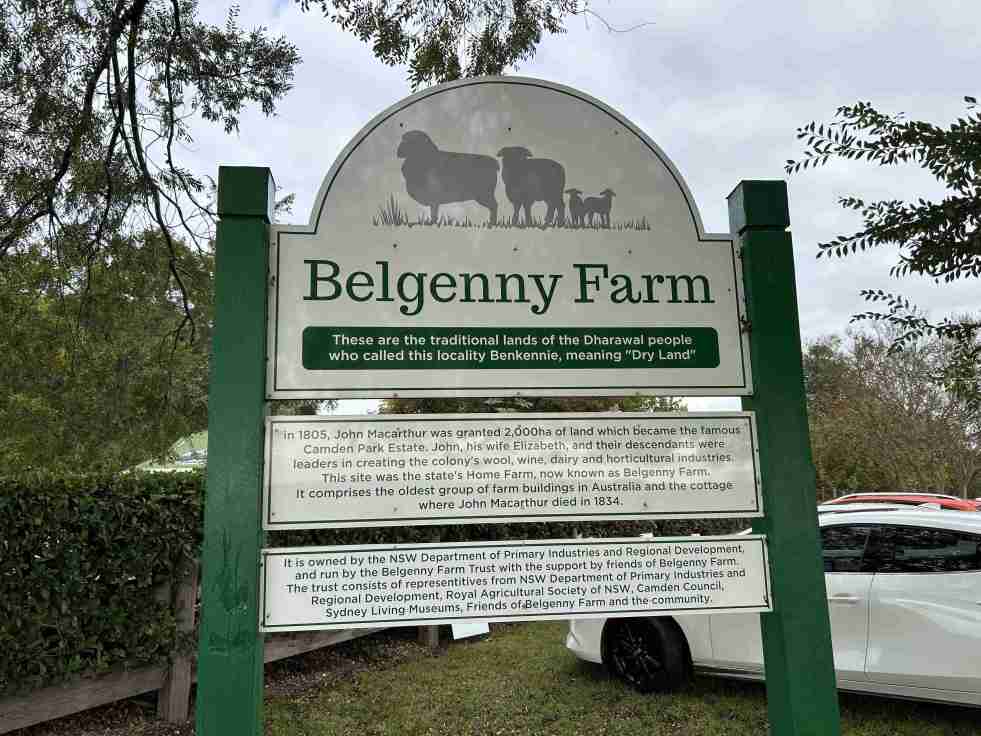
Cultural Tourism Success at Belgenny Farm
The Belgenny Farm Pioneer Farm Day successfully engaged visitors with Australia’s oldest farming complex, showcasing historical trades, games, and tours despite overcast weather. Families enjoyed activities like croquet and scavenger hunts, emphasizing the site's rich agricultural history and cultural significance. The event highlighted community involvement and fostered appreciation for heritage.
Share this:

Share this:
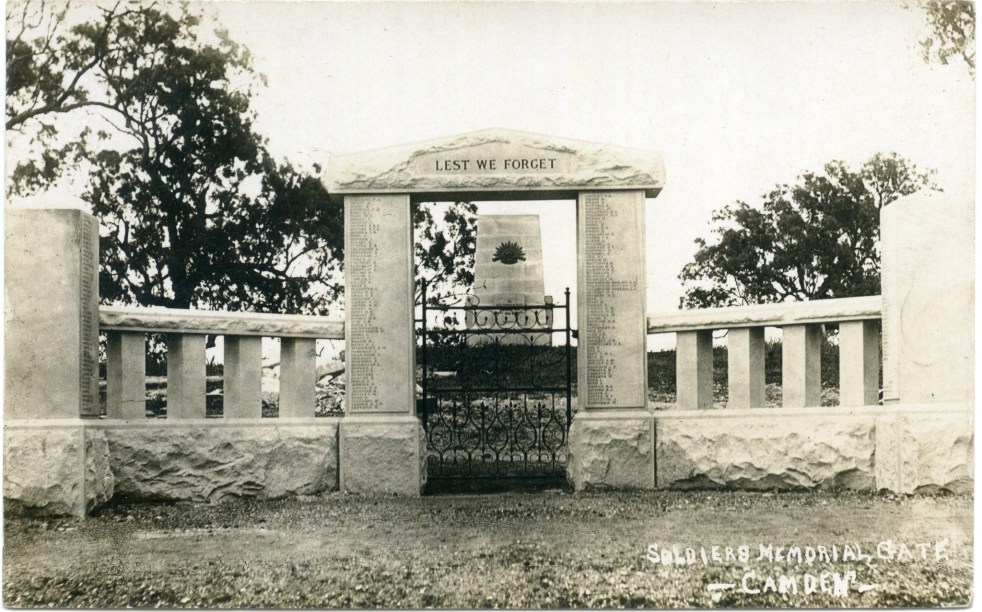
Camden’s Anzac Precinct: A Historical Reflection
Camden’s World War One Anzac precinct, located in Macarthur Park, features a cenotaph, memorial gates, and war trophy guns that commemorate local soldiers' sacrifices. The memorials were completed in 1922 amid mixed community support. Over time, the precinct has become a sacred site, reflecting shifting attitudes toward remembrance and honouring the war dead.
Share this:

Share this:
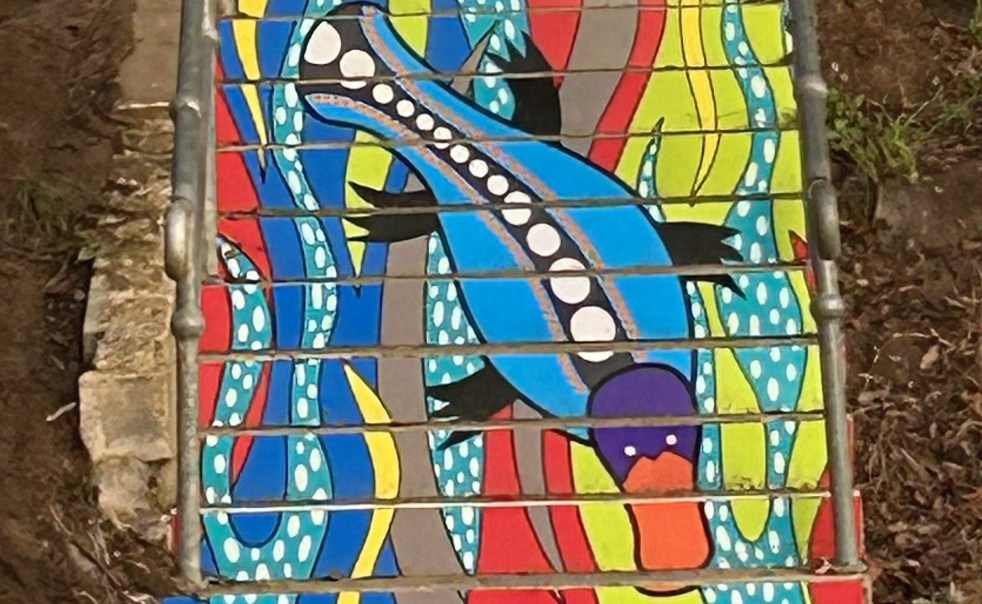
Exploring ‘By the River’: A Public Art Installation in Camden
Danielle Mate's art installation, "By the River," adorning the stairs between Chellaston Reserve and Little Sandy footbridge, features a platypus motif that reflects local Indigenous heritage. Commissioned by Camden Council and developed with community input, it enhances the area while celebrating its rich cultural history and ecology.
Share this:

Share this:
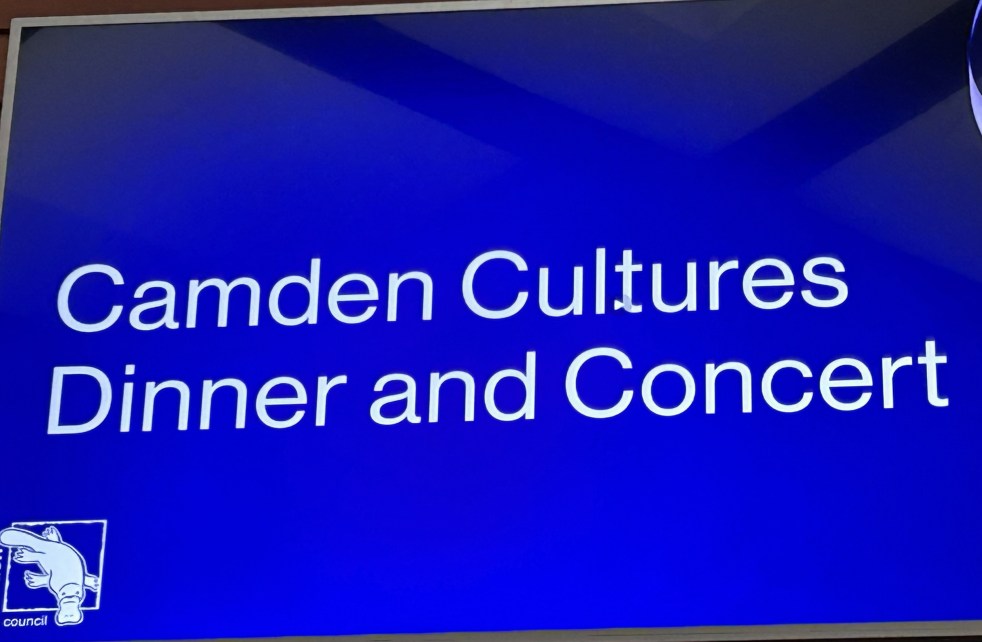
Celebrating Diversity at Camden’s Cultural Concert and Dinner
On March 27, 2026, Camden Civic Centre hosted a Cultural Concert and Dinner, attracting over 200 attendees. The event, part of Multicultural March, showcased diverse performances, promoting inclusion and belonging within the community. Mayor Theresa Fedeli celebrated Camden’s cultural richness, emphasizing the importance of unity and connection among different backgrounds.

