

What is cultural memory?
When the community’s understanding of the past is put together from artefacts, documents, monuments, and other symbols, it is called cultural memory.
Cultural memory is the constructed understanding of the past, passed from one generation to the next through texts, oral traditions, monuments, rites, and other symbols. (NGS 2023)
Cultural memory encompasses how a community, like Camden, constructs its understanding of the past through symbols, traditions, and histories passed down through generations. It shapes community identity, allowing members to connect with shared values and experiences. Unlike history and heritage, cultural memory plays a crucial role in shaping community narratives.
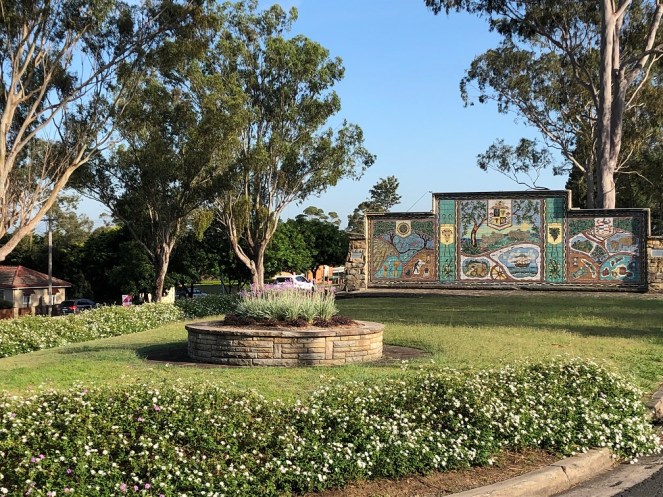
What is memory?
A person’s memory is a sea of images and other sensory impressions, facts and meanings, echoes of past feelings, and ingrained codes for how to behave—a diverse well of information.(Psychology Today 2024)
What are cultural symbols?
The Camden community (Camden LGA) understands and interprets local culture through cultural symbols.
What is culture?
Culture is the learned behaviour of people, including their languages, belief systems, social structures, institutions, and material goods. It is also a group of people that share the same cultural traits and values, and is the way of life specific to a community. (NGS 2023)
What is identity?
Identity is defined by qualities, beliefs, personality traits, and expressions that characterise a person or a group. The Camden community identity is made of the qualities, beliefs, traits and expressions that characterise local individuals and groups.
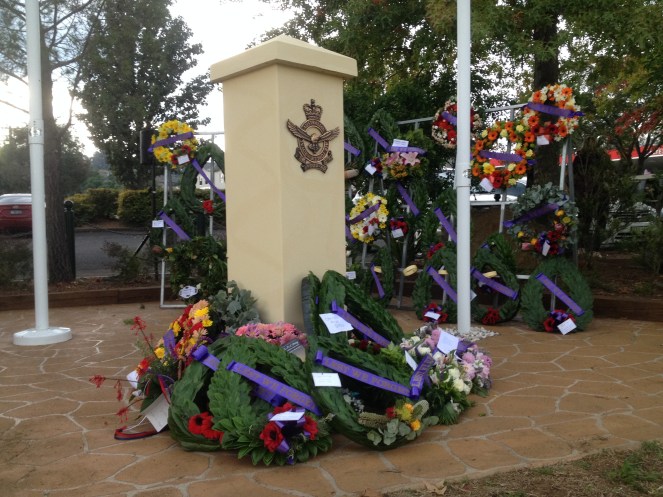
What are some of Camden’s Cultural Symbols (Camden LGA)?
- Text, photographs, interviews – Books at the Camden Library; photographs at the Camden Museum;
- Traditions – Anzac Day; Camden Show; Christmas Day; New Year; Diwali; Ramadan;
- Celebrations – Weddings, Birthdays, Births, Anniversaries, Funerals
- Commemorations – Anzac Day; Remembrance Day; Bastille Day;
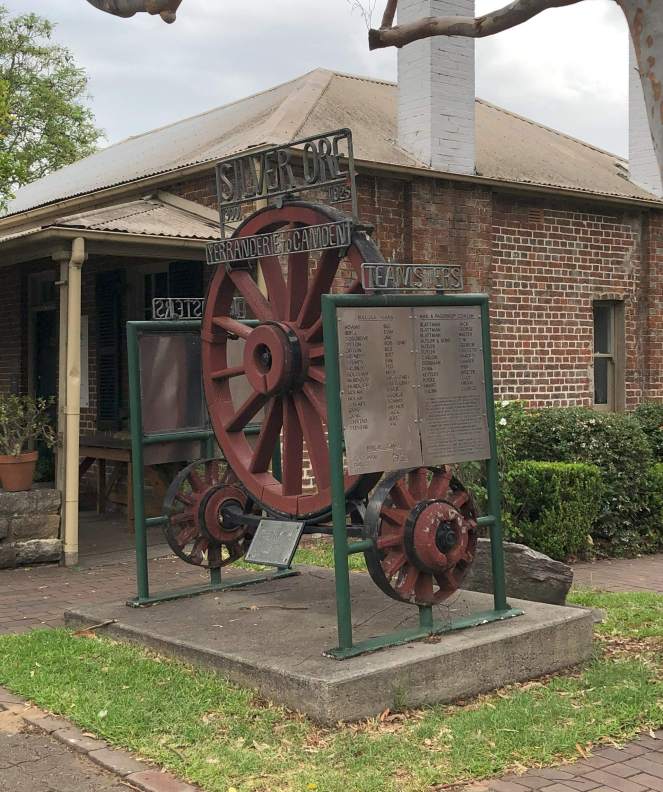
- Monuments – Camden Rotary Pioneer Mural; Fountains; Water troughs;
- Memorial – Teamsters Memorial; Camden Cenotaph; Rotunda Macarthur Park; Memorial Gates at Macarthur Park; Onslow Park; Camden Swimming Pool;
- Rites – getting a driver’s license; learn to swim;
- Stories – Camden Museum
- Exhibitions – Camden Museum, Alan Baker Art Gallery;
- Art – Alan Baker Art Gallery; Camden Art Prize; public art;
- Roads – John Street; Elizabeth Street; Edward Street; Mitchell Street; Oxley Street;
- Objects, artefacts and ephemera – Camden Museum
Cultural memory is a form of constructed memory that transmits shared values or other aspects of culture.
Cultural memory is shared by a group of people and is often preserved in objects, such as museums or historical monuments.(NGS 2023)
Cultural memory is one way of telling the Camden story.
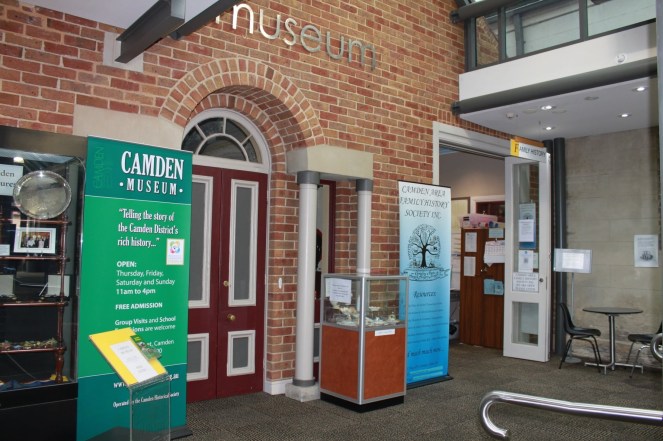
What is the cultural memory at the Camden Museum?
At the Camden Museum, these are the exhibits the visitor sees upon entering.
These are the stories told by the members of the Camden Historical Society about the objects, artefacts, and ephemera.
Each object or artefact has a story. What is that story? Who is telling it? Why are they telling it? What is the context? What values do they represent? Whose values do they represent? Are they significant? What is the basis for that significance? What do they mean to the community? What do they mean to the nation?
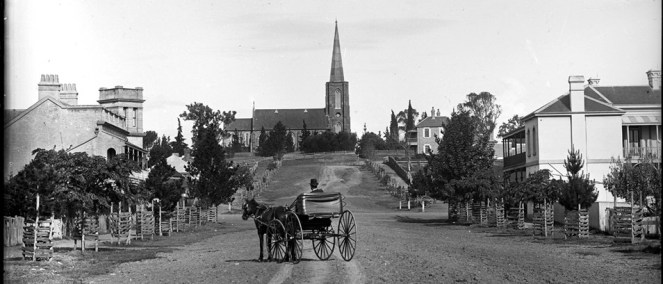
What is the cultural memory of John Street, Camden?
- Churches
- Schools
- Houses
- Galleries
- Built heritage
- Businesses
- Memorials
- Farmland
What is the cultural memory of the Cowpastures?
- Public art
- Memorials
- Statues
- Murals
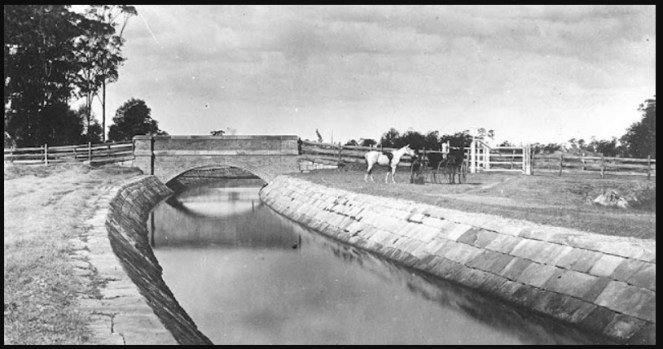
- Historic sites
- Roads
- Bridges
- Conferences
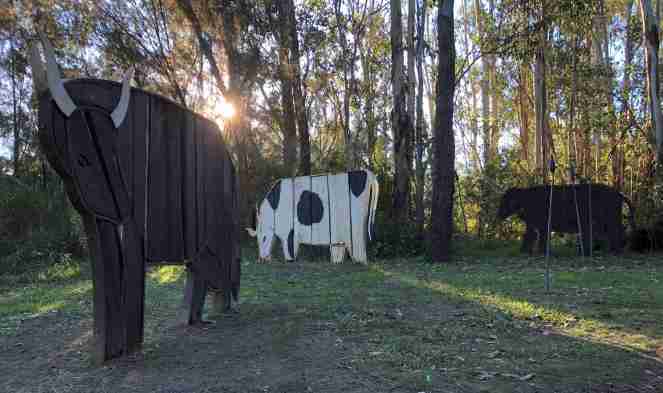
There are many ways to construct cultural memory of the Camden LGA.
Cultural memory is long-lasting, in the case of Indigenous Australians, thousands of years.
What are the functions of cultural memory?
Cultural memory can serve several functions in the Camden community.
It can assist us
- Crystallises shared experiences of the community
- Allow us to understand the past, and the values and norms of the community
- Create a form of shared identity for the community
- Transmits shared identity to new members of the community
- Can bring about a spirit of survival or resistance among marginalised groups of people, especially those with past trauma (NGS 2023)
Telling the Camden story could serve all of these functions.
Is cultural memory the same as history or heritage?
History is the study of the past, especially people and events. People do this by interpreting and understanding the past from different perspectives and by examining change and continuity.
History is not to be confused with the past. The past is fixed and cannot be changed. It is concrete and unchangeable. Whereas history is subject to constant re-evaluation and re-interpretation. Historians may approach history in different ways, called perspectives. The study of how history changes is called historiography. (Llewellyn & Thompson, 2025)
The Camden story could be written from different perspectives, eg, community leaders, or events or farming or businesses. Others might look at the town through a thematic lens, examining the factors and forces that produced crucial historical change, such as urban growth, wars, or economic booms and busts.
Heritage is what we have inherited from the past to value and enjoy in the present, and to preserve and pass on to future generations. Types of heritage consist of natural and cultural (man-made) heritage, as well as tangible and intangible heritage. (The Heritage Council, 2025. )
Heritage is not to be confused with history. History tells us what happened in the past; Heritage describes surviving materials of the past – evidence that exists now – in the present. There is a tension between what different generations consider important from the past. (Halstead 21st Century Group 2025)
Reflection
The cultural memory of the Camden community is alive and well. It is told through the Camden story.
For European Australians, cultural memory has been constructed since European settlement, and for Indigenous Australians, it has been built over thousands of years.
Cultural memory answers questions like: Who are we? Where did we come from? Who are our ancestors? What is important to us from the past? What are the stories that are told about our community? Who tells these stories? What stories are not told? Why not? What does this say about our community?
Identity is how a person or a community defines themselves, or how others define them. Memory is simply recollections from the past. Memory enables people to learn from past experiences and apply that knowledge in present circumstances. It is critical to identity.
The Camden community’s shared values are founded in cultural memory. These contribute to a collective sense of place and community identity. Not everyone shares this sense of place and community identity. Why not? What does this say about our community? Are new arrivals welcome to share these values and ideas? If not, why not?
The Camden History Notes blog answers some of these questions. Many questions remain unanswered. Why?
For the unwary, there is a trap that cultural memory is confused with history or heritage. They are all very different.
References
Halstead 21st Century Group 2025. History or Heritage – and what’s the difference anyway? Halstead 21st Century Group Blog. https://www.halstead21stcentury.org.uk/blog/70/history-or-heritage—and-what’s-the-difference-anyway (Viewed 30/12/25)
Llewellyn, Jennifer & Steve Thompson 2025. ‘What is history?’ Alpha History. Online https://alphahistory.com/what-is-history/ (Viewed 30/12/25)
National Geographic Society (NGS) (2023). Cultural Memory. [online] education.nationalgeographic.org. Available at: https://education.nationalgeographic.org/resource/cultural-memory/. (Viewed 30/12/25)
Psychology Today (2024). Types of Memory. [online] Psychology Today. Available at: https://www.psychologytoday.com/au/basics/memory/types-of-memory (Viewed 30/12/25)
The Heritage Council, 2025. ‘What is heritage?’ The Heritage Council, Ireland. Online https://www.heritagecouncil.ie/about/what-is-heritage (Viewed 30/12/25)

Discover more from Camden History Notes
Subscribe to get the latest posts sent to your email.

