
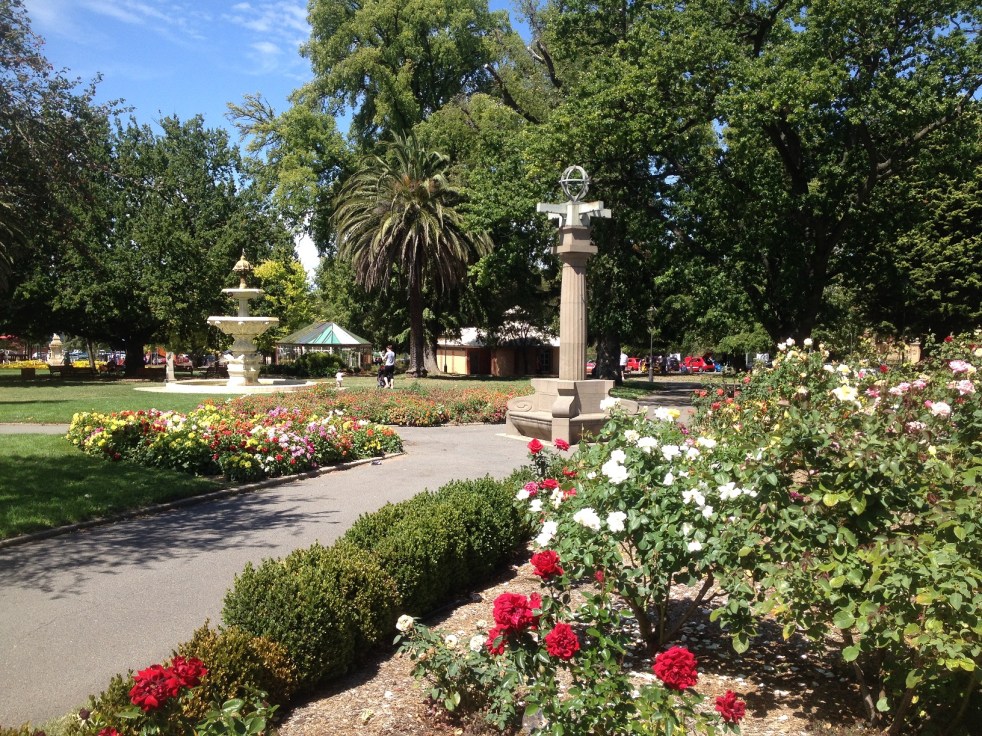
A formal urban park
In central Goulburn, on the New South Wales Southern Tablelands, is a lovely urban space known as Belmore Park. Since the mid-19th century, the park has a formal, symmetrical layout. This was typical of many 19th-century Victorian urban parks, with paths crossing it on the diagonal for promenading and adding to the balance of the space. The park is abutted by lovingly conserved 19th-century architecture and the Victorian-designed railway station, which all add to the ambience of the precinct in the town’s heritage centre.

The origin of urban parks has been traced to a number of sources. At its simplest, it was an open space that became the village green, or there were grassed fields and stadia in Greek cities, or they were an open area with a grove of sacred trees. By the medieval period, they were open grassed areas within or adjacent to a village where the lord allowed the common villagers to graze their animals. Some were royal hunting parks that date from ancient days where the king walled off a section of forest to keep out poachers. From the 18th century, French and British noblemen were aided by landscape designers like Capability Brown to design private parks and pleasure grounds. The Italians had their piazza, which was usually paved. In the United Kingdom, the establishment of Birkenhead Park in 1843, Central Park in New York in the mid-1850s, Philadelphia’s urban park system in the 1860s, Sydney’s Governors’ Domain and Hyde Park all had an influence.
Market Square
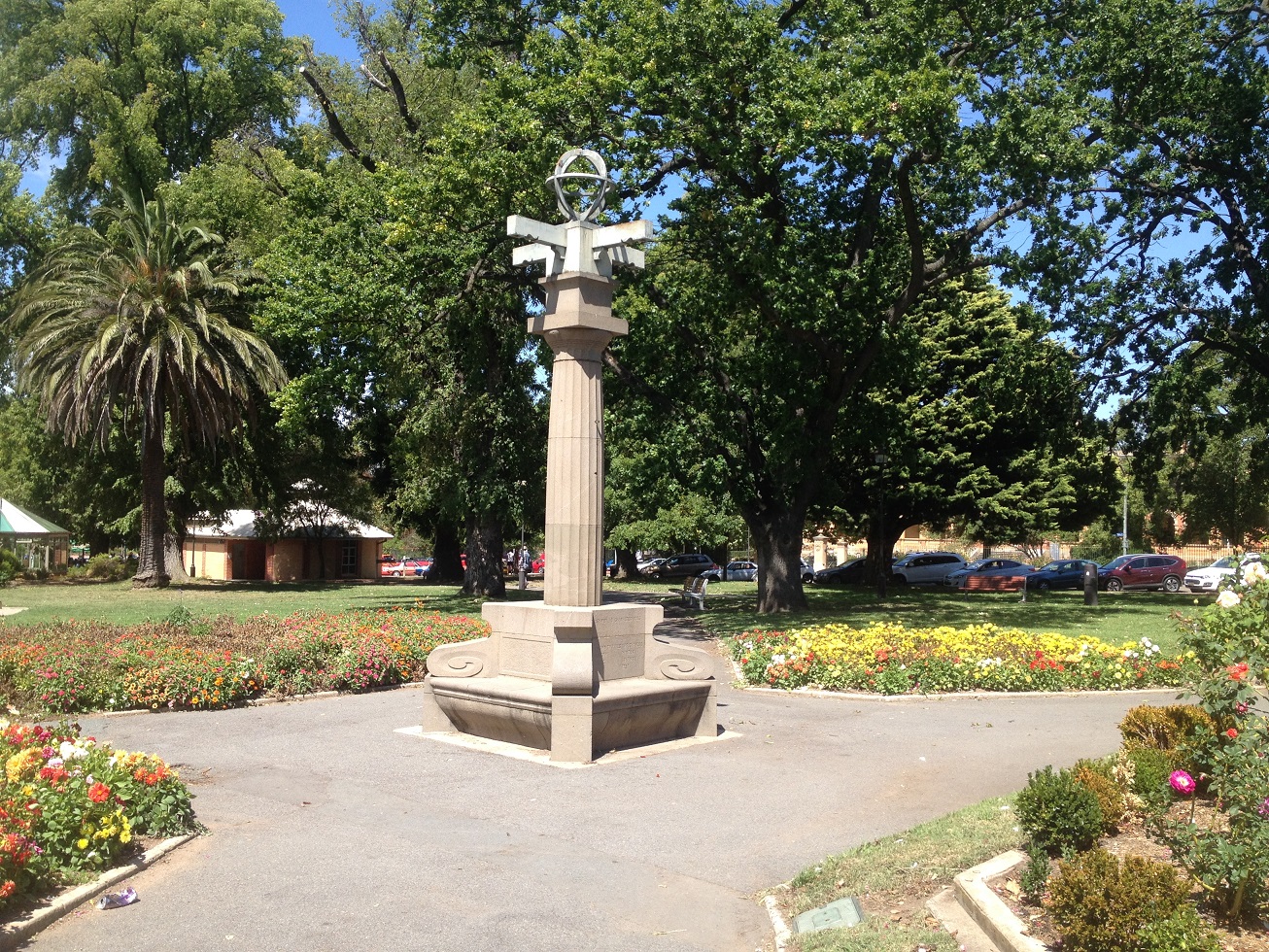
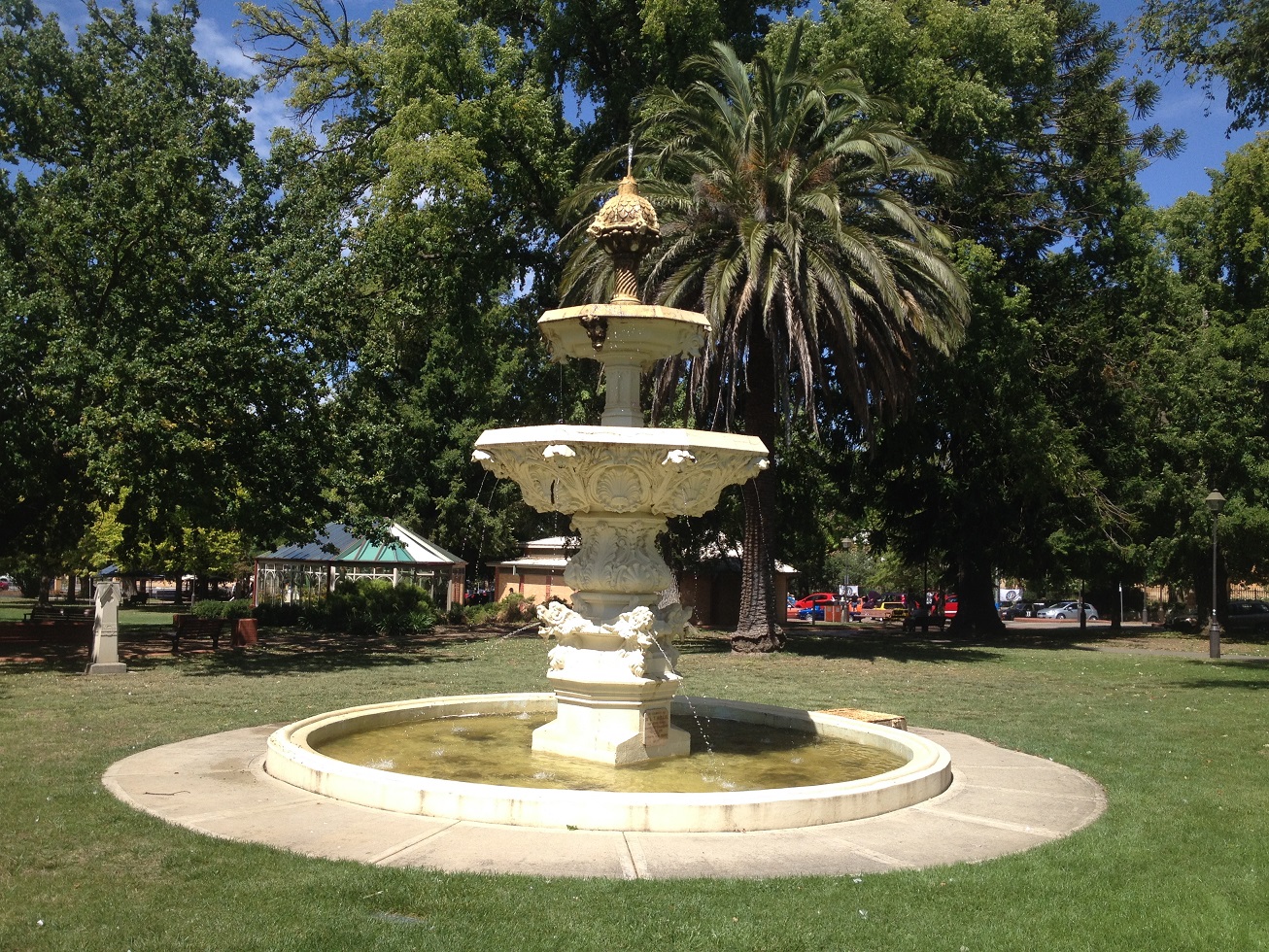
Belmore Park was Goulburn’s Market Square from the 1830s and was renamed Belmore Square in 1869 in honour of the visit of Lord and Lady Belmore on the opening of the railway at Goulburn, and a picket fence was built around the square. In the early twentieth century, it was the site of a small zoo, perhaps reflecting the zoo in the Sydney Botanic Gardens or the Botanic Gardens in Hobart, which was part of the notion of creating a ‘pleasure ground’. Belmore Square was re-dedicated as the Belmore Botanic Gardens in 1899. During the 20th century, the park became a landscape of monuments and memorials, similar to Hyde Park in Sydney and other urban parks around Australia.

A landscape of monuments and memorials


Updated 23 September 2023. Originally posted on 12 March 2017 as ‘A space of memories and monuments’.
Discover more from Camden History Notes
Subscribe to get the latest posts sent to your email.

