

We need a John Street piazza.
In a recent conversation with a friend, let’s call him John, he chatted to me about the Italian piazza. European villages and towns have an open space where community members come together and build social capital. Social capital is a set of shared values or resources that allows individuals to work together effectively to achieve a common purpose.
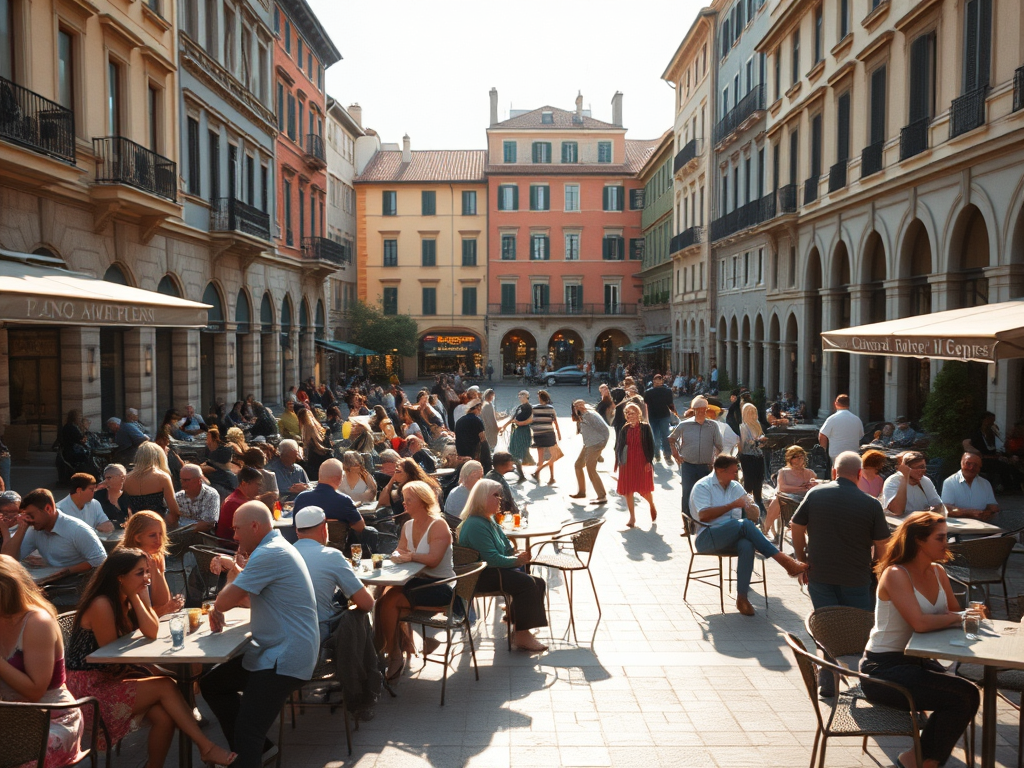
John commented that British villages and towns do not have equivalent community squares, and he was right. Camden does not have a comparable space. When the Macarthur brothers established Camden as a British-style village at the end of the British Empire in 1840, they did not include a town square in the design.
Can we fix this? Well yes. That got me thinking about John Street. John Street has the potential to serve an Italian-style piazza. This idea is expressed in the concept of ‘place’ through the process of ‘placemaking’.
What is the idea of ‘place’?
Geographer Noel Castree has argued that the word ‘place’ has three main meanings:
1. Place as location is a specific point on the earth’s surface.
2. A sense of place is the subjective feelings people have about places, including the role of place in their individual and group identity.
3. Place as the locale is a setting and scale for people’s daily actions and interactions. (Castree, 165-83, 167)
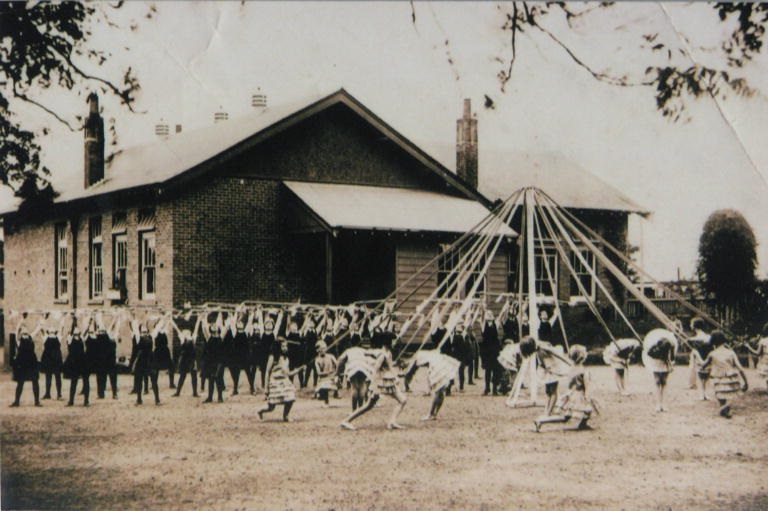
A meaningful place
Geographer Tim Creswell defines ‘place’ as ‘a meaningful location’. (Creswell, 2004.)
Author Jennifer Case says writers draw ‘out the ways a location is meaningful to [a story and endows] that location with value and significance’, and often, the place will influence the writer. (Case 2024)
John Street is meaningful to the Camden community. They endow it with a set of values and give the locality its significance.
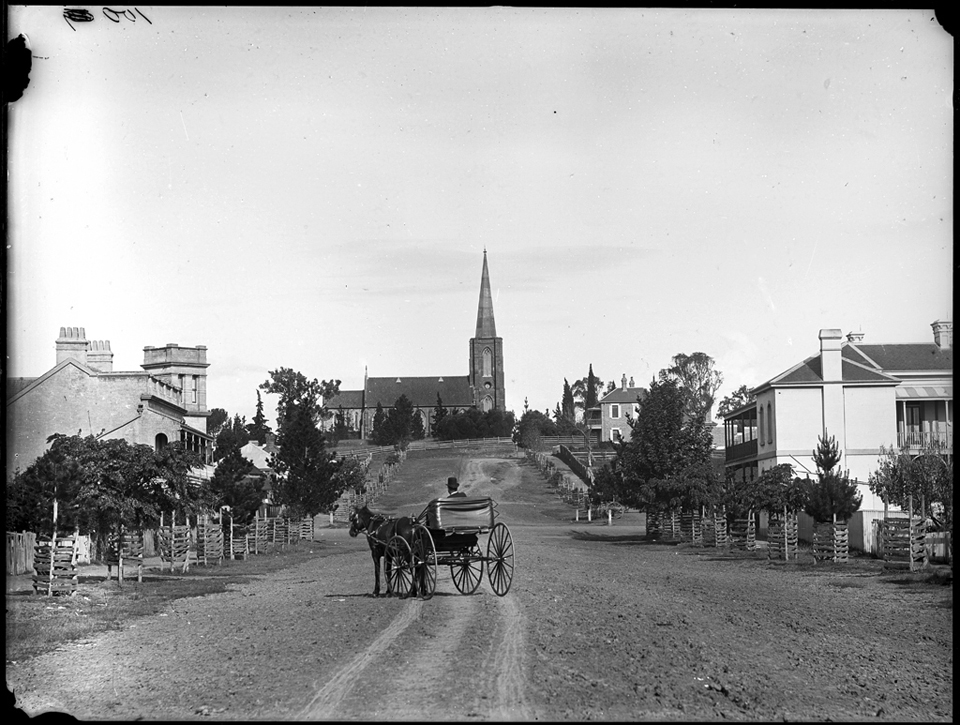
A safe place
Author Lawrence Buell defines ‘place’ as
“space that is bounded and marked as humanly meaningful through personal attachment, social relations, and physiographic distinctiveness” (Buell, 2005,145).
Using this analogy, a ‘place’ is a location where people feel safe and can meet family and friends for a chat, which is encouraged by the features of the spot’s physical environment.
In John Street, this is partly done at present at cafes, churches, libraries, museums, galleries, schools, and so on. This is placemaking.
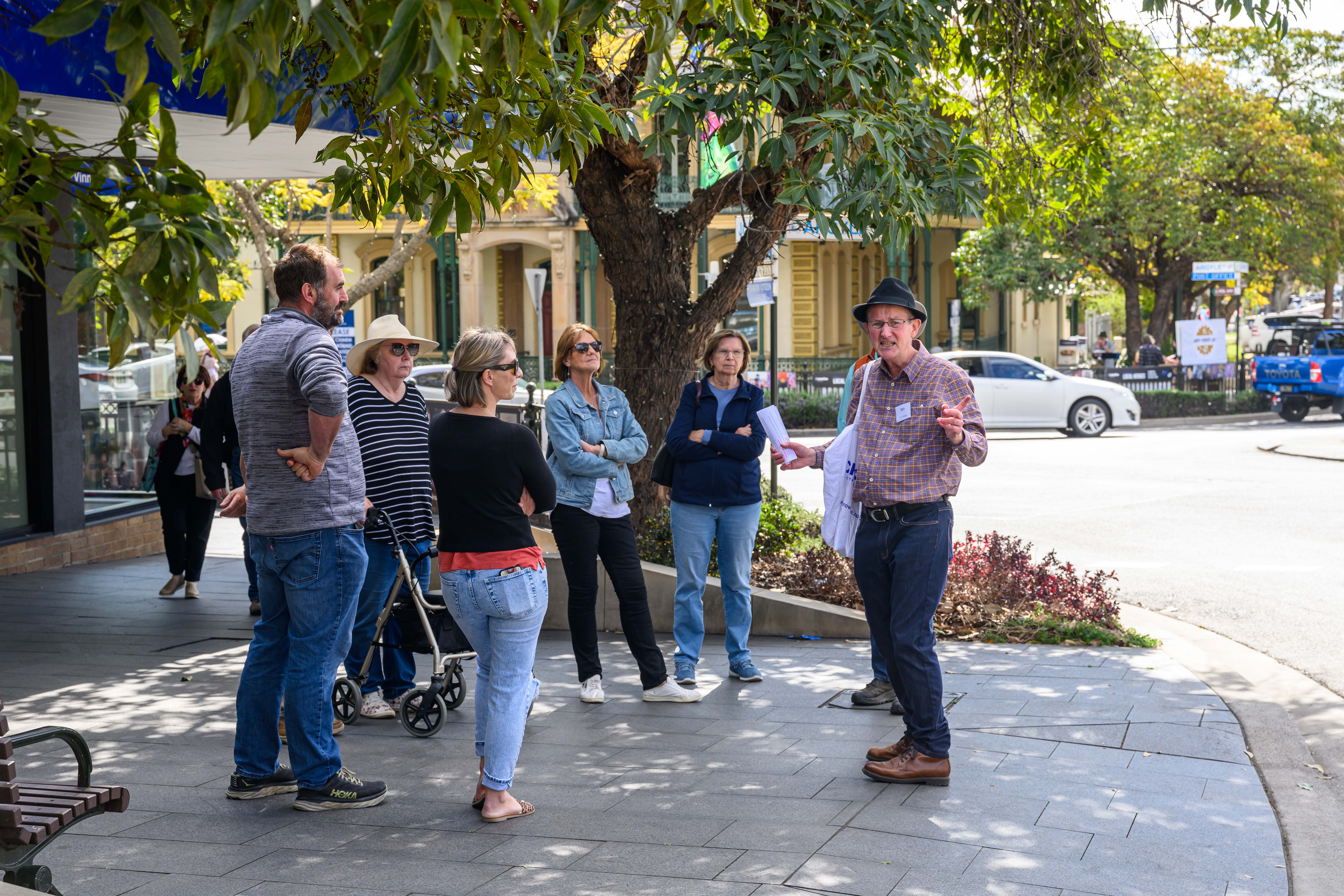
Placemaking is a collaborative process for creating public spaces people love and feel connected to. It is a place where you feel a real sense of connection and belonging. A place that feels like home. (What is placemaking? 2024)
There is excellent potential along the John Street precinct to increase these feelings of connectedness and belonging in the space. This can be done through increased community engagement and other processes.
A story-creating place
Community interactions and networking along the precinct can generate a sense of community connection and emotional attachment by creating stories and adding to the Camden Story.
Only by understanding the stories connected to John Street can people form deep and lasting connections to the location. So, what is it about John Street that generates these stories?
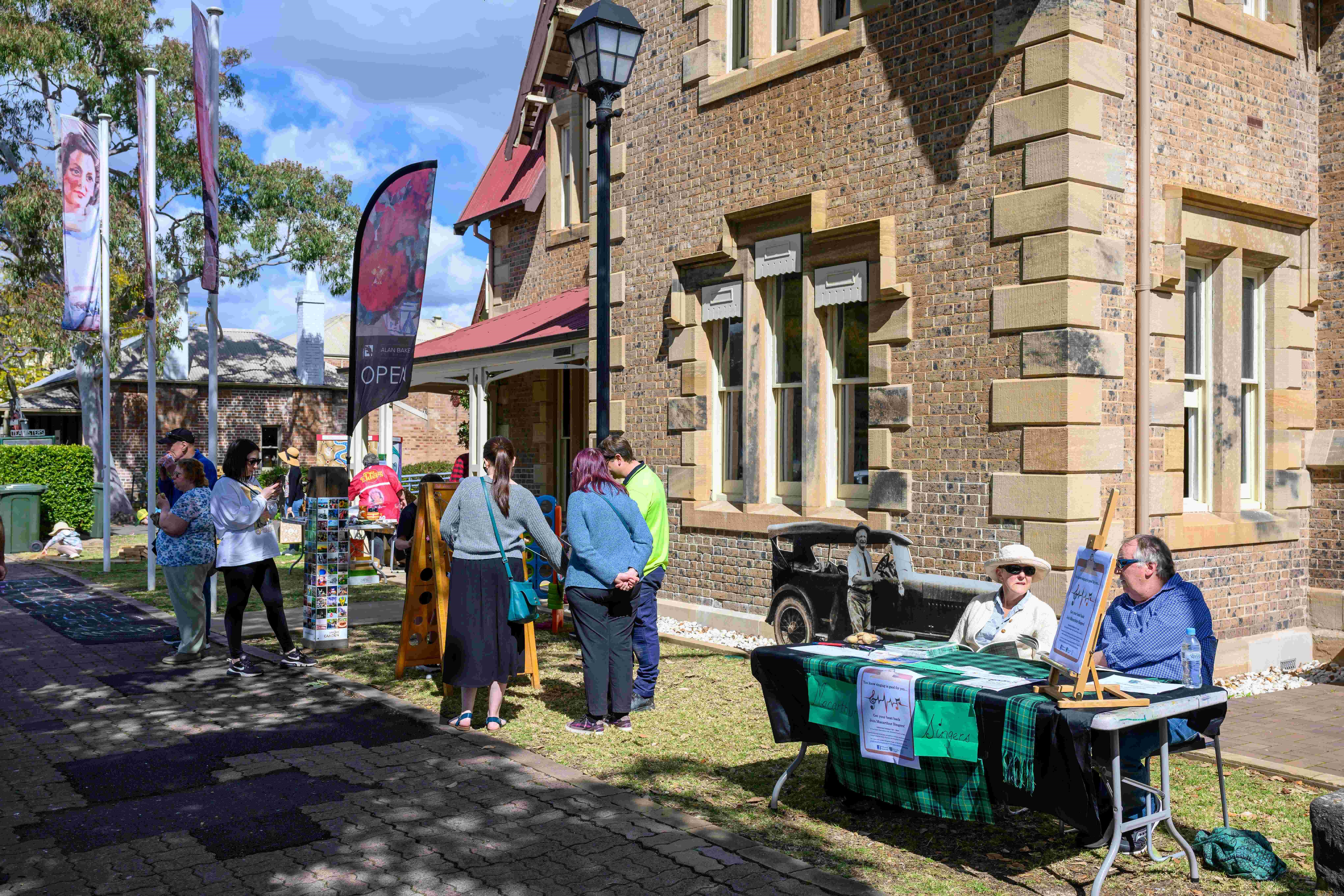
The story-creating elements include
- Camden Library & Museum
- Alan Baker Art Gallery
- Cafes
- Bus stop
- Churches
- Schools
- Retail and commercial buildings
- Historic buildings
- Public art
These story-creating elements link to cultural traditions, memorials, and events that create memories for the community and reinforce their attachment to the location.
Usage of story-creating elements along the John Street precinct could be intensified through greater activation of these elements.
One example would be a community history festival like Unlock Camden, where the community immersed themselves in the stories of the John Street precinct.
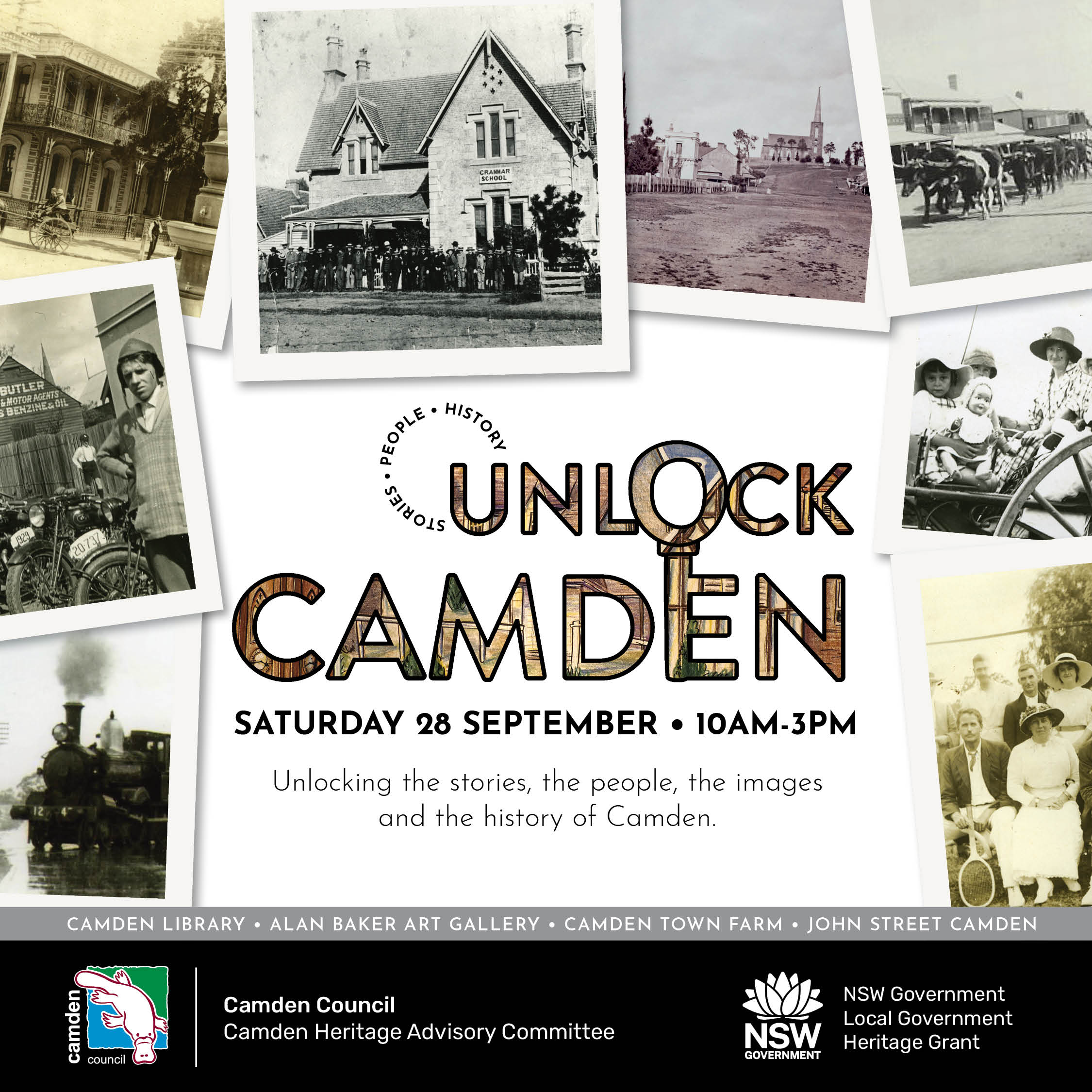
Unfortunately, several story-creating elements are currently under-utilised, and they include
- Police barracks
- Courthouse
- Rose Park
Benefits of place attachment
Attachment to the John Street precinct has many benefits.
Firstly, there are spiritual ties to the street, primarily through places of worship. This increases place consciousness, which can enrich the lives of Camden residents.
Secondly, the intense knowledge of John Street and the local setting increases the understanding and appreciation of global landscapes and environments.
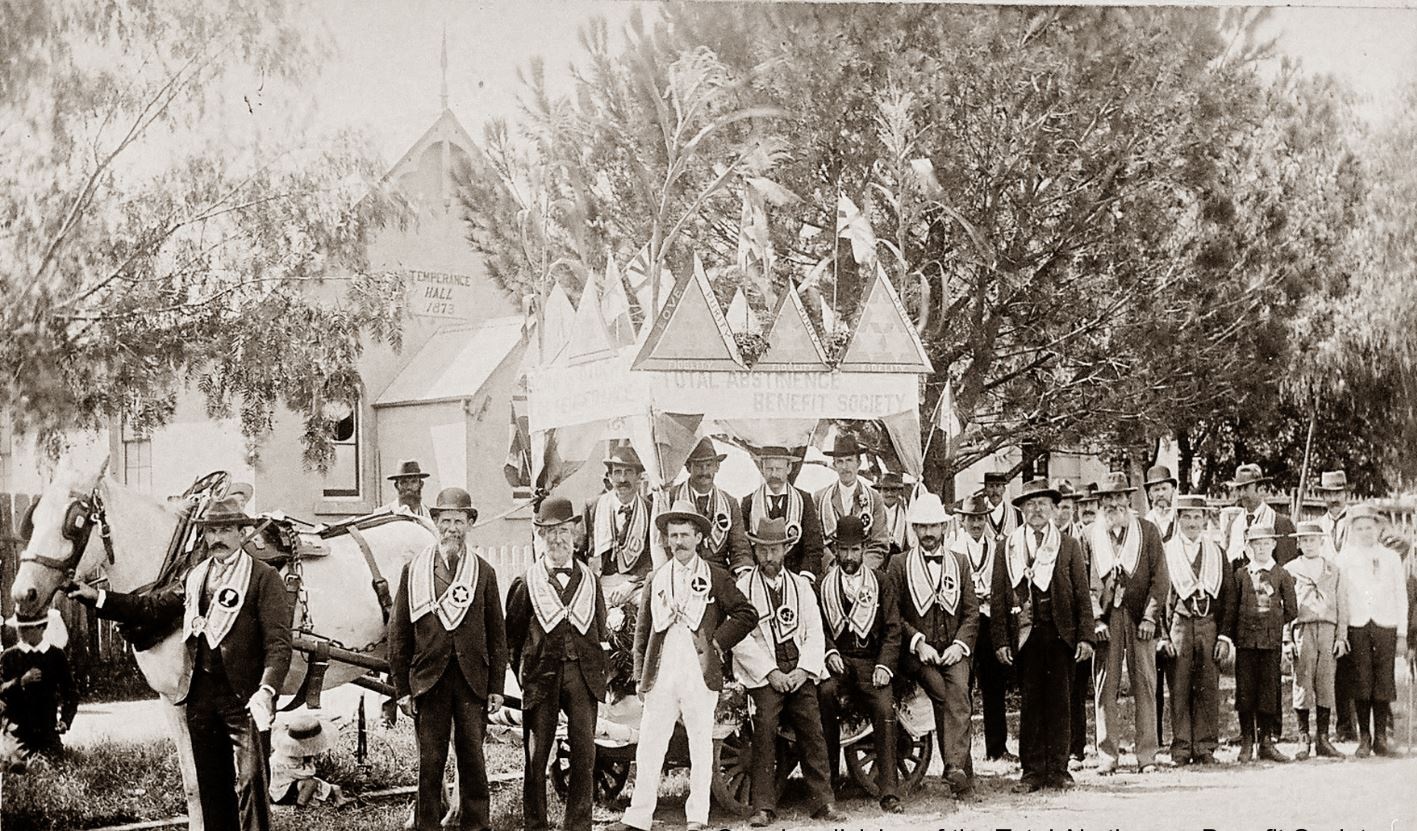
Local is global
Author Russell Sanders says
Local knowledge is the grounding for global knowledge. (Sanders, 1993)
John Street is named after an iconic colonial figure, John Macarthur, who had an international profile. He contributed to linking the local to the global through his military connections and business interests in India, the South Pacific, and China. A local story with global connections.
So what does this mean?
An Italian-style piazza along the John Street precinct would enhance the existing placemaking processes and allow the Camden community to engage more deeply with these stories and the essence of place.
By building on existing social, economic, and cultural events and traditions, the John Street precinct could become the heart of a vibrant town centre where people interact with each other in a safe and welcoming place.
An enhanced John Street piazza could become the beating heart of a Camden urban village by leveraging its fascinating historic past, vibrant heritage buildings and exciting stories.
Creating an Italian-style piazza on John Street in Camden emphasises its potential as a communal space for building social capital. By enhancing the physical environment and activating under-utilized story-creating elements, the precinct could foster community connections, making it a vibrant heart of the town.
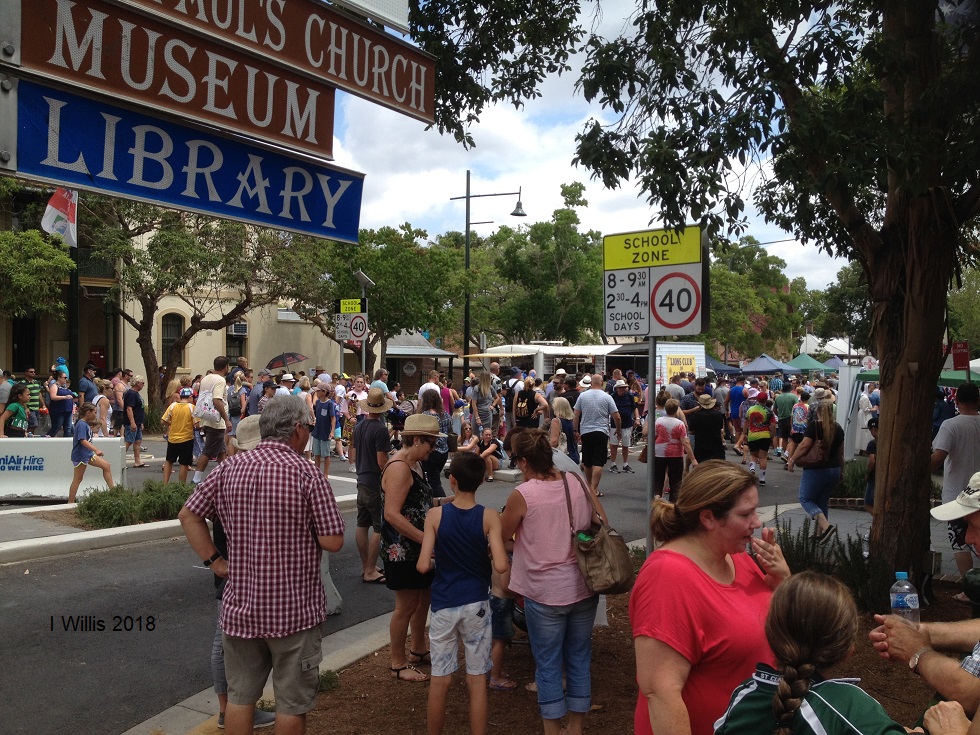
The John Street precinct has excellent potential for activation.
References
Castree, Noel 2003. “Place: Connections and Boundaries in an Interdependent World” in Sarah Holloway(ed.), Key Concepts in Geography, SAGE: London, pp. 165-83, 167.
Creswell, Tim 2004. Place: A Short Introduction. Wiley-Blackwell.
Buell, L 2005. The Future of Environmental Criticism. Blackwell Publishing,145
Case, Jennifer 2024, ‘Place studies, Place Studies: Theory and Practice in Environmental Nonfiction’, Assay, a Journal of Nonfiction Studies, 10.2, Spring.
Sanders 1993, Scott Russell. Staying Put: Making a Home in a Restless World. Beacon P.
‘What is placemaking’. 2024. Placemaking Education. Online at https://placemaking.education/p/whatisplacemaking accessed 6 October.
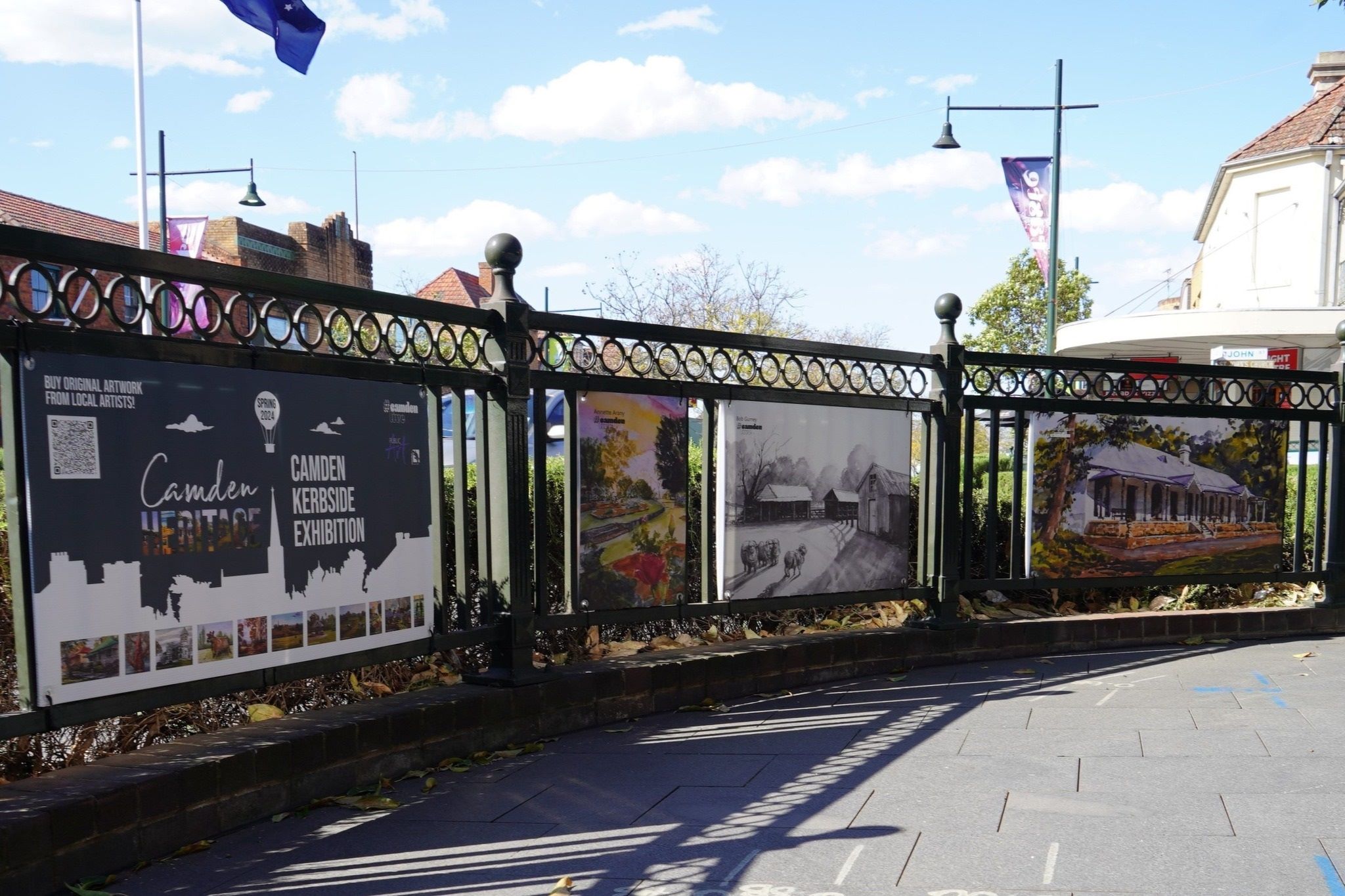
A different view of John Street
Vice-president of the Camden Historical Society Jo OBrien writes:
In my opinion, it will not work in Camden, and would be likely to have a significantly negative impact on John Street, and Camden itself. Taking away the traffic access and parking, narrowing the street, or making it one way, has been the death knell of other main streets. Think Queen St Campbelltown.
It only works where there are already thriving shops and civic buildings, lots of surrounding residents who need the open space, and an European style community.
Narrowing or closing John Street would impact its historical significance and readability.
The place-making and sense of connection in John Street is more dependent on its existing history and character, and the empty civic buildings being repurposed for community uses.
I do, however, think closing the street temporarily for events such as Unlock Camden is worthwhile, and there does need to be a safer crossing point between the Art Gallery and Library/Museum.
Discover more from Camden History Notes
Subscribe to get the latest posts sent to your email.

