A cultural wasteland?
Sydney is a city of contradictions and paradoxes, which strangely is part of its appeal. The city has a spectacular harbour, yet is seen by many as a soulless cultural wasteland.
Journalist Tom Norton writes that
Sydney is pathetic. This city is gorgeous. If it had a body, it would be so sexy, but its mind is vacuous. It’s great to look at, but a bore to converse with. Yes, it does have beautiful beaches and a spectacular harbour, but once you get past the superficial layer of physical attraction, there’s nothing but expensive roads and a dwindling culture. Outside office hours, the CBD is like a ghost town.(Norton, 2007)
Australians often make comparisons between Sydney and Melbourne to draw out the paradoxes and contradictions.
An old metaphor says that Sydney is the harlot while Melbourne is the old dame. Meaning that Sydney is flashy, loud, shallow, dull and vacuous, while Melbourne is classy, mature, deep, cultured and sophisticated.
People are never short of an opinion about Sydney.
Melbourne’s Lord Mayor Nick Reece told Peter FitzSimons that
Sydney is the movie and Melbourne is the novel. Sydney is very flashy, and it’s got the world’s most beautiful harbour. And people who live in Sydney are obsessed by how close they can get to that harbour and what view they have of it. Melbourne has a very interesting internal life as a city. We love our bookshops, festivals, our food, our theatres, and sports. We love having conversations with ourselves, about ourselves. In Sydney, you turn up in activewear to your Mum’s funeral. In Melbourne, you wear a black puffer jacket to a job interview. (FitzSimons 2025)
Where is Sydney’s soul?
In essence, the soul of a city is a complex interplay of factors that create a unique sense of place and belonging, fostering a vibrant, dynamic, and engaging urban environment. (Bandar 2016; Anderson 2012; (Nwcl.com.cn, 2025)
A city with a soul is characterised by an identifiable, vibrant, and bustling precinct, typically centred around theatres, cinemas, eateries, galleries, pubs, and other forms of entertainment. In Sydney, this is hard to find.
You might ask the question: Where is Sydney’s cultural heart? That question is not so easy to answer.
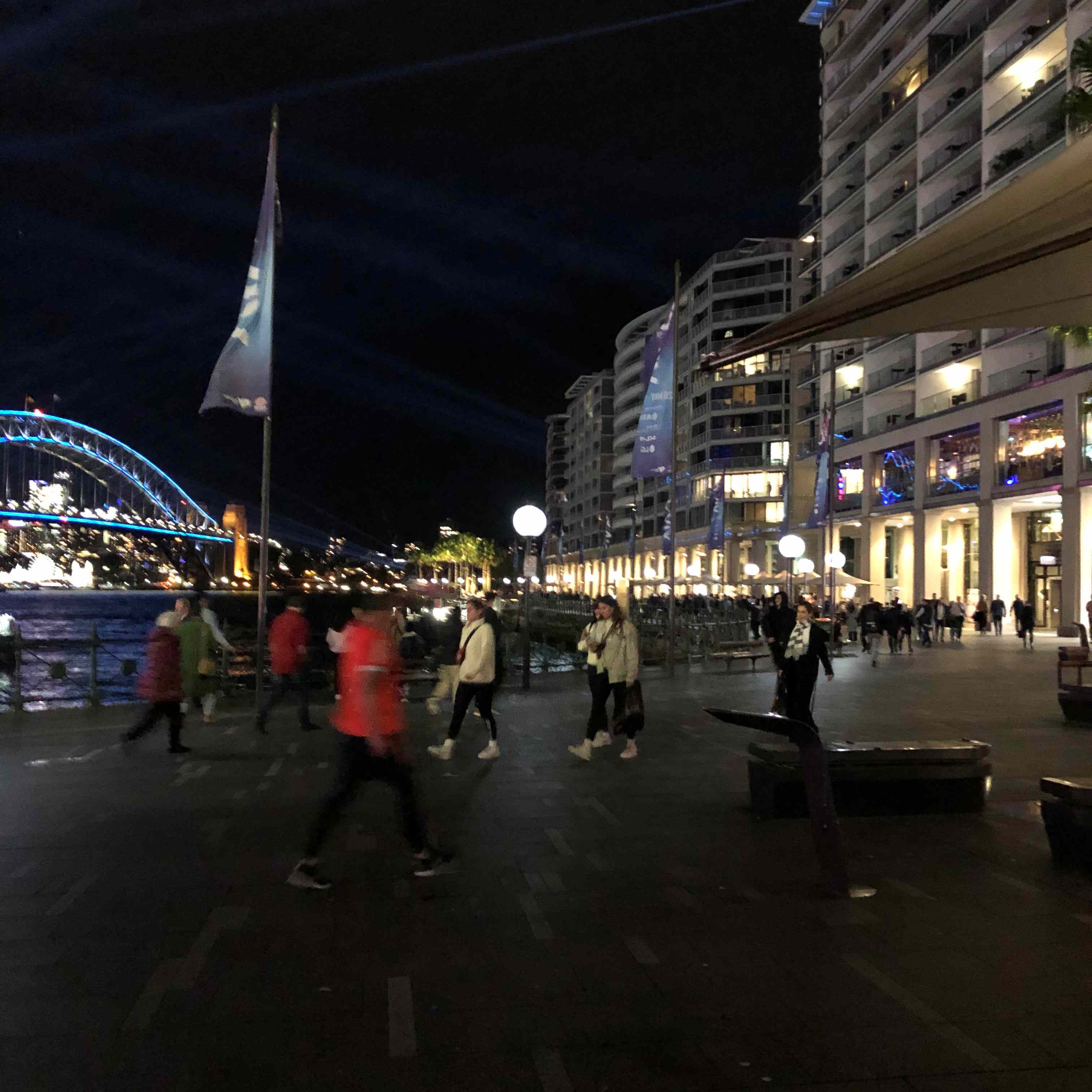
One of Sydney’s busiest spots is Circular Quay. The City of Sydney walking counts indicate that East Circular Quay experiences over 42,000 daily movements. Circular Quay is bustling with pedestrians going somewhere, everywhere, and anywhere. This does not constitute a vibrant cultural heartland. Circular Quay is a precinct where people are constantly passing through. Sydney is full of people going somewhere else.
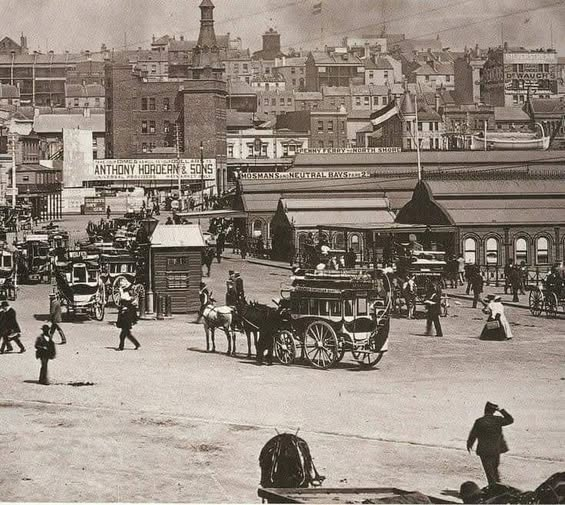
In Sydney’s entertainment district, there are isolated specks of light, such as Walsh Bay, the Sydney Opera House, Belvoir Street Theatre, Hayes Theatre, and others.
Each of these spots has a certain vibrancy. But they are isolated. Sydney lacks a distinct cultural precinct like Melbourne. With no cultural precinct, there are no after-theatre cafes, no after-theatre eateries except the isolated kebab shop – a veritable wasteland.
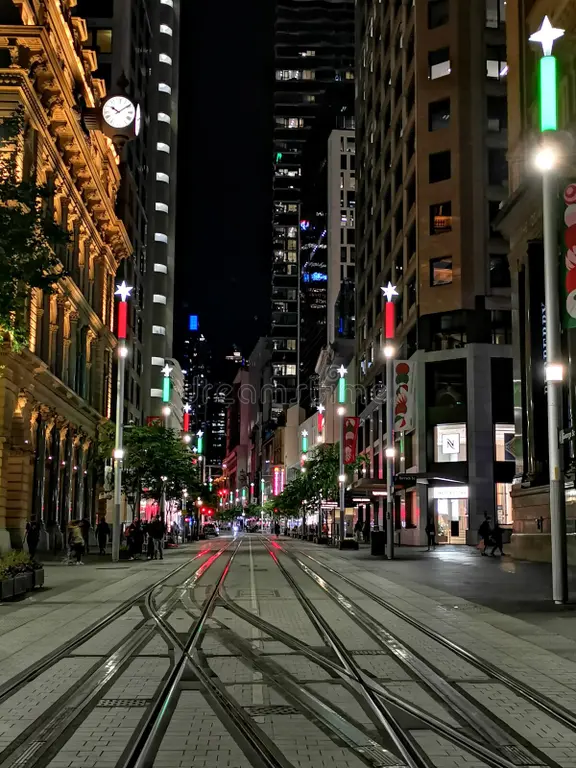
(Jane Tansi 2022)
A walk down George Street these days means that at least you do not get a face full of diesel fumes. But George Street at night is a veritable wasteland of emptiness. The Pitt Street Mall is no better.
Unlike Melbourne, London or New York, Sydney does not have a theatre or entertainment quarter. Sydney theatres are spread across the city and inner suburbs, creating a fractured, decentralised entertainment location centred on each theatre. Consequently, unlike Melbourne, London or New York, there are no associated eateries and bars. (Kelly, 2019)
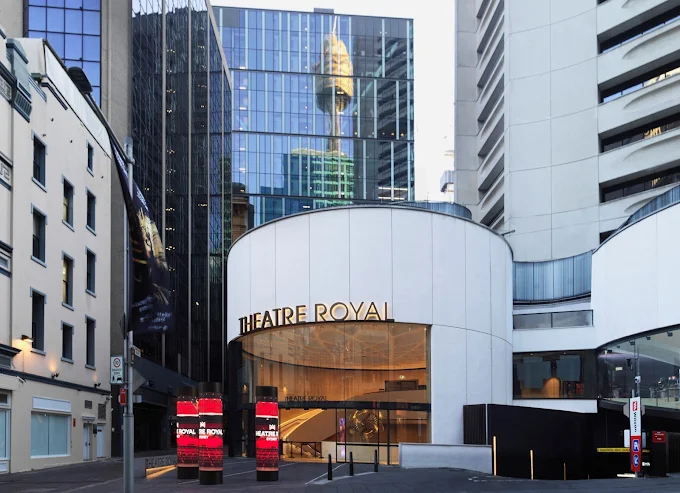
Journalist Linda Morris writes in the SMH
“Sydney doesn’t have a defined theatre precinct because we’ve never planned for one,” theatre planner Sean Macken says. “Almost all of Sydney’s existing venues are either the result of political opportunism, the heroic efforts of Sydneysiders to preserve particular places, or just accidents of history.
“The end result is a sprinkling of isolated theatres across the city, none of which connect with each other and none of which, on their own, can generate the secondary industries which drive the economics of theatre precincts in other cities.
“In Sydney, it’s all tactics and no strategy when we think about theatres and live performance. Too often we don’t think about it at all.”
Melbourne, like London and New York, has a close connection between theatres and eateries. (Kelly, 2019)
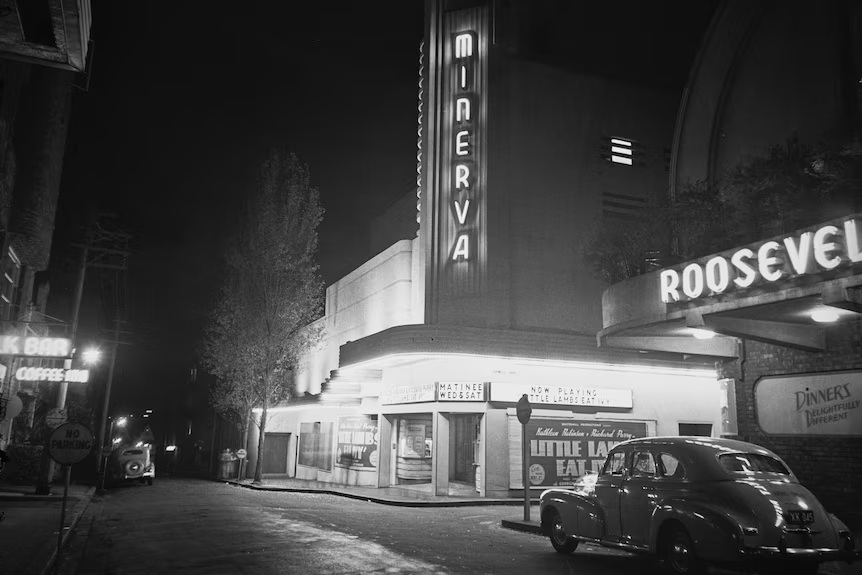
Unfortunately, Sydney has a history of its creative spaces being acquired by rent-seeking individuals who close them down as part of a land banking exercise. They are waiting for the capital gain so they can sell at a massive profit. For example, look no further than the Minerva Theatre at Kings Cross.
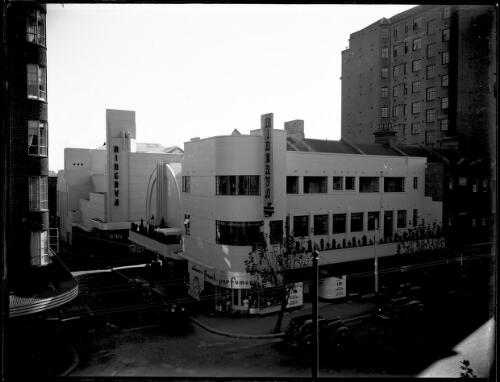
In Sydney, money talks. There were plans in 2021 to redevelop the theatre into a boutique hotel with a small auditorium. (Gerathy, S. and Nichols, S. (2024)
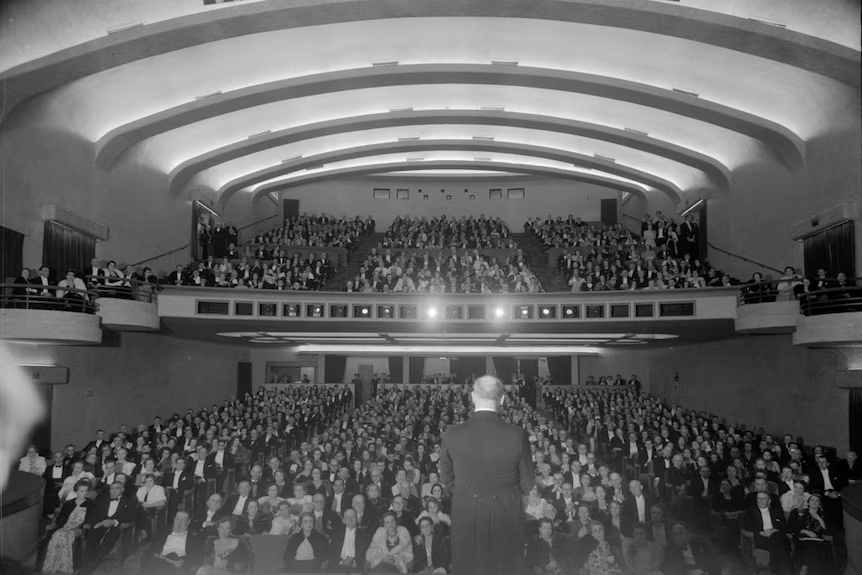
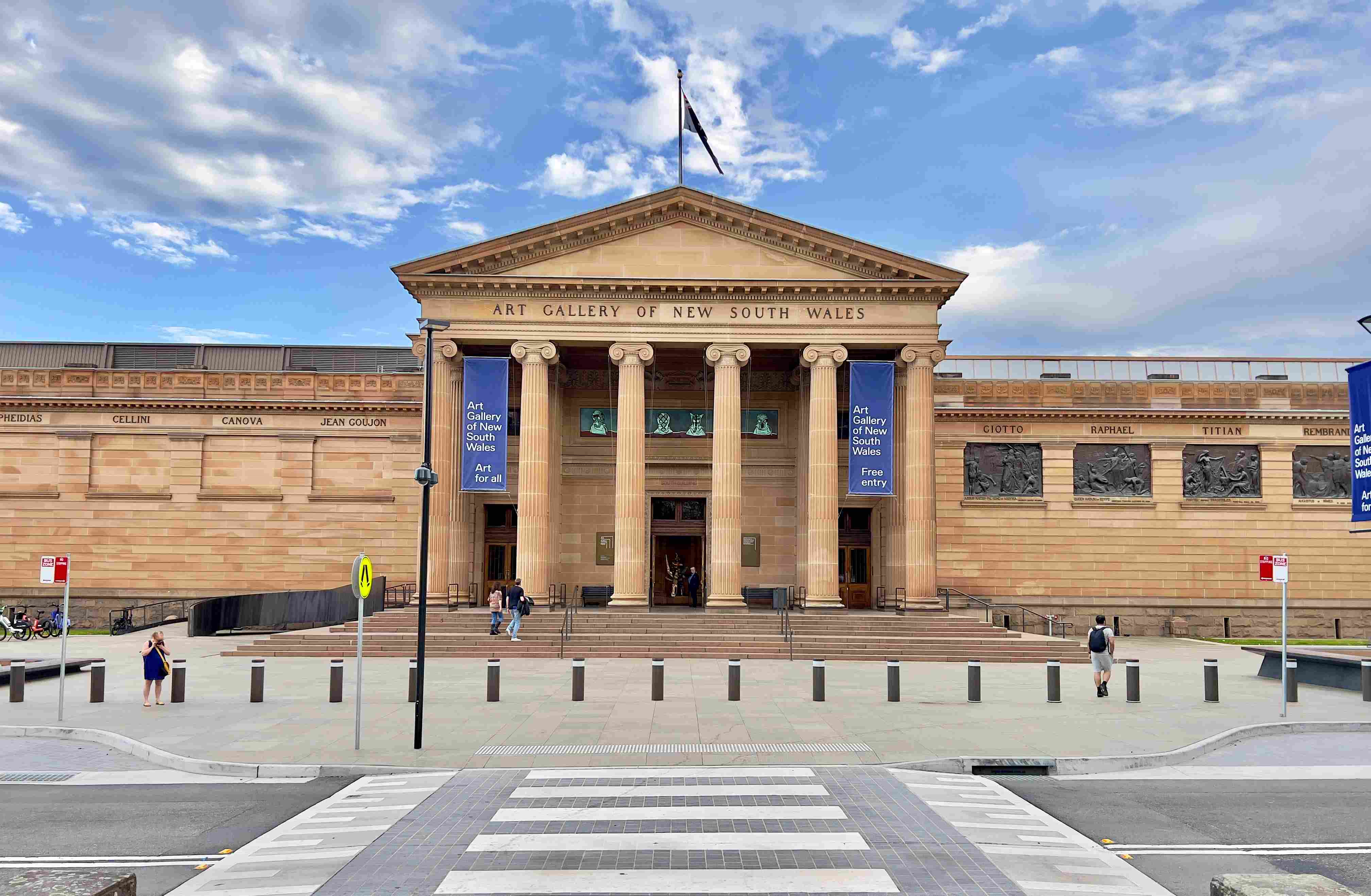
Even Sydney’s galleries, libraries, and museums (GLAM sector) are scattered around the city centre and surrounding regions, varying in size, resources, and focus.
Sydney’s heart and soul
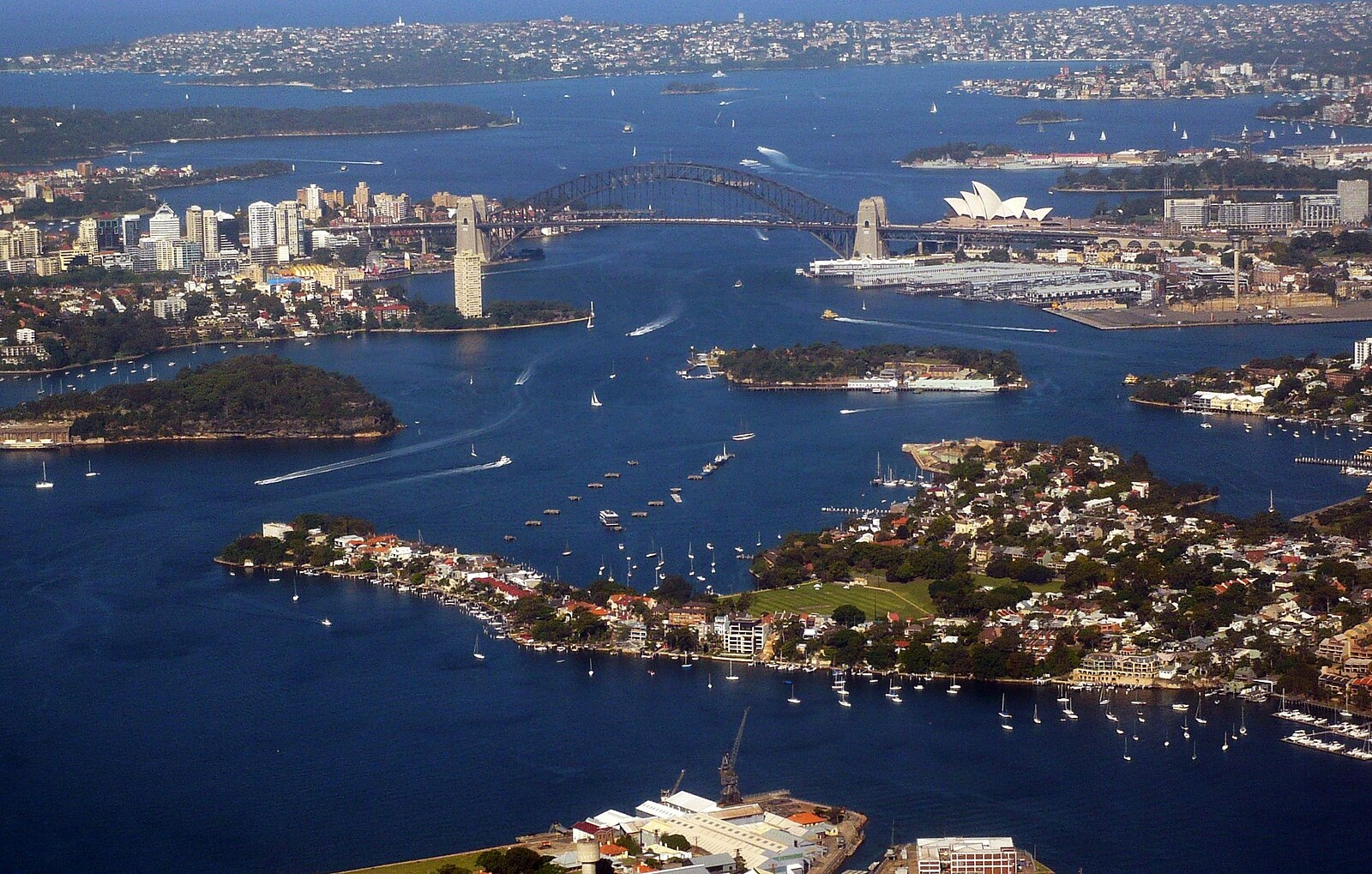
Sydney’s heart and soul are the harbour, beaches and the bush. These have had a spiritual element that has inspired artists, poets, writers, and musicians, playing an essential role in shaping the city’s cultural landscape.
Sydney Harbour
Ian Hoskins states of Sydney Harbour has been ‘documented and celebrated in pencil, paint and ink by dozens of artists’ since the time of the convicts. (Hoskins 2013)
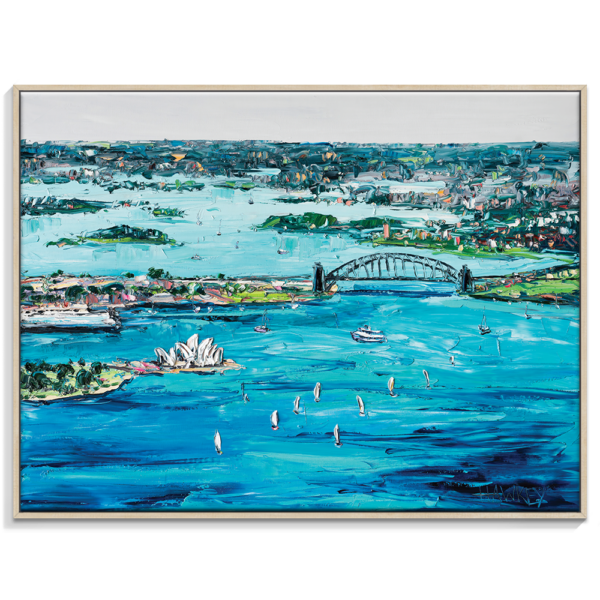
Reviewer Nick Mattiske says of Scott Bevan’s The Harbour A City’s Heart A Country’s Soul that
There is something spiritual about its presence as a calm, blank space in the middle of urban busyness that makes harbour-goers resort to religious metaphors. ‘It’s heaven on earth’ says one, simply. Bevan’s book labels it the ‘city’s heart’, but it is Sydney’s lungs, giving breathing space, a blue rather than green wedge.
The harbour is where people connect with nature, history and each other through harbour cruises, harbourside walks, and just enjoying the views.
The harbour was the fishing and hunting ground of the Eora people, Indigenous Australians.
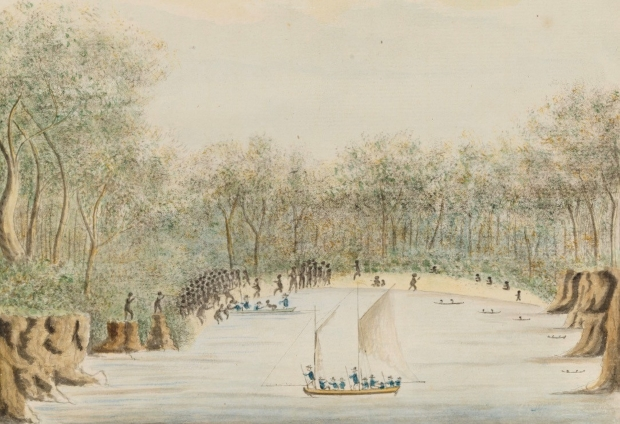
Historically, Governor Phillip chose Sydney Harbour over Botany Bay for the founding site of the colony of NSW because of the value of the harbour as it provided a secure anchorage, a freshwater stream (the Tank Stream), and better potential for establishing a colony in 1788.
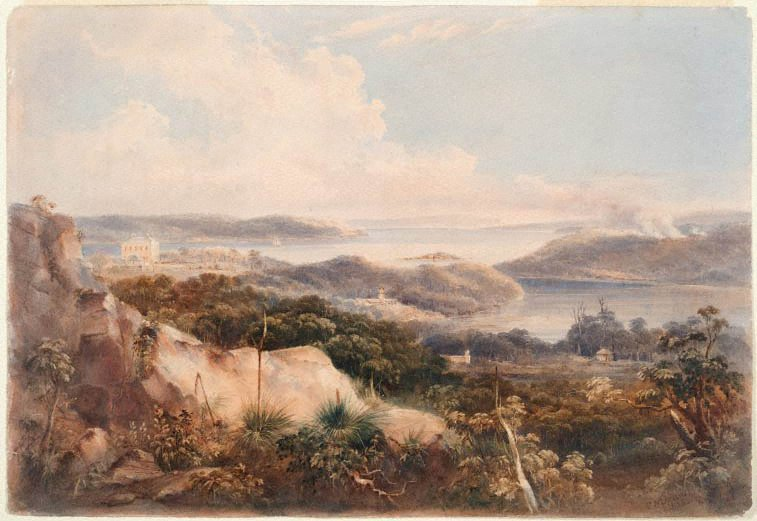
Sydney Harbour (or Port Jackson) is many things to many people. For Indigenous Australians, it was a source of food and their country. After the Europeans arrived, it became a working port with a utilitarian value.
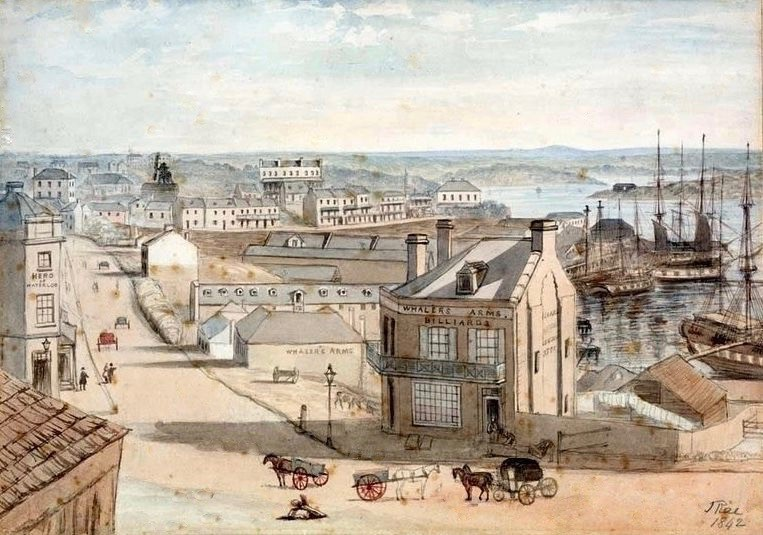
According to a 2016 study, the harbour’s economic contribution to the Sydney economy is as follows:
Port and maritime revenues ($430 million/yr), ferries ($175 million/yr), cruise ship expenditure ($1025 million/yr), major foreshore events such as New Year’s Eve and the Sydney Festival ($400 million/yr), and also income from culture, heritage, arts and science (over $33 million/yr) inject considerable funds into the Australian economy. Notably, proximity to the harbour enhances Sydney domestic real estate capital by an estimated $40 billion, equivalent to $3775 million/yr and biological ecosystem services were valued at $175 million/yr. (Banks et al., 2016)
Utilitarianism has been linked to nationalism. The harbour is lined with nationalistic symbols, including the Sydney Opera House and the Sydney Harbour Bridge, that are identified globally with Sydney.
Sensational Backdrop
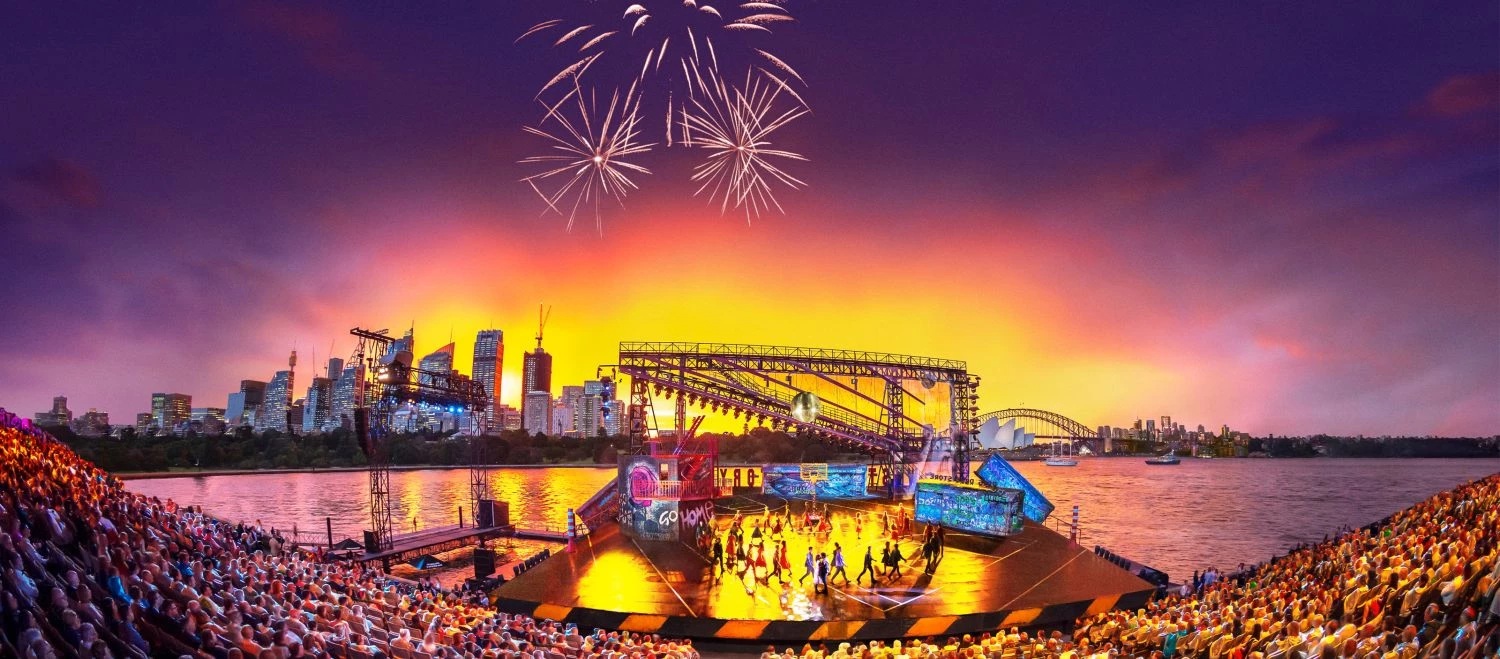
The harbour is a dynamic environment constantly shaped by natural forces and human activities, providing a sensational backdrop for some of the city’s foremost events that give the city an international identity.
Vivid is Sydney’s multi-artform festival, attracting over 2 million visitors annually during May and June. The festival lasts for 23 nights, generating over $180 million in revenue in 2023. The light shows take place in a range of locations from Circular Quay to Central Station, including The Rocks, Barangaroo and Darling Harbour. (Vivid Sydney, 2023)
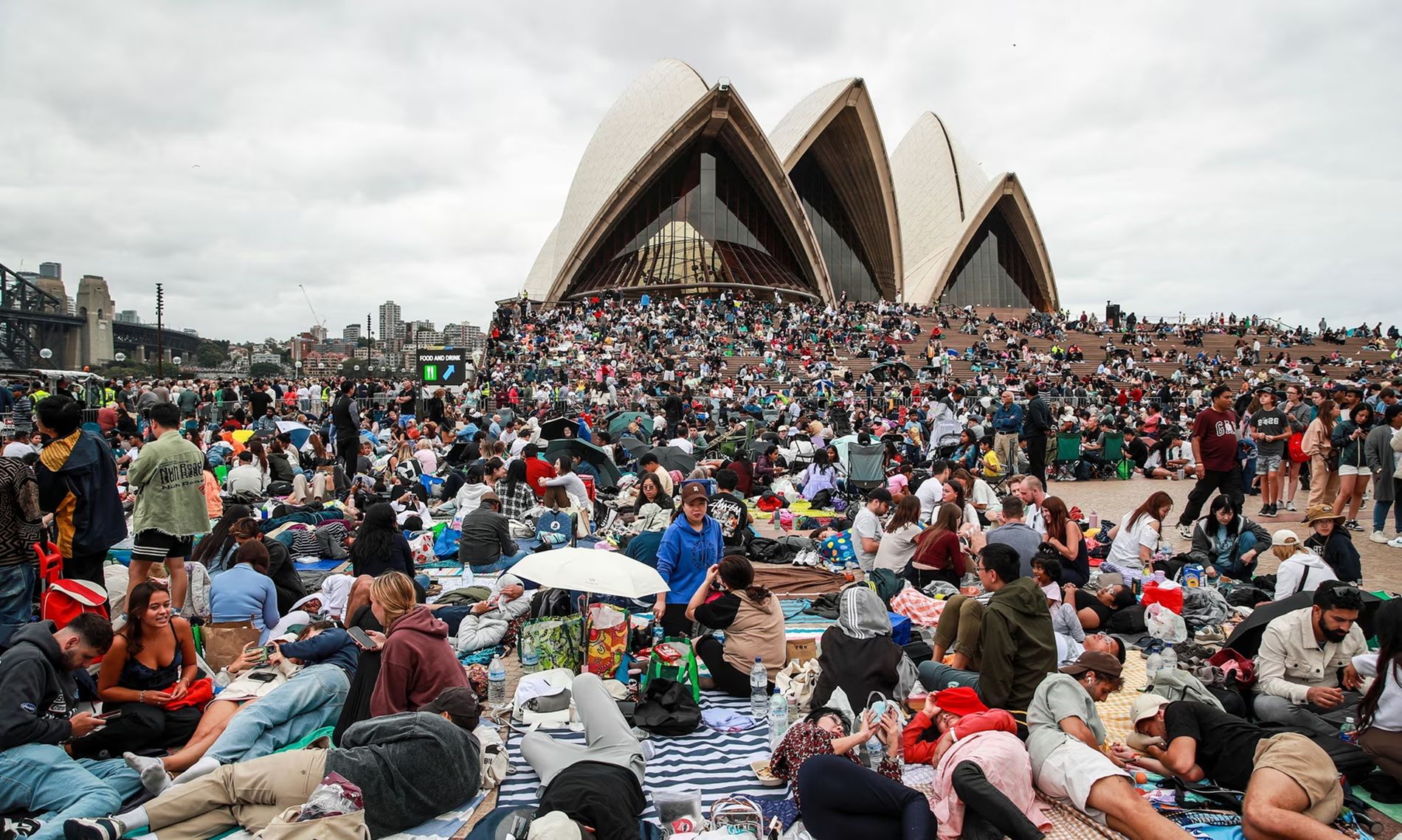
Sydney’s New Year’s Eve fireworks, set on the harbour, cost $6.3 million to put on and are expected to bring in more than $280 million to the loA cal economy, providing a spectacular backdrop for an international audience. The 2024-25 New Year’s Eve fireworks attracted a crowd of 1.6 million to a mostly free family event. (Mikala Theocharous, 2024) (Wikipedia Contributors, 2019b)
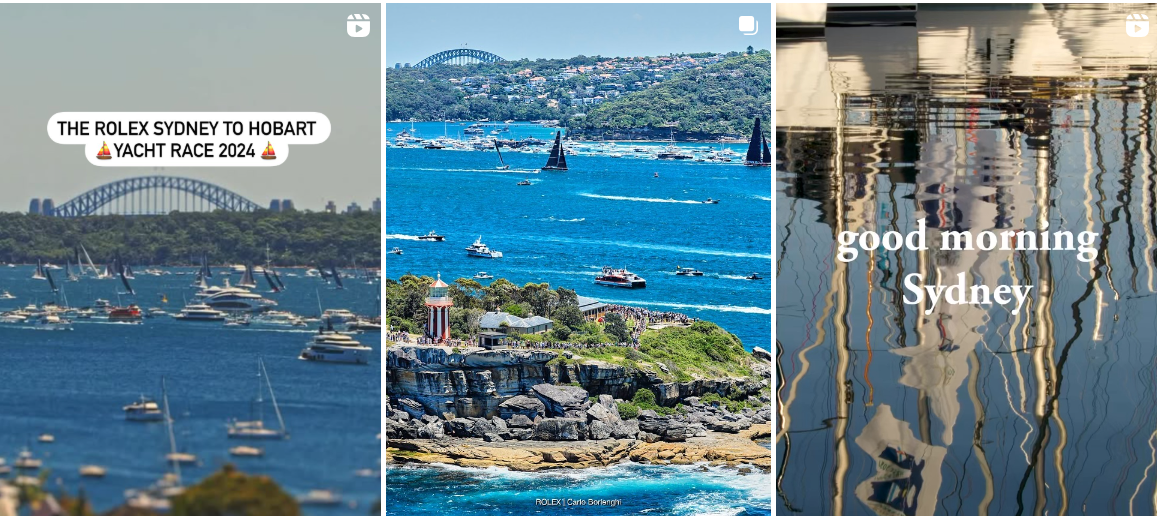
The harbour is a spectacular setting for boating activities, from the races of Sydney Harbour’s 19th-century boatmen and the 18-footers that evolved from them, to the super-maxis of the Sydney-Hobart Yacht Race.
The harbour is not without issues. Sydney CBD has physical barriers that partition the city from the harbour – Circular Quay Railway Station, the Cahill Expressway, the Overseas Passenger Terminal, and the Toaster Buildings.
The harbour is the heart and soul of the city, contributing to the definition of Sydney’s identity, spirit, essence, and construction of place.
Stars in the night sky of suburbia
Sydney’s cultural heartland is more a collection of stars in the night sky across suburbia and the metropolitan area.
These specks are inspired by the vibrancy of Sydney’s tribes and subcultures.
Sydney tribes and subcultures
Sydney is renowned for its diverse subcultures and rich multicultural heritage. The city’s history of immigration and its vibrant neighbourhoods have woven a colourful tapestry of cultures and identities. Sydney’s multiculturalism has fostered a city of villages. For example, Harris Park is recognised as “Little India,” while Cabramatta is known as “Little Vietnam.”
Sydney has a diverse range of subcultures characterised by shared interests, styles, and lifestyles.
Sydney’s food culture is ethnically diverse, as seen at events like Lakemba Nights, where Halden Street is closed and 60 food stalls operate between 6:00 pm and 2:00 am during Ramadan in April. In 2025, over 1 million people attended the 20-night festival. (City of Canterbury Bankstown, 2025)
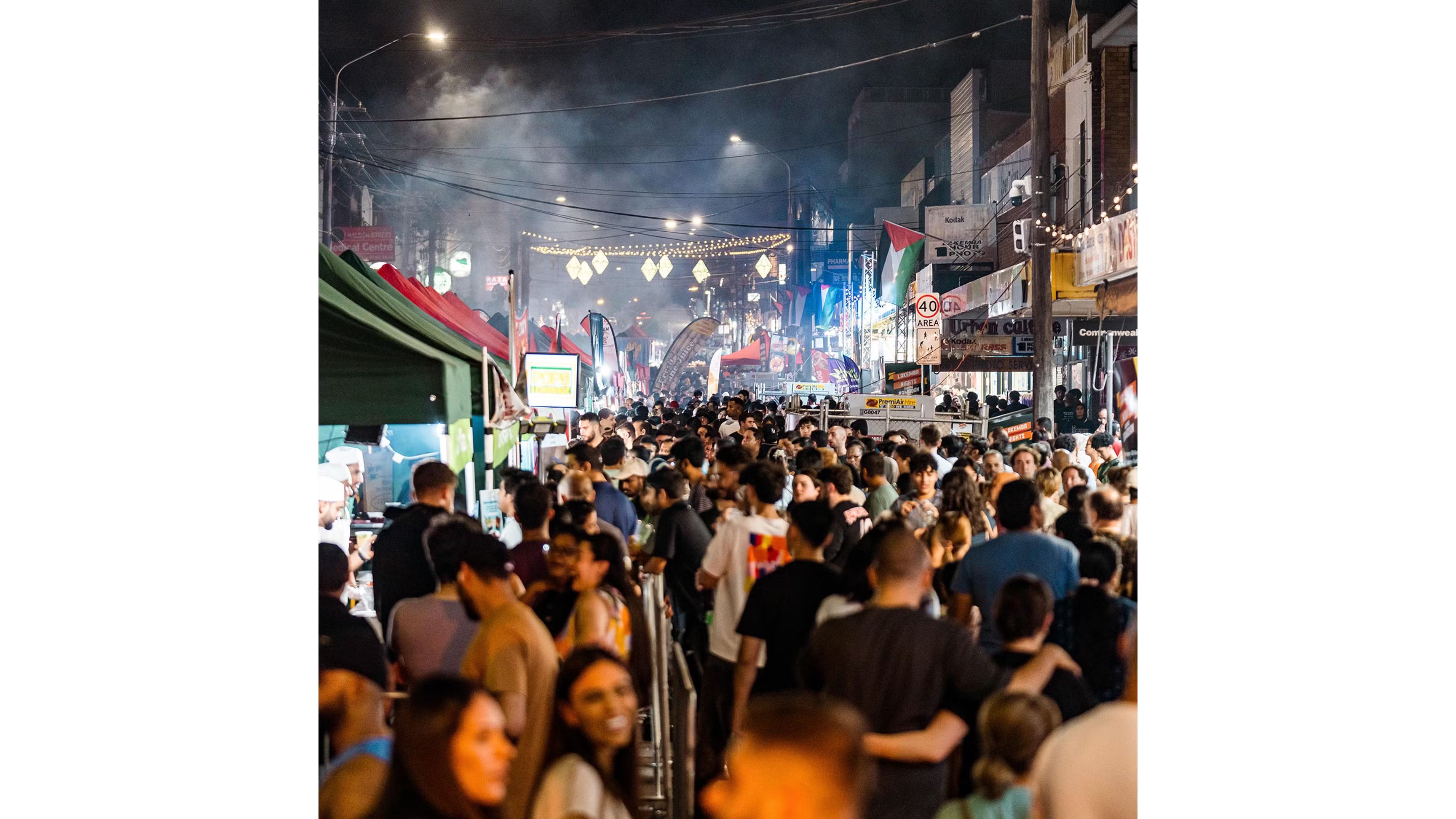
Sydney’s culture is evident in the diverse range of markets held throughout the metropolitan area, from farmers’ markets to craft markets and collectors’ markets. Each has a unique offering and reflects local culture. (Destination NSW, 2023)
Sydney Gay and Lesbian Mardi Gras is a LGBTQIA festival of movement and colour parading down Oxford Street on one night in March, attracting crowds of 500,000 people and 15,000 parade participants, generating around $30 million for the state. (Wikipedia Contributors, 2019)
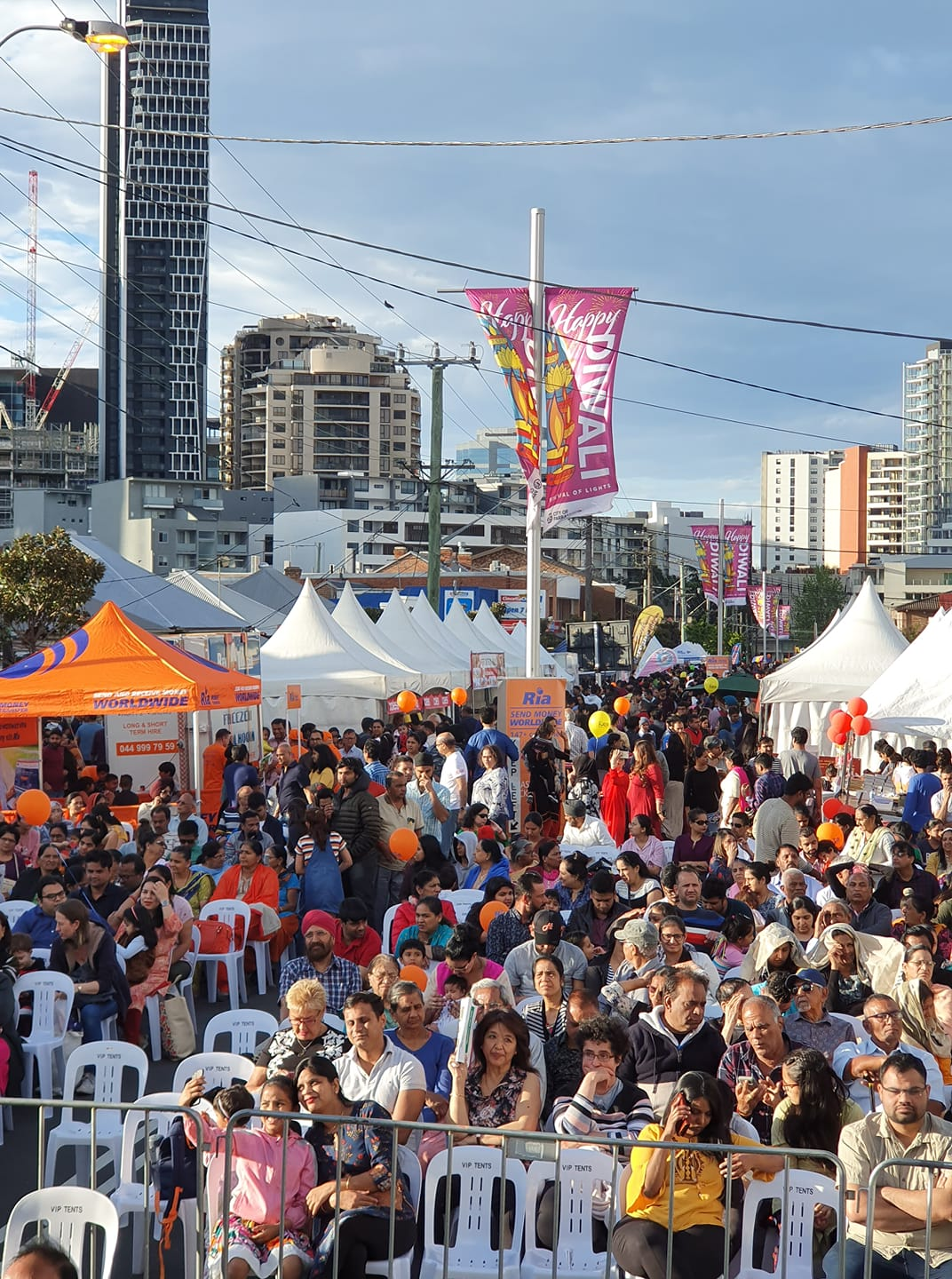
In November, Sydney’s central western suburbs celebrate Diwali, a festival of great importance to the Hindu, Sikh, Jain, and Buddhist communities in areas such as Harris Park, Merrylands, and Riverstone. More than a million people observe the festival each year. (Dexter, 2023)
Sydney football tribes embody the strong emotional bond and sense of belonging that fans associate with their clubs, often expressed through geographical, social, and cultural identities. These tribes are centred around the various codes competing in Sydney: rugby league, Australian Football League (AFL), soccer, and rugby union. Freshwater Strategy states that the percentage of the NSW population supporting each code is 18%, 5%, 5%, and 4%, respectively. (Knijnik, Jorge and Newson, Martha (2020) (www.sydney.com, n.d.) (freshwaterstrategy.com, 2022)
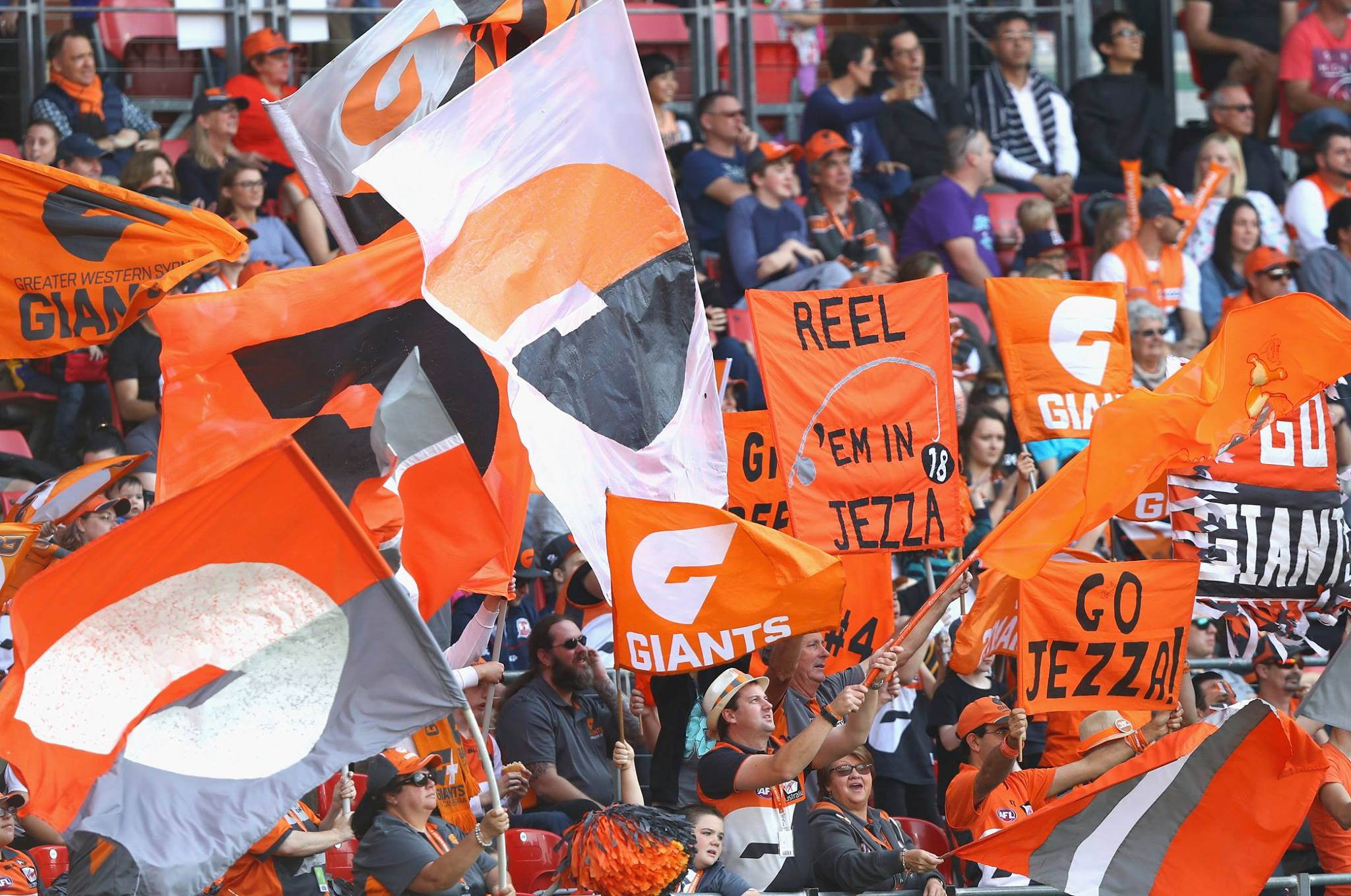
Sydney has a host of other sports whose fan bases create their own subcultures, such as cricket, netball, tennis, and many more.
So, what should we make of all this?
Sydney lacks a unified cultural scene centred on entertainment, unlike Melbourne, New York, or London. Melbourne clearly presents a more distinct and vibrant cultural identity in its city area.
Sydney’s heart and soul are the harbour, closely followed by its beaches and bush.
Sydney’s cultural diversity is fractured and decentralised across the metropolitan area, comprising tribes and subcultures that thrive on a rich array of festivals, a diverse food scene, and active community engagement.
Next time a suburban festival is happening near you, join in and contribute to the stories of the area, helping to build a sense of place.
References
Andersson, R. (2012). City Souls: How do you define them? [online] Upthereeverywhere.com. Available at: https://www.upthereeverywhere.com/blog/city-souls [Accessed 12 Jun. 2025].
AGNSW 2025. Contrad Martins ‘View of Sydney Harbour’ 1836. Art Gallery NSW. https://www.artgallery.nsw.gov.au/collection/works/7633/#about
Bandar, K, et al, 2016. The Soul of a City, A Reflection. International Journal of the Malay World and Civilisation 4 (Special Issue 2), 53-58. Online https://www.academia.edu/93870658/The_soul_of_the_city_a_reflection
Banks, J., Hedge, L.H., Hoisington, C., Strain, E.M., Steinberg, P.D. and Johnston, E.L. (2016). Sydney Harbour: Beautiful, diverse, valuable and pressured. Regional Studies in Marine Science, 8(2), pp.353–361. doi:https://doi.org/10.1016/j.rsma.2016.04.007.
Bevan, Scott, 2018, The Harbour: A City’s Heart, A Country’s Soul. Simon & Schuster, Sydney.
City of Canterbury Bankstown. (2025). Record-breaking daily attendance at Lakemba Nights during Ramadan | News, City. [online] Available at: https://www.cbcity.nsw.gov.au/your-council/media-centre/record-breaking-daily-attendance-lakemba-nights-during-ramadan .
Destination NSW (2023). Top food markets in Sydney. [online] Sydney.com. Available at: https://www.sydney.com/articles/top-food-markets-in-sydney.
Dexter, J.T., Rachael (2023). ‘Good wins’: Why a million Australians celebrate Diwali. [online] The Sydney Morning Herald. Available at: https://www.smh.com.au/national/when-good-beats-evil-why-a-million-australians-celebrate-diwali-20231108-p5eijw.html.
freshwaterstrategy.com. (2022). NRL dominates the NSW fan market – Freshwater Strategy. [online] Available at: https://freshwaterstrategy.com/2022/10/30/nrl-dominates-the-nsw-fan-market/.
Gerathy, S. and Nichols, S. (2024). Metro-Minerva Theatre in Kings Cross faces potential restoration after being bought by philanthropist Gretel Packer. [online] Abc.net.au. Available at: https://www.abc.net.au/news/2024-07-23/metro-minerva-restoration-purchase-gretel-packer/104131882.
Hoskins, I. (2013). Sydney Harbour: A Cultural Landscape | The Dictionary of Sydney. [online] Dictionaryofsydney.org. Available at: https://dictionaryofsydney.org/entry/sydney_harbour_a_cultural_landscape.
Kelly, A. (2019). Melbourne’s East End Theatre District: The place to go for theatres, restaurants and late-night bars. [online] The Age. Available at: https://www.theage.com.au/traveller/inspiration/melbournes-a-stage-20190820-h1ha3i.html.
Knijnik, Jorge and Newson, Martha (2020) ‘Tribalism’, identity fusion and football fandom in Australia: the case of Western Sydney. Soccer & Society . ISSN 1466-0970.
Mikala Theocharous (2024). Sydney gearing up for biggest-ever New Year’s Eve fireworks show. [online] @9News. Available at: https://www.9news.com.au/national/sydney-gearing-up-for-biggest-every-new-years-eve-fireworks-show/44998348-1a9c-4b34-84e1-8551b28a211e.
Norton, T. (2007). Sydney’s a soulless shell of its citizenry’s own making. [online] The Sydney Morning Herald. Available at: https://www.smh.com.au/national/sydneys-a-soulless-shell-of-its-citizenrys-own-making-20070725-gdqp4f.html [Accessed 17 Jun. 2025].
Nwcl.com.cn. (2025). NWCL | Soul of the City. [online] Available at: https://nwcl.com.cn/en/about-NWCL/soul-of-the-city [Accessed 12 Jun. 2025].
Peter FitzSimons 2025 Why this Melbourne mayor’s got a big crush on Sydney Sun Herald, 8 June. Online at https://www.smh.com.au/national/why-this-melbourne-mayor-s-got-a-big-crush-on-sydney-20250605-p5m597.html
Vivid Sydney (2023). A First-Timer’s Guide To Vivid Sydney. [online] http://www.vividsydney.com. Available at: https://www.vividsydney.com/blog/first-timers-guide-vivid-sydney.
Wikipedia Contributors (2019). Sydney Gay and Lesbian Mardi Gras. [online] Wikipedia. Available at: https://en.wikipedia.org/wiki/Sydney_Gay_and_Lesbian_Mardi_Gras.
http://www.sydney.com. (n.d.). A comprehensive guide to Sydney’s sports teams | Sydney.com. [online] Available at: https://www.sydney.com/articles/comprehensive-guide-to-sydney-sport-teams.
http://www.sydney.com. (n.d.). A comprehensive guide to Sydney’s sports teams | Sydney.com. [online] Available at: https://www.sydney.com/articles/comprehensive-guide-to-sydney-sport-teams.
Discover more from Camden History Notes
Subscribe to get the latest posts sent to your email.

