Lottie’s story emerges from the shadows of the past
In 1921, 19-year-old Charlotte Elizabeth ‘Lottie’ Dean from Orange, NSW, attended one of Camden’s first trainee teachers’ camps run by Sydney Teachers College. Like many other young student teachers who participated in the Camden camps, she was an independent, modern woman.
Lottie was among hundreds of young women who participated in the popular camps between 1921 and 1925. In total, over 690 students attended the Camden camps. After Lottie’s training, she took up a teaching appointment in country NSW.
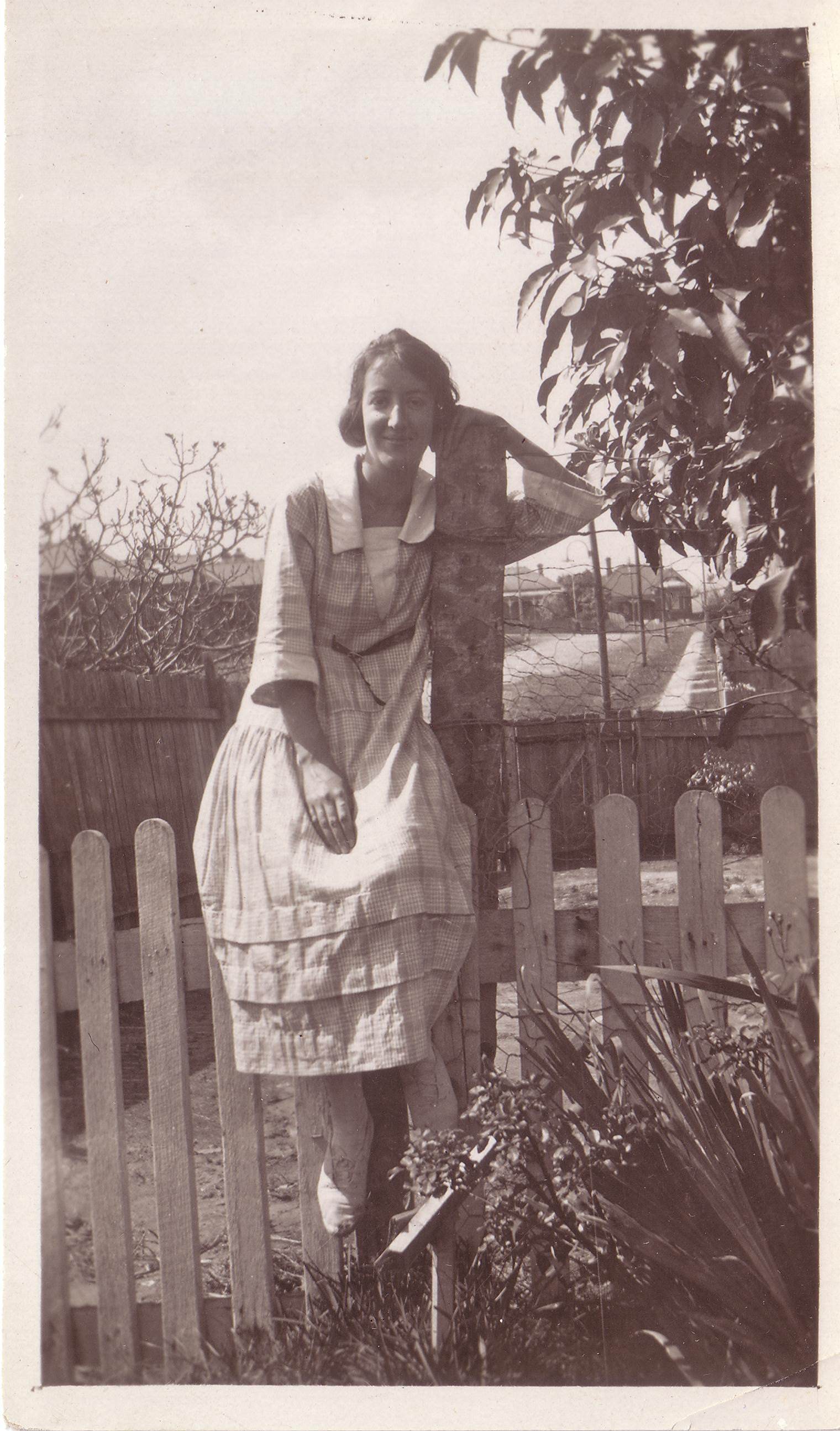
Lottie’s story fell silent in 1937 and disappeared into the shadows of the past when she was tragically killed in a level crossing accident with a railcar near Dubbo. (Lachlander and Condobolin and Western Districts Recorder, 15 November 1937)
Her family’s grief was carried throughout their lives, with her husband ‘finding it hard to speak’ about his loss even in ‘his late 80s’, according to his grandson Peter Mills.
Peter first learned about Lottie’s story in his 20s and gradually constructed her story. He states
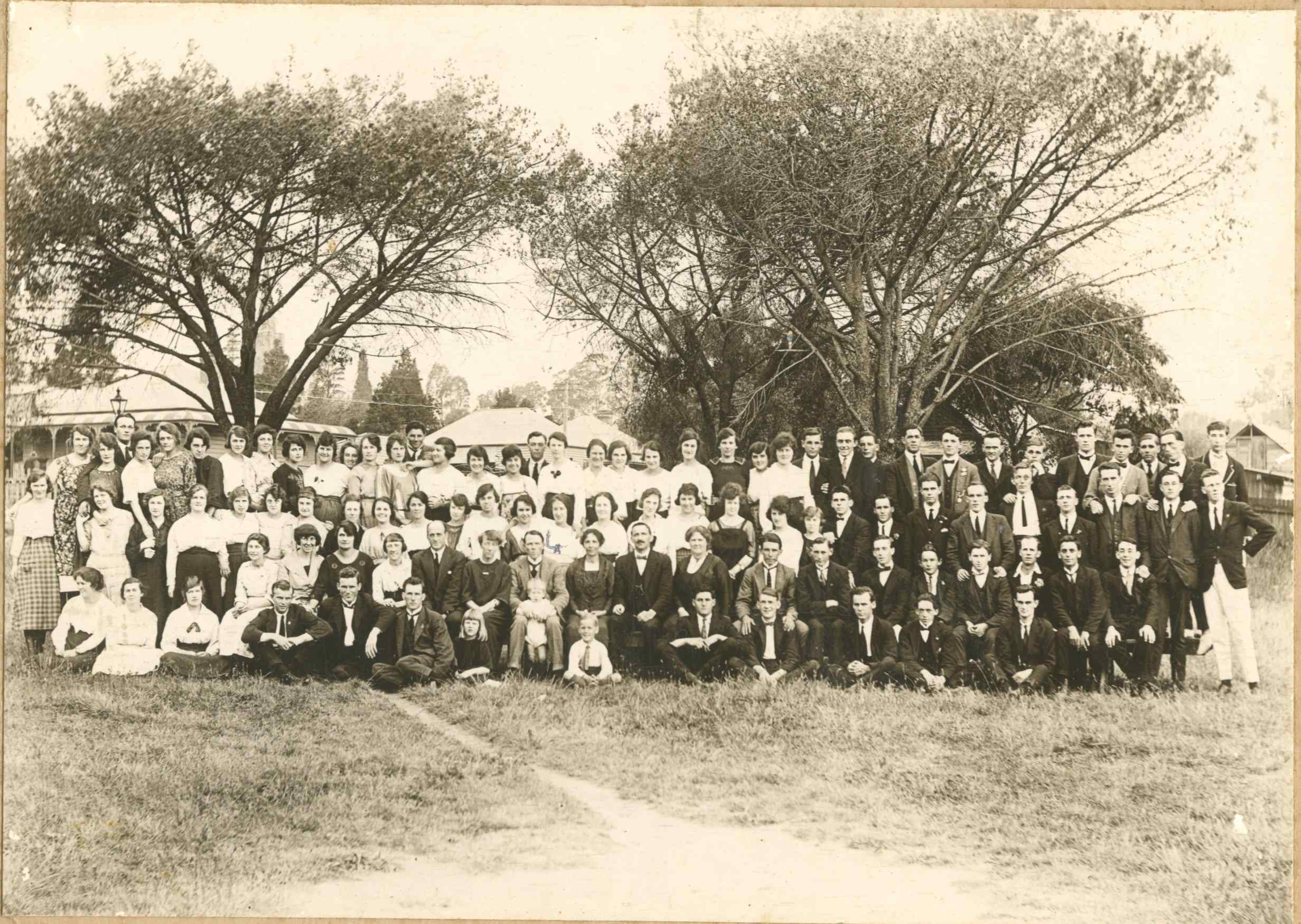
I have gradually been piecing her story together relatively recently after making contact with a cousin who had taken pictures of the photo’s on display at a Mills family reunion in 1996 and I recognised Lottie in her copy of the 1921 Camden Group photo which the family lost after the reunion (another story). (Email to author, 16 July 2024)
Interestingly, Lottie was part of an increasing demand for teachers in the early 1920s in NSW, partly due to Australia’s high population growth. This was composed chiefly of natural increase, at around 3%, peaking in 1924 at around 4.5%.
Camden camps
The first Camden camp was held in May 1921 and was attended by 89 young student trainees. They comprised 74 women and 15 men, accompanied by ten lecturers. Another was held in October 1921, and around 100 student teachers attended the camp. (SMH, 8 June 1921, CN, 6 October 1921)
The student teachers at the camp, including Lottie, were part of a one-year training Short Course, which had been introduced on the foundation of Sydney Teachers College in 1906. The course was intended for rural and infants teachers, who would teach in ‘one-teacher small bush schools which were still expanding to meet population growth’. (Sherrington in STC A History: 94)
No fraternising
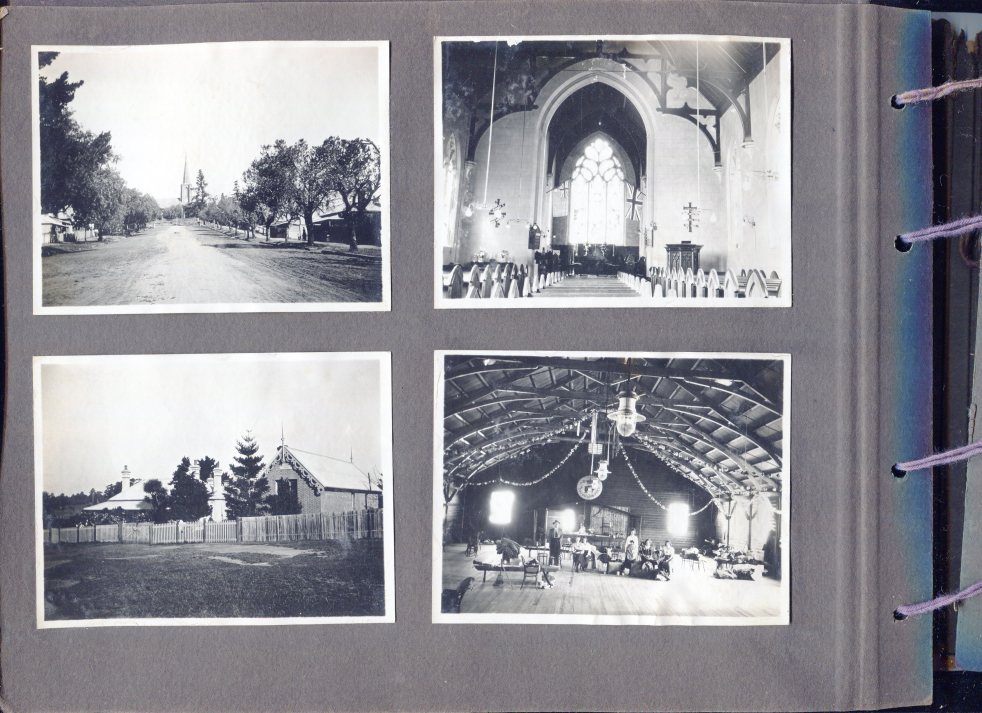
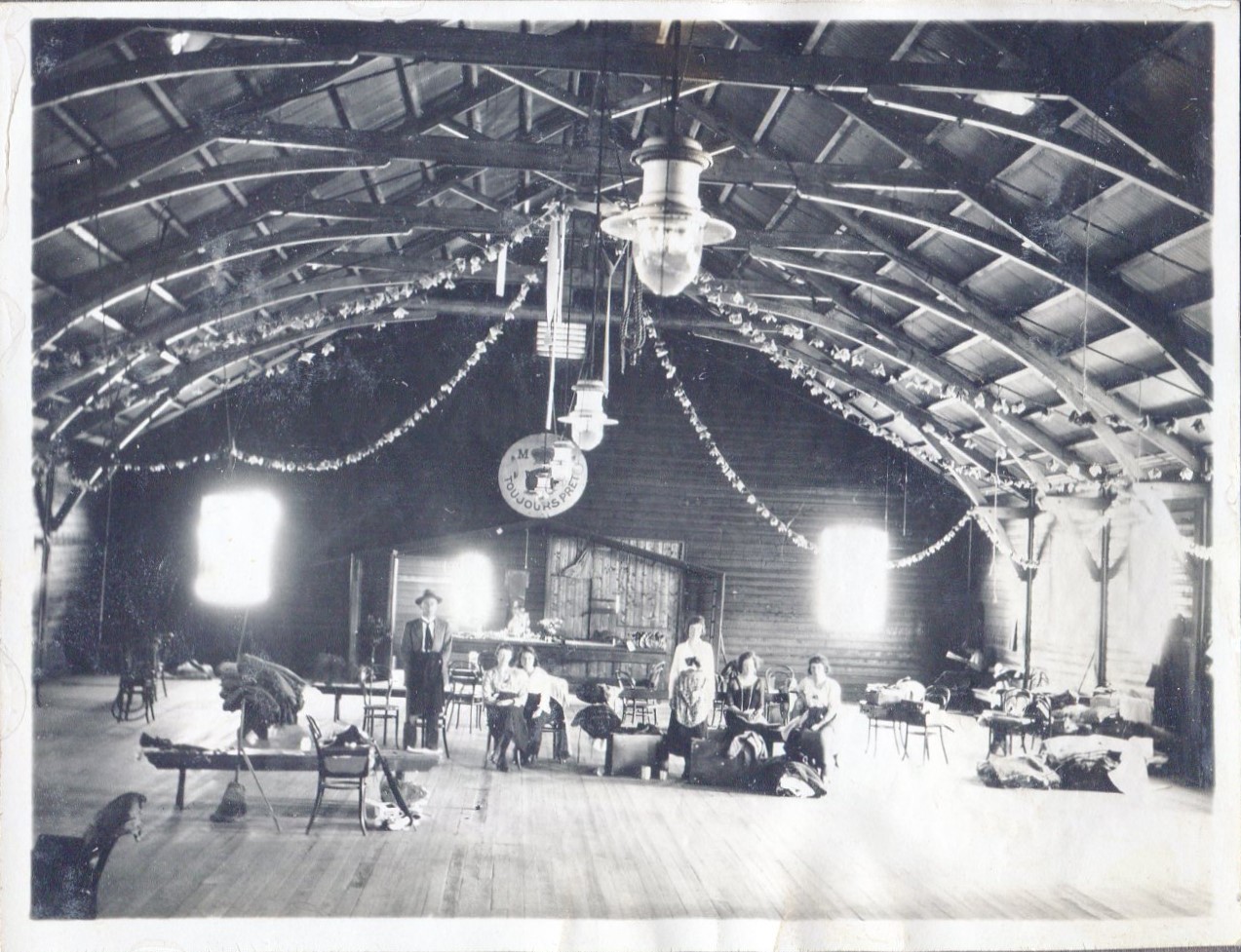
Accommodation at the Camden camp for female student teachers was provided in the agricultural hall, which was transformed into a ‘huge dormitory of the cubicle type’. (CN, 12 May 1921) The men slept in another show building to discourage fraternising between the students. The poultry pavilion was used as the kitchen and dining room. (CN, 12 May 1921)
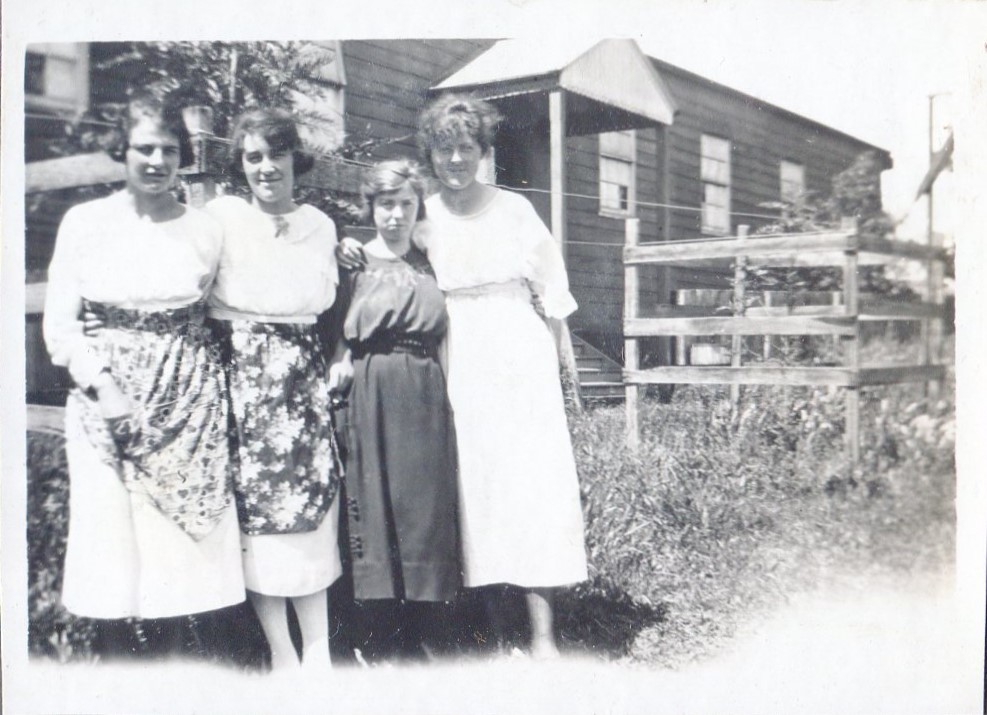
In the agricultural hall, cubicles were constructed using ‘yards of hessian…holding two or three girls’. The girls gave the cubicles names such as ‘Giggleville’, ‘The Better Ole’, and ‘The Last Hope’, and there were two long corridors called ‘George Street’ and ‘Pitt Street’. (SMH, 8 June 1921)
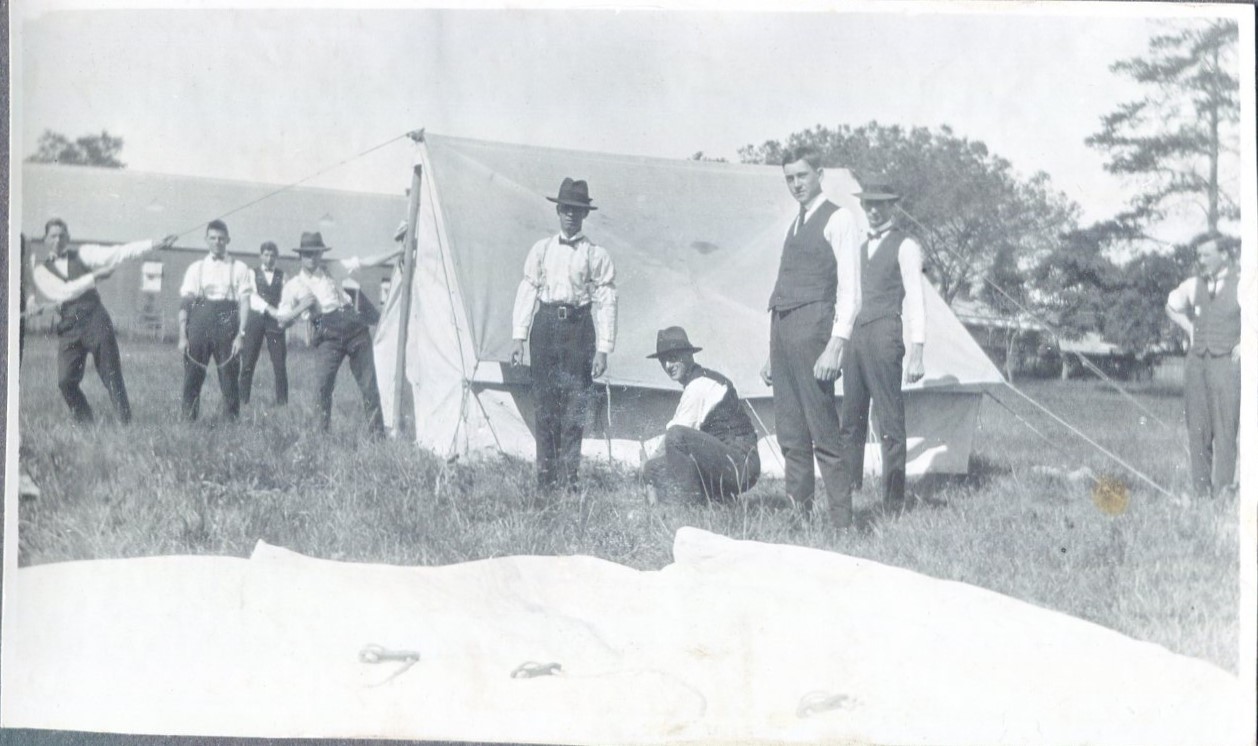
The student teachers were closely supervised and had a full schedule of activities every day. Morning activities at the showground ran between 6 am and 9 am, while in the afternoon, from 4 pm until dark.
The evening was spent at St John’s Hall, between 7 pm and 8 pm, where singing and games were supervised by Miss Atkins, music lecturer, and Miss Wyse, education lecturer. These activities were followed by educational lectures to which the Camden community were invited. (CN, 12 May 1921)
On the first night, Peter Board, Director of Education, Camden Mayor GF Furner, and HD McLelland, Chief Inspector, gave lectures (SMH, 8 June 1921).
Practice teaching
Practice teaching was an essential part of the Camden camp experience and an integral part of the teacher training for the Short Course. (Sherrington in STC A History: 112)
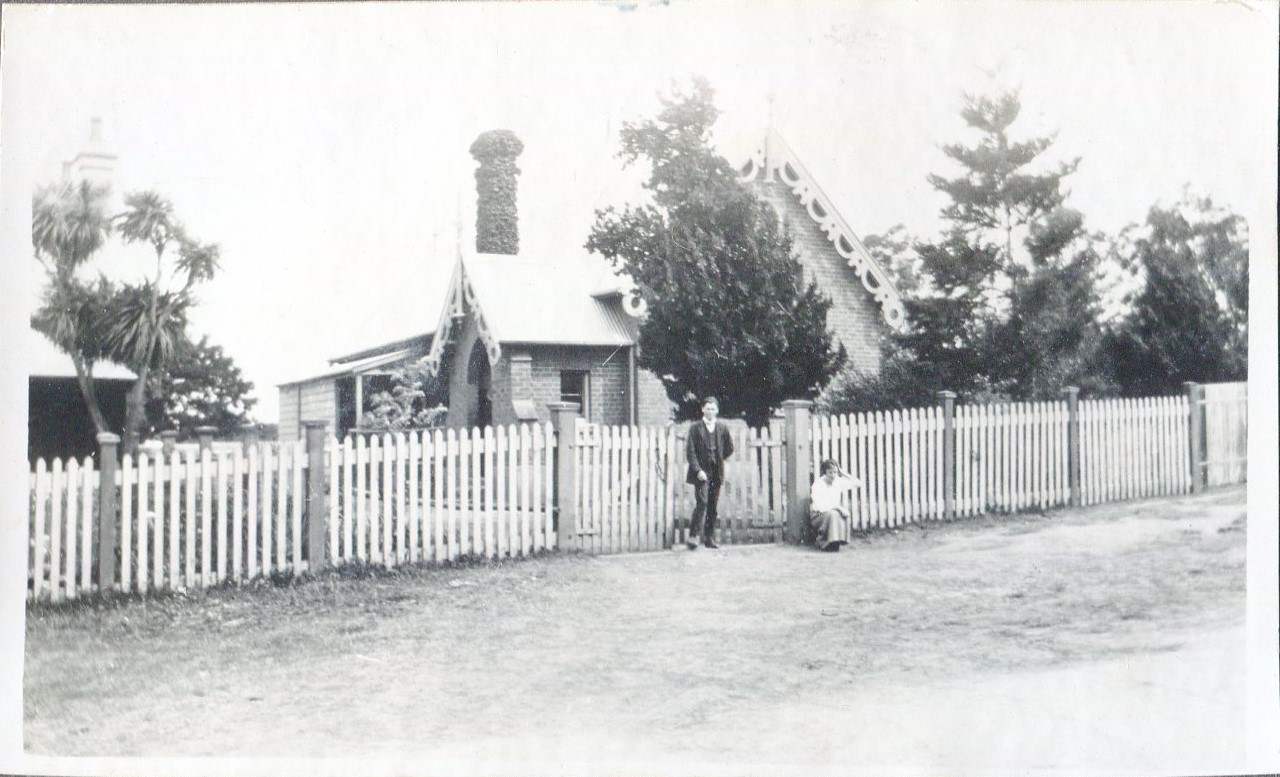
The Sydney press maintained that the Camden camp aimed to
to afford these coming teachers an insight into the exact class of work they would soon be required to take In hand. In this way they would acquire their knowledge at first hand, and In the school of actual experience. By dint of taking a hand in the doing of the work, under supervision of the teachers in charge, (SMH, 8 June 1921)
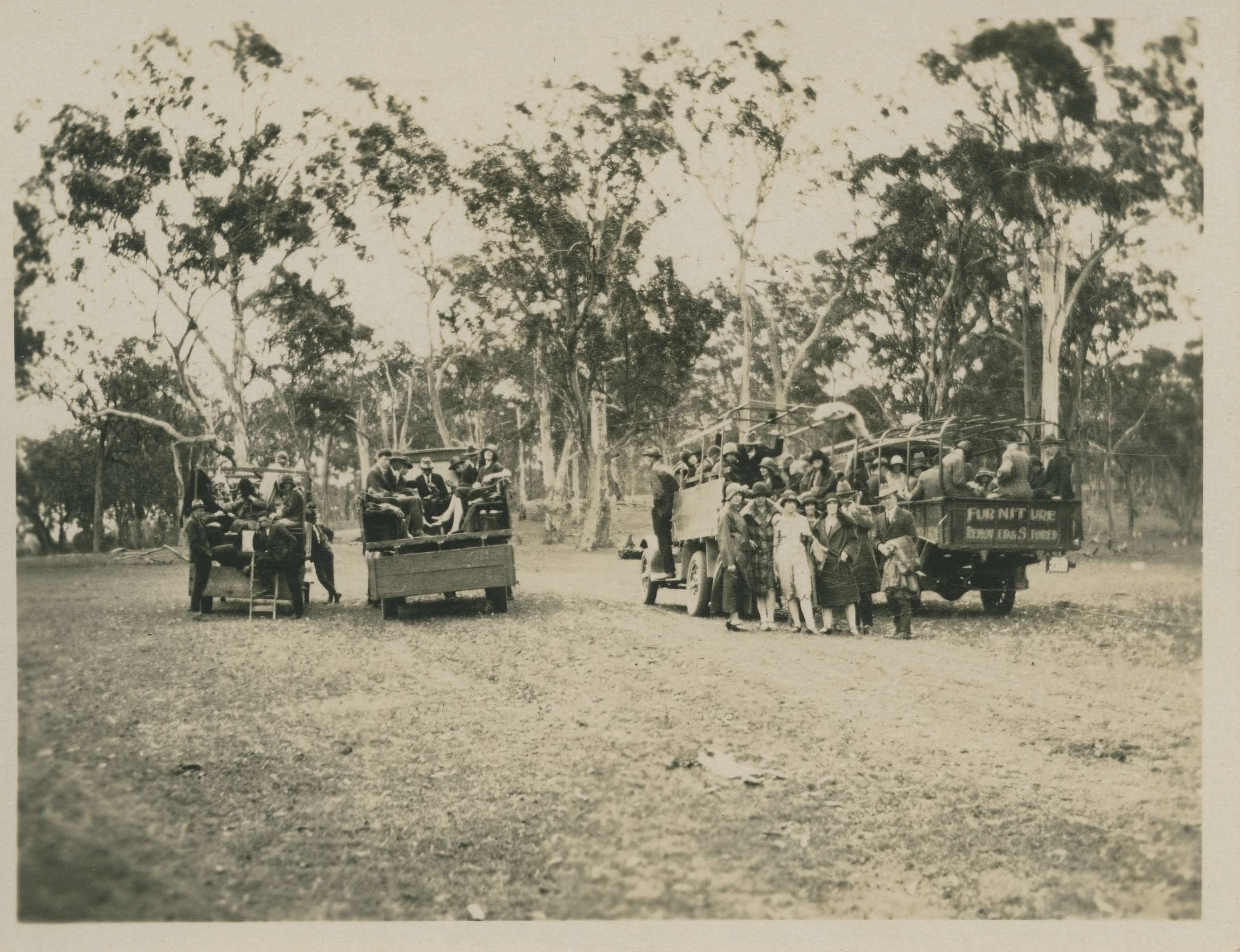
During the day, the student teachers attended several local schools between 9.00 am and 3.00 pm, and they were:
Camden, Campbelltown, Campbelltown South, Cawdor, Cobbitty, Glenfield, Ingleburn, Minto, Mount Hunter, Narellan and The Oaks. (CN, 12 May 1921)
Of these schools, six were one-teacher schools, three had two teachers, and the rest had a greater number. Most were easily accessible on the Campbelltown-Camden Railway Line and The Main Southern Railway Line. (SMH, 8 June 1921)
Close supervision of college life
The close supervision of student teachers by the staff from Sydney Teachers College extended to daily college life.
Young student-teachers from the country, like Lottie, had to live in an approved boarding house for country girls and were required to have appropriate standards of dress. The dress code for female students extended to their blouse and skirt, hair, shoes, hat and gymnasium costume. (Sherrington in STC A History: 103)
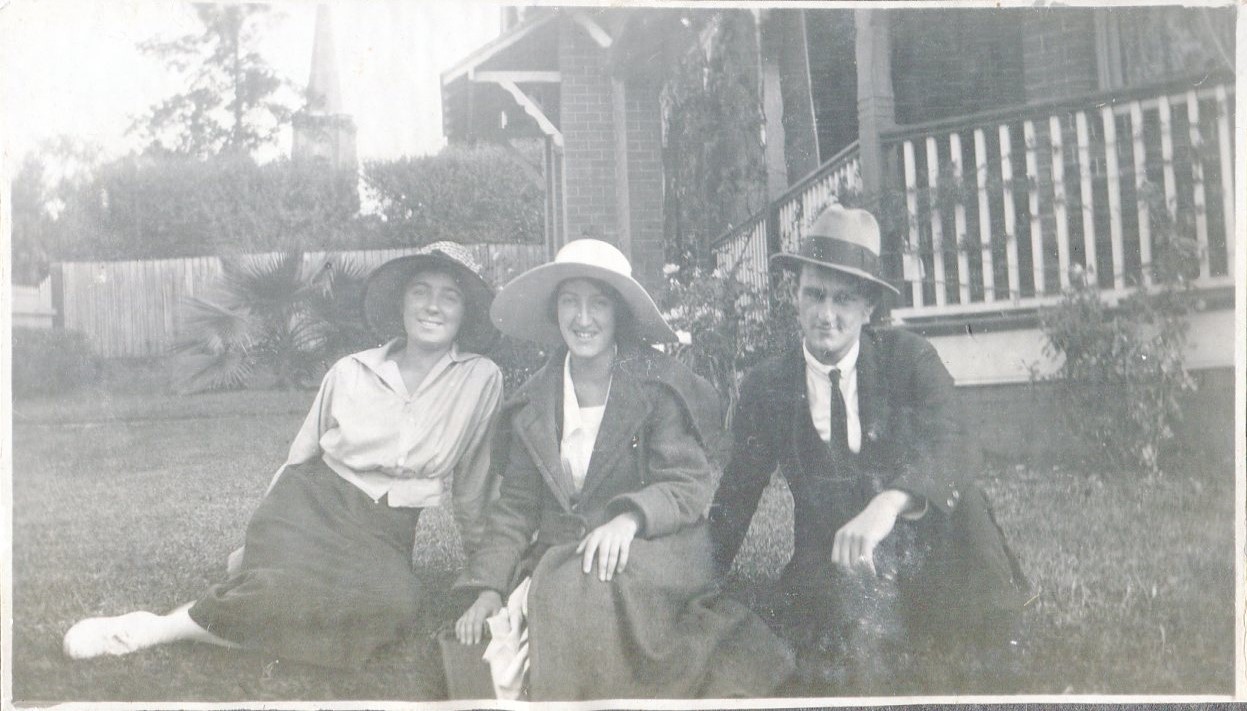
Sherrington notes that despite the ‘vestiges of independence’ for the student-teachers, college life was, in many ways, similar to school life. Many college rules governed daily life, and sports were a ‘continuation of school life’. (Sherrington in STC A History: 108-109)
Lottie was influenced by changes in women’s roles following the First World War. As an independent young woman, Lottie wanted simpler and more practical clothes, according to the National Gallery of Australia. An NGA exhibition website states
The post-war woman who emerged was independent, worked and travelled and required a new style of dress. By 1920 the functional styles of the war years had become stylish; the loose tubular dress had appeared, culminating in the boyish look of 1924, a straight, flat-chested, waistless dress reaching just below the knee. (https://nga.gov.au/exhibitions/the-twenties/)
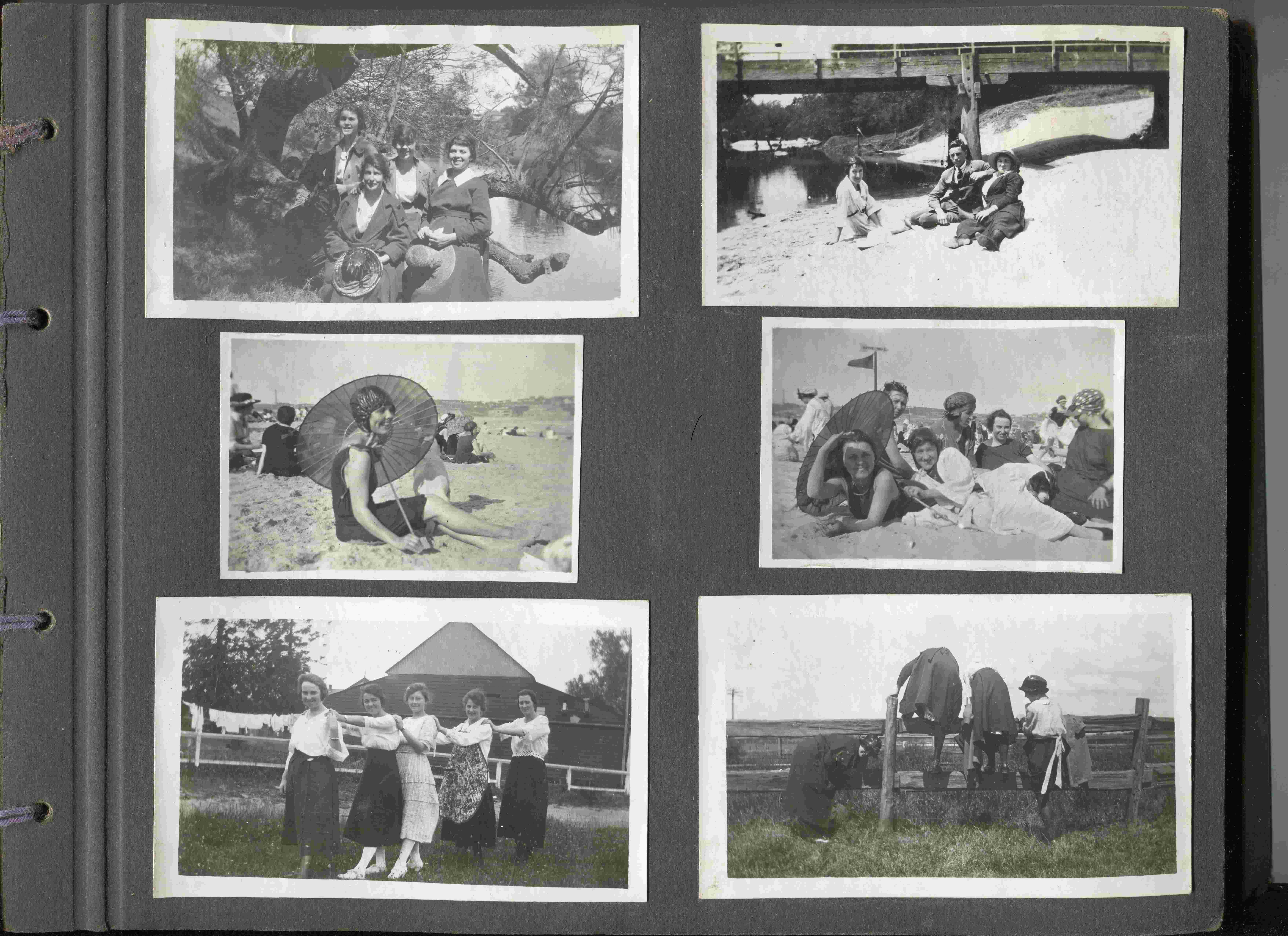
These trends at the Camden camp were best expressed at the weekends when the student teachers were away from the control of college staff and allowed a more relaxed approach to dress standards.
Gender expectations
Lottie was one of a small cohort of young women who completed the Leaving Certificate in 1920, which comprised less than 1% of all enrolled school students in NSW. She had attended Orange High School, the first high school established in western NSW in 1912. The first NSW Leaving Certificate examination was held in 1913. The Short Course entry requirements were either the Leaving Certificate, Intermediate Certificate or their equivalents.
Lottie had initially attended Orange Superior School (1910) and was then selected to attend Orange High School, where she graduated with her Leaving Certificate in 1920. She achieved ‘B’ level second-class passes in English, Modern History, Botany, and Geology – a mix of liberal and science subjects.
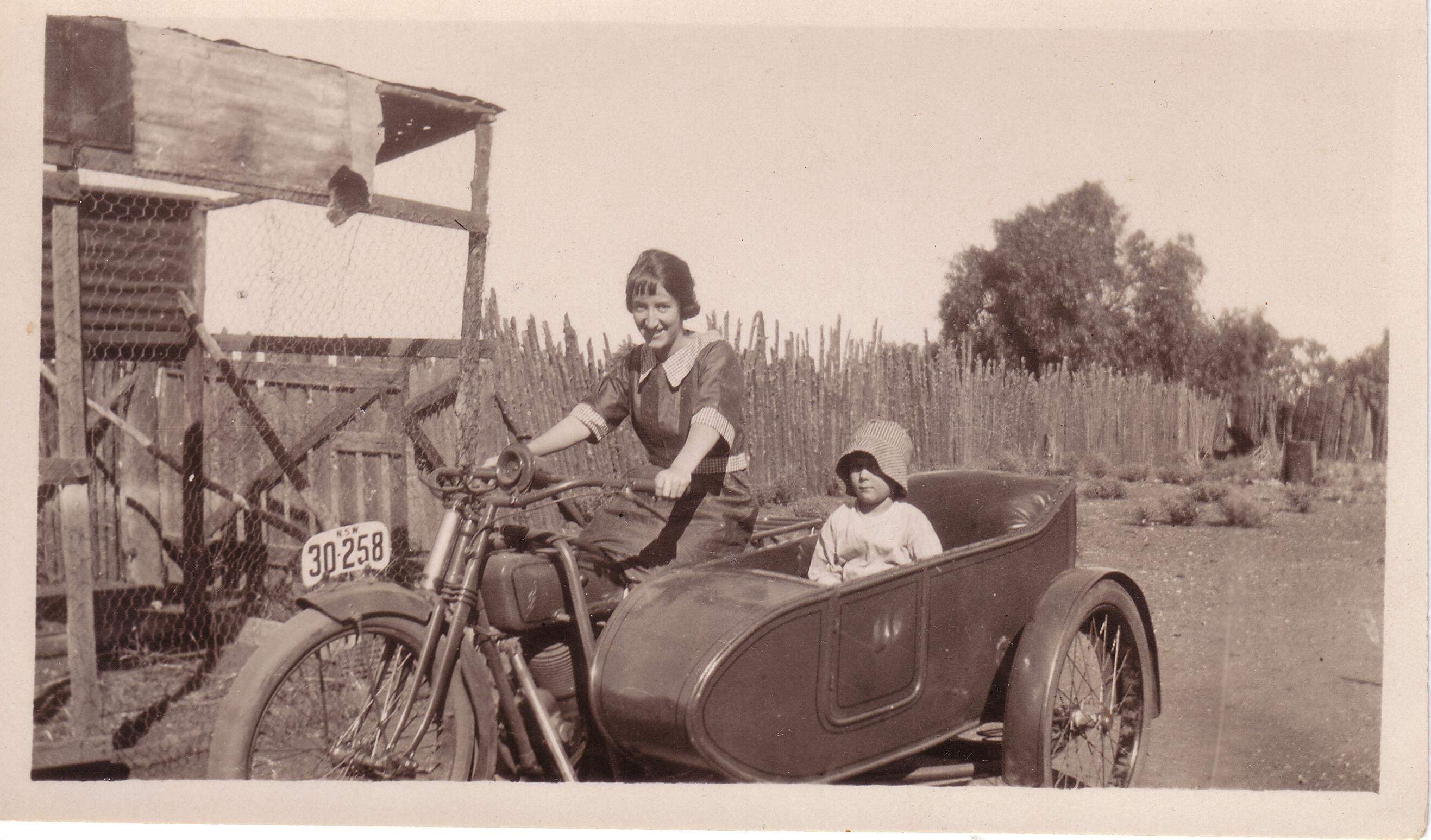
This was quite an achievement for a young country girl. At the Leaving Certificate, most young female students undertook subjects considered more suitable for women, including Business Principles, Dressmaking, or Shorthand.
Paid work for young women in the early 1920s was generally restricted to teaching, nursing, secretarial or shop work, while many city girls did factory work. Gender expectations for young countrywomen in the early 1920s were to marry, care for their husbands, and raise a family.
Sherrington’s survey of the social composition of student teachers in the 1930s indicated that most students came from social backgrounds where their fathers held ‘lower middle-class, white-collar jobs or skilled blue-collar occupations’. (Sherrington in STC A History: 99)
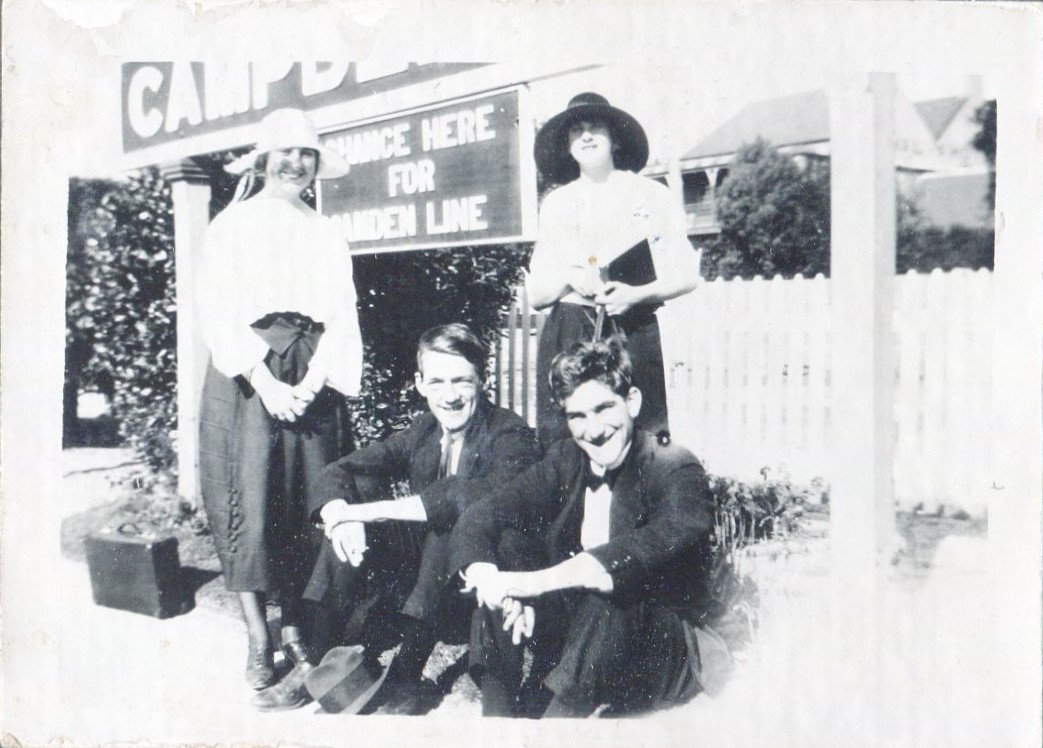
Lottie’s father was a farmhand from the rural working class and took an enlightened approach to his daughter’s education. Her mother, Letitia Jane Northey, was a descendant of Cornish miners and storekeepers. (Peter Mills, Email 19 July 2024)
Her enrolment at Sydney Teachers College made her part of the socially upwardly mobile of her generation. She was a modern girl and owned a Kodak Box Brownie camera, introduced to Australia in 1910, which she used to record her time at the Camden camp. (Peter Mills, Email 19 July 2024)
Living expenses
Like most other student teachers at the Camden camp, Lottie would have been on a Teachers Scholarship, which paid an annual allowance of around £50-£60 for those living away from home. The student teacher doing the Short Course was bonded to work in the schools for three years. (Sherrington in STC A History: 97)
Given Lottie’s social background and meagre allowance under the Teachers Scholarship, she would have needed financial help to attend the 1921 Camden camp.
While the Department of Education met the travel expenses to the Camden camp and paid the lecturers, the student teachers met all other costs. The cost of running the camp was about £400. (SMH, 8 June 1921)
Sydney Teacher College camps after 1925
In 1926, Sydney Teachers College purchased a campsite, an old farm of around 100 acres, at Castlereagh between Penrith and Richmond on the Hawkesbury River. Camps were held until the 1970s. The site was later known as the Yarramundi Teachers College Camp. It is now known as Yarrawood Conference Centre and owned by UTS Sydney.
Lottie’s future
Peter Mills, Lottie’s grandson, tells us that in 1922, Lottie took up teaching, completed her training, and was appointed to Canbelego Public School as a trainee. She was paid about 80% of the male teachers’ pay rate.
Lottie taught at Canbelego Public School from 1922 to 1923, Manildra Public School from 1923 to 1928, and Orange Rural School from 1929 to 1935.
When she married Tottenham garage owner Stuart Henry James Mills at Orange in 1935, she had to resign from teaching due to the Married Women (Lecturer and Teachers) Act (NSW 1932). The law was not repealed until 1966.
Lottie had two children, Richard (1936) and Robert (1937), and tragically, was killed in a level crossing accident with a rail motor in 1937 at Dubbo, aged 35 years old. (Lachlander and Condobolin and Western Districts Recorder, 15 November 1937)
References
Geoffery Sherington, ‘Student Life, 1918-1945’, in, Sydney Teachers College, A History 1906-1981, Boardman, G, Barnes, A, Fletcher, BH, Sherrington, G, & C Turney (eds), (Hale & Iremonger, Sydney, 1995)
Peter Mills, Charlotte Elizabeth ‘Lottie’ Dean, Timeline 1902-1937, Typescript, Camden Museum, 2024.
Peter Mills, Email to author, 18 July 2024.
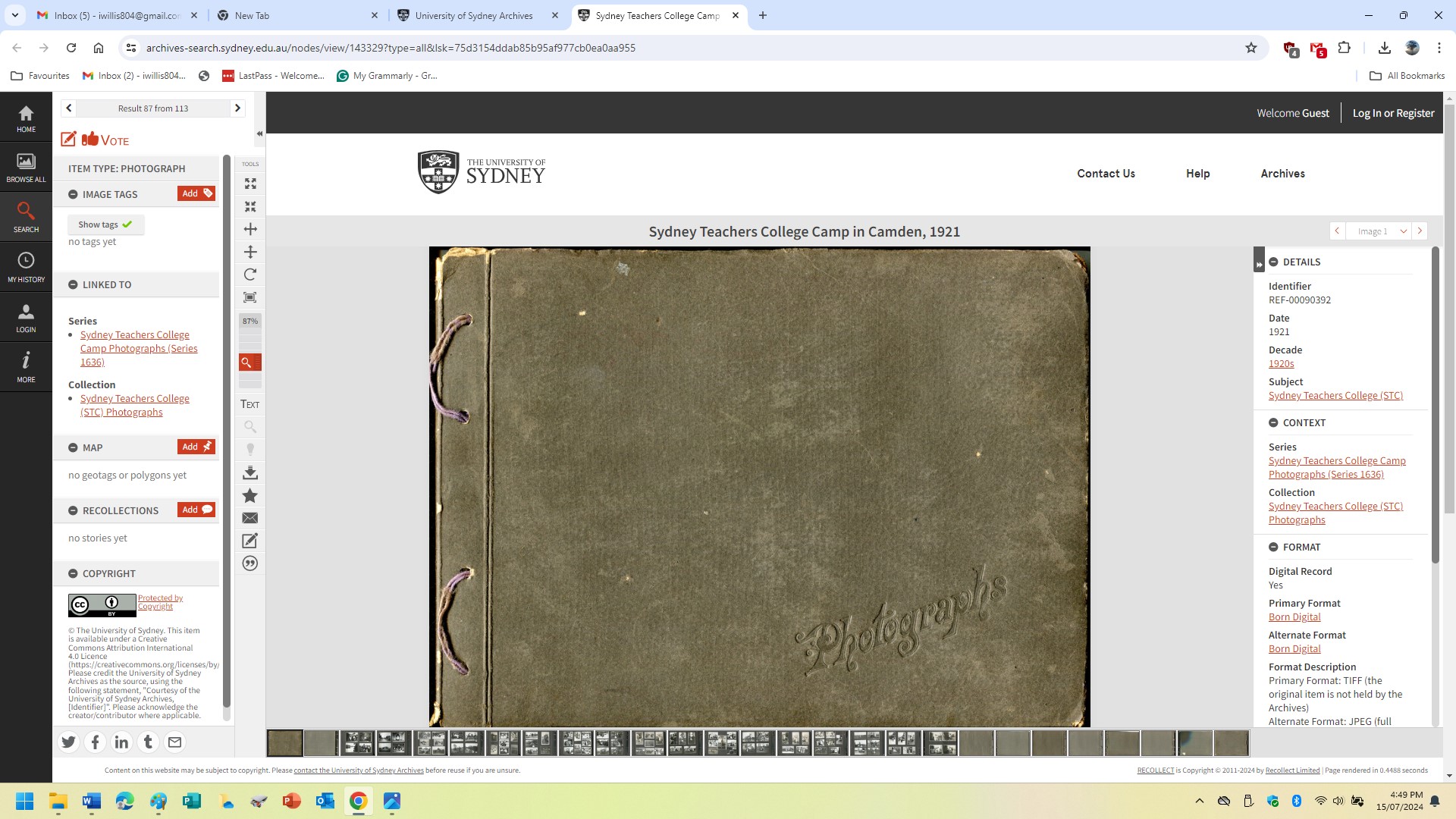
CE Dean, Photograph Album, 1921, provided by Peter Mills. (A copy is lodged in the Sydney University Archives).
Discover more from Camden History Notes
Subscribe to get the latest posts sent to your email.


.jpg)