
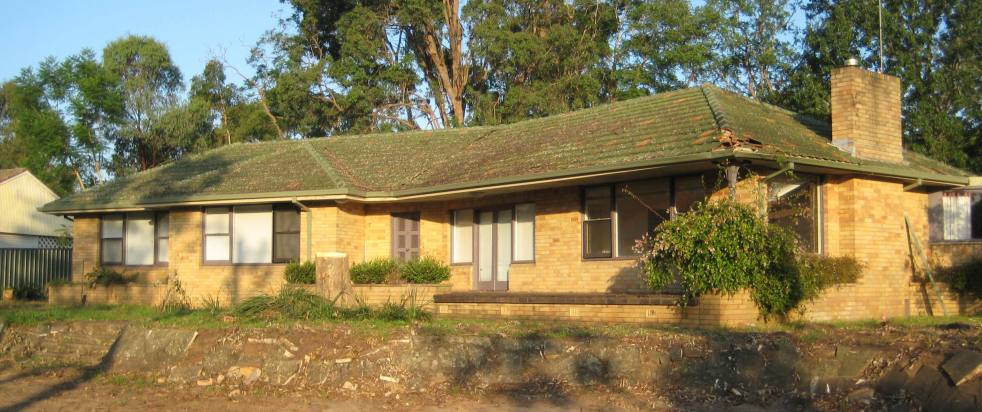
The Hennings House
64-66 Macarthur Road
The ranch-style Henning House was set back high on the ridge in Elderslie across two building allotments, and is a good example of mid-century modernism.
Fronting Macarthur Road, the prominent position provided an appropriate site for the handsome residence of the Camden business family, Peter and Barbara Hennings.
The house’s integrity remained intact until its demolition in 2011 to make way for a preschool.
Built in 1960, the Hennings House was one of the first residences in a series of houses on the Bruchhauser farm subdivision along Macarthur Road. (Hennings 2010)
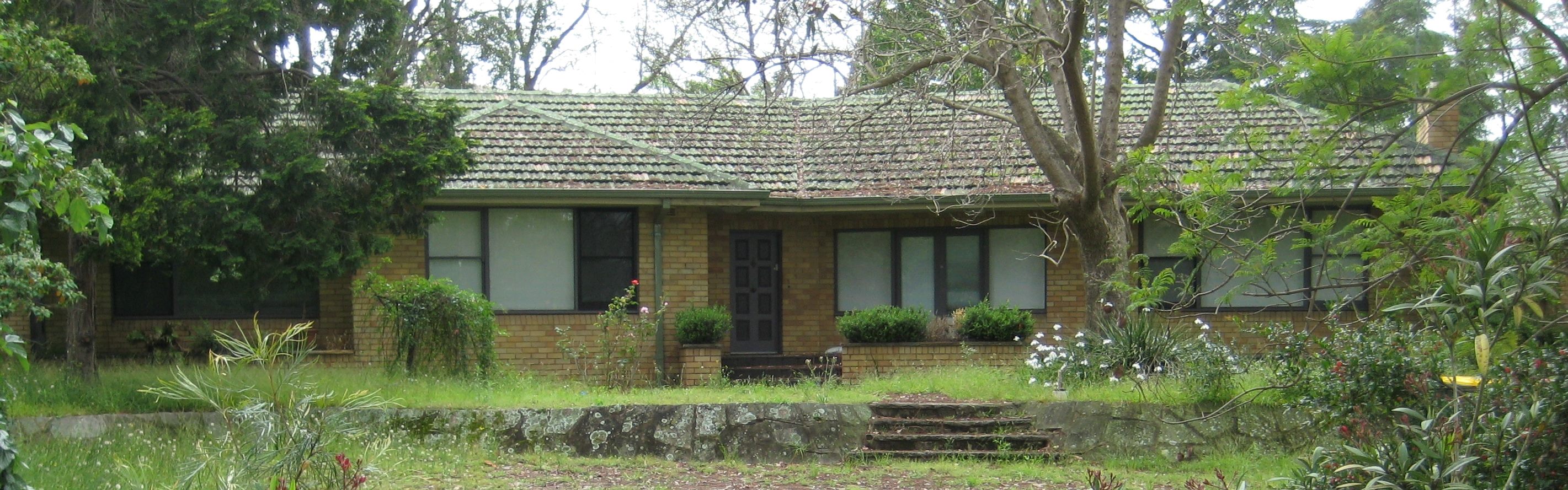
The Hennings House was one of several ranch-style residences in Elderslie.
Ranch-style housing
Architect Robert Irving has noted the housing style as an Australian domestic architecture. Parramatta City Council has recognised the housing style of heritage significance.
The ranch-style house is an example of mid-century modernism.
The original house style came from California and the Southwest of the USA, where architects in these areas designed the first suburban ranch-style houses in the 1920s and 1930s. They were simple one-storey houses built by ranchers who lived on the prairies and in the Rocky Mountains.
The American architects liked the simple form that reflected the casual lifestyle of these farming families. After the Second World War, several home builders in California offered a streamlined, slimmed-down version. They were built on a concrete slab without a basement, with pre-cut sections.
The design allowed for multi-function spaces, such as living-dining rooms and eat-in kitchens, which reduced the number of walls inside the house. The design was one of the first to orient the kitchen/family area towards the backyard rather than facing the street.
The design also placed the bedrooms at the front of the house. The marketing of the ranch-style house tapped popular American fascination with the Old West. (Washington Post, 30 December 2006)
Elevated position across two blocks
Bracken ferns covered the site when the Hennings purchased the two blocks, and then they filled the site to provide the house with an elevated position, featuring a stone batter at the garage end of the house.
The wide frontage ranch-style house was set back on the double block in a high position, which is uncommon in Elderslie, although typical of this style elsewhere in Sydney (Parramatta Development Control Plan 2005).
Peter Hennings has always been interested in design and was careful in selecting the plans for the house. The couple were in their early 20s when they built the house.
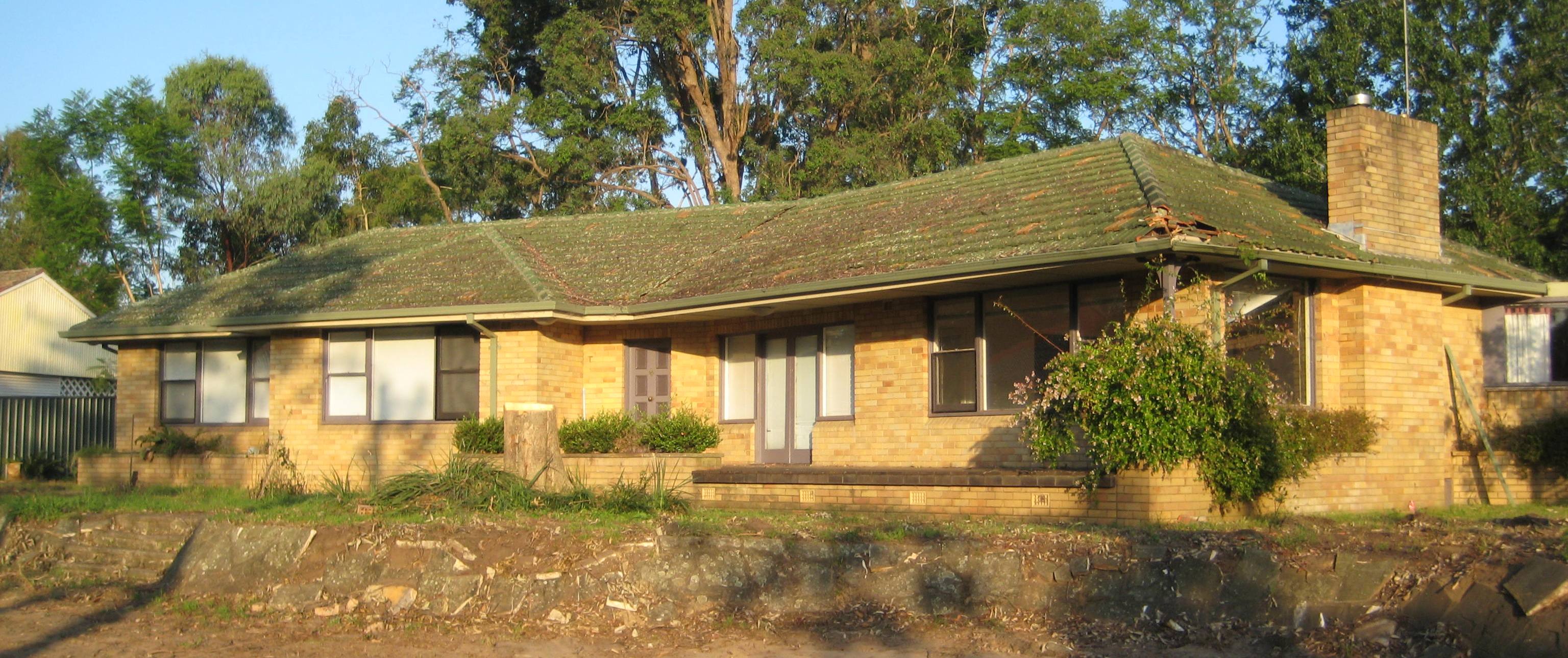
E McMillan and Sons
Builders of the Hennings House
The builders, E McMillan and Sons of Minto, had a catalogue, and the Hennings chose the house design from amongst those.
Ross McMillan recalls:
E. McMillan and Son of 1 William Street, Minto. They were located at this semi-rural address in Minto, until the N.S.W. Government resumed their land for a housing development in 1972. Ron McMillan (our father) was the “and Son” of the building company. [Ross’s sister is Christine Feeney]
Dad and grandad built many houses in the Camden area between approximately 1948 and 1975, and Edward McMillan himself built many more houses in the Camden and Campbelltown areas before 1948. (McMillan 2025)
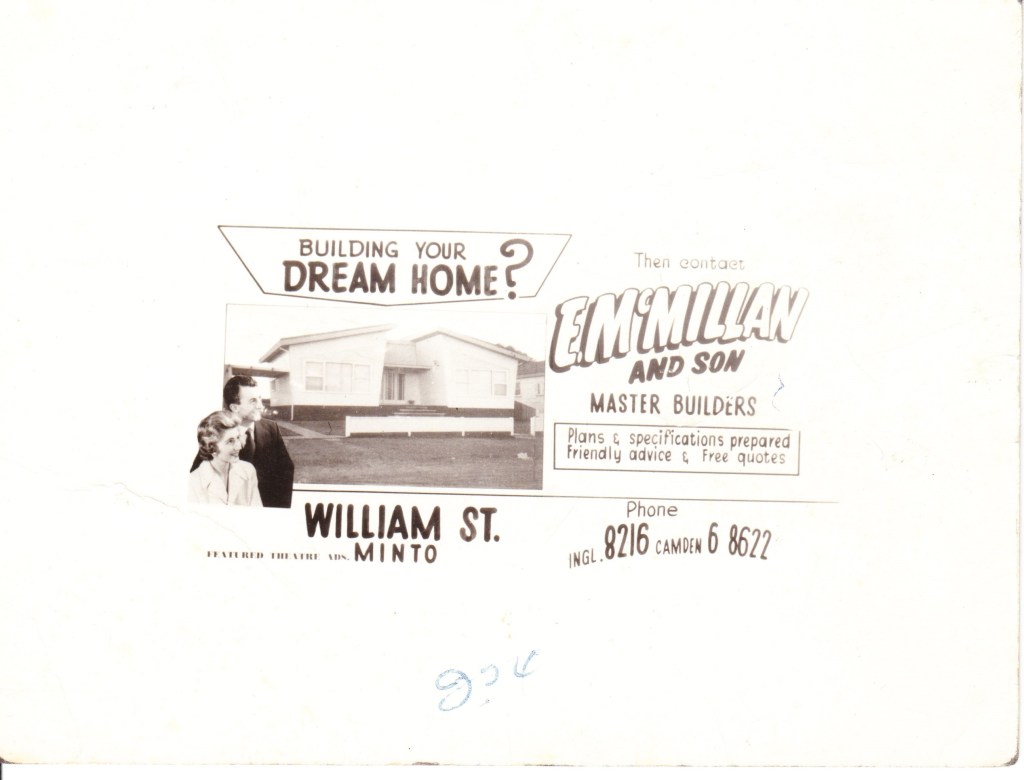

E. McMillan and Son used the newly built house at 1 Ettlesdale Road, Elderslie, as an example of their building work in 1958 in the firm’s advertising. (McMillan 2025)
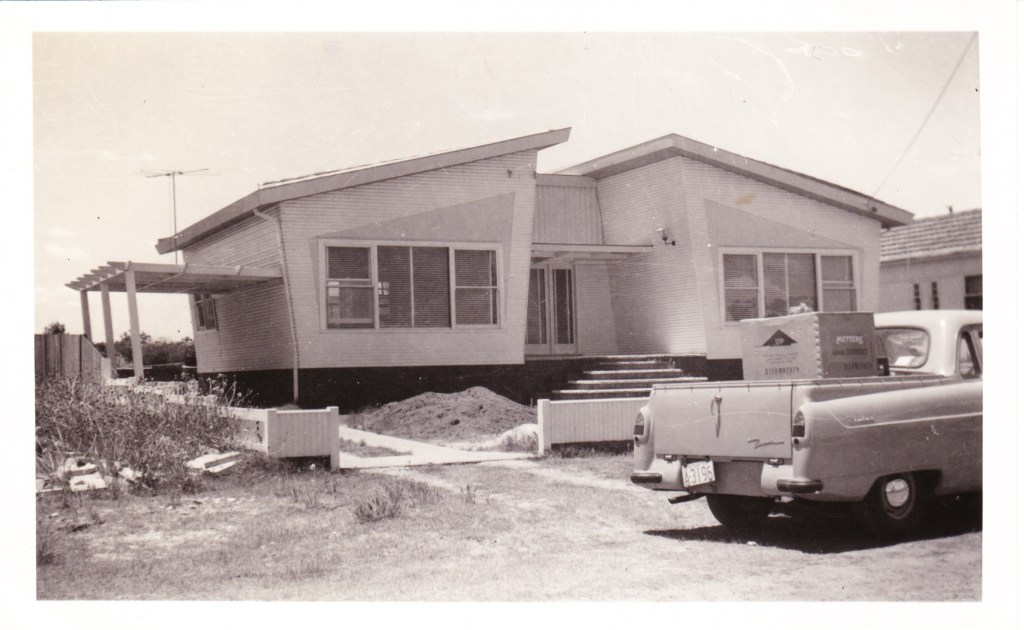
The cottage at 1 Ettlesdale Road, Elderslie, is a classic mid-century modern domestic housing style. It has an angled roof, large windows to allow in natural light and timber construction. The design emphasises clean lines and simple elements, characteristic of the era and style. The house is still intact and retains its mid-century integrity today.
Ross McMillan says:
Of some note may be that E. McMillan and Son also contributed to the additions at the Campbelltown Courthouse in 1965, along with renovation and reconstruction of the façade at Luna Park in either the late 1930s or early 1940s, approximately. (McMillan 2025)
House design
According to Peter Hennings, the house’s design was considered relatively modern. (Hennings 2010)
The house was an open-plan three-bedroom double-brick ranch-style residence with 10-foot ceilings, a stone fireplace, timber sash windows, and a separate bathroom and toilet.
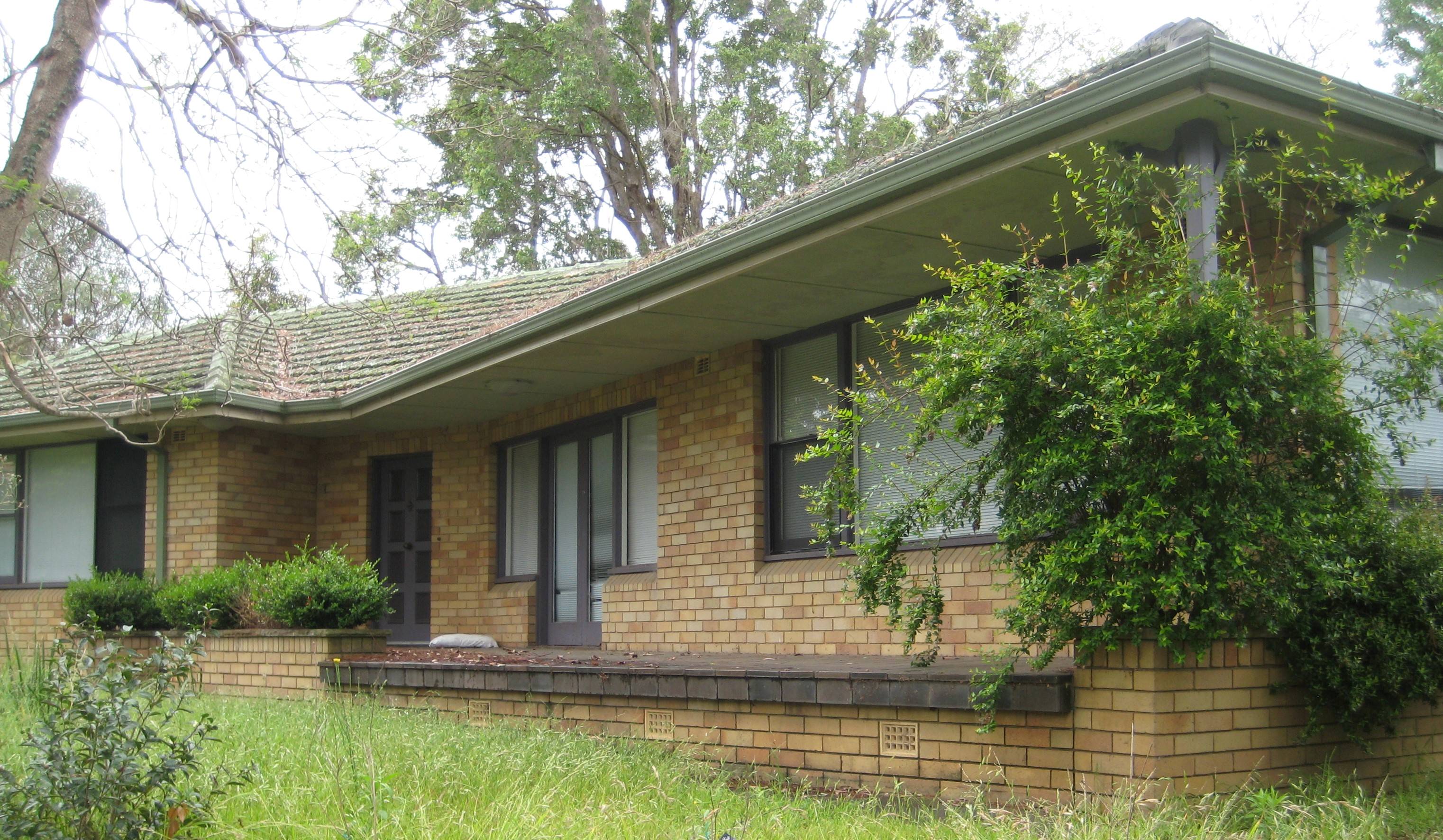
A detached garage was completed after the house was built.
The lounge room had two pairs of ¼-inch bevel glass doors and two single bevel glass doors.
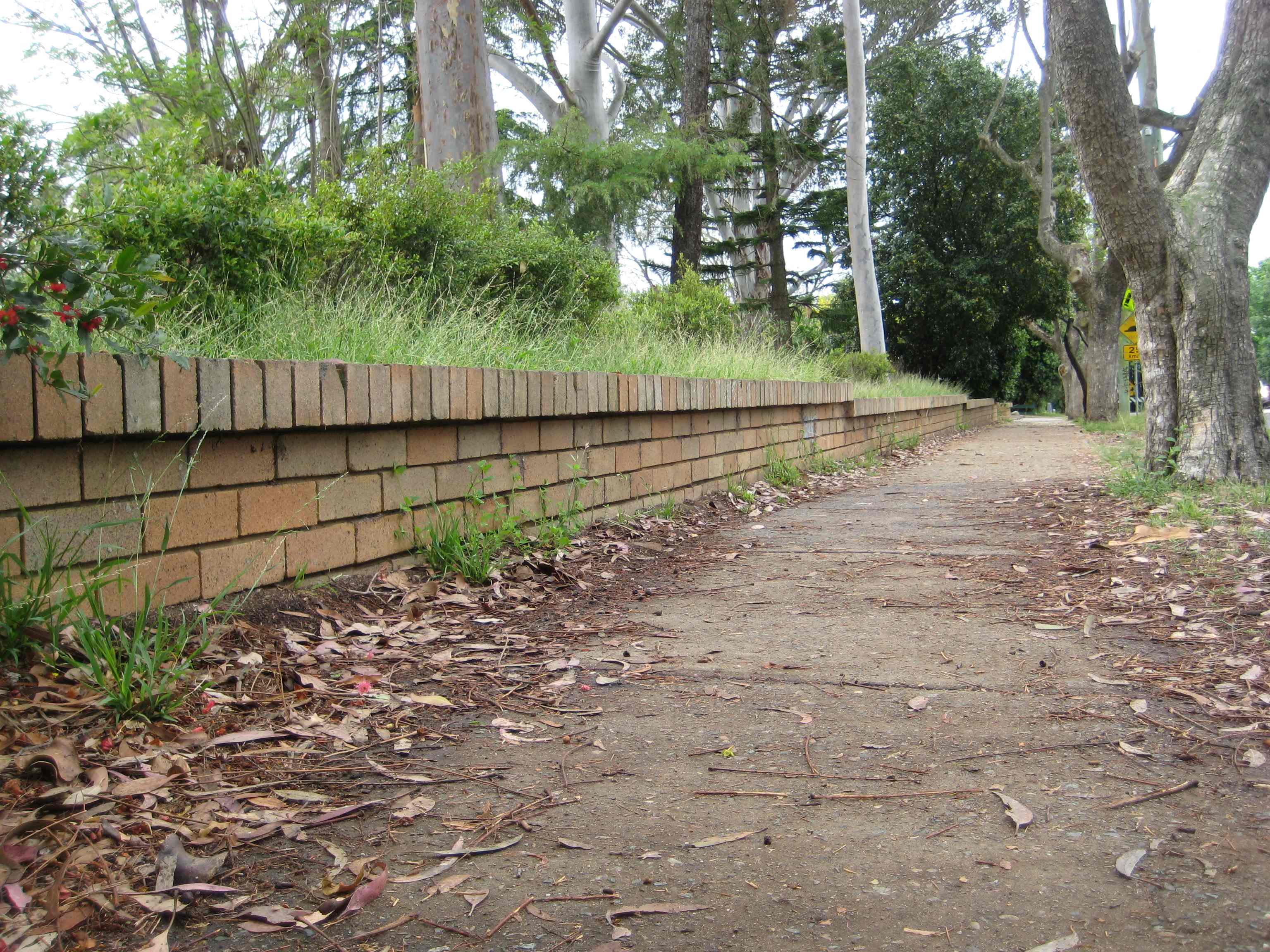
The site’s street frontage featured a 1960s front fence made of Chromatex bricks, and several mature trees added to the site’s aesthetic quality. (Hennings 2010)
The Hennings sold the house in 1980 to Dr Charles McCalden, who had a medical practice on Hill Street in Camden. He moved away from Camden in the mid-1980s.
School principals Joan and Frank Krzysik owned the house in recent years (1999-2009).
Kalinda, a Whiteman house
The state government’s 2000 Elderslie Urban Release Area plan resulted in the demolition of Kalinda, another ranch-style house. The timber-constructed home was located off Lodges Road, Elderslie, and owned by Andrew Whiteman.
The Whiteman House, Kalinda, was high on the ridge, with a pleasant west-facing outlook over the Narellan Creek floodplain. Visitors approached the house from Lodges Road by driving up the narrow driveway to the ridge’s top. The Whiteman family owned a general store in Camden that operated for nearly a century.
The same ridge was the site of Tarn House, a ranch-style house owned by surgeon Dr Gordon Clowes on Irvine Street, off Lodges Road.
Other Elderslie mid-century homes
The 1960s Elderslie land releases yielded some houses that embodied mid-century modernism. The house designs were usually taken from a book of project homes of the day, for example, Lend Lease, and were quite progressive. Some of these homes were built by the miners who worked in the Burragorang coalfields.
Houses in Luker Street are characterised by low-pitched roofs, open-plan but restrained design, with lots of natural light streaming in full-length glass panels adjacent to natural timbers and stone. There are also ranch-style houses on River Road, featuring open plans and wide frontages to the street, which some architects designed.
Two blocks of flats on Purcell Street feature decorative wrought-iron railings. Sunset Avenue in Elderslie is a mix of 1960s-modern, low-pitched-roof, open-plan houses, interspersed with New South Wales Housing Commission fibro-cement construction homes.
The New South Wales Housing Commission built fibro houses in Elderslie, some of which were located on Burrawong Crescent. Architects, including Robin Boyd, were expressing Australian modernism elsewhere in Australia. Housing developers, such as Lend Lease, commissioned these architects to design their housing estates. One such development was the Lend-Lease Appletree Estate at Glen Waverley in Melbourne. Another Lend Lease land release and show homes were at their 1962 Kingsdene Estate in Carlingford.
Demolition of The Hennings House
The demolition of the Henning House took place in 2011, in preparation for the construction of the preschool.
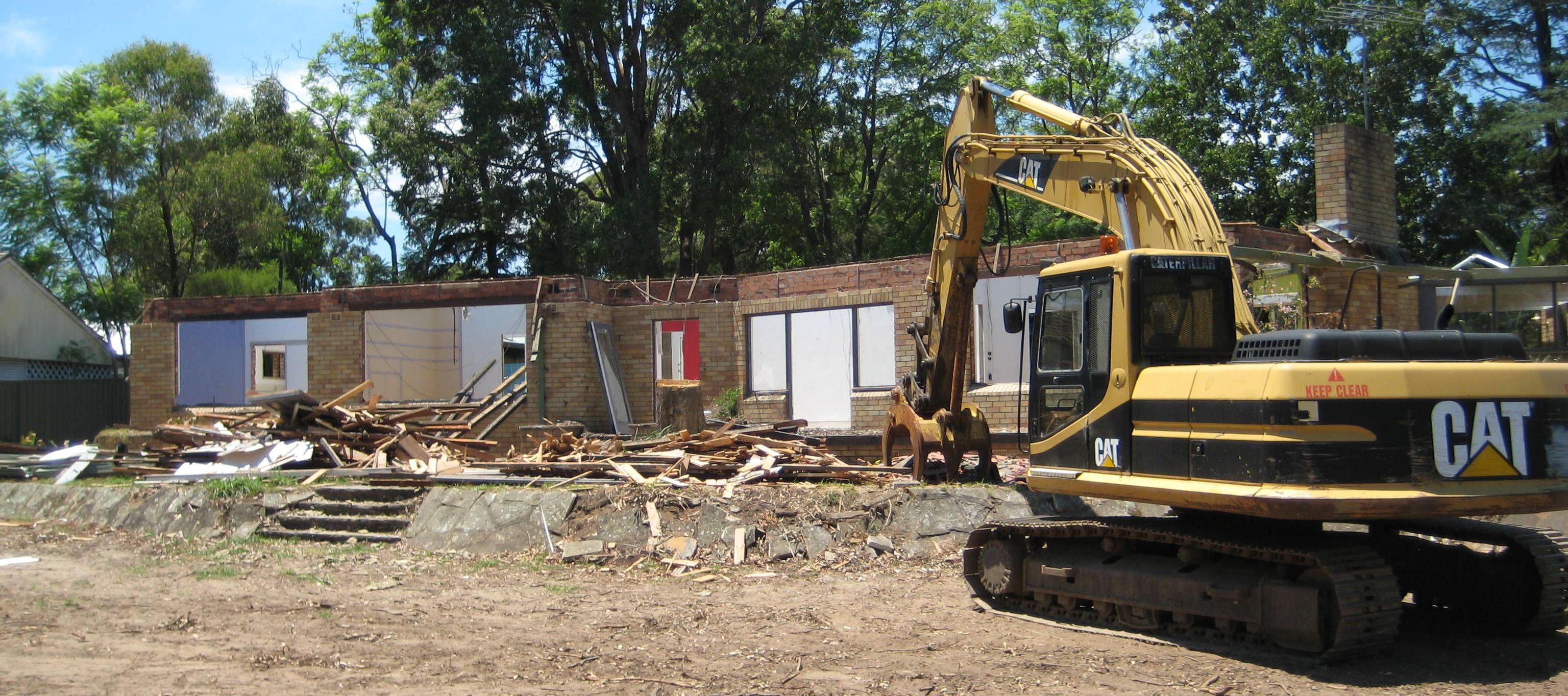
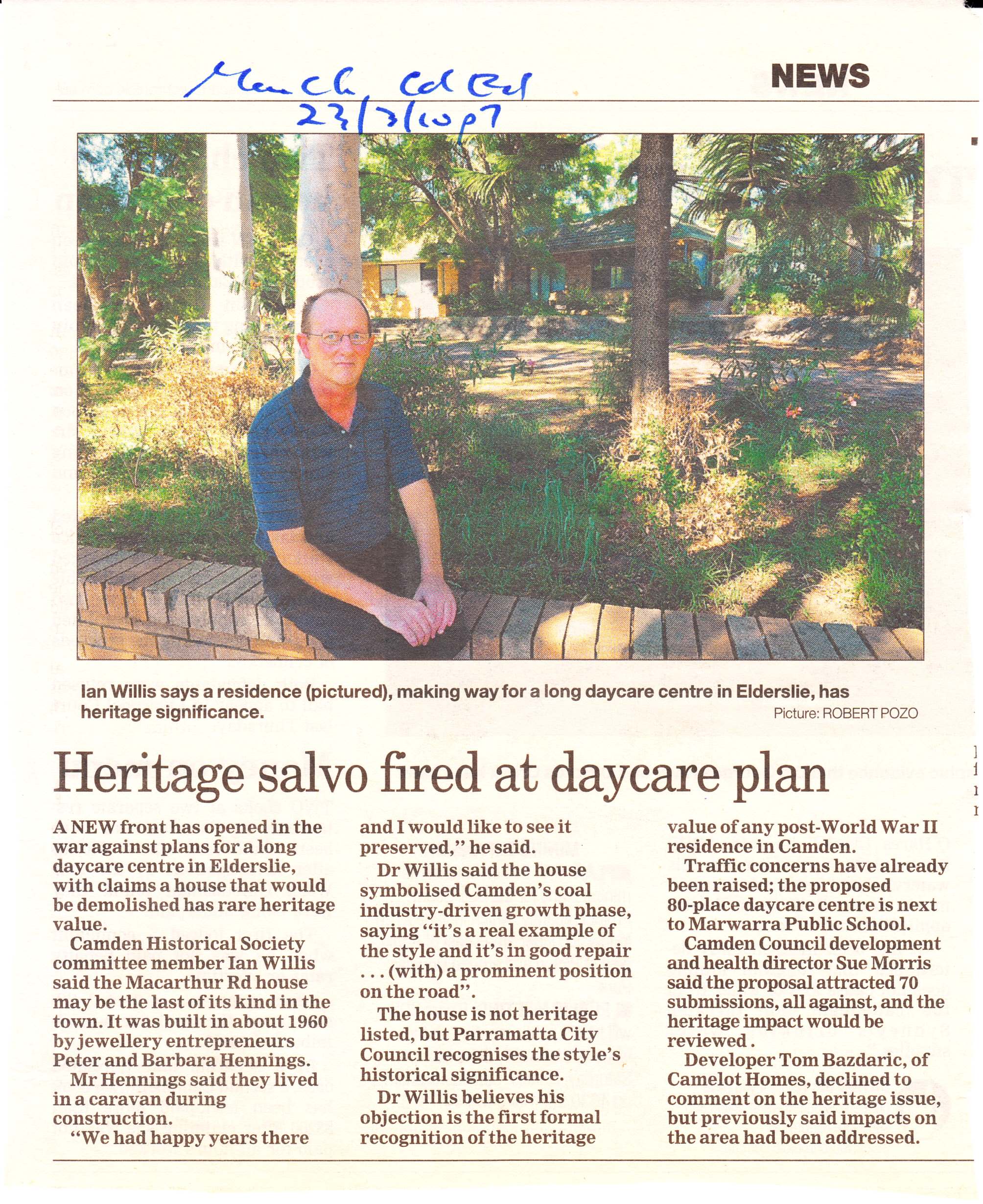
I lodged an objection to the demolition of The Hennings House in 2010 to Camden Council, which approved the DA for the preschool on the site.
The objection to the demolition was the first time there had been any formal recognition of the heritage value of a post-World War Two domestic architecture style in the Camden LGA.
Peter Hennings said he would have been happy to see the house preserved. (Macarthur Chronicle, 23 March 2010)
Reflection
The loss of The Hennings House was part of a sad story of several ranch-style houses in the Camden area that have disappeared over recent decades.
Domestic architecture tells the story of the local area and contributes to the sense of place and community identity through the people who built these houses and those who lived in them.
References
Peter & Barbara Hennings, 2010, Camden, Interview, February.
Ross McMillan, 2025, Email to author, 3 December.
Updated 27 December 2025. Originally posted on 14 April 2023 as ‘The Hennings House: lost mid-century modernism in Camden’.
Discover more from Camden History Notes
Subscribe to get the latest posts sent to your email.


One thought on “Exploring Lost Camden, The Legacy of The Hennings House”
Comments are closed.