The end is nigh
In 1995, Clutha’s Brimstone and Oakdale coal mines and the Wollondilly Washery closed, causing 550 jobs to be lost. The Macarthur Advertiser reported that
Whole communities which have relied on the coal industry for most of this century look set to be crippled. (Macarthur Advertiser 17 May 1995)
These job losses hit the local coal mining communities hard. They were foreseeable losses, and these mining communities knew the mines had an end date.
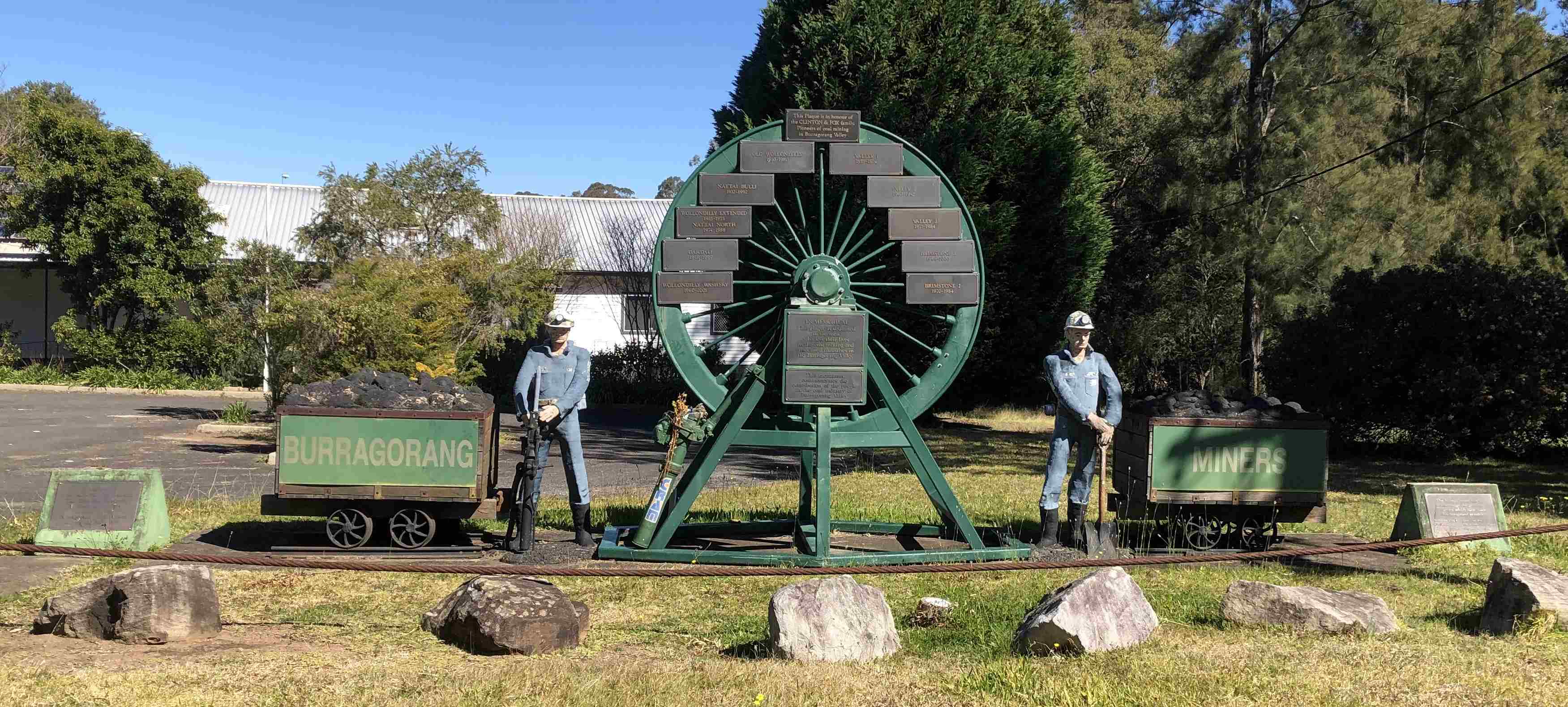
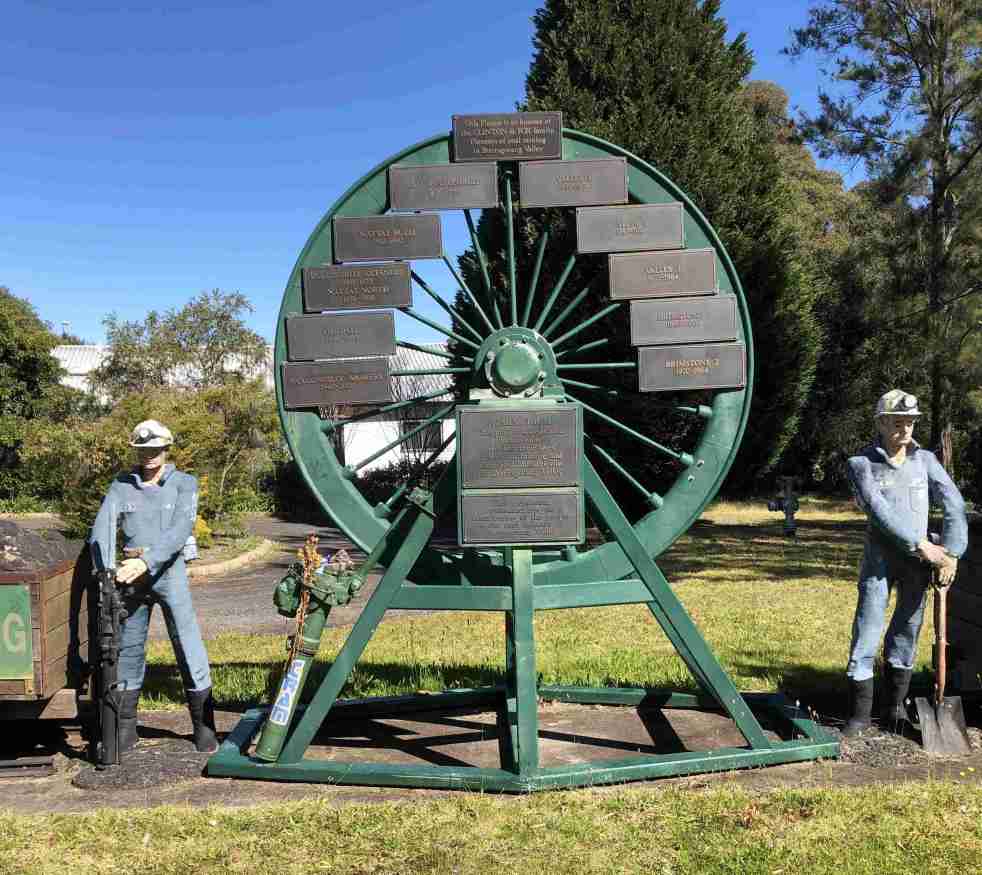
The Burragorang coalfields created enormous wealth in the local area from the 1930s until their closure in the 1990s. Paradoxically, the local communities that benefited from this wealth generation and were located in a pastoral landscape sometimes tried to ignore the existence of the coal mining industry.
The beginning
The first reports of coal in the Burragorang Valley were mentioned by Francis Barralier on his expedition in 1806, then by Sir John Jamieson in 1818. (Brown & Bush 1973)
Part-time geologist Rev WB Clarke reported coal in the valley in the 1866 Quarterly Journal of the Geological Society of London in 1866. (Cairns, 2016) Government geologist EF Pittman reported that there ‘good steam-coal’ in the valley in 1893. (Cairns, 2016)
The first production of coal is credited to blacksmith Isaac Santin 1895, who tried his hand at mining in the Upper Burragorang near the old Wollondilly Hotel for blacksmithing purposes (Brown & Bush 1973)
High transport costs
The isolation of the valley and high transport costs defeated any early attempts at mining.
In 1895, the Camden News reported abundant coal in the valley, but high transport costs defeated any development. (Camden News, 17 October 1895)
In 1901, an investigation into a light railway from Camden to The Oaks revealed that a coalfield could be opened if transport was closer to Burragorang Valley. According to the mining representative, the steep transport costs defeated any commercial development (Camden News, 5 September 1901).
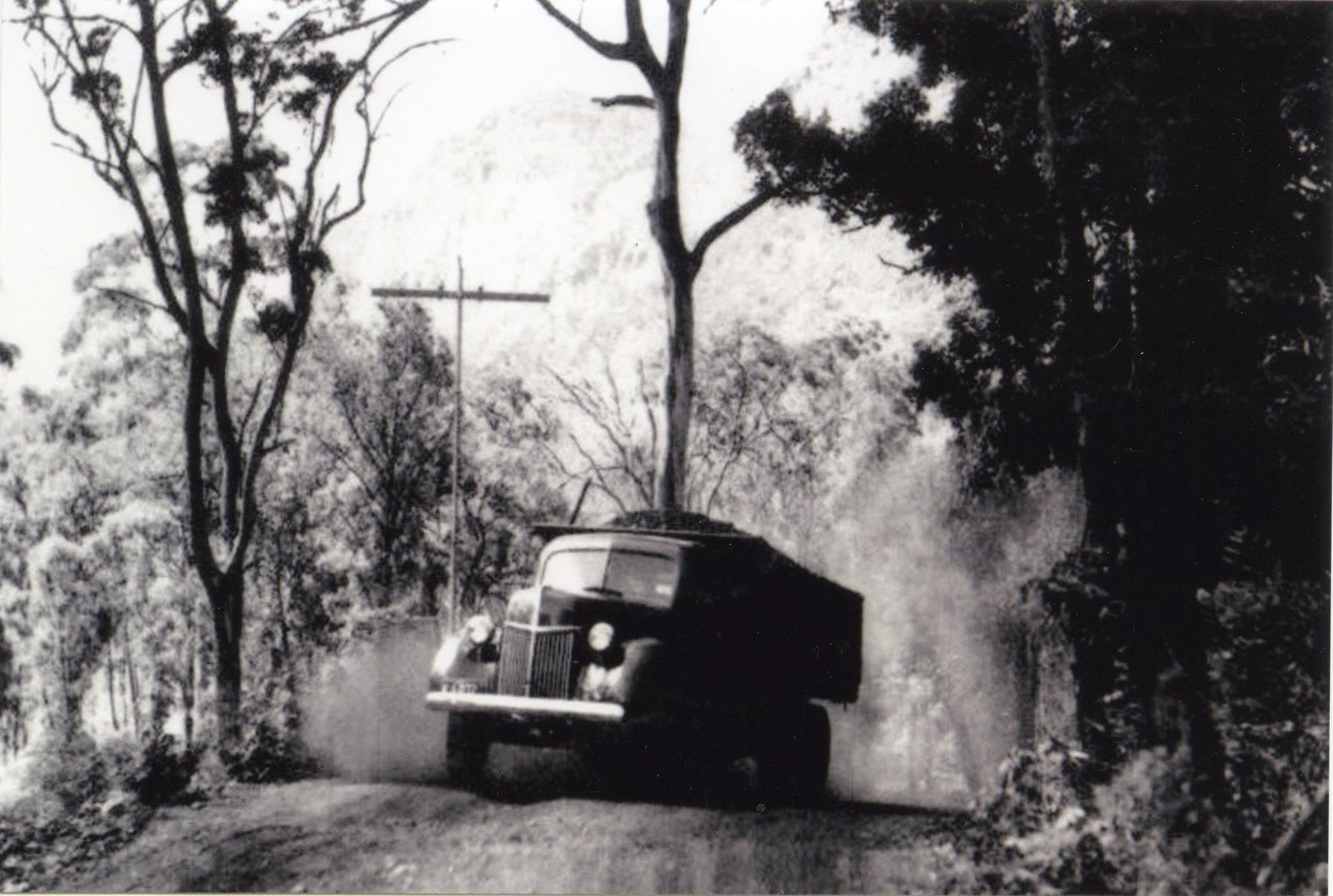
Transport costs from the valley defeated potential development in 1925 when BHP geologist JM Morris sent samples for analysis with positive results. (Cairns 2016)
Clinton brothers
The first serious attempt was made by Hunter Valley mining company Knutsen and Kemp in 1930, when they got the Clinton brothers, who worked at their mine in the Awaba area, to commence mining at the Camden Colliery.
The mine closed due to a lack of wage payments, and the Clintons took court action to recover back pay. In 1932, the mine reopened under the control of the Nattai Colliery Syndicate. It was renamed Camden Bulli Colliery and then Nattai Bulli Coal Mine.
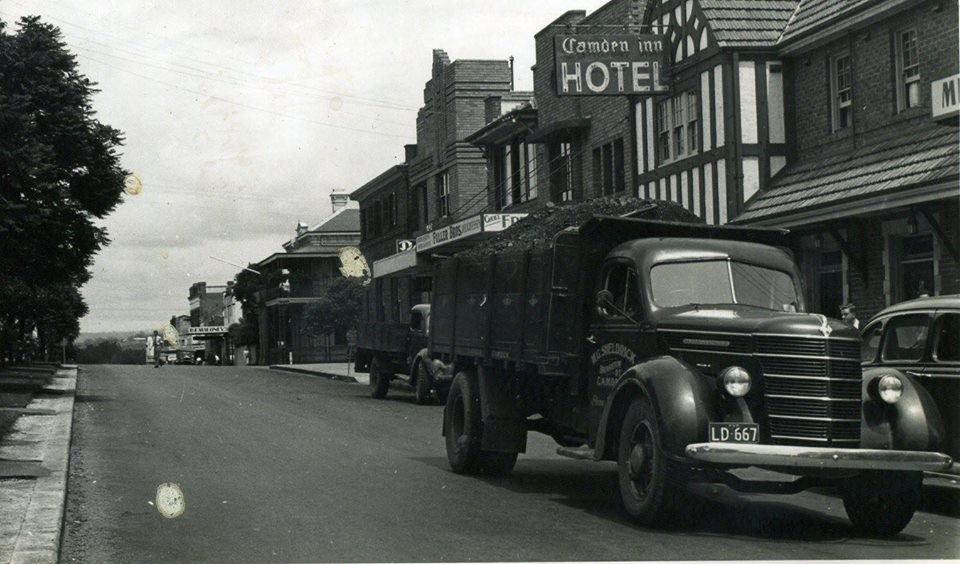
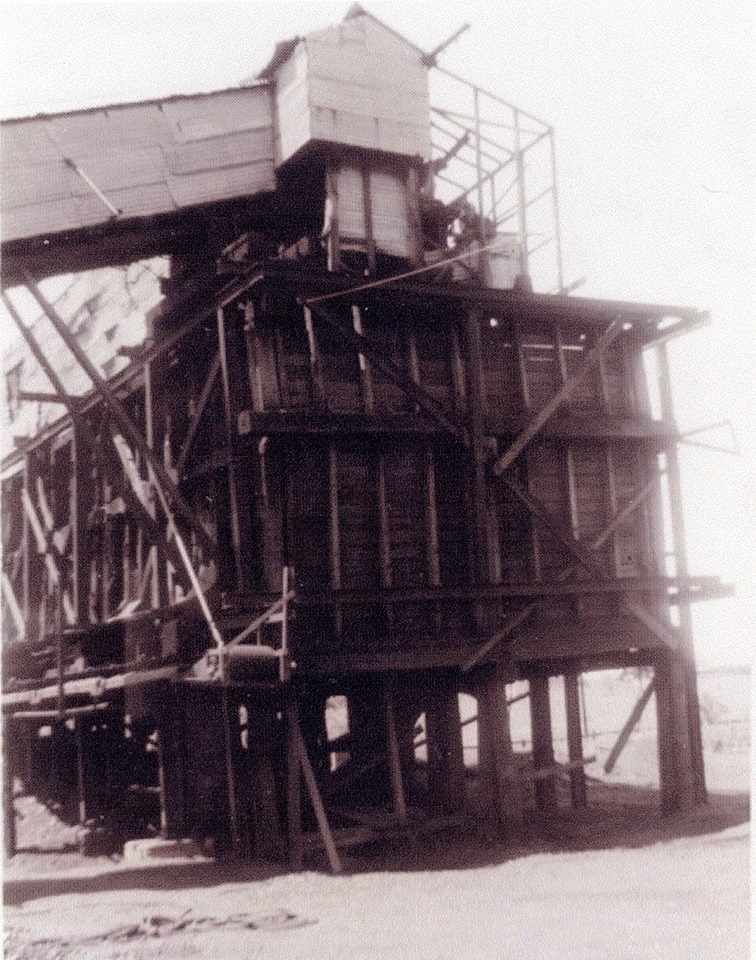
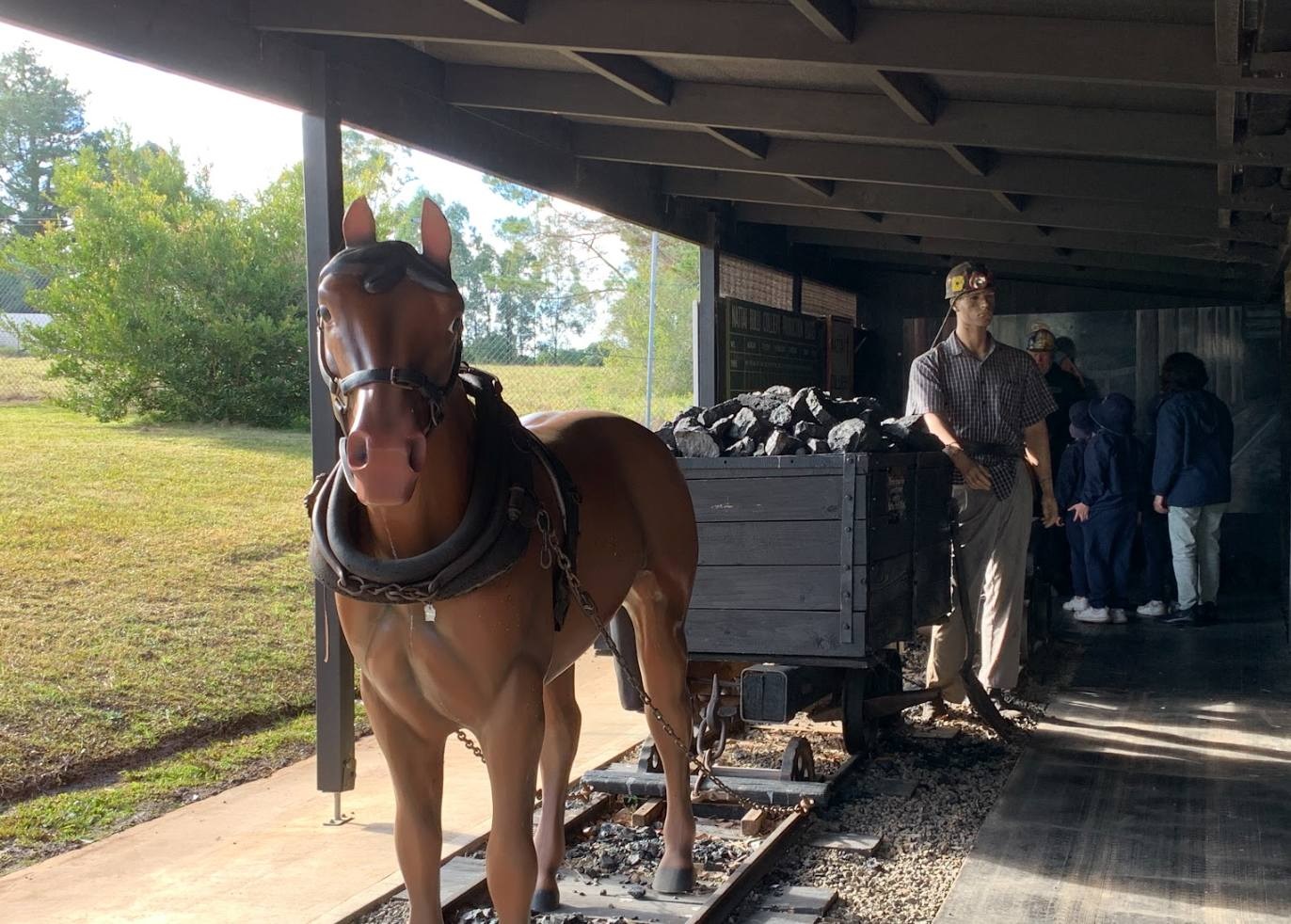
In 1934, the Clinton brothers and others became the lessees and, in 1935, converted a truck into a winch to pull out skips to replace horse-drawn skips. Coal was trucked by Camden railhead by George Sheldrick, Stan Fox and others. Later in the year, the Clinton brothers formed their own transport company. In 1937, the Clintons installed a diesel generator to drive the installation of electric cutters.
Fox mining interests
Camden businessman Stan Fox was the next entrepreneur to take a serious interest in the Burragorang coalfields. He took over the lease of the Wollondilly Colliery in 1936. The mine commenced in 1930 as the Oakleigh Colliery and went through several owners.
By 1940 Stan Fox now operated Wollondilly and Wollondilly Extended Collieries, which had been opened in 1935 and operated by Metropolitan Portland Cement. (Brown & Bush 1973)
International mining conglomerates
International mining conglomerates became interested in the Burragorang coalfields in the early 1960s, as there was a growing export market for coal and a need for larger-scale capital expansion. (Huleatt)
The Clintons sold out in 1961 to British miner Rio Tinto Mining. (Brown & Bush 1973)
Stan Fox sold out in 1960 to Canadian miner Placer Developments. (Brown & Bush 1973)
Electricity supply was a game-changer
In 1947, the first electric power lines were constructed to the valley from Cordeaux Dam, and this allowed the gradual mechanisation and automation of mining activities with the installation of conveyor belts, battery shuttle cars and other machinery. (Brown & Bush 1973)
Electricity changed the lives of the valley residents, as it did for those who lived along the transmission line between Camden and the valley.
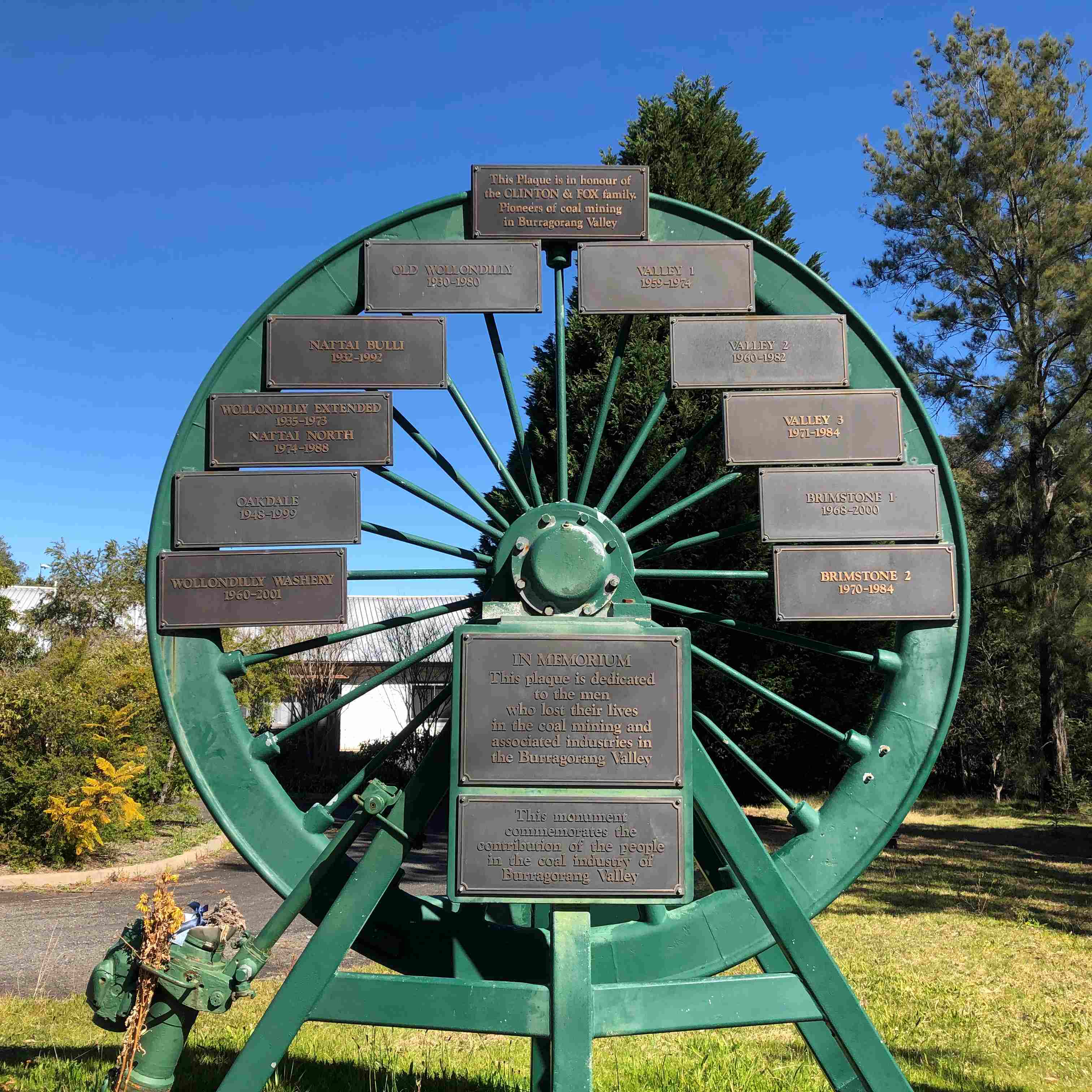
Summary of the mines in the Burragorang coalfields
| Nattai Bulli | Commenced 1930 | Closed 1992 |
| Tonalli Oil Shale | Small scale 1941 | Abandoned 1946 |
| Wollondilly # 1 | Opened as Oakleigh 1930 (later Old Wollondilly) | Closed 1980 |
| Wollondilly Extended (later Nattai North) | Opened 1930 as Metropolitan Cement Colliery | Closed 1970, reopened 1974 as Nattai North. Closed 1988 |
| Oakdale (Originally Oakdale State mine) | Opened 1956 | Closed 1999 |
| Valley No 1 | Commenced 1957 | Closed 1974 |
| Valley No 2 | Opened 1960 closed 1960. Reopened 1965 | Closed 1982 |
| Valley No 3 | Opened 1971 | Closed 1984 |
| Brimstone No 1 | Work commenced 1968, opened 1973 | Closed 2000 – last to close in Valley |
| Brimstone No 2 | Production 1972 | Closed 1982 |
| Source: Cairns 2016 | ||
References
JW Brown & GJ Bush 1973, The History and Development of the Burragorang Valley. Paper presented at the Australian Institute of Mining and Metallurgy and Camden Historical Society, Camden.
Colin Sproule 1995, Of Mines and Men, The Stories of the Miners and the Wollondilly Mines. The Oaks Historical Society, The Oaks.
RA Cairns 2016, A History of the Prospecting and Development of Coal Mining in the Illawarra, Southern Highlands and Burragorang Valley, Pt 2, Aus IMM Mineral Heritage Sub-Committee, Wollongong.
MB Huleatt, ‘Black Coal in Australia’, Australian Mineral Industry Quarterly, 34 (1981) reproduced online at https://www.abs.gov.au/ausstats/abs@.nsf/featurearticlesbytitle/09E60850418239F6CA2570A80011A395
Discover more from Camden History Notes
Subscribe to get the latest posts sent to your email.

