
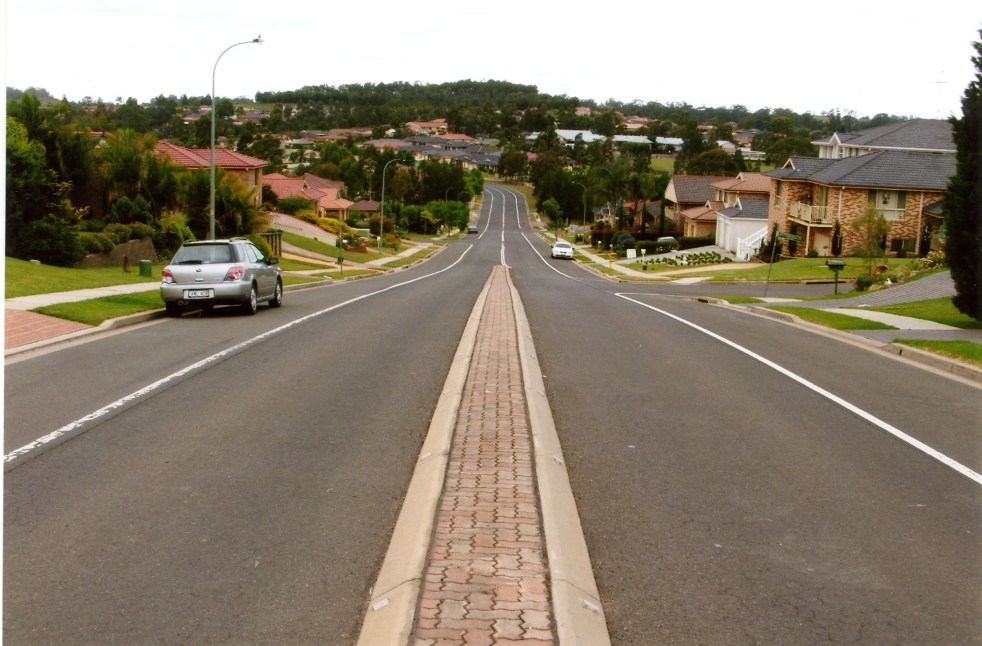
Borderland blues
Recently, ABC News published a story titled Caught between a promise and paradise in Australia’s housing borderlands.
The news story suggested that building more houses on Sydney’s urban fringe may not be the simple solution to Australia’s housing problem, and it’s not as straightforward as it seems. (Maani Truu and Fisher, J. (2025).
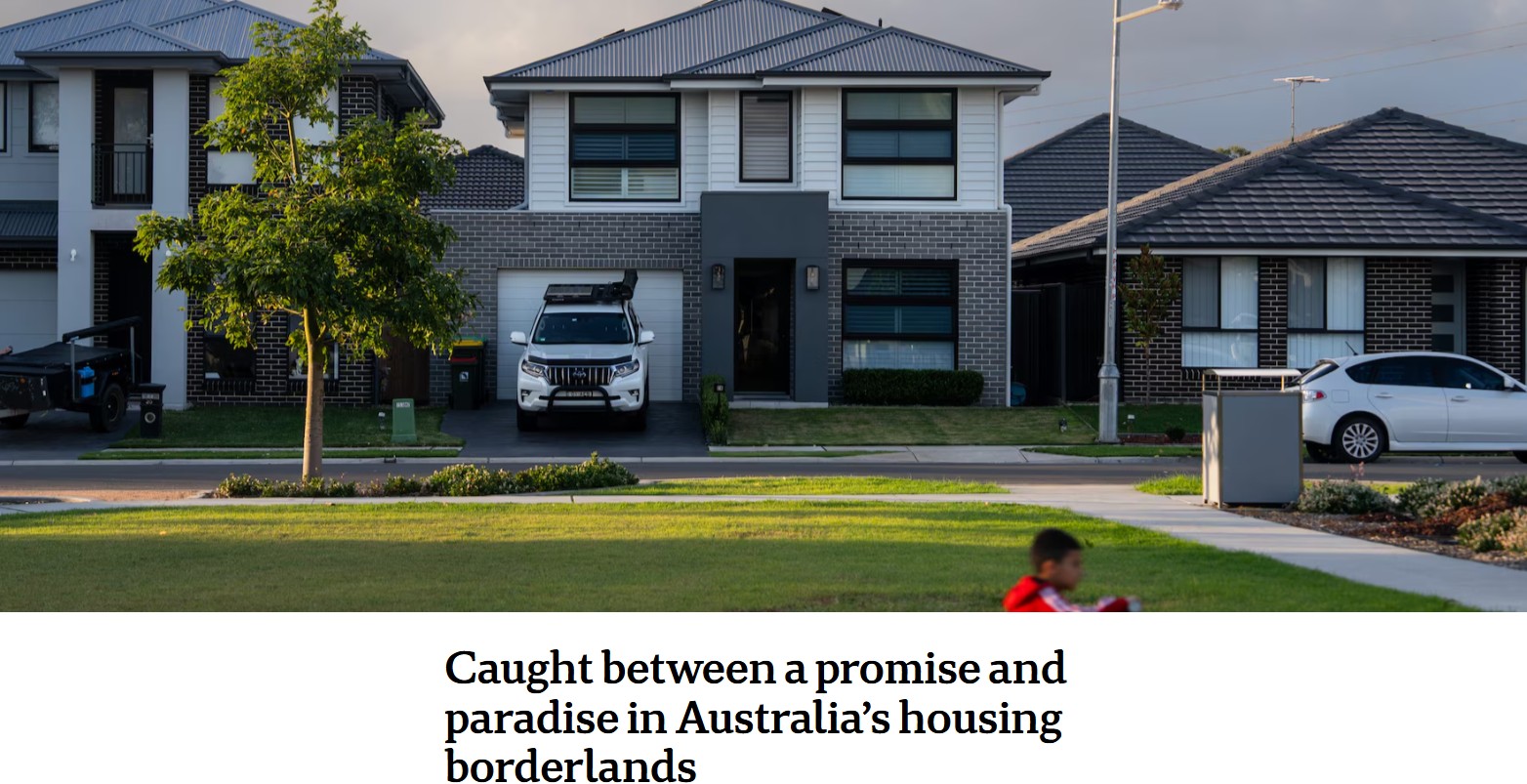
Unmet expectations
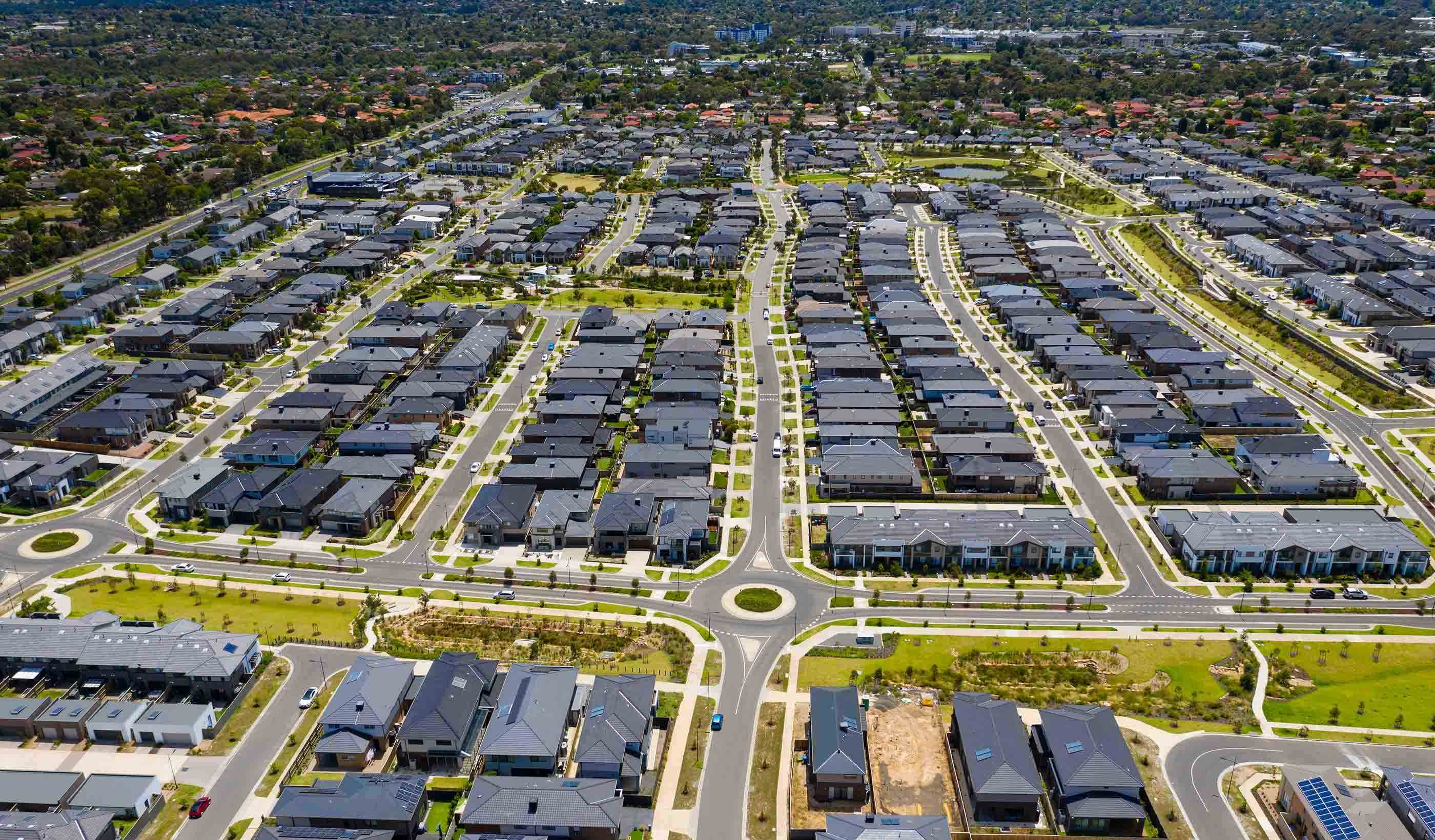
Building houses on Sydney’s urban fringe in new land releases meets the aspirations and expectations of home buyers. Unfortunately, these expectations and hopes are not always met.
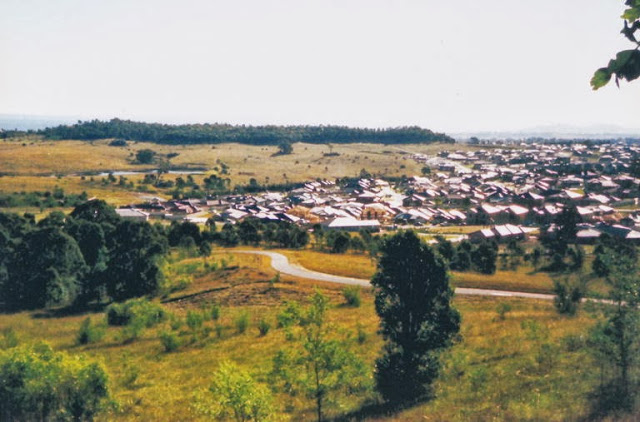
My research shows that these issues on Sydney’s urban fringe are not new.
In 2012, I wrote
In 2007 the Macarthur Chronicle screamed HOME INVASION in a front page headline and warned that ‘the rural landscape surrounding Camden will be engulfed by suburbia’. (Macarthur Chronicle (Camden Edition) 15 May 2007, 1) Camden school girl Nicole Cox feared for a PARADISE LOST in 2009 and worried that housing growth was about to ‘turn her rural community into a city’. (Macarthur Chronicle (Camden Edition), 4 August 2009, 1) Journalist David Campbell asked in 2011, WILL REGION COPE WITH LARGE INFLUX? as the area changed from ‘a country town to an urban centre’. (Macarthur Chronicle (Camden Edition), 4 August 2009, 1) (Ian Willis 2012)
Promises of an unmet utopia
The dynamic economic and social forces at work on Sydney’s urban fringe result in the collision between the desires and aspirations of ‘locals’ and ‘outsiders’ and can prompt a crisis in the identity of place. (Ian Willis 2012)
In 2015, I wrote that Sydney’s urban fringe was
a landscape where dreams are fulfilled and memories are lost. The promises of land developers in master-planned suburban utopias rarely meet the hopes and expectations of newcomers. (Ian Willis 2015)
Oran Park resident Gaurav Bakshi said he bought into the housing dream at Oran Park with his two-storey home with a double garage, but he feels that Oran Park is ‘disconnected from the rest of the city’. He feels a disconnect between what is promised and what is delivered. (Maani Truu and Fisher, J. (2025).
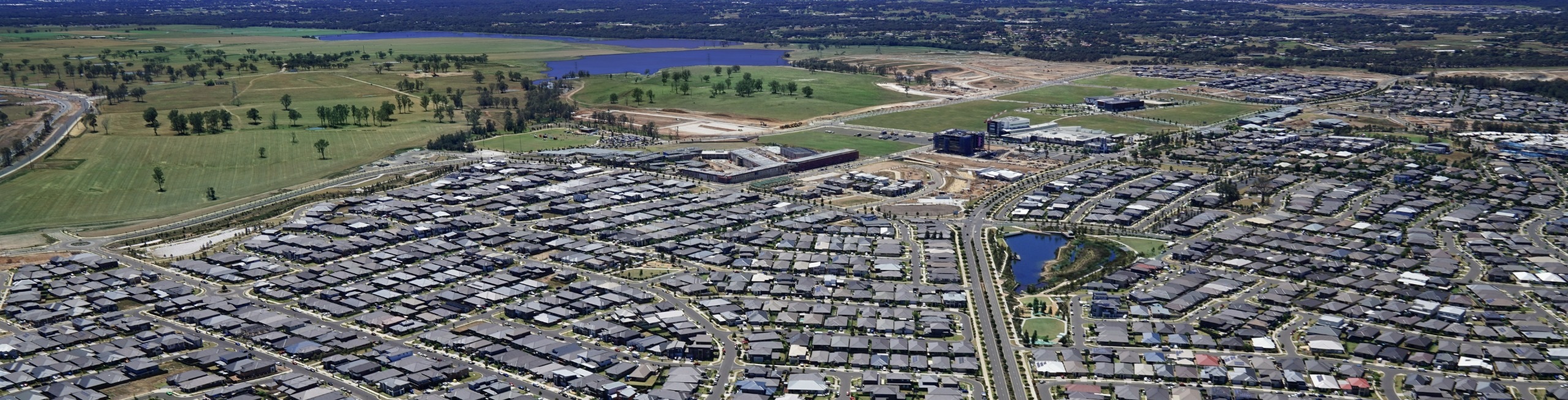
Economic opportunity
Camden Council positively portrays urban growth in the local government area and considers it an investment opportunity.
In 2022, a Camden Council report, ‘Camden Economic Prospectus’, stated that
Camden is one of the fastest growing LGAs in Australia with economic growth outpacing all other Sydney metro LGAs. This growth is driven by a burgeoning population, strong construction pipeline and substantial investment in the region.
Camden’s population growth has far outpaced other LGAs in Western Sydney, recording an estimated resident population of 115,461 by 2021, which is a 6.2% growth in comparison to -0.16% growth in Greater Sydney over the previous year (2020). (Camden Council 2022)
This growth is experienced in a range of new and growing suburbs including Narellan, Harrington Park, Oran Park, Cobbitty, Birling, Emerald Hills, Gregory Hills, Gledswood Hills, Leppington and others not yet established.
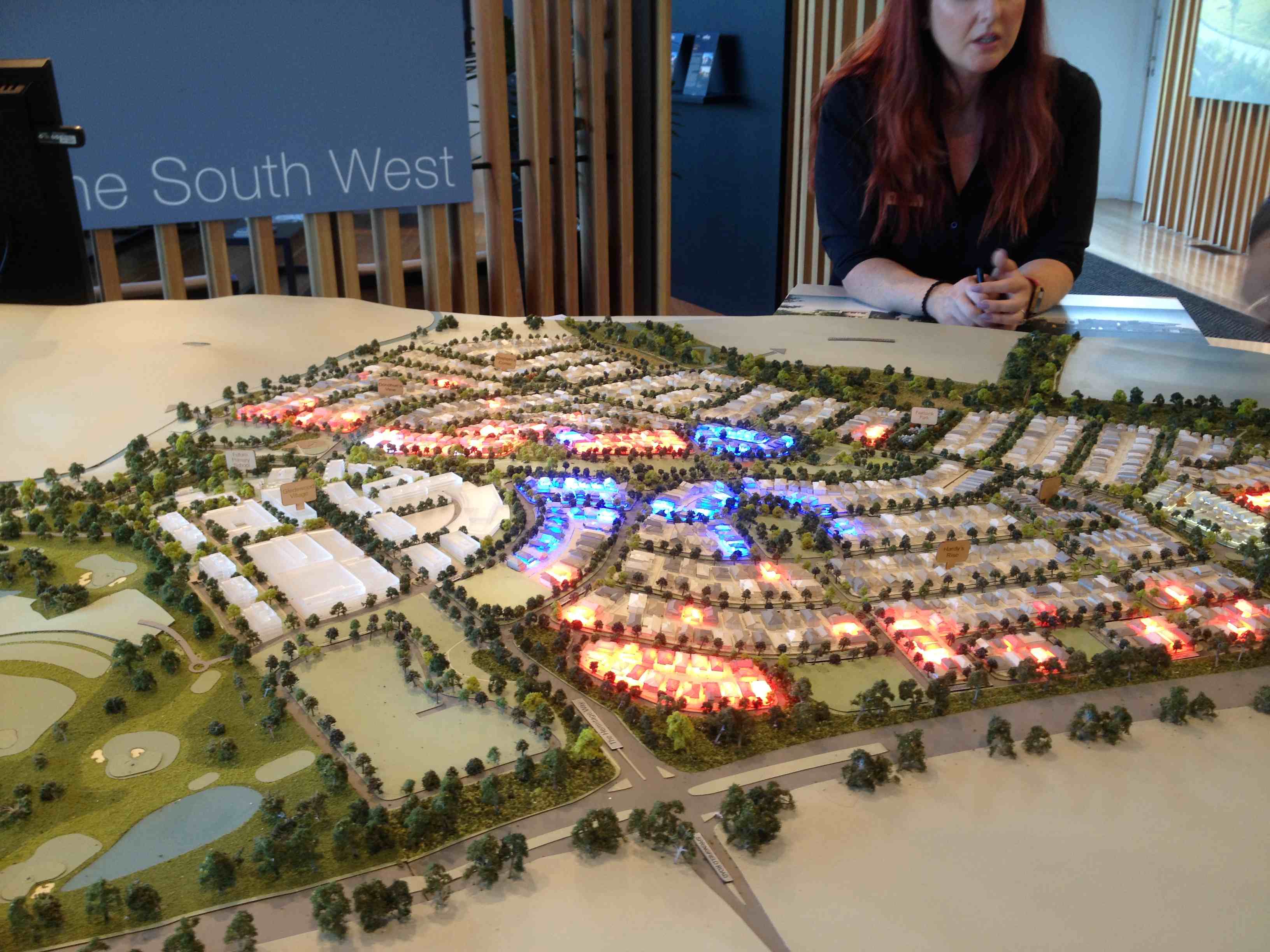
Population explosion
According to the New South Wales Government
Camden is a rapidly growing part of Sydney’s outer southwest, with the Local Government Area’s population growing from 78,218 in 2016 to 119,325 in 2021. (NSWG 2023)
Truu and Fisher state in their ABC News article that
Oran Park — built on the site of a former motor race track, about 50 kilometres from the Sydney CBD — was home to just 200 people in 2011. A decade later it had grown to more than 17,000 residents. By 2046, it is forecast to reach 32,000.
Next door, in Catherine Field, the population is projected explode from around 3,000 this year to more than 20,000 in two decades. (Maani Truu and Fisher, J. (2025).
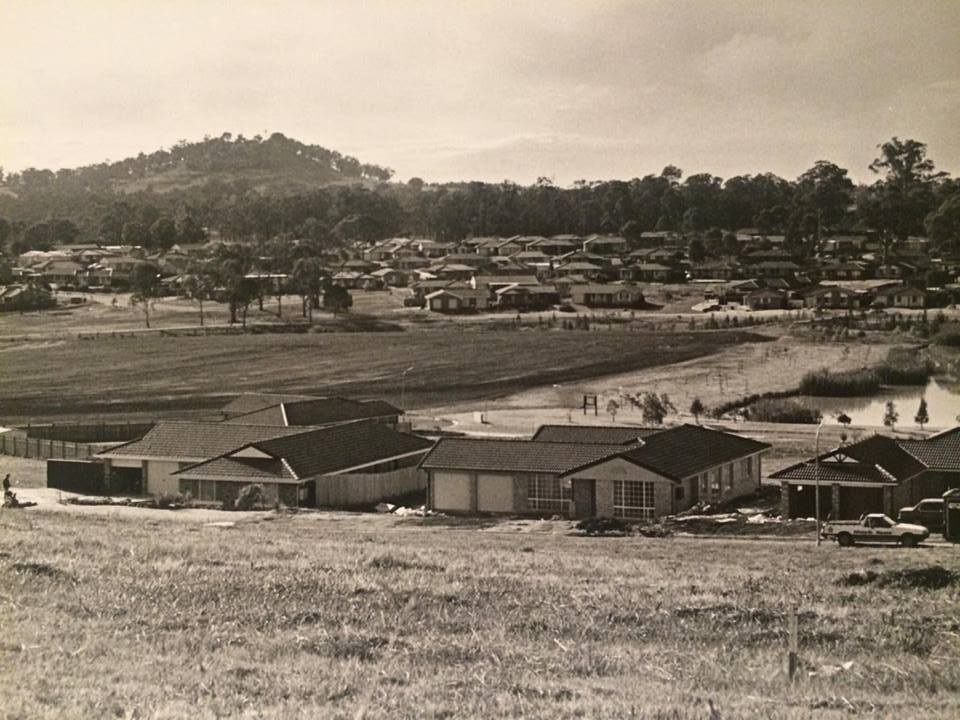
Rural Acadia on the fringe
This perception is not new. I wrote in 2013
Newcomers, or urbanites, are attracted to the rural fringe where they create myths around their own hopes and aspirations. The city’s edge is perceived as a ‘rural arcadia’ of traditional simple values based on moral authenticity, honesty and friendliness of village life, along with community-mindedness and open spaces where ‘the country still looks like the country’. The myths of rurality on the rural-urban fringe are perceptions of reality as opposed to reality itself. (Ian Willis 2013)
More to the point
In the new suburbs of Oran Park, Mt Annan and Harrington Park urbanites have invaded the area drawn by developer spin, which promised to fulfil hopes and dreams and never really lives up to the hype. Unfulfilled expectations mean that Sydney’s rural-urban fringe is a zone of transition where waves of invasion and succession have created perceptions of reality and all that is left is imaginings. ((Ian Willis 2013)
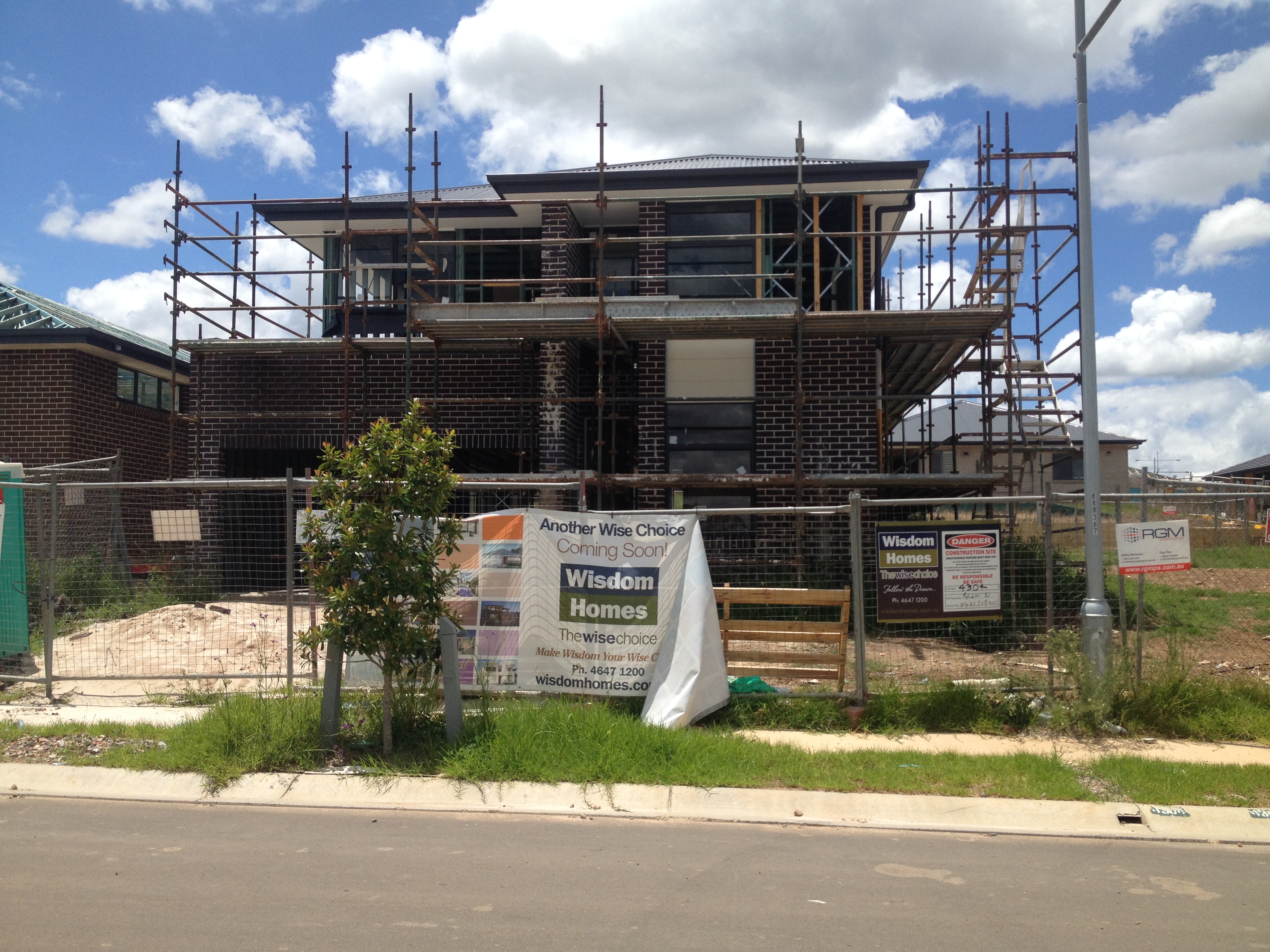
Particularly at Oran Park, it is
a new suburb where there has been a contest over the ownership of landscape identity between rural lifestyle choices, dreams of motoring legends and visions of concrete cows. It is a site where successive waves of invaders have dispossessed and displaced others, yet it is sometimes hard to identify the real winners because much has been lost. (Ian Willis 2013)
The successive waves of invaders have included colonial settlers who displaced Indigenous Australians, the invasion of racing aficionados displaced rural residents, and an invasion of new homeowners has displaced long-term locals.
While out at Mount Annan and Harrington Park
Newcomers at Harrington Park and Mount Annan have discovered that a decade after they were enticed to move into master planned estates with water views the expectations of a suburban utopia has evaporated and failed to live up to the hype. (Ian Willis 2013)
This refers to artificial lakes created by land developers, which are really stormwater retention basins, like Lake Annan at Mount Annan.
Small blocks are a turn-off
Oran Park resident Emily-Rose, who has lived in the area for three-and-a-half years with her husband, who grew up there, was attracted by the rural atmosphere and is not bothered by the lack of public transport. She does not like the small building blocks and the area’s high density. (Maani Truu and Fisher, J. (2025).
Congestion is not new
Vic and Kate, who live in Harrington Park, are annoyed by the traffic congestion in the area. (Maani Truu and Fisher, J. (2025).
Traffic congestion in the area was recognised over a decade ago when I wrote
Even at this early stage, journalist Catharine Munro predicted that the urban development would be ‘as dense as some of Sydney’s most congested areas’. [16] (Catharine Munro, ‘One day soon, all this will be suburbs, Sydney Morning Herald, 11 May 2007, p 6)
In 2008 Chris Patterson, Camden’s mayor, stated that ‘locals were bracing themselves for an onslaught of new residents.’ [17] (Vikki Campion, ‘Oran Park Raceway makes way for housing development’, Daily Telegraph, 10 March 2008, online at http://www.news.com.au/dailytelegraph/story/0,22049,23345835-5013110,00.html, viewed 1 September 2010)
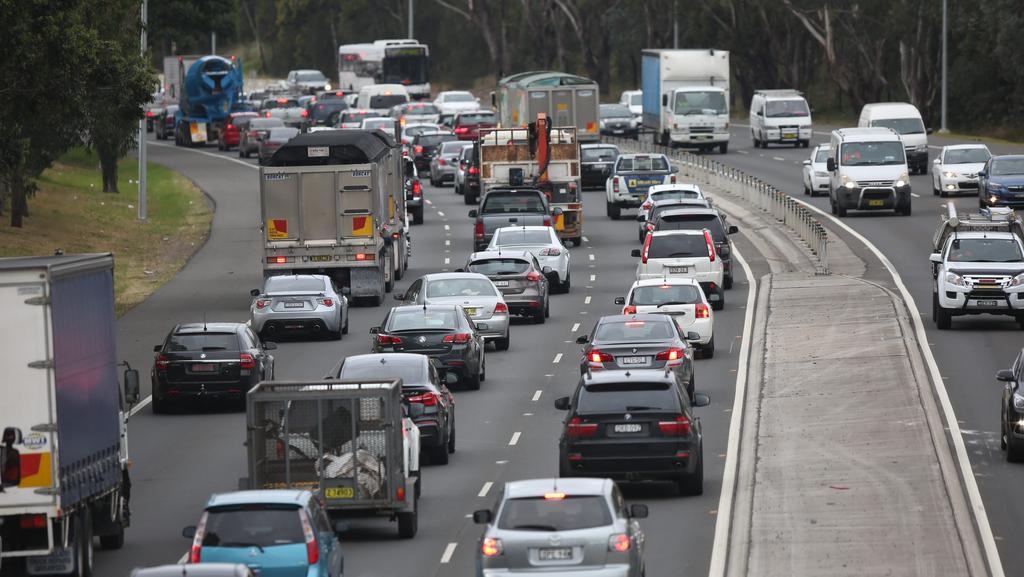
Rob Elliott, the president of Macarthur Regional Organisation of Councils, was concerned about the provision of adequate infrastructure and predicted that new residents would be ‘busy sitting on Narellan Road stuck in traffic’. [18] (Joseph Correy, ‘Worries about service grows’, Macarthur Chronicle Camden Edition, 15 May 2007, p 4)
His words were prophetic, as morning commuters will currently attest. The poor provision of public transport has meant that the Camden local government area has one of the highest car ownership rates in the Sydney area, a trend likely to continue into the foreseeable future. (Ian Willis 2010a)
New high school at Gregory Hills
Sometimes, new residents have a win. Out at Gledswood Hills, the Minns Labor Government announced a new high school after previous Coalition Governments dragged their feet on the issue for many years.
The state government announced in 2023 that
A new public high school will be built at Gregory Hills Drive in Gledswood Hills in south west Sydney, less than a five-minute drive from the two local primary schools – Gregory Hills PublicSchool and Gledswood Hills Public School. (NSWG 2023)
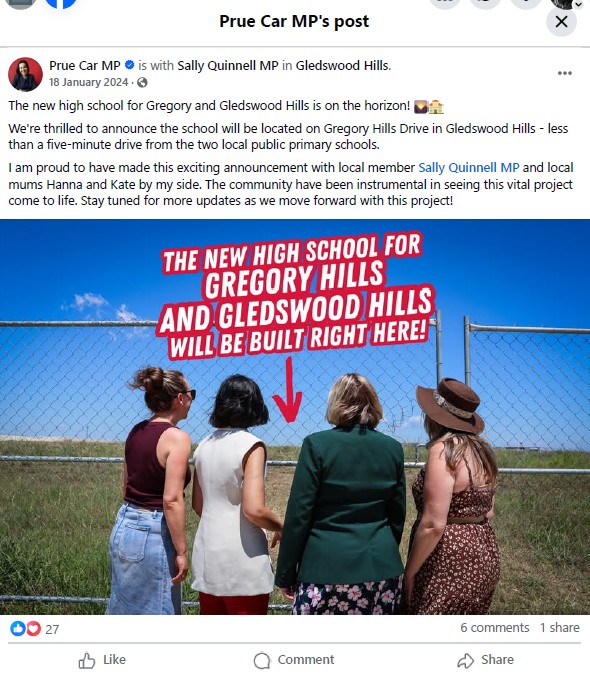
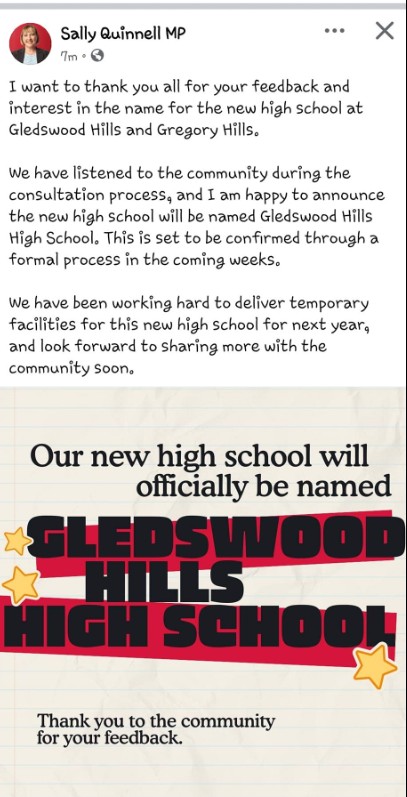
The need for a new high school at Gregory Hills and Gledswood Hills went unrecognised and unresolved for many years. A new high school was announced for the area by 2027, a decade after the homes were built at Gregory Hills in 2012.
Housing issues at Spring Farm
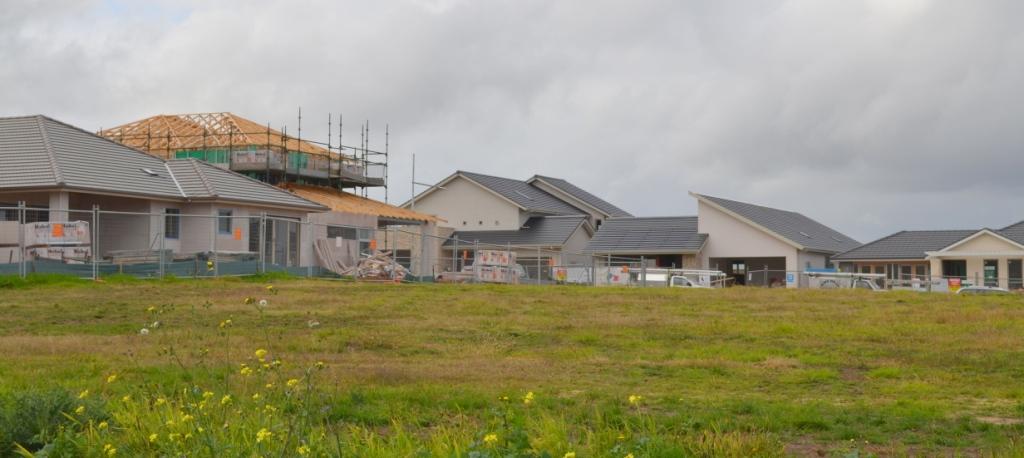
At Spring Farm, land developers moved too quickly on an area previously a sand quarry. The quarry area was filled and levelled, and then shaped into roads and houses constructed on the fill.
I wrote in 2010 in the Dictionary of Sydney
There has been extensive sand mining along the Nepean River floodplain for the Sydney building industry, an activity which still continues today. The Spring Farm floodplain currently contains an area of opencast mining for alluvium adjacent to vineyards and turf farms. (Ian Willis 2010b)
New Spring Farm residents have been attracted by the rural location, says a representative of a land developer
the new arrivals were attracted by the rural landscape of the Nepean River floodplain, [9] an appeal that still pulls at the heart-strings and plays in the imagination of the city-types who are attracted to a location where ‘the country looks like the country’. (Ian Willis 2010b)
At Spring Farm, houses have been built on fill that has not appropriately settled, resulting in cracked homes and legal action.
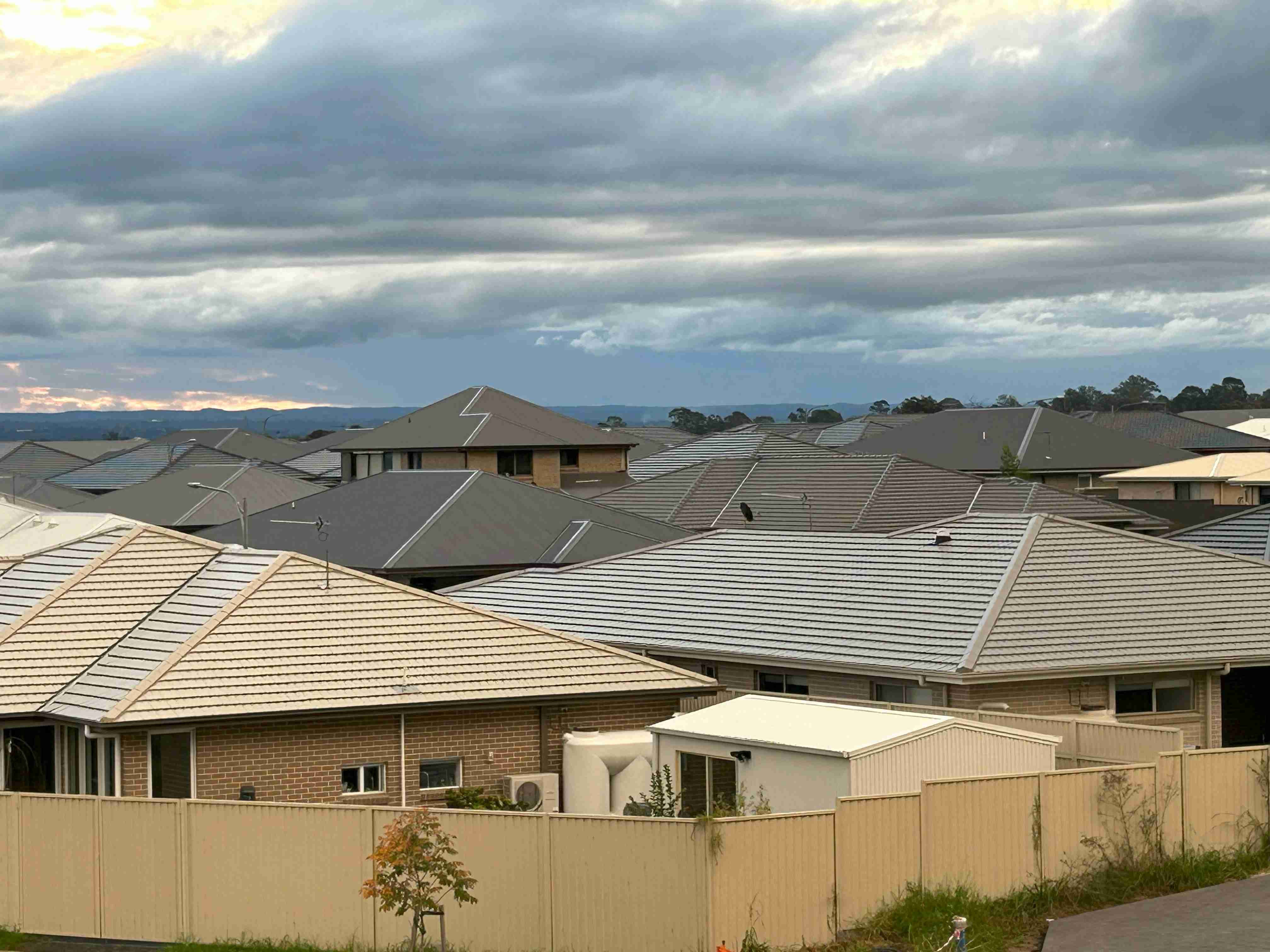
The first legal action started in 2021.
SUPREME COURT OF NEW SOUTH WALES
Danny Moussa v Camden Council
Proceedings 2020 / 359004
Camden Land Subsidence Representative Action
A representative action has been commenced in the Supreme Court of New South Wales by Danny Moussa (“plaintiff”) against four parties, being Camden Council (“first defendant”), Cornish Group Spring Farm Pty Ltd (“second defendant”), SMEC Testing Services Pty Ltd (In Liquidation) (“third defendant”) and SMECTS Holdings Pty Ltd (“fourth defendant”).
The representative action claims damages for the plaintiff and group members for negligence by each of the defendants arising out of the approval for, development and sale of, some areas of land in the Spring Farm area at Camden as being suitable and fit for the construction of houses.
This Notice is published pursuant to orders of the Supreme Court of New South Wales made on 27 October 2021.
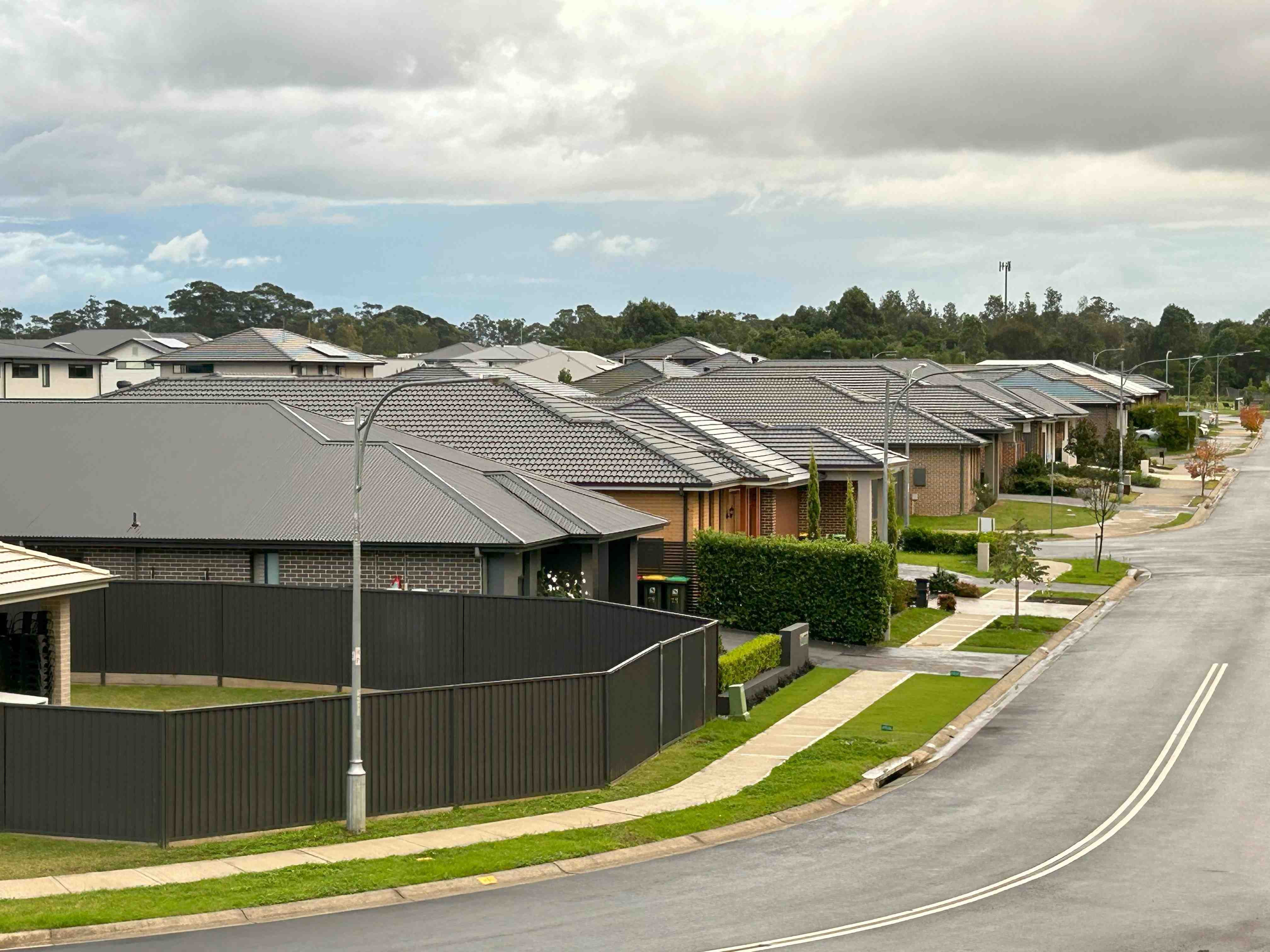
Lawsuit is happening between Spring Farm residents and the council + Developer due to cracking of homes (13 May 2025)
Spring farms used to be paddocks and farms. They bulldozed all of that to make homes. Now homes havebeen sinking and cracking. Many homes had to be bought back by the developer.
Some houses have had cracks in it after 12-18 months. There is now a class action lawsuit happening soon.Spring farms has made the news for many years over these issues.
A representative action has been commenced in the Supreme Court of New South Wales by Danny Moussa (“plaintiff”) against four parties, being Camden Council (“first defendant”), Cornish Group SpringFarm Pty Ltd (“second defendant”), SMEC Testing Services Pty Ltd (In Liquidation) (“third defendant”)and SMECTS Holdings Pty Ltd (“fourth defendant”). (https://portal.omnibridgeway.com/cases/register/spring-farm-class-action-overview , 13 May 2025)
Conclusion
In conclusion, the issues raised in 2025 are not new and will continue as the Camden Local Government area grows.
The area attracts new arrivals with hopes and aspirations for a better life, yet the reality of the situation does not meet their aspirations and hopes.
At least the urban land released at Oran Park, Harrington Park, and Leppington has water, electricity, and other services.
Unlike urban land releases at Campbelltown in 1953, at the St Elmo land releases, houses were sold to new arrivals with no water connection, sewerage, or other services. (Ian Willis 2017)
City-based decision makers seem to have little understanding or desire to understand the problems related to growth on Sydney’s urban fringe.
Without a change in the current approach to Sydney’s urban growth, these problems are likely to continue.
References
Maani Truu and Fisher, J. (2025). Caught between a promise and paradise in Australia’s housing borderlands. [online] Abc.net.au. Available at: https://www.abc.net.au/news/2025-04-30/federal-election-greenfield-developments/105216632.
Camden Council 2022, Camden Economic Prospectus, Our Growth, Your Opportunity. Camden Council, Oran Park. Online https://www.camden.nsw.gov.au/assets/Uploads/Camden-Economic-Prospectus-2022-low-res2.pdf
Ian Willis 2012, ‘Townies, ex-urbanites and aesthetics: issues of identity on Sydney’s rural-urban fringe’. Urban Transformations: Booms, Busts and other Catastrophes. Proceedings of the 11th Australasian Urban History/Planning History Conference, Andrea Gaynor, Elizabeth Gralton, Jenny Gregory & Sarah McQuade (eds), The University of Western Australia, Crawley, 2012. This paper has been peer reviewed. Online https://www.academia.edu/8212808/Townies_ex_urbanites_and_aesthetics_issues_of_identity_on_Sydney_s_rural_urban_fringe
Ian Willis 2015, ‘Sydney’s urban fringe: a transition zone of hope and loss’. Camden History Notes, 24 September. Online https://camdenhistorynotes.com/2015/09/24/sydneys-urban-fringe-a-transition-zone-of-hope-and-loss/
Ian Willis 2013. Imaginings on Sydney’s Edge: Myth, Mourning and Memory in a Fringe Community. Sydney Journal Vol 4, No 1 (2013): 127-140. Online https://epress.lib.uts.edu.au/journals/index.php/sydney_journal/article/view/2804
Ian Willis 2010a, Oran Park. Dictionary of Sydney & State Library of NSW. Online https://dictionaryofsydney.org/entry/oran_park
Ian Willis 2010b, Spring Farm. Dictionary of Sydney and State Library of NSW. Online https://dictionaryofsydney.org/entry/spring_farm
Ian Willis 2017, A new horizon on Sydney’s urban frontier: the St Elmo land releases. ISAA Review, vol 16, no 1, pp29-41. Online https://www.academia.edu/35414001/A_new_horizon_on_Sydney_s_urban_frontier_the_St_Elmo_land_releases
NSWG 2023, ‘Site announced for new Gledswood Hills and Gregory Hills high school’. News Release NSWG Dept of Education School Infrastructure, 22 Dec 2023. Online https://www.schoolinfrastructure.nsw.gov.au/
Discover more from Camden History Notes
Subscribe to get the latest posts sent to your email.

