
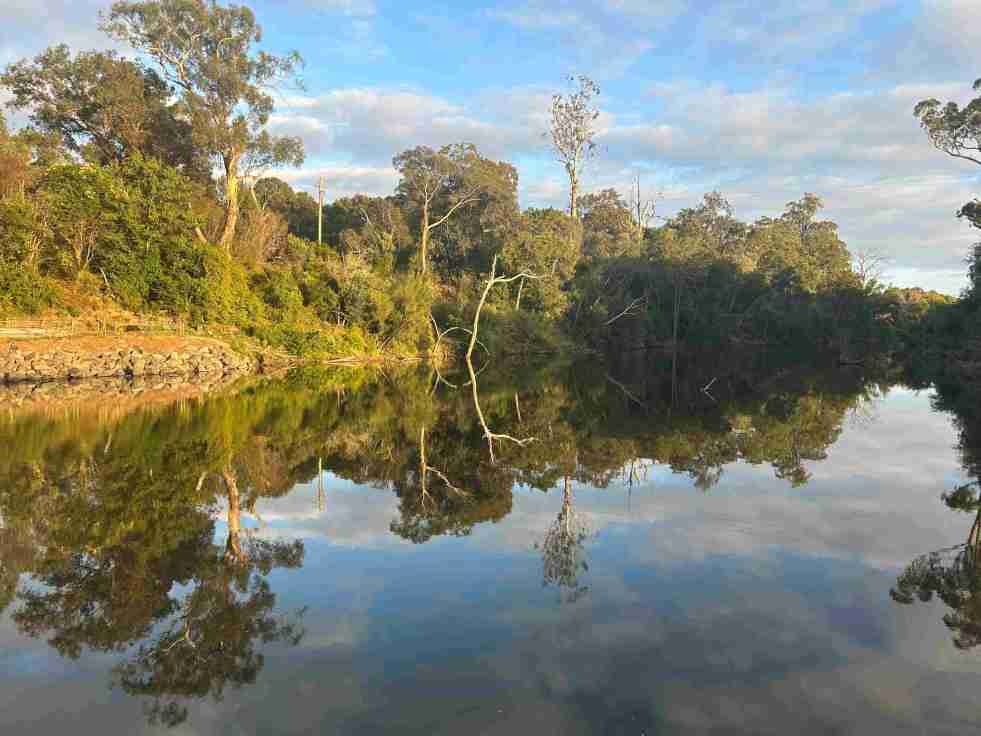
Camden, Birthplace of Australian Agriculture and a Living Rural Legacy, Nestled on the Nepean River
Ian Leicester Johnson
Written in response to Ian Willis’s blog post – ‘Exploring the Complexities of Western Sydney’s Identity’, Camden History Notes- 27 December 2025
Camden, in New South Wales, is far more than a fast-growing peri-urban community on Sydney’s fringe. It is widely recognised as the birthplace of Australian agriculture, a distinction that continues to shape not only its landscape but also its national and international importance in agricultural research, education, and rural lifestyle.
As a resident of Elderslie and the Camden district for over 32 years, I have lived, worked, and raised my family in what I believe is one of the best places to live in Australia. Yet, despite its extraordinary heritage, I have found that many people, particularly new residents and those living across metropolitan Sydney, are largely unaware of Camden’s agricultural significance.
A Personal Perspective Rooted in Agriculture
My passion for agriculture and agribusiness comes from a lifetime in the industry. I was born and raised on Sydney’s Northern Beaches, with a farming background in Trundle and Tullamore in the Parkes region of NSW. I worked on farms in Tullamore, studied Agriculture at Wagga Agricultural College (now Charles Sturt University, Wagga Wagga), and have spent a long career working across agricultural regions including Quirindi, Griffith (Riverina), Young, and Orange.
That background gives me a deep appreciation for places that genuinely matter to Australian agriculture—and Camden is one of the most important of them all.
Camden: Where Australian Agriculture Began
Camden holds a unique place in Australia’s history. Early colonial settlement, fertile soils, reliable water from the Nepean River, and pioneering agricultural innovation combined to establish the foundations of farming in this country.
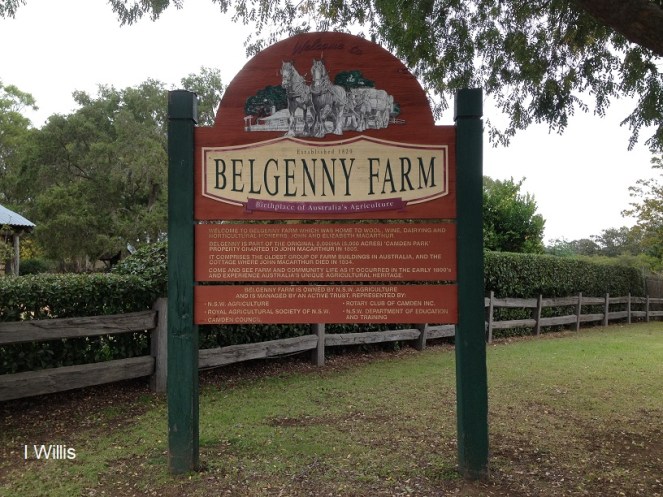
Some of Australia’s most significant heritage agricultural sites are located here, including:
- Belgenny Farm is home to the oldest collection of colonial farm buildings in Australia and is a cornerstone of early agricultural development.
- Camden Park is central to the Macarthur family’s pioneering work in fine wool production.
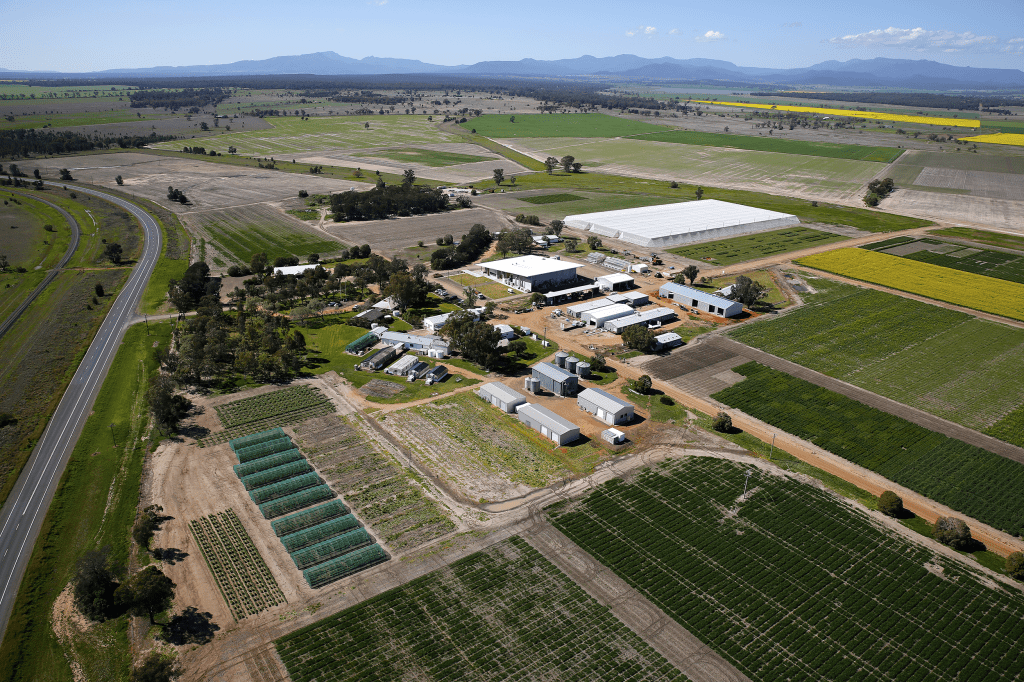
- The Elizabeth Macarthur Agricultural Institute (EMAI) at Menangle is a world-class research facility of national and international importance operated by the NSW Department of Primary Industries.
These places are not relics of the past—they remain active contributors to modern agricultural science, education, and innovation.
A National Hub for Agricultural Research and Education
Camden continues to play a vital role in shaping the future of Australian agriculture. The region hosts an extraordinary concentration of research and education institutions, including:
- University of Sydney Plant Breeding Institute, Cobbitty
- University of Sydney Veterinary and Animal Production facilities, Camden
- Centre for Carbon, Water and Food, Brownlow Hill
- NSW DPI Elizabeth Macarthur Agricultural Institute (EMAI), Menangle
Few regions in Australia—particularly so close to a global city—can claim this depth of agricultural research infrastructure. This makes Camden a strategic asset within the Sydney Peri-Urban Network (SPUN), as highlighted in the SPUN Report (2020).

Growth, Change, and a Knowledge Gap
The Camden Local Government Area is one of the fastest-growing regions in Australia. New housing estates, infrastructure, and services are transforming the area into a highly desirable place to live.
However, in my professional experience, many new residents view Camden simply as a more affordable, attractive alternative to Sydney’s inner and middle suburbs, with little awareness of the region’s agricultural heritage and rural lifestyle values that underpin it.
Residents from the Sydney CBD, Eastern Suburbs, North Shore, Northern Beaches, Sutherland Shire, Canterbury-Bankstown, Parramatta, Blacktown, and the Hills District often do not realise that they are living next to one of Australia’s most historically and scientifically important agricultural regions.
A Rural Lifestyle Like No Other
Camden offers a lifestyle that seamlessly blends rural living, open space, and community connection:
- Acreage and rural living in areas such as Grassmere, Ellis Lane, Theresa Park, Werombi, Cobbitty, Menangle, Silverdale, The Oaks, Orangeville, Mount Hunter, Kirkham, Camelot, and Caernarvon Close, ranging from 0.5 to 2 hectares and beyond.
- Nepean River Reserve, Cowpasture Reserve, and Little Sandy Bridge, with extensive walking and cycling tracks.
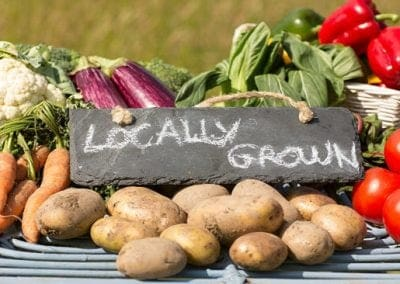
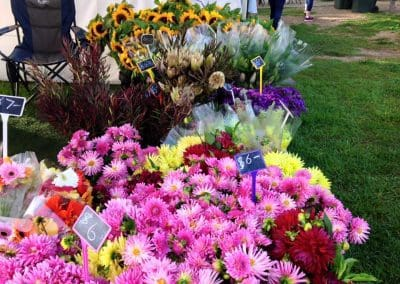
- Community gardens, weekly Camden produce markets, and Miss Llewella Davies Camden Town Farm.
- Camden Agricultural Show, celebrating rural traditions and community spirit.
- Australian Botanic Garden Mount Annan is a 416-hectare national showcase of native plants.
- Camden Airport, offering ballooning, gliding, and charter flights.
- Camden village is rich in history and is located beside the Nepean River.

Strong Sporting and Community Infrastructure, thanks to the river and flood plain
Camden, being a river town, the river and the floodplain have provided a wide range of open spaces used for an exceptional range of sporting and community facilities, as well as agricultural uses such as broadacre vegetable, turf, and livestock farming. Such areas are not suitable for housing development due to the flood risk. The walking, cycling, and jogging facilities along the Nepean River Reserve and around the Camden Bicentennial Equestrian Park are magnificent.
Camden has farming adjacent to the town centre, like Richmond and Windsor.
These assets reflect a community that values health, participation, and connection—hallmarks of regional and rural Australia with farming and history
Protecting What Makes Camden Special
Camden’s agricultural heritage is not just something to admire; it is something to protect, understand, and celebrate. As growth continues, there is a strong need for greater awareness of why this region matters, not only to local residents but to Australia’s agricultural future.
Camden is truly unique, a place where history, science, agriculture, and lifestyle come together. Recognising and valuing this legacy ensures that future generations understand why Camden is not only a wonderful place to live, but also a cornerstone of Australian agriculture.
In my role providing on-farm food safety consulting, training, and auditing for the fresh produce and livestock industries, Camden is an ideal location. It allows me to efficiently service major agricultural regions across New South Wales, including the Sydney Basin, one of Sydney’s most important food-producing areas.
My family and friends enjoy living in Camden for all these reasons, along with the added benefit that our local schools are conveniently located within a five- to fifteen-minute walk from home.
Resources
WSC 2020, SPUN, Sydney Peri-Urban Network Of Councils, Action Plan 2020. Wollondilly Shire Council, Picton. Online at https://wollondilly.cdn.greenhousecreative.au/assets/Documents-NEW/Planning-and-Development/Growth-in-Wollondilly/Sydney-PeriUrban-Network-of-Councils-SPUN-Action-Plan-2020-single.pdf (Viewed 7/1/26)
Author
Ian Leicester Johnson

Director, IC QA Services Pty Ltd T/a IJ Ag Services
Elderslie, Camden, NSW, Australia.
Freshcare Food Safety Trainer/Consultant, HACCP Consultant, HARPS Consultant, Mentor, Food Safety Auditor. ChemCert chemical user trainer & consultant. Agsafe Advocate, Agsafe Trained Accredited Member and former Agsafe Trainer & Facilitator
Acknowedgement
Images without a caption are credited to the Camden Produce Markets.
Disclaimer
Generative AI was used in the creation of this post.
Discover more from Camden History Notes
Subscribe to get the latest posts sent to your email.

