

Liberalism is a political philosophy emphasizing individual rights, liberty, and equality, rooted in Enlightenment ideals. It evolved from classical liberalism, championing free markets and minimal government, to social liberalism, advocating state intervention for social welfare. Prominent thinkers, including Locke and Mill, shaped liberalism's principles, influencing democratic revolutions and debates on individual freedom.
Tag: Philosophy

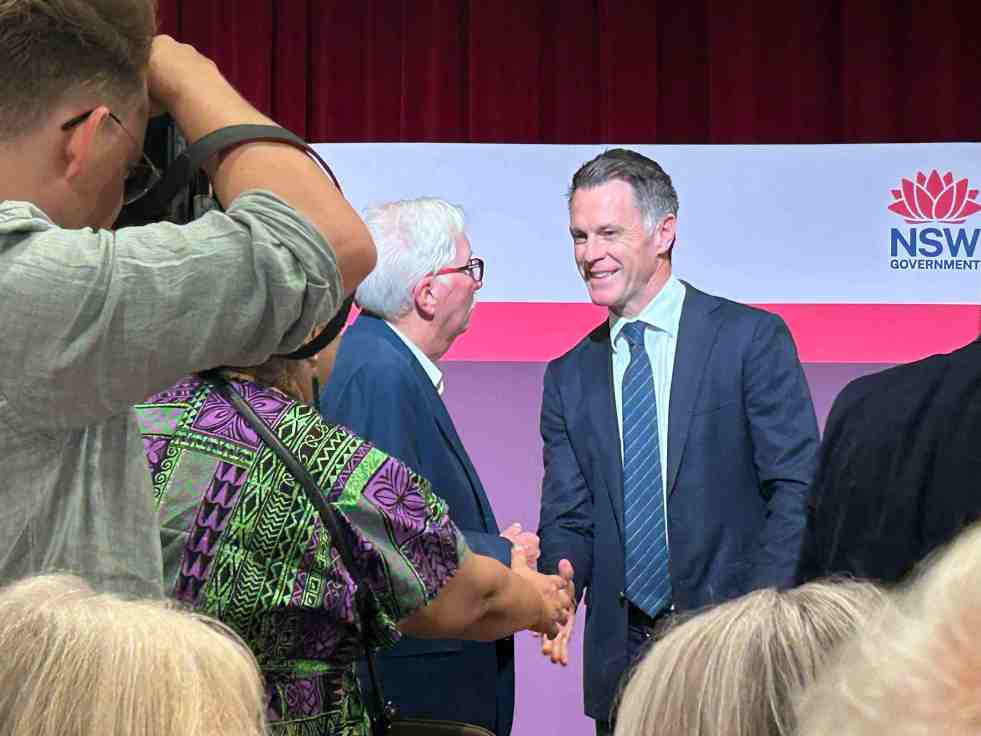
Local Voices Matter: NSW Community Cabinet in Camden
The NSW Cabinet held its first community forum in Camden, allowing locals to voice concerns and engage with representatives. Premier Minns discussed urban growth and infrastructure funding, emphasizing equity across Sydney. Despite some criticism regarding political motivations, the event fostered community involvement, enhancing democratic engagement and showcasing local issues effectively.
Share this:

Share this:

How History Shapes Our Present and Future
History enables us to comprehend the past and influences the future by revealing how past events shape current realities. It provides context, identifies patterns, and highlights cultural influences. Additionally, it inspires critical thinking, informs decision-making, and prompts social justice efforts, reinforcing that the future is shaped by choices made today.
Share this:

Share this:

Libertarianism: Key Principles and Philosophical Roots
Libertarianism, a political philosophy advocating for freedom, questions authority and seeks societal transformation. It encompasses various ideologies, from leftist to ultra-conservative. Originating during the Enlightenment, libertarianism emphasizes individual autonomy, opposes state power, and aligns with anarchism. Critics argue it fosters individualism, neglecting community roles and opposing various social interventions.

