A country town on Sydney’s fringe
According to Sydney architect Hector Abrahams, the local area’s cultural heritage makes the historic town of Camden the best-preserved country town on the Cumberland Plain (Camden Advertiser, 28 June 2006).

The town was established in 1840 on the Macarthur family estate of Camden Park Estate in the Cowpastures on the banks of the Nepean River.
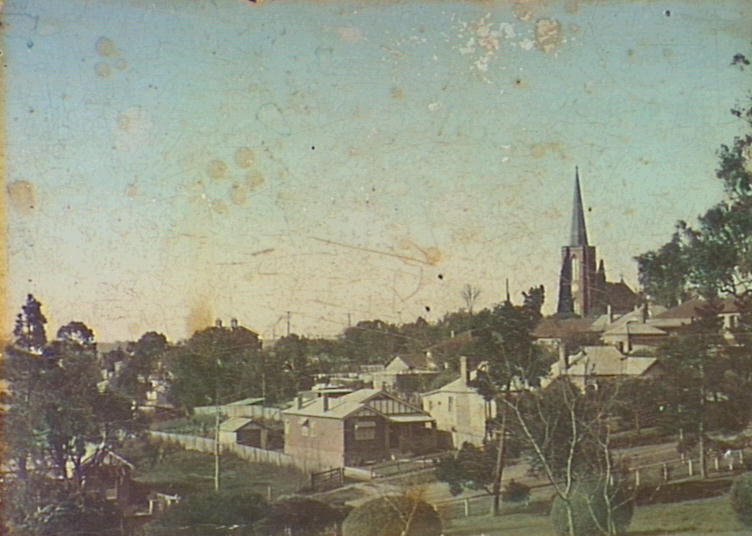
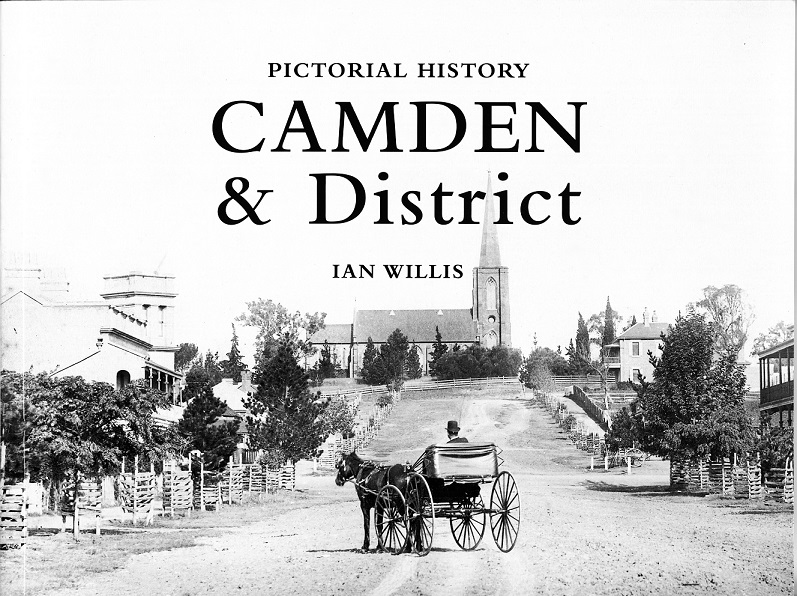
The township provides a glimpse of life from times gone by, with its charm and character, a heritage built in Victorian style, and early 20th-century cottages and commercial buildings.
Visitors can experience Camden’s historic charm by walking around the town’s heritage precinct and following the Camden Heritage Walk.
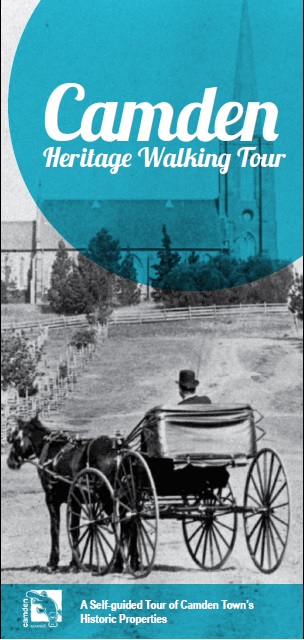
A free booklet can be obtained from Oxley Cottage (c1890), the Camden Visitor Information Centre, located on Camden Valley Way on the northern approach to Camden. Oxley Cottage is a farmer’s cottage built on land granted to John Oxley in 1816.
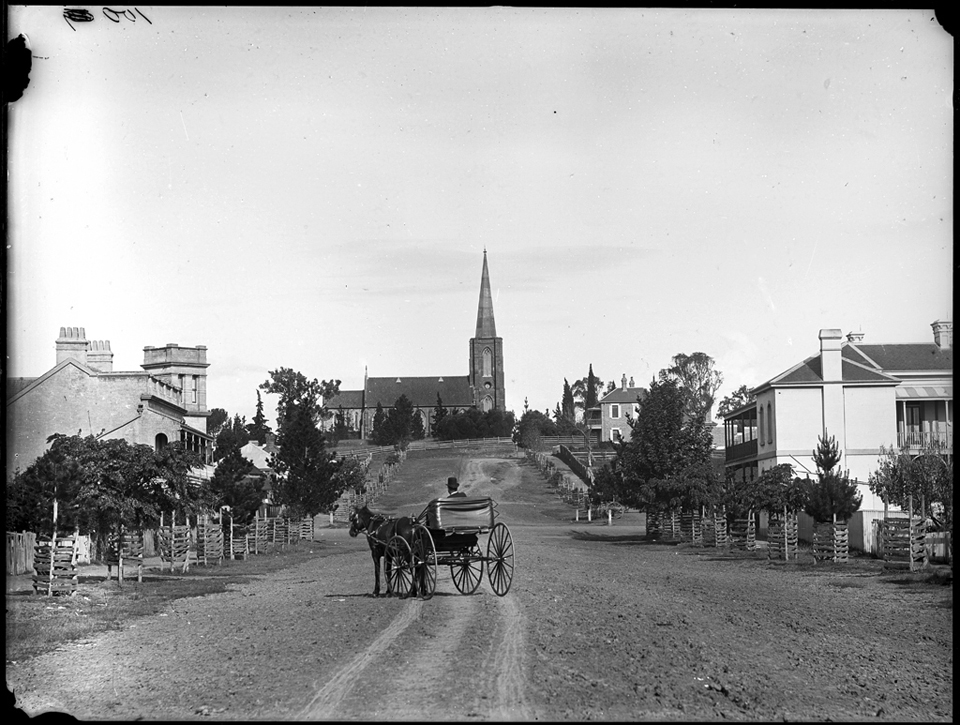
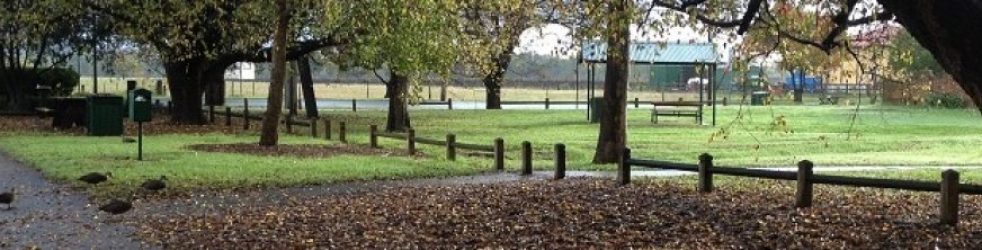
Camden’s heritage precinct is dominated by the church on the hill, St John’s Church (1840) and the adjacent rectory (1859). Across the road is Macarthur Park (1905), arguably one of the best Victorian-style urban parks in the Sydney area. In the neighbouring streets are several charming Federation and Californian bungalows.
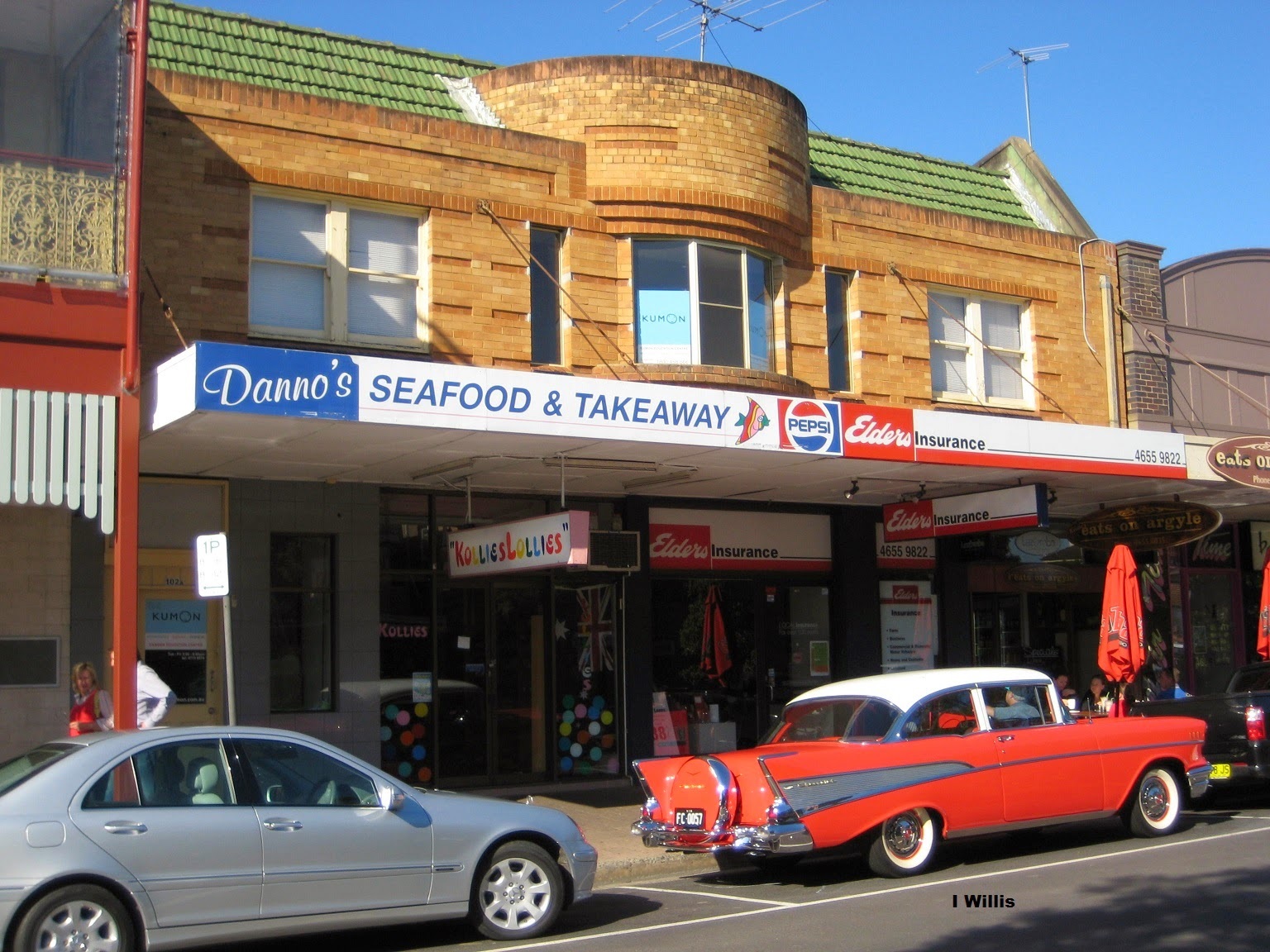
A walk along John Street will reveal the single-storey police barracks (1878) and courthouse (1857), the Italianate style of Macaria (c1842) and the Commercial Bank (1878). Or the visitor can view Bransby’s Cottage (1842) in Mitchell Street, the oldest surviving Georgian cottage in Camden. A short stroll will take the visitor to the Camden Museum, which is managed by the Camden Historical Society. The museum is located in John Street in the recently redeveloped Camden Library and Museum Complex.

Visitors can take in Camden’s rural past when they enter the northern approaches of the town along Camden Valley Way. They will pass the old Dairy Farmer’s Milk Depot (1926), where the farmers delivered their milk cans by horse and cart and chatted about rural doings.
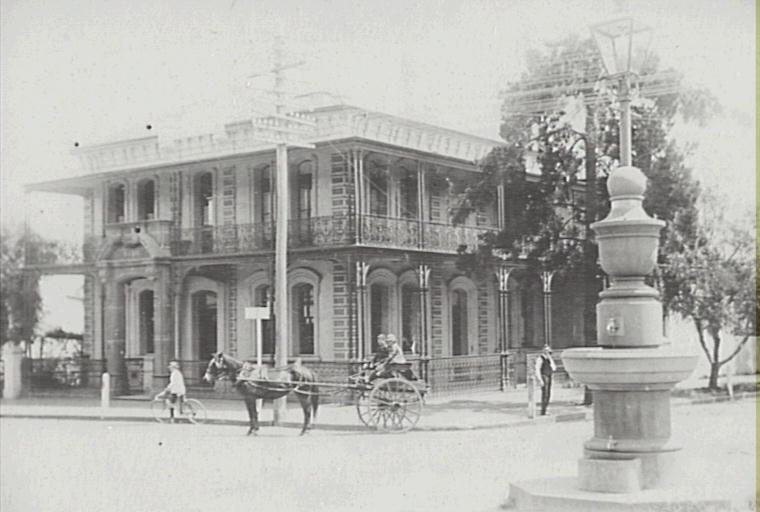
The saleyards (1867) are still next door, and the rural supplies stores indicate that Camden is still ‘a working country town’. As the visitor proceeds along Argyle Street, Camden’s main street, apart from the busy hum of traffic, people and outdoor cafes, the casual observer would see little difference from 70 years ago.
Local people still do their shopping as they have done for years and stop to chat with friends and neighbours. At the end of Argyle Street, visitors can stroll around Camden Showground (1886). A country-style show is held here every year in March, and visitors can take in local handicrafts in the show hall (1894) or watch the grand parade in the main arena.

The picturesque rural landscapes surrounding Camden were once part of the landed gentry’s large estates and grand houses. A number of these privately owned houses are still dotted throughout the local area. Some examples are Camden Park (1835), Brownlow Hill (1828), Denbigh (1822), Oran Park (c1850), Camelot (1888), Studley Park (c1870s), Wivenhoe (c1837) and Kirkham Stables (1816). The rural vistas are enhanced by the Nepean River floodplain surrounding the town and provide visitors with a sense of the town’s farming heritage.
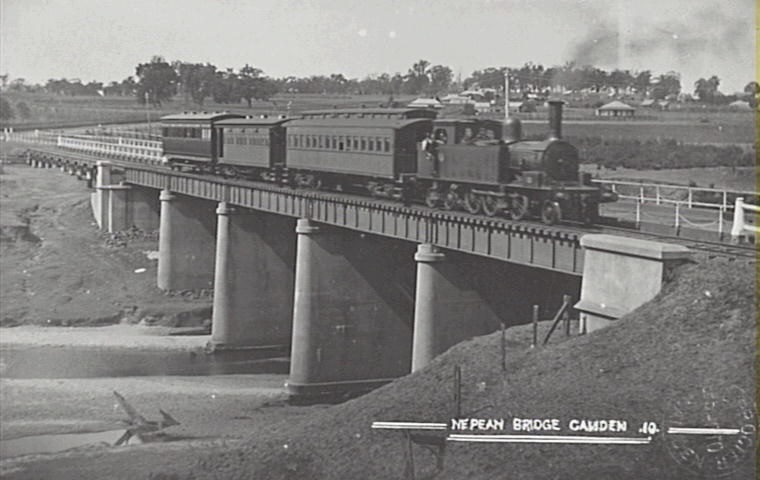
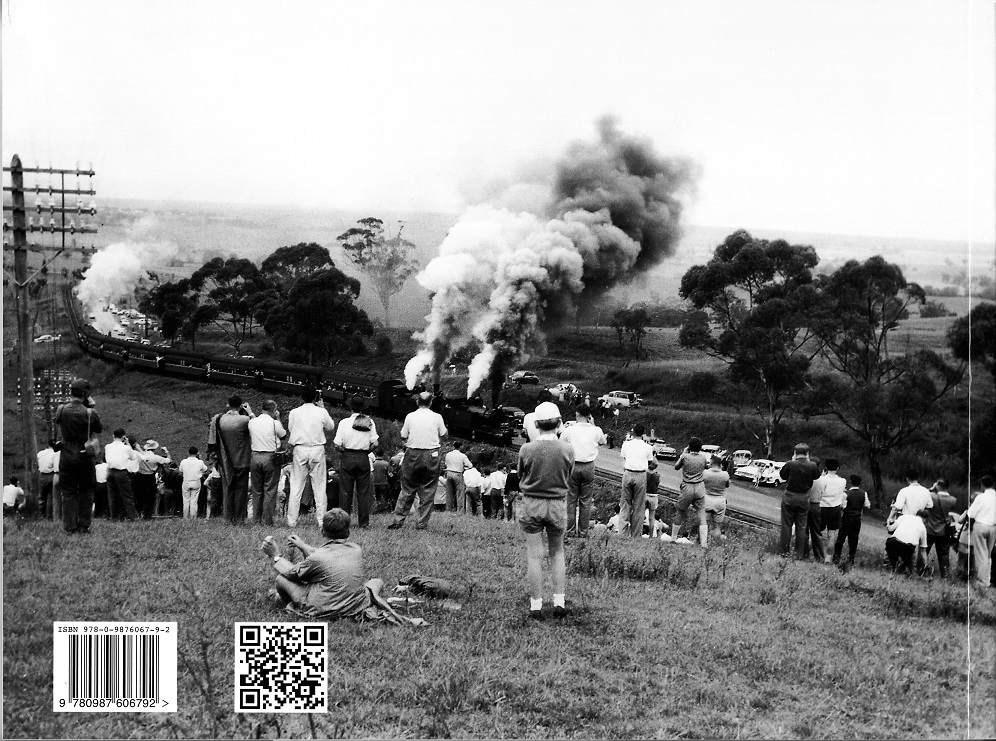
The floodplain also reveals to the railway enthusiast the remnants of railway embankments that once carried the little tank engine on the tramway (1882-1963) between Camden and Campbelltown. The locomotive, affectionately known as Pansy, carried a mixture of freight and passengers. It stopped at several stations, including Camden, Elderslie, Kirkham, Graham’s Hill and Narellan. The stationmaster’s house can still be found in Elizabeth Street in Camden, and now operates as a restaurant.
For aviation buffs a visit to the Camden Airfield (1924) is a must. It still retains its wartime character and layout. As you enter the airfield view the privately owned Hassall Cottage (1815) and Macquarie Grove House (1812) and think of the RAAF sentry on guard duty checking the passes of returning airmen on a cold July night.

The visitor can then relive the days when RAAF airmen (32 Squadron, 1943) flew out of the base chasing Japanese submarines on the South Coast or when the RAF (1944) occupied the still-existing hangers and runways flying transport missions to the South Pacific.
There are also several historic villages in the Camden area. Among them is the quaint rural village of Cobbitty, where the visitor can find Reverand Thomas Hassall’s Heber Chapel (1815), St Paul’s Church (1840), and rectory (1870). Narellan (1827), which is now a vibrant commercial and industrial centre, has the heritage precinct surrounding the St Thomas Church (1884) and school house (1839). The buildings are now used for weddings and receptions.
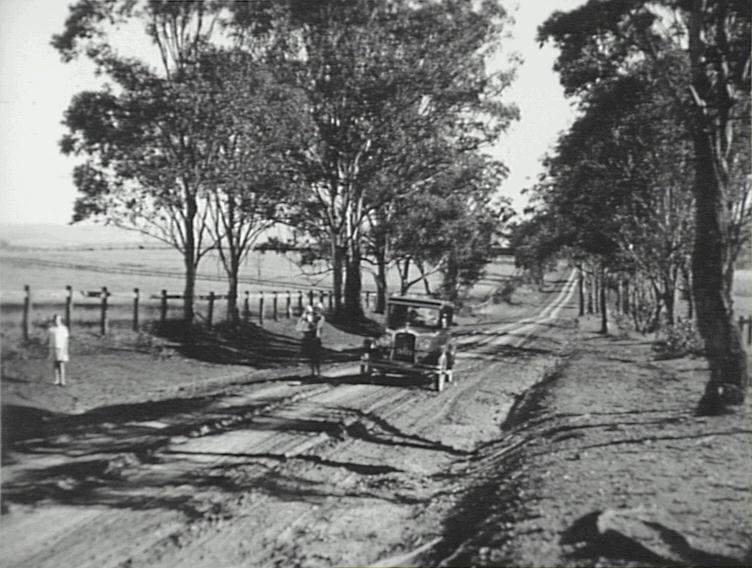
There is also the Burton’s Arms Hotel (c1840), which is now a real estate agency, and the Queen’s Arms Hotel (c1840), which is now the Narellan Hotel. A visit to Cawdor will reveal a real country church that has been functioning continuously for over 100 years, the Cawdor Uniting Church (c1880). Cawdor is the oldest village in the Camden area.
Updated 15 May 2024.. Originally posted on Camden History Notes on 18 December 2016. This post was originally published on Heritage Tourism as ‘Camden: the best-preserved country town on the Cumberland Plain’ in 2010.
Discover more from Camden History Notes
Subscribe to get the latest posts sent to your email.


2 thoughts on “Camden, the best preserved country town on the Cumberland Plain”
Comments are closed.