20th century · Architecture · Argyle Street · Built heritag · Business History · Camden Story · Camden Town Centre · Colonial Camden · Cultural Heritage · Cultural icon · Heritage · History · Hotel History · Hume Highway · Lifestyle · Local History · Place making · Sense of place

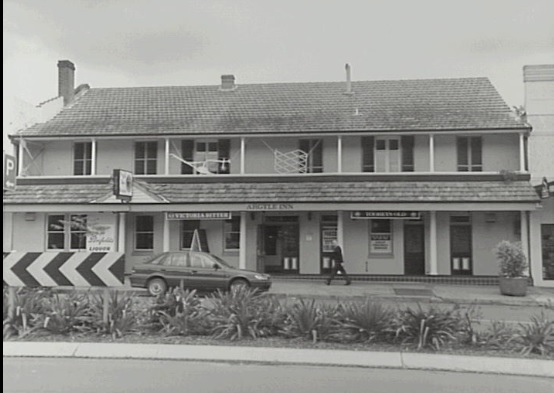
The Plough and Harrow Hotel: an early colonial Camden inn

The Plough and Harrow Hotel is the second oldest pub in the Camden town centre and was built in the early 1850s. The hotel is still on its original site located on the former Great South Road, later the Hume Highway, now relocated.

1920s · 1930s · Architecture · Attachment to place · Built heritag · Business History · Collective Memory · Community Health · Cultural Heritage · Design · Edwardian · Film · Foresters Hall (former) · Heritage · History · Interwar · Leisure · Living History · Local History · Local Studies · Memory · Modernism · Movies · Narellan Military Camp · Placemaking · Second World War

The former Foresters’ Hall, a marvellous Edwardian building

In Camden NSW the former Foresters’ Hall occupies one of the most prominent sites in the Town Centre on Oxley Street and Argyle Street at 147 Argyle Street. On its opening in 1908, the hall was considered the best in New South Wales by the Order of Royal Foresters.

1920s · 1930s · 1932 · 20th century · Adaptive Re-use · Aesthetics · Architecture · Argyle Street · Attachment to place · Belonging · Built heritag · Business History · Camden Story · Camden Town Centre · Collective Memory · Colonial Camden · Community identity · Cultural Heritage · Cultural icon · Design · Economy · Governor Macquarie · Historical consciousness · History · Interwar · Local History · Local Studies · localism · Macarthur region · Mid-century modernism · Modernism · Place making · Placemaking · Sense of place · Storytelling · Streetscapes · Town planning · Uncategorized · Urban growth · Urban history · Urbanism

 The former Bank of New South Wales building in the country town of Camden

In central Camden is an empty bank building of understated significance at the intersection of John and Argyle Streets. This building was the premises of Westpac, formerly the Bank of New South Wales, and was the second banking chamber on that site. Constructed in the 1930s by a prominent firm of local builders and designed by one of Sydney’s top award-winning architects. It is a building of much architectural merit, and few know its history.