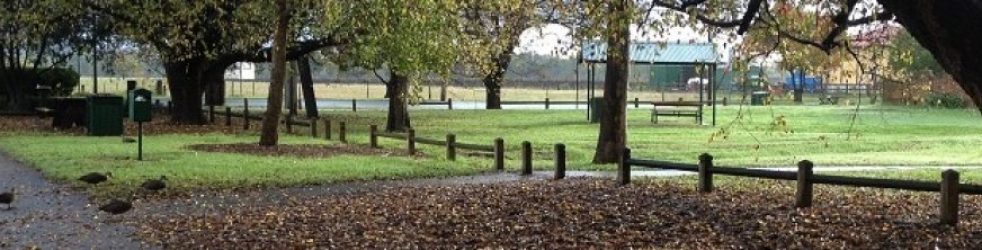

On Tuesday, 11 March 2025, Camden Council listed on its business papers a motion from Councillor Peter McClean for the council to apply to have the Camden township listed on the state heritage register on its business papers.
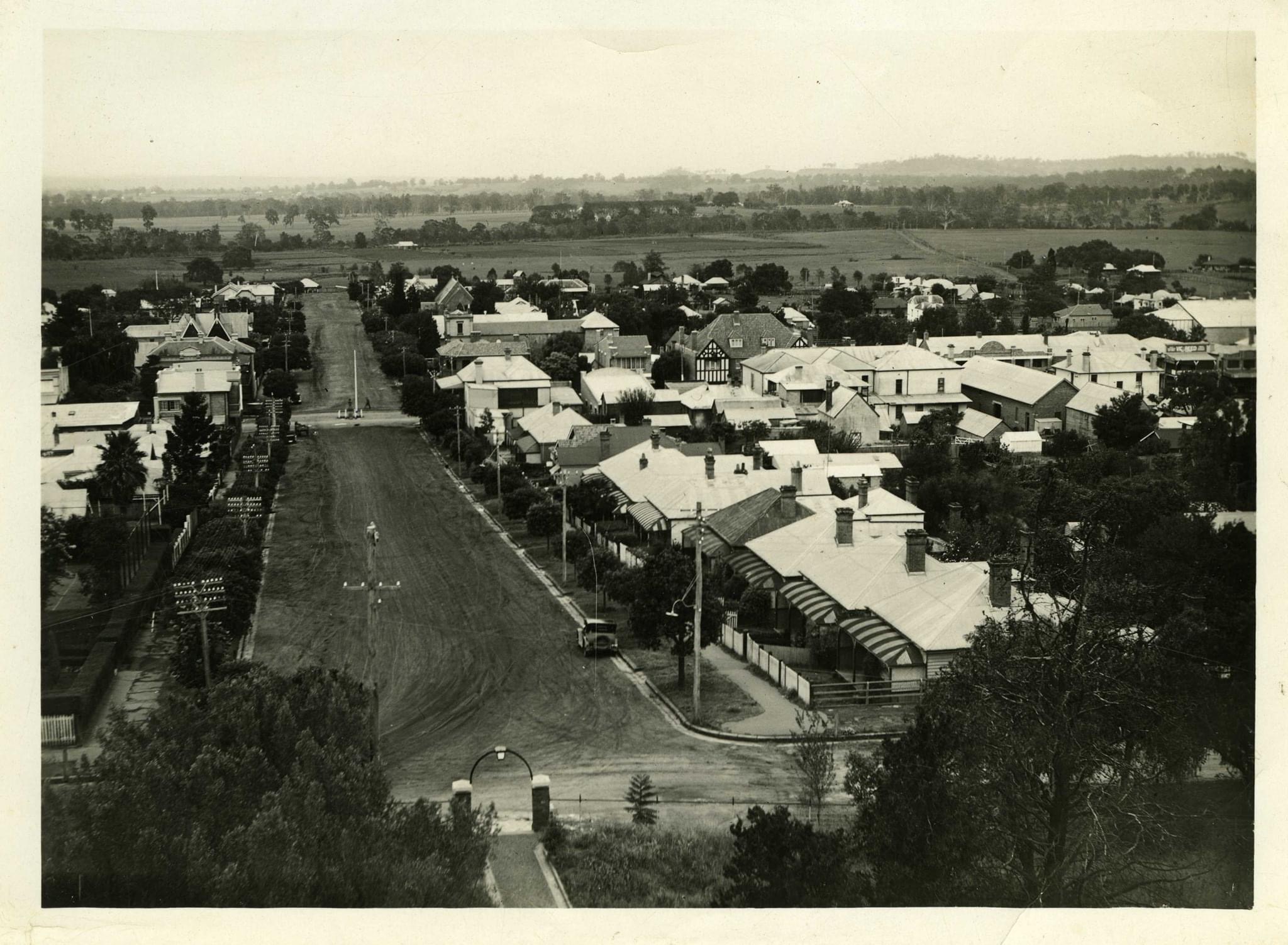
NOTICE OF MOTION
SUBJECT: NOTICE OF MOTION – STATE HERITAGE REGISTER
FROM: Cr McLean
EDMS #: 25/106623
“I, Councillor Peter McLean, hereby give notice of my intention to move the following at
the Council Meeting of 11 March 2025:
That Council apply for Camden Township to be listed on the State Heritage Register.
BACKGROUND
Camden Township has nationally significant historic and cultural heritage values and
status. We must protect our local gem because it is so unique but also due to its strategic
economic importance as the only historic township of its kind in greater Sydney.”
RECOMMENDED
That Council apply for Camden Township to be listed on the State Heritage
Register. (CC Business Paper 11 March 2025, p79)

Dr Ian Willis, president of the Camden Historical Society, gave a public address during the council meeting’s public address session to support the motion.
Dr Willis had four minutes to speak.
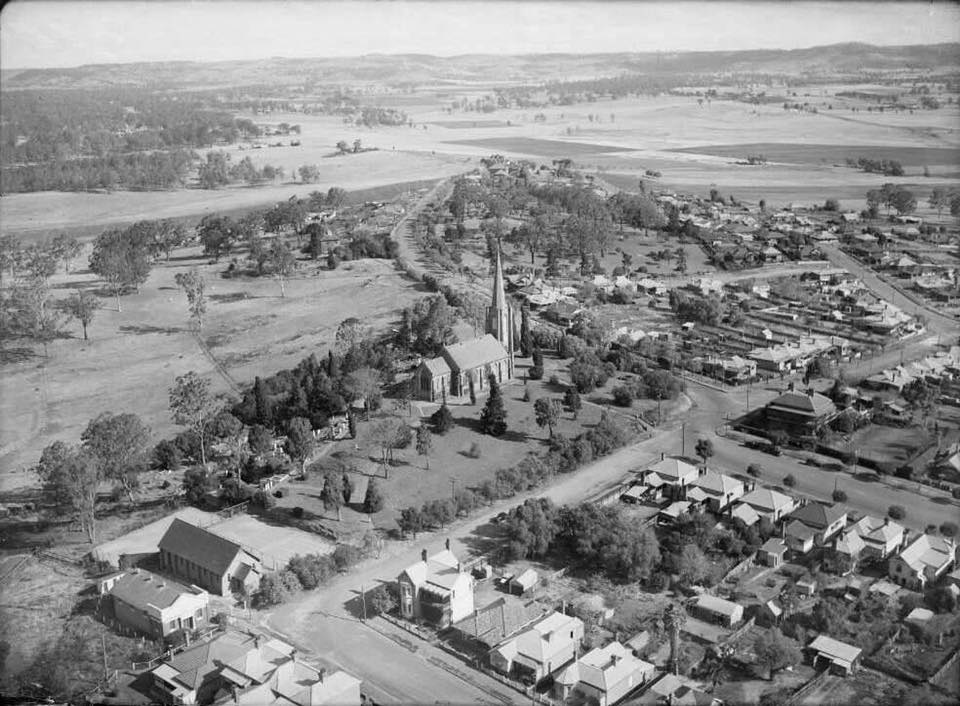
His address follows
Presentation to Camden Council Meeting 11 March 2025 by Ian Willis
The Camden Historical Society would like to support this motion proposed by Councillor
McLean.
The Camden Township, represented by the Camden Heritage Conservation Area, has
been identified as important for its historic and heritage significance.
Sydney architect Hector Abrahams of the firm Clive Lucas, Stapleton and Partners, stated in
2006 that Camden was ‘the best preserved rural town in the entire Cumberland Plain’.
I maintain that the Camden town centre is essentially unchanged in form and structure from
its 19th century origins as a privately developed village by the Macarthur family. Combined
with Edwardian and lnter-war growth and infill the town centre has amazingly retained its
integrity and rural aesthetic, particularly given its location on the Nepean River floodplain.
Camden’s aesthetic was noted in publications as early the l880s, and re-enforced by tourist
journalism of the lnter-war period which championed its Englishness and village nature.
These characteristics, surprising to some, are still identifiable and have shaped the
community’s sense of place and identity.
Historian Emeritus Professor Alan Atkinson, who wrote Camden Farm and Village Life in Early New South Wales, has detailed the first 40 years of the town’s growth. He maintains that
Camden’s town plan, drawn up in 1836 by Surveyor-General Sir Thomas Mitchell, is one of
the best-preserved aspects of the town.
Atkinson argues that Camden ‘is a small masterpiece’ due to its sensitive positioning in the
landscape by Surveyor-General Mitchell with ‘the human and natural dimensions of
landscape’. The town, according to Atkinson, is the most successful ‘engineered community’
by the Macarthur family of the mid-19th century, and overall the town is a ‘profoundly
important place’ for its historical and heritage values.
According to Historian Emeritus Professor Grace Karskens
‘Camden and its surrounding rural landscape clearly have national as well as state
significance because of their links with vital developments in the early colony, including foundational contacts between Aboriginal people and settlers, early breakthroughs in the cattle industry, the strong association with the illustrious Macarthur family and the wool industry, and the way this landscape – which you can still see today – was so much admired by settlers.’
Karskens argues that the Camden township is ‘precious’.
The Camden Historical Society agrees with these sentiments and recommends that the
Council support Councillor McClean’s motion.
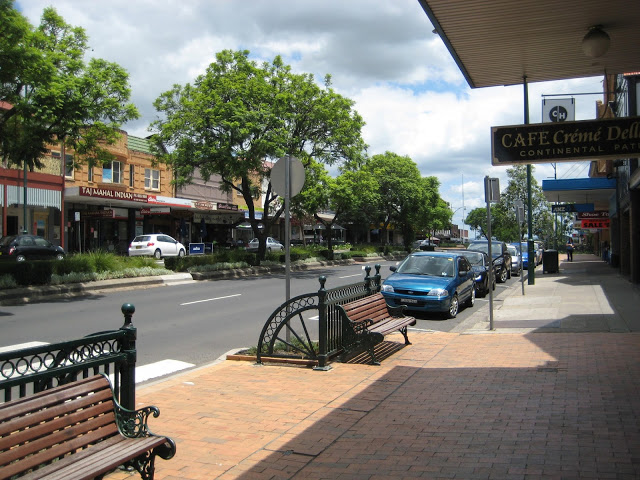
Discussion
The mayor put the motion forward, and a short debate followed. Councillor Peter McClean endorsed his motion and stated his strong support for the council supporting the move. This was endorsed by Councillor Eva Campbell and Councillor Abha Suri. Councillor Damien Quinnell spoke against the motion, followed by Councillor Vince Ferreri, who listed several objections to the motion, including that it would adversely affect small businesses in the town centre and make any development more complex. Councillor Ashleigh Cagney stated she would not support the motion because the term ‘Camden Township’ was too vague.
The motion was lost 6-3.

Further Reading
The Camden Story: the historiography of the history of the country town of Camden NSW
The Camden Story: living history on our doorstep
Townies, ex-urbanites and aesthetics: issues of identity on Sydney’s rural-urban fringe
What is Camden’s heritage, does it really matter and what does it mean?
Pictorial History of Camden and District
Camden Heritage Conservation Area
Discover more from Camden History Notes
Subscribe to get the latest posts sent to your email.

