

Liberalism is a political philosophy emphasizing individual rights, liberty, and equality, rooted in Enlightenment ideals. It evolved from classical liberalism, championing free markets and minimal government, to social liberalism, advocating state intervention for social welfare. Prominent thinkers, including Locke and Mill, shaped liberalism's principles, influencing democratic revolutions and debates on individual freedom.
Category: British Heritage

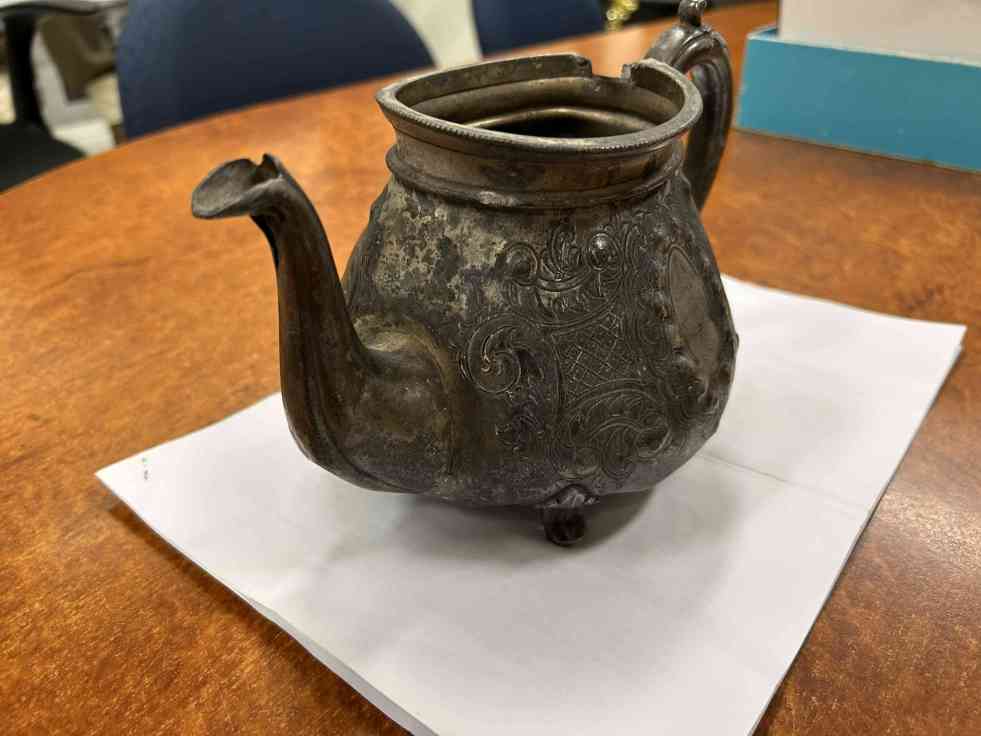
The Fascinating History of Camden’s 1876 Sports Day Trophy
The Camden Museum has acquired a 149-year-old teapot trophy from a sports day on May 24, 1876, celebrating Queen Victoria's birthday. It is the oldest trophy in the museum's collection, reflecting communal festivities and competitive spirit of the era. The trophy was donated by Alf and Sharon Cantrell.
Share this:

Share this:
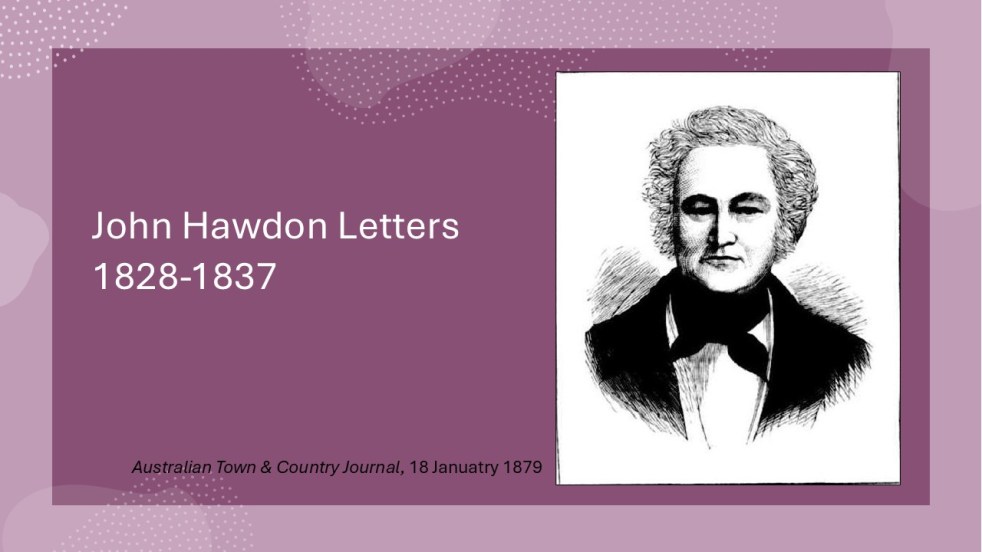
Insights from the Hawdon Letters: Colonial Life in NSW, Part 2, 1831-1833
John Hawdon's letters from New South Wales (1831-1833) reveal colonial life, highlighting farming challenges, isolation from England, and the high costs of communication. These letters provide insights into market conditions, crop successes, and family updates, showcasing the Hawdons' experiences and adaptations in a new land, while retaining original spelling and structure.
Share this:

Share this:

Canberra’s Macarthur Garden: a tribute to Australia’s wool pioneers and their contribution to the foundation of the nation
The Macarthur Rose Garden in Canberra commemorates John and Elizabeth Macarthur's pivotal role in Australia's fine wool industry. Donated by their great-granddaughter, Sibella Macarthur Onslow, the garden features roses symbolizing hope and gratitude. Established from 1937-1938, it reflects the connection between the Macarthurs and Australia’s early nationalism.
Share this:

Share this:

1901 Anniversary Day sports and other amusements on January 26 in aid of the Camden Cottage Hospital.
On January 26, 1901, a sports day organized by the Combined United Friendly Societies raised funds for the Camden Cottage Hospital. The event featured various competitions and attracted around 1,000 attendees, earning £60. Despite mixed reviews from the local editor, the day represented community unity and historical significance in celebrating European settlement.
Share this:

Share this:
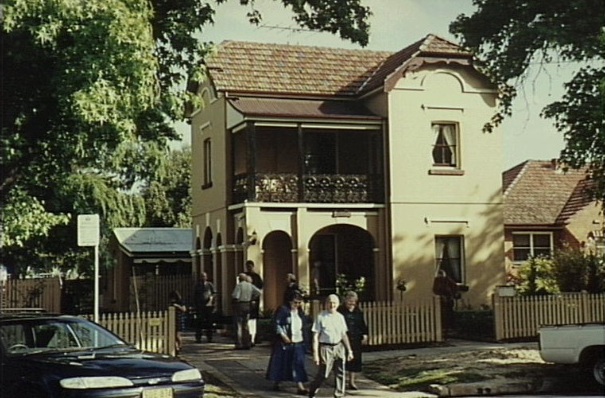
Camden Cottage Hospital – early English influences and the cottage hospital movement
The Camden Cottage Hospital, inspired by the English cottage hospital movement, was established in 1899 in New South Wales. This model provided the community with a small, welcoming healthcare facility, funded by donations and subscriptions. Over time, cottage hospitals became integral to the healthcare landscape in rural Australia, adapting local characteristics.
Share this:

Share this:
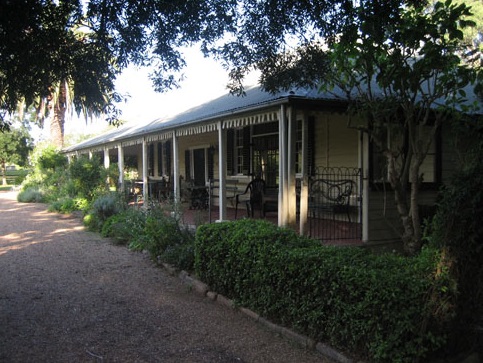
Denbigh Open Days: Exploring Historic Colonial Farm
Denbigh, a significant colonial farming complex in Australia, recently opened its gardens to the public for a rare charity viewing. The property, with a dark history of conflict and anxiety, reveals layers of history from dispossession of Aboriginal lands to dairying and urban invasion. Denbigh's fortified structures reflect the fear and violence of the Cowpastures frontier.
Share this:

Share this:
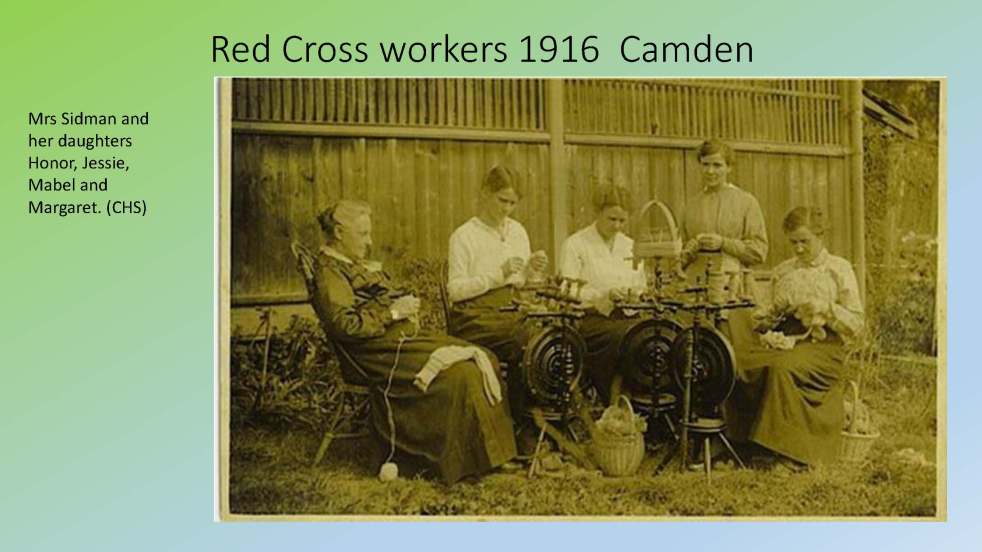
Ministering Angels, Myth and the Red Cross on the Australian Wartime Homefront
The paper presented at the 33rd Annual Conference of the Australian Historical Association at the University of Queensland in 2014 explored the role of Australian country women in supporting the Red Cross during the First World War. The paper focused on the Camden District Red Cross, emphasizing the conservative women’s empowerment in embracing the Red Cross, serving as ministering angels, and upholding patriotic values. Total words: 78
Share this:

Share this:
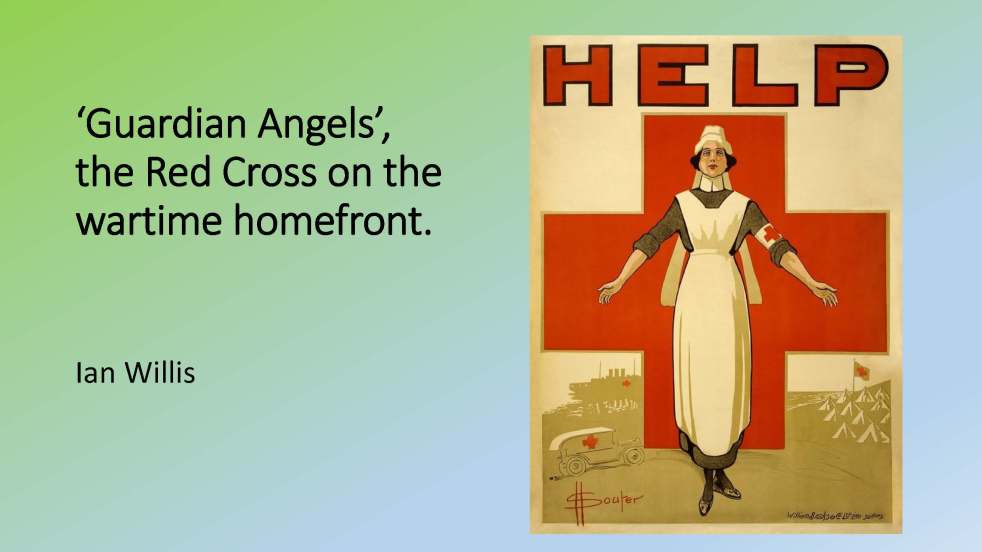
‘Guardian Angels’, the Red Cross on the wartime homefront
During the First World War, Australian women independently joined the Red Cross to support the war effort. The Red Cross provided a space for women to express agency and contribute to the war through practical activities and fundraising. The organization's local branches established a sense of community and played a significant role in the homefront war effort.
Share this:

Share this:

Local historian talks at an international conference in Adelaide
Dr Ian Willis OAM challenges myths of WWI in his talk at the 2024 Australian Historical Association conference. He examines the Australian military's response to sick and wounded soldiers and the role of the British Red Cross. The conference aims to uncover home truths and dispel historical myths. Dr Willis's research focuses on the Red Cross's role in soldier recovery.

