
20th century · Anzac · Australia · British Heritage · British Red Cross · Convalescent Home · Convalescent hospital · Cultural Heritage · First World War · Red Cross · Storytelling · Uncategorized · Volunteering · Volunteerism · War · War at home · Wartime · Women's history · World War One

Local historian talks at an international conference in Adelaide

Dr Ian Willis OAM challenges myths of WWI in his talk at the 2024 Australian Historical Association conference. He examines the Australian military's response to sick and wounded soldiers and the role of the British Red Cross. The conference aims to uncover home truths and dispel historical myths. Dr Willis's research focuses on the Red Cross's role in soldier recovery.

1920s · 20th century · Anzac · Convalescent Home · Convalescent hospital · Cultural Heritage · First World War · Heritage · Medical history · Military history · Patriotism · Picton · Red Cross · Sense of place · Shell Shock · Storytelling · Uncategorized · VAD · Voluntary Aid Detachment · Volunteering · Volunteerism · War · War at home · Wartime · World War One

Waley Convalescent Home at Mowbray Park

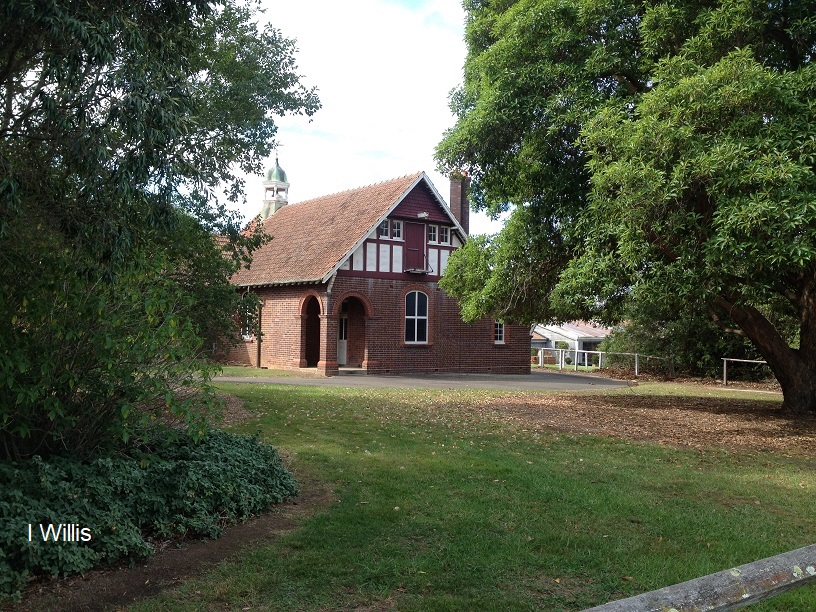
In 1919 Mowbray Park, five kilometres west of Picton, was handed over to the Commonwealth Government to be converted to a convalescent home for invalided soldiers from the First World War. The home was called Waley after its philanthropic benefactors. 

Aesthetics · Architecture · Art · Attachment to place · Colonialism · Community identity · Concord NSW · Convalescent Home · Convalescent hospital · Cultural Heritage · Cultural icon · Curtilage · Dairying · Edwardian · Entertainment · Farming · Festivals · Heritage · History · History of a house · House history · Interwar · Landscape · Landscape aesthetics · Leisure · Local History · Medical history · Modernism · Place making · Red Cross · Sense of place · Storytelling · Urban history · Volunteering · War · War at home · Yaralla Estate, Concord

Yaralla Estate, a hidden Sydney gem

A hidden Sydney gem: Yarralla Estate at Concord NSW which was the home of Dame Eadith Walker in the early 20th century.

Architecture · Attachment to place · Built heritag · Camden · Colonial Camden · Colonialism · Community Health · Community identity · Consumption · Convalescent Home · Convalescent hospital · Cultural Heritage · First World War · Heritage · Historical consciousness · Historical Research · History · Interwar · Local History · Medical history · Modernism · Philanthropy · Place making · Placemaking · Sense of place · Storytelling · Tuberculosis · Volunteering

Carrington Centennial Hospital for Convalescents and Incurables, Camden

Carrington Centennial Hospital for Convalescents, opened in 1890 in Camden, NSW, embodied Florence Nightingale’s principles, emphasizing fresh air and proper ventilation for recovery. Established by philanthropist WH Paling, it was the first major convalescent facility in New South Wales, providing a restorative environment away from the urban pollution.