
Mid-century Camden
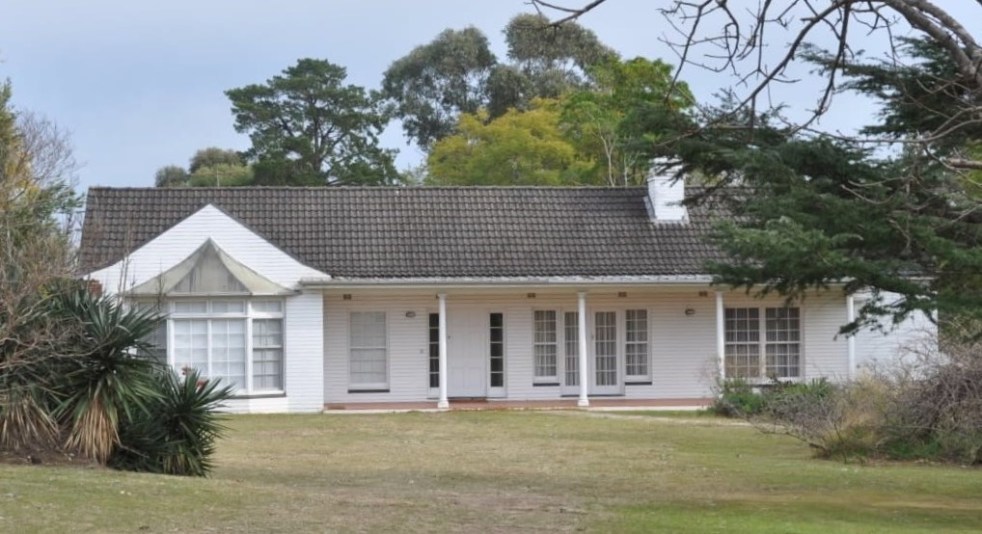
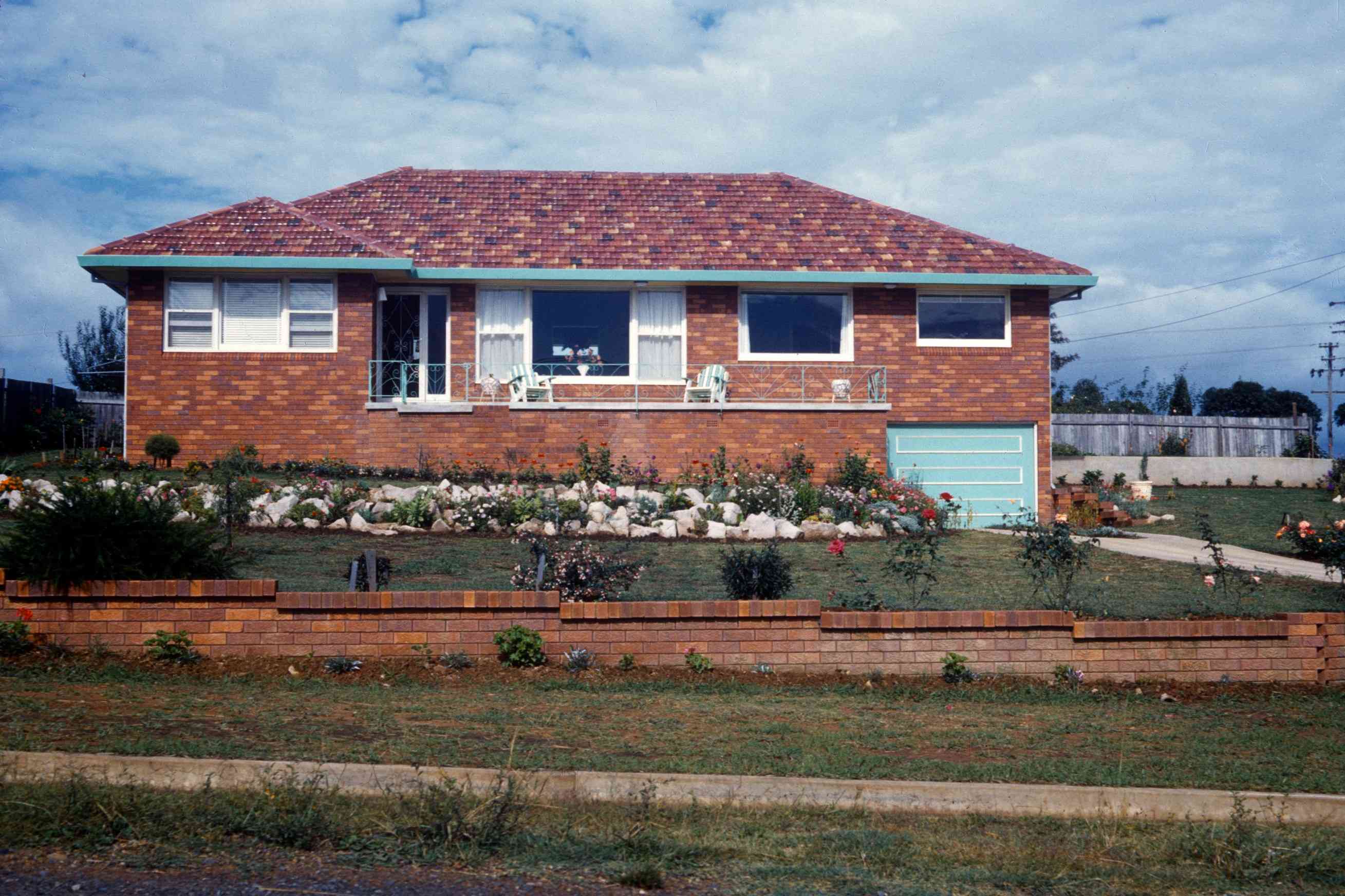
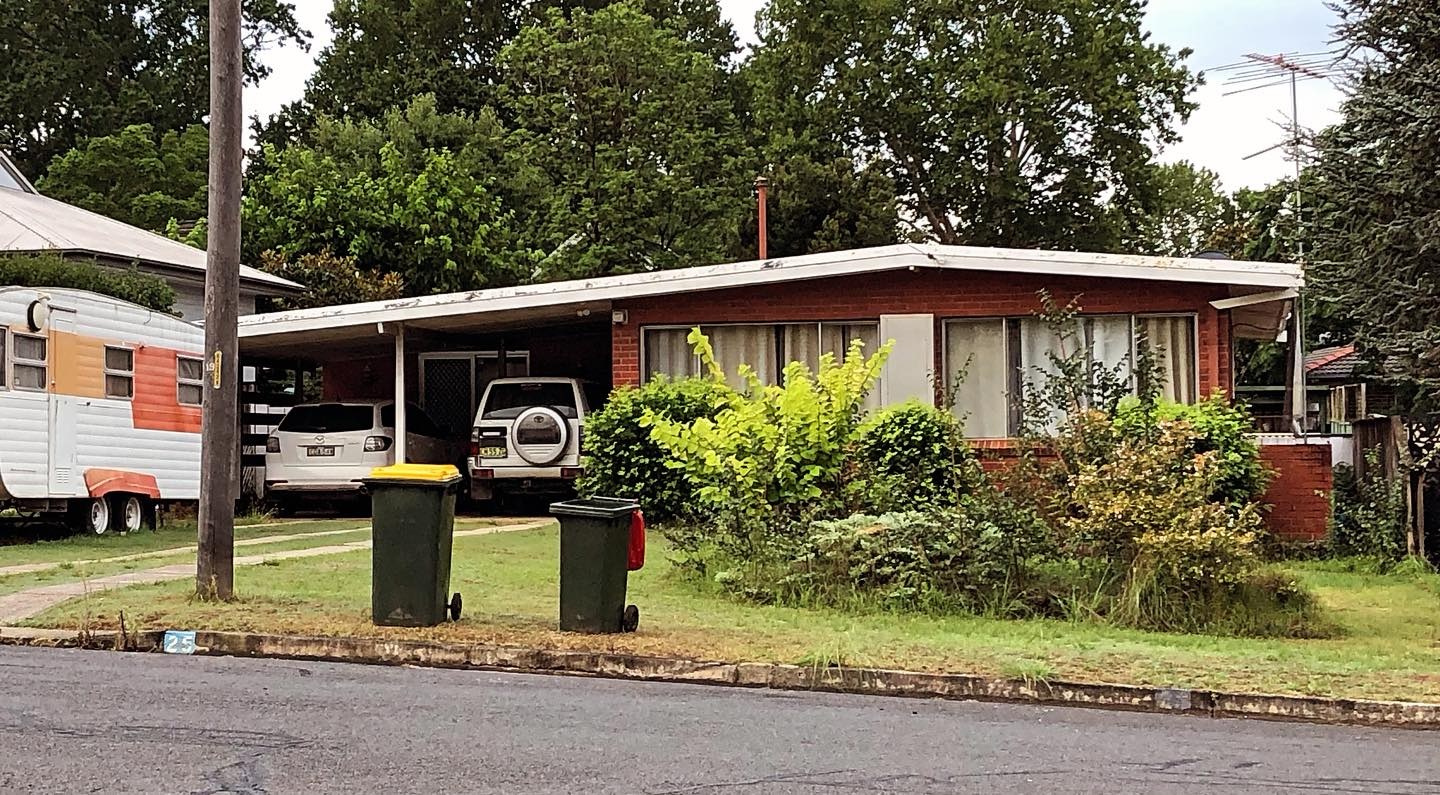
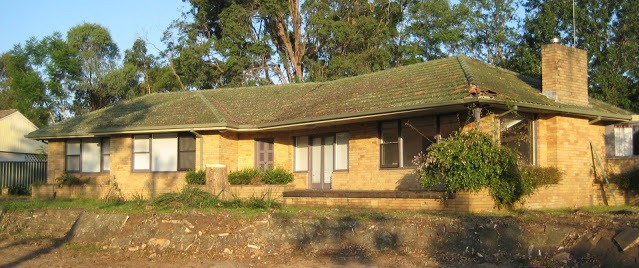
Across the Camden district, a range of houses were built between the Second World War and the early 1970s, a period known as the 20th-century mid-century modern period.
Camden’s mid-century houses are found in the areas that grew during this time, including Camden, Camden South, Elderslie, and Narellan.
Mid-century worldwide
Mid-century modernism is a worldwide movement covering design, architecture, furniture, and urban development.
The design elements’ aesthetic is characterised by clean, simple lines without decorative embellishments.
In Australia, the Sydney Opera House is an icon of mid-century design. It was designed by Danish architect Jørn Utzon, who won an international competition for the project in 1957.
According to Tahni Mesann and Olivia Clarke (2024), mid-century houses are
best characterised by flat or raked roof lines, floor-to-ceiling windows, open-plan living, seamless indoor-outdoor flow and a palette of brick, concrete and timber – many of the qualities in a home that we now recognise as quintessentially Australian. These design characteristics were popular throughout the 1930s through to around 1970.
The biggest names behind Australia’s Modernist movement include architects such as Harry Seidler, Robin Boyd, Iwan Iwanoff and Hugh Buhrich, whose ground-breaking designs built throughout the 50s and 60s now enjoy heritage-list status. (Mesann & Clarke 2024)
Urban growth
In the Camden area, mid-century modernism is linked to the growth of the Burragorang coalfields and the wealth it created in the local community.
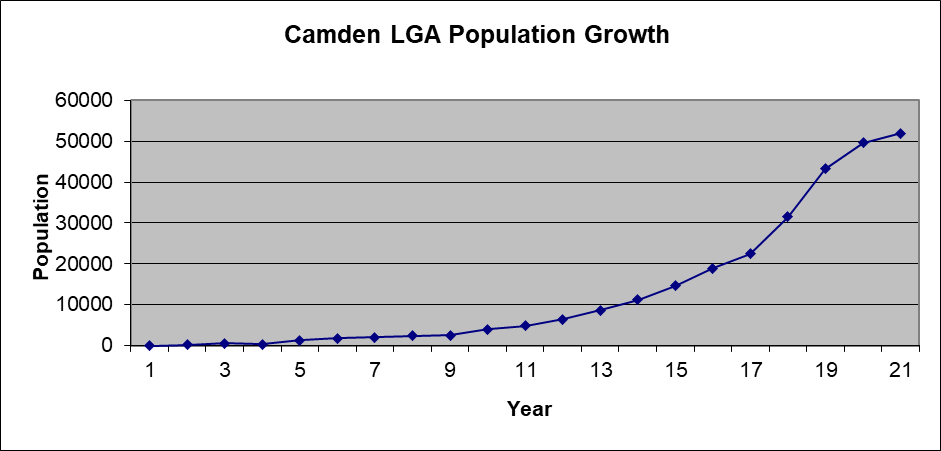
The coal mines in the Burragorang Valley created new wealth that created new jobs, higher incomes, population growth, economic development, and urban growth in a small country town.
The town grew from a small country town reliant on the dairying industry to one where new arrivals wanted modern housing for their families.
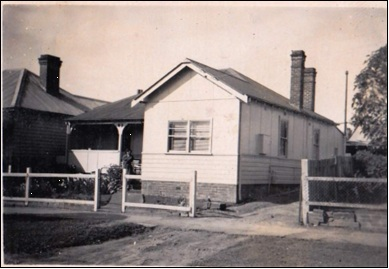
In the postwar years, there was a housing shortage in the local area, and Camden underwent a housing building boom, with new housing releases along the Old Hume Highway extending to Camden South. For example, land releases in Macquarie Ave occurred in the early 1960s, and other land releases were in Hawkey Ave and surrounding areas. There were also early 1960s land releases along Macarthur Road in Elderslie. In the late 1940s, several simple fibro houses were built along Exeter Street, Camden.
Between the mid-1940s and the early 1970s, the population of the Camden area doubled from around 3500 in the mid-1940s to over 11,000 in the early 1970s.
Home and architecture magazines
In the postwar years, various magazines, from popular to professional, encouraged modernist design, which influenced housing design in the Camden area.
These magazines included Australian Home Builder, The Australian Home Beautiful, Real Property Annual, Architecture and Arts, Architecture and Arts and the MODERN HOME, The Homebuilders Book, The Home Builder Annual, The Home: an Australian quarterly, Decoration and Glass, and Architecture: an Australasian Review of Architecture and the Allied Arts and Sciences.
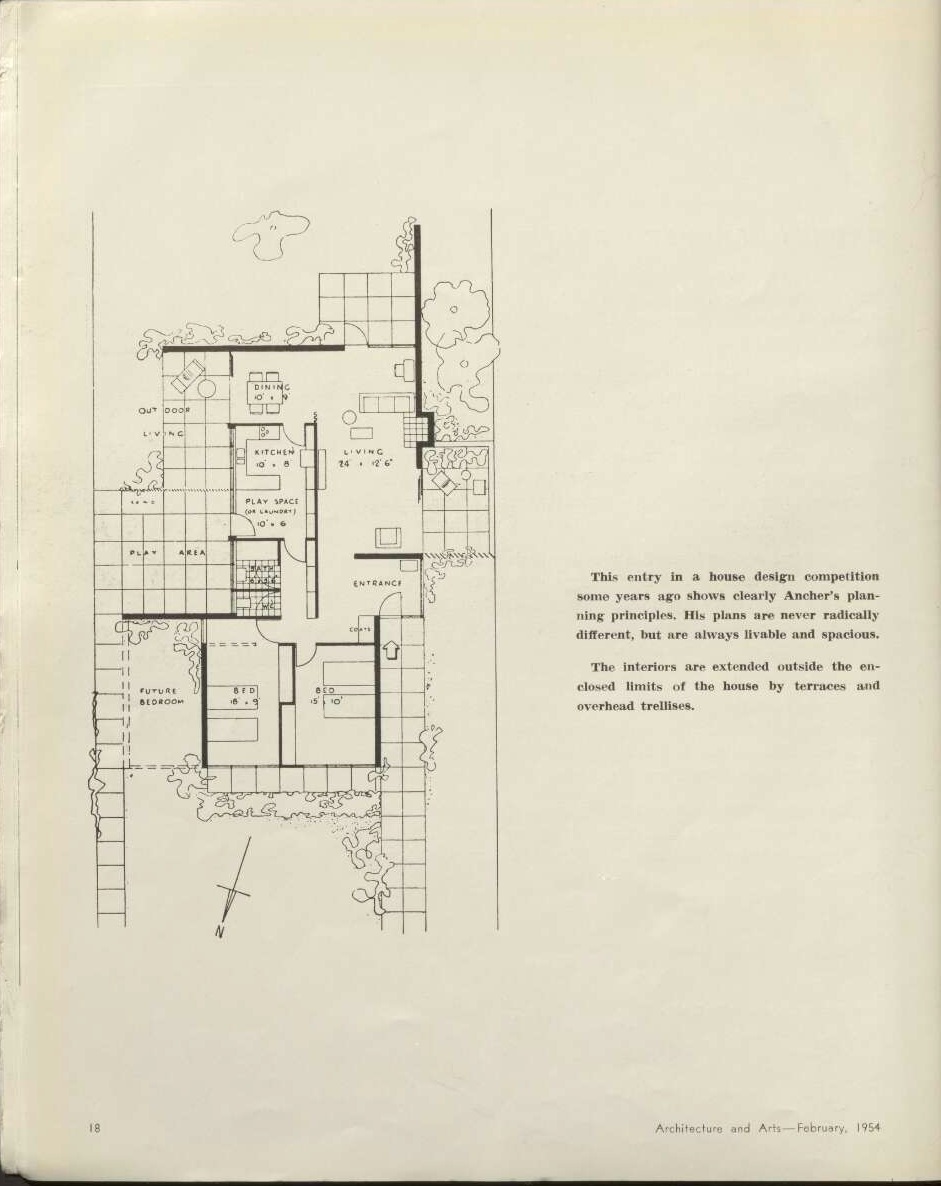
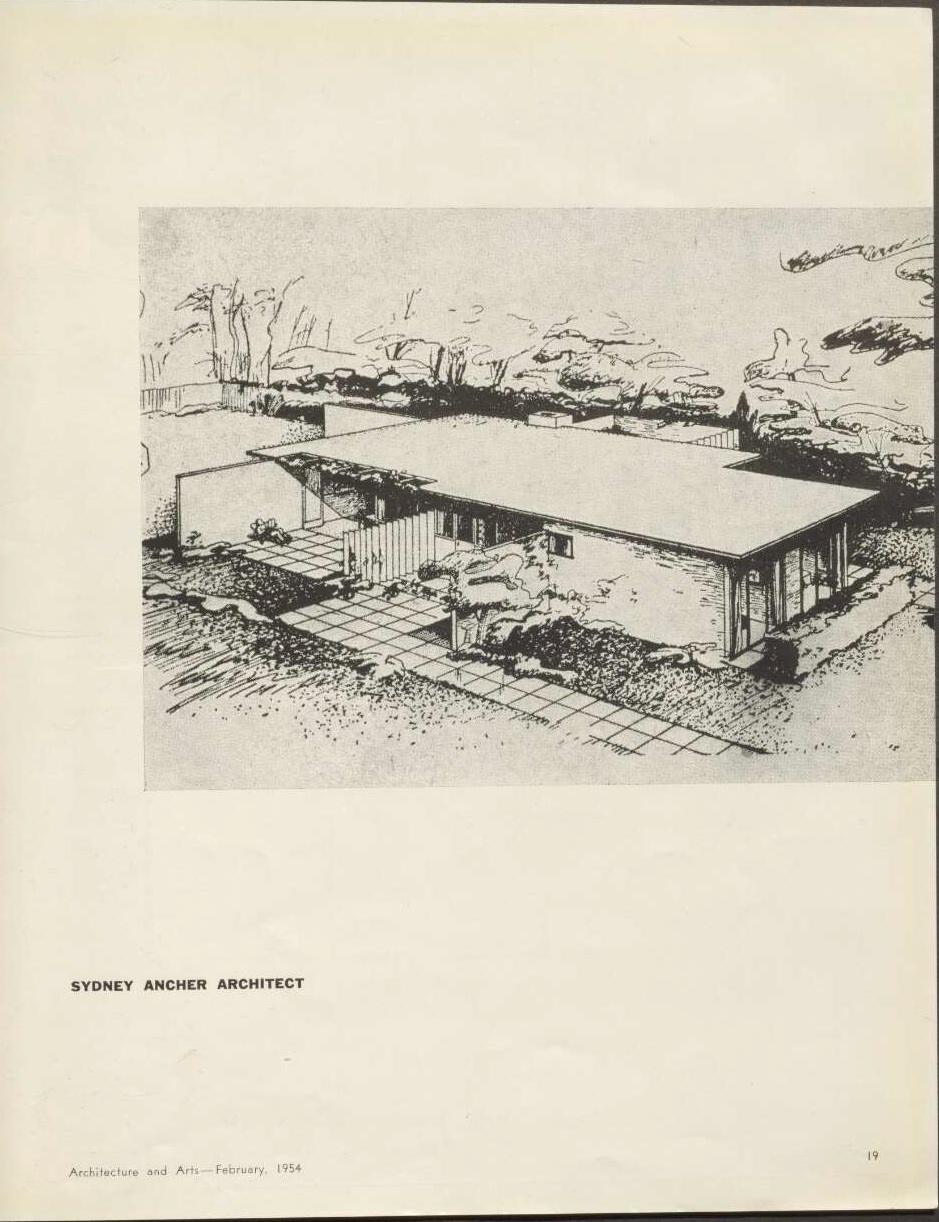
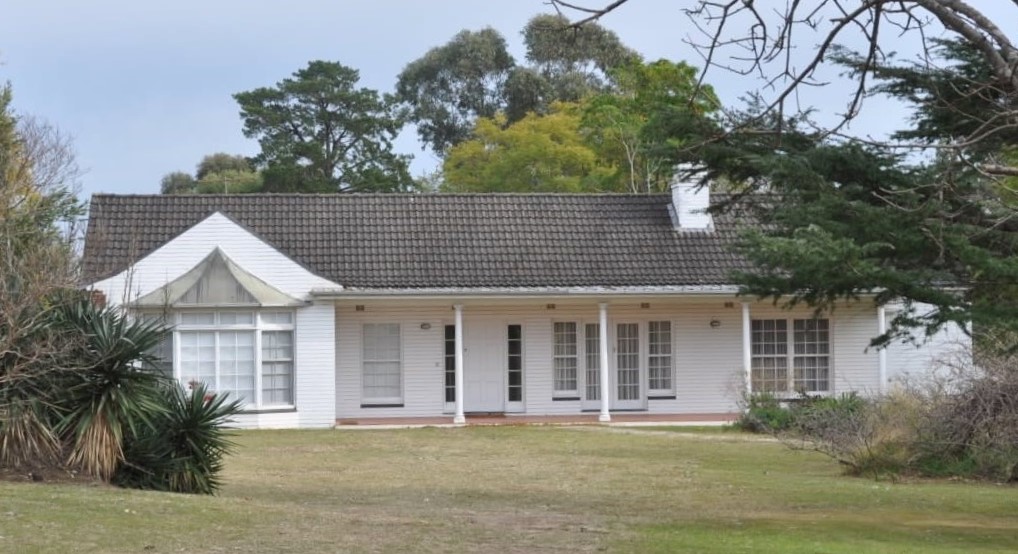
One example from the first edition of Architecture and Arts undoubtedly would have influenced the design in the Camden area in the 1950s. The magazine profiled Sydney architect Sydney Anchor, who created what is known as the Canberra House. He was influential in the design of Australian domestic housing in the 1950s and 1960s. His influence can be identified in a number of the houses around the Camden district that were built at this time. It was similar to the design below.
Camden’s mid-century housing
Listed by street
(This list is a work-in-progress and is in no way a comprehensive coverage of the local area)
Camden
- Belgenny Ave
- Dobroyd Ave
- Edward Street
- Hawkey Cres
- Kelloway Ave
- Kibarra Ave
- Lerida Ave
- Macquarie Street
- Murrandah Ave
- Murray Street
- Old Hume Highway
- Pindari Ave
- Starr Close
Elderslie
- Church St
- Ettlesdale Road
- Harrington St
- Lodges Road
- Luker St
- Macarthur Road
- River Road
- Sunset Ave
Camden South
- Araluen Place
- Martine Ave
Narellan
- Doncaster Ave
- Frances St
- Hovell St
- Leicester St
- Queen St
- Richardson Road
- Rudd Road
- Slade St
- Somerset Ave
A missed opportunity
It is disappointing that Camden’s mid-century housing stock is gradually disappearing. To date, no attempt has been made to log or create an inventory of the stock.
For example, several ranch-style houses built in the early 1960s have been demolished, and more are being marked for demolition.
While most mid-century housing is not a high-end example of architecture, the existing ones illustrate a period of Camden’s history that changed the town’s nature and character.
The coal mines in the Burragorang Valley created new wealth that created new jobs, higher incomes, population growth, economic development, and urban growth in a small country town.
Between the end of the Second World War and the early 1970s, Camden experienced unprecedented growth and development.
This growth encouraged a new style of housing that suited the mining families that moved into the area to take advantage of the job opportunities created by mining. This was mid-century modernism.
The mid-century modern movement strongly influenced housing style, interior design and furniture design.
In Camden, mid-century design brought an international movement to a country town and created an identifiably local approach to a worldwide trend.
Greater recognition of the heritage of Camden’s mid-century housing stock is needed. Greater understanding and awareness will foster an appreciation of the worth of this postwar housing style.
Conclusion
Camden’s mid-century housing, developed between the 1940s and 1970s, reflects a worldwide modernism movement. Characterized by simple lines and open spaces, these homes arose amid urban growth linked to the new jobs created by the Burragorang coalfields. Unfortunately, many of these historic structures are disappearing, necessitating greater recognition and appreciation of their significance.
References
Tahni Mesann and Olivia Clarke (2024).18 magnificent mid-century modern homes across Australia. Homes to Love. 5 December. Online https://www.homestolove.com.au/home-tours/mid-century-modern-homes-20366/
Discover more from Camden History Notes
Subscribe to get the latest posts sent to your email.

