

A Microsoft study suggests historians are among jobs most at risk from AI, particularly due to AI's ability to gather data. However, historians play a crucial role in interpretation, analysis, and narrative construction, capabilities AI lacks. Therefore, while AI may assist, it cannot replace historians, ensuring their continued relevance in understanding the past.
Category: Propaganda

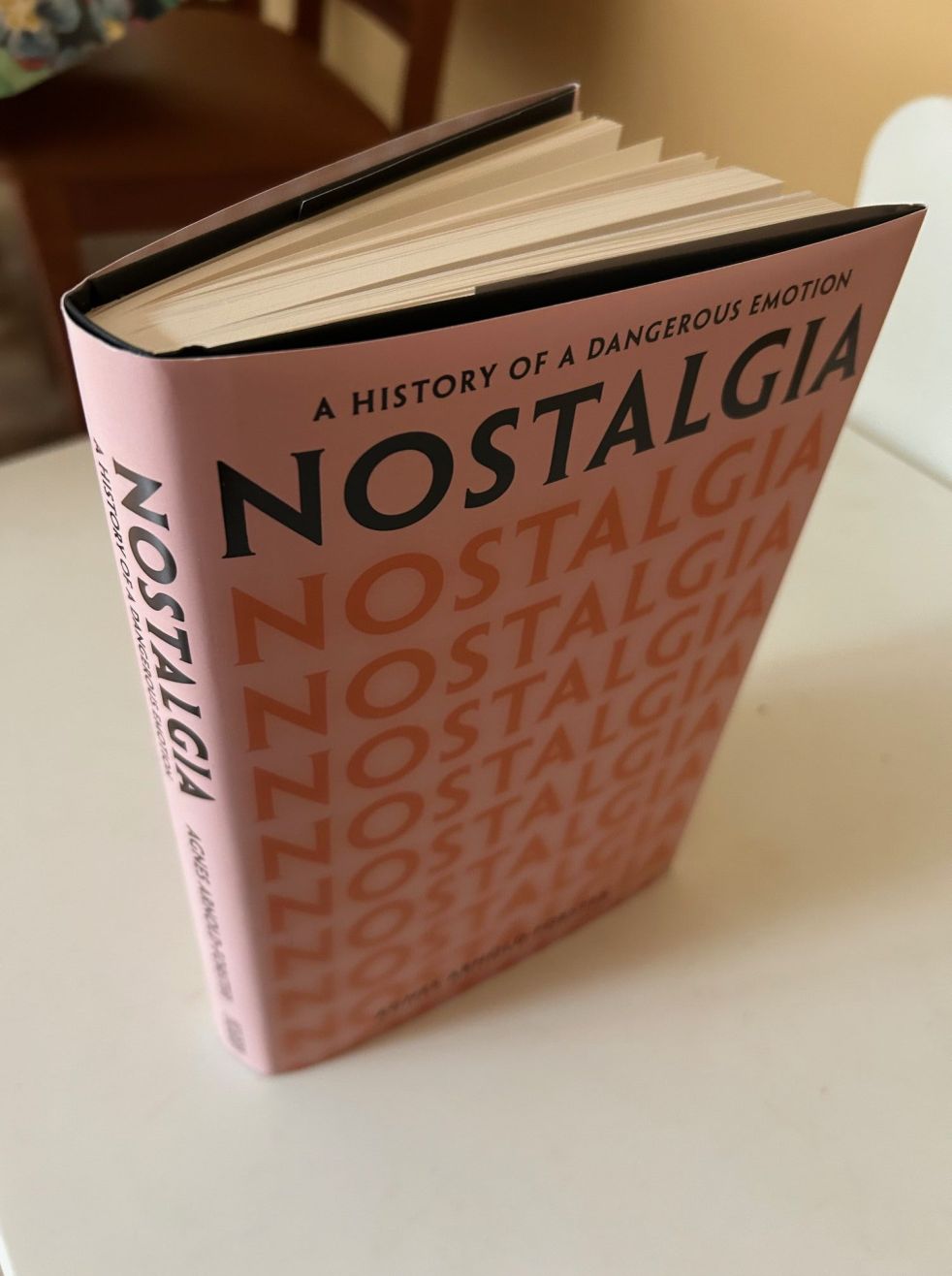
Exploring nostalgia, more than a rear vision view of the world
Agnes Arnold-Forster's "Nostalgia: A History of a Dangerous Emotion" explores the multifaceted nature of nostalgia, reflecting societal anxieties and its weaponization by politicians. The book illustrates nostalgia's importance in contemporary culture, as seen in varying contexts like music and Australia Day debates, while offering a historical perspective on its evolution and impact.
Share this:

Share this:
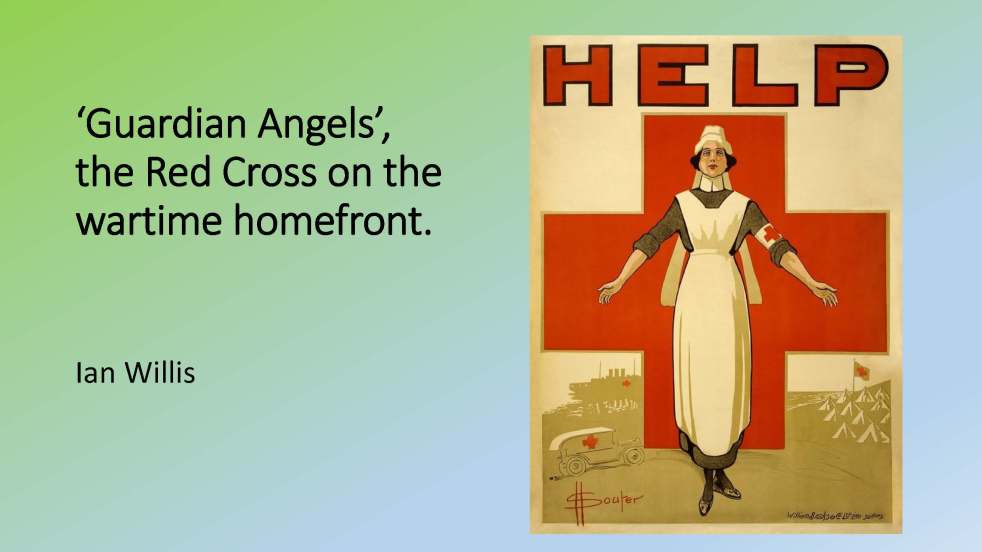
‘Guardian Angels’, the Red Cross on the wartime homefront
During the First World War, Australian women independently joined the Red Cross to support the war effort. The Red Cross provided a space for women to express agency and contribute to the war through practical activities and fundraising. The organization's local branches established a sense of community and played a significant role in the homefront war effort.
Share this:

Share this:

‘Angels Of Mercy’, The Red Cross On the Homefront During the First World War
During World War I, the Australian Red Cross mobilized women as 'Angels of Mercy' and 'ministering angels' to provide aid with strong moral overtone. The organization used motherhood imagery to rally support, portraying itself as the 'Greatest Mother in the World'. This approach effectively garnered community backing and positioned Red Cross workers as soldiers' guardian angels.
Share this:

Share this:

Red Flanders poppies, a field of memories
The red poppy carries a lot of symbolism in cultural mythologies from remembrance to sacrifices. The simple flower triggers outpouring of emotion, memories and commemorations on Anzac Day and Remembrance Day every year.
Share this:

Share this:
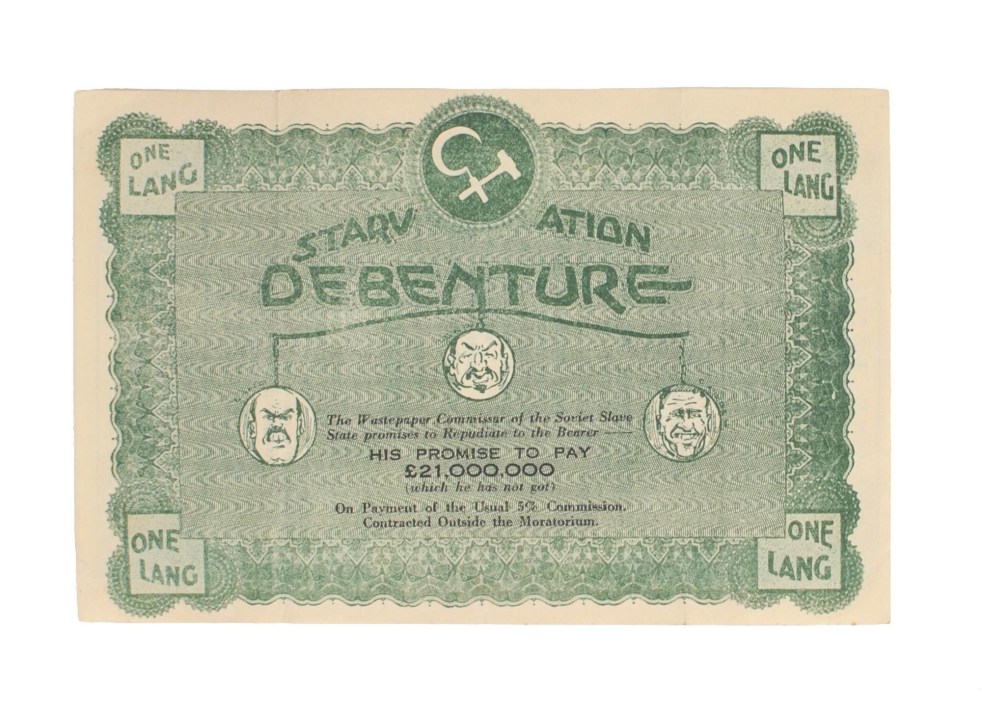
Political propaganda in 1932
The Starvation Debenture produced by the United Country Party is an example of political advertising from the 1932 New South Wales election.

