Anniversary Day · Anzac · Australia · Australia Day · Australian Red Cross · British Red Cross · Camden Red Cross · Cultural Heritage · First World War · Grief · Military history · Myths · Nationalism · Patriotism · Place making · Red Cross · Red Cross Humanitarianism · Red Cross Movement · Sense of place · Stories · Storytelling · Trauma · Uncategorized · Volunteering · Volunteerism · War · War at home · Wartime · Women's agency · Women's history · Women's stories · World War One

The Untold Woman’s Contribution to Australia Day

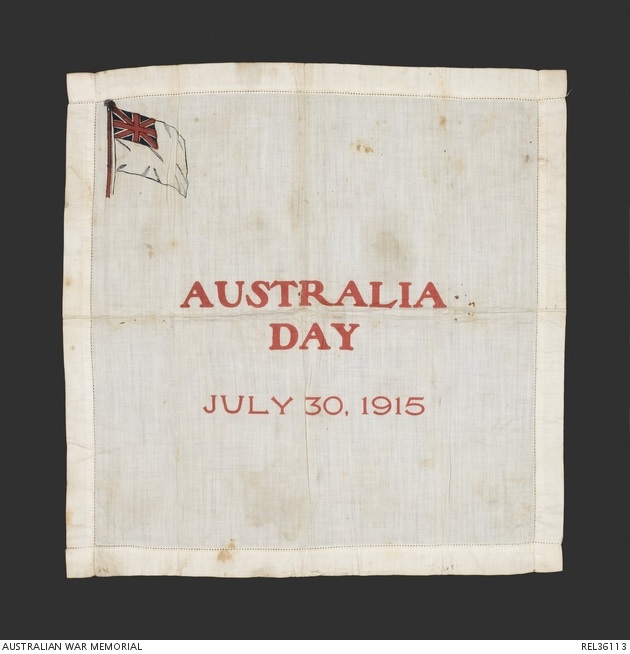
Australian women played a crucial role in the first Australia Day on July 30, 1915, which aimed to support sick and wounded soldiers from World War I. Originally suggested by Ellen Wharton-Kirke, the day centered on fundraising for the Red Cross. Women's contributions towards Australia Day remain overlooked in historical narratives surrounding Australia Day and the Anzac story.

Active citizenship · Agency · Anzac · Australian Red Cross · British Red Cross · Camden Red Cross · Camden Story · Community Health · Community identity · Community organisations · Community work · Country town · Craft · Cultural Heritage · First World War · History · Interwar · Lady Helen Munro Ferguson · Local Studies · Lost Camden · Medical history · Medical Humanities · Military history · Nationalism · Not-for-profit · Nursing · Patriotism · Place making · Political history · Red Cross · Red Cross Humanitarianism · Red Cross Movement · Second World War · Sense of place · Small town · Social History · Stories · Storytelling · Trauma · VAD · Voluntary Aid Detachment · Volunteering · War · War at home · Wartime · Women's agency · Women's history · Women's stories · World War One

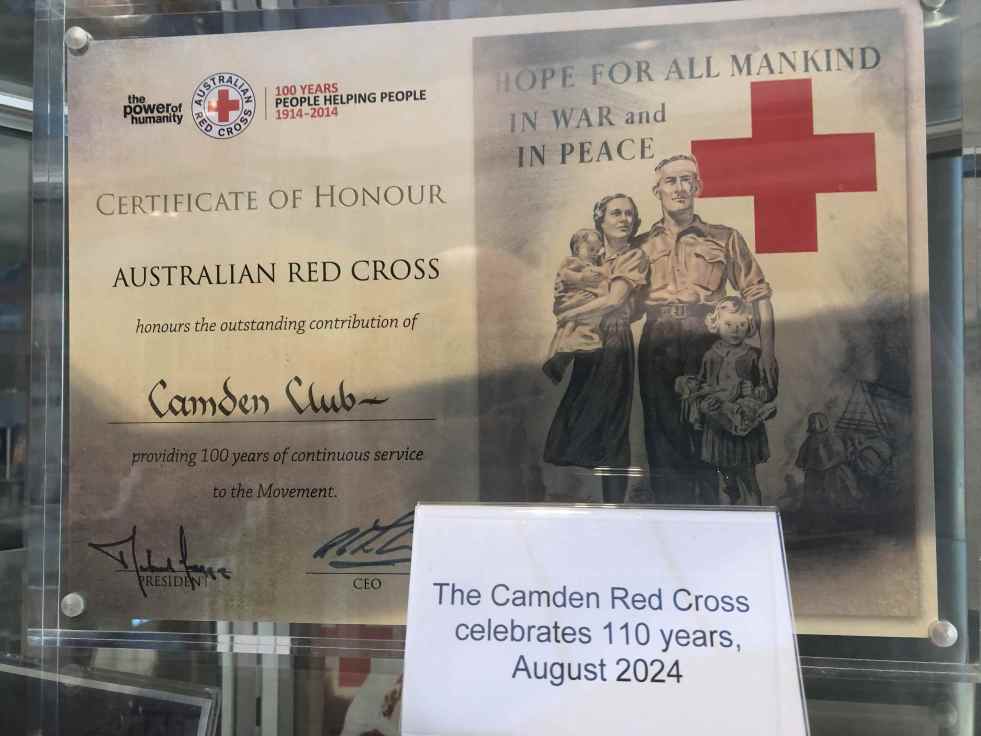
Camden Red Cross 110 Years Display: Objects and Ephemera Exhibition 2024

The Camden Red Cross exhibition at Camden Library in August 2024 showcased the historical contributions of local women to the Red Cross during World Wars I and II. Women from the Camden district played a pivotal role in supporting soldiers and shaping the narrative of the Australian Red Cross, creating over 20,300 articles in 40,000 volunteer hours during WWI.

Agency · Australian Red Cross · British Red Cross · Bushfires · Community · Community organisations · Community work · Cultural Heritage · Health History · Helen Munro Ferguson · History · History of Emotion · Humanitarianism · Ideology of Motherhood · International Relief · Living History · Medical history · Medical Humanities · Motherhood · Nationalism · Patriotism · Red Cross · Red Cross Humanitarianism · Red Cross Movement · Social History · Storytelling · Trauma · Voluntary Aid Detachment · Volunteering · Volunteerism · War · War at home · Wartime · Women's history · Women's stories · World War One

Red Cross humanitarianism and female volunteers in Australia

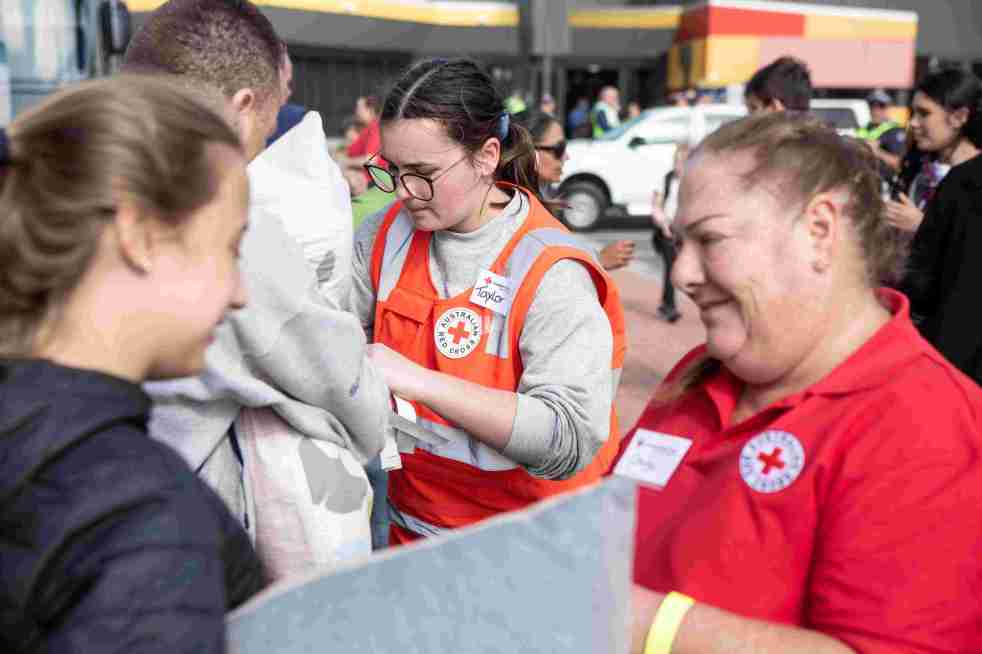
The Australian Red Cross has a long history of female volunteers providing aid to disaster victims. These women, often undervalued, found opportunities for social and political agency within the organization. Through fundraising and volunteering, they significantly contributed to the welfare of soldiers during the First and Second World Wars, yet their achievements have often been overlooked.

Attachment to place · Belonging · Blue Plaques · Camden Red Cross · Camden Story · Cultural Heritage · Cultural icon · First World War · Historical consciousness · History · Local History · Local Studies · Memorial · Memory · Military history · Myths · Philanthropy · Pioneers · Place making · Red Cross · Second World War · Sense of place · Storytelling · Volunteering · Volunteerism · War · War at home · Wartime · Women's history · World War One

Blue Plaque recognises Camden Red Cross sewing circle in wartime

The wartime efforts of Camden women have been recognised by the successful nomination for a New South Wales Blue Plaque with Heritage NSW. The women volunteered thousands of hours of their effort and skills to supply hospital requisites for soldiers at military hospitals.

Active citizenship · Agency · Agricultural heritage · Attachment to place · Belonging · Camden · Camden Show · Camden Showgirl · Camden Story · Community identity · Cultural Heritage · Festivals · Local History · Local Studies · Myths · Pageant · Place making · Ruralism · Sense of place · Showgirl competition · Volunteering · Volunteerism · Women's history · Young Woman Competition

Young Woman trumps the Showgirl

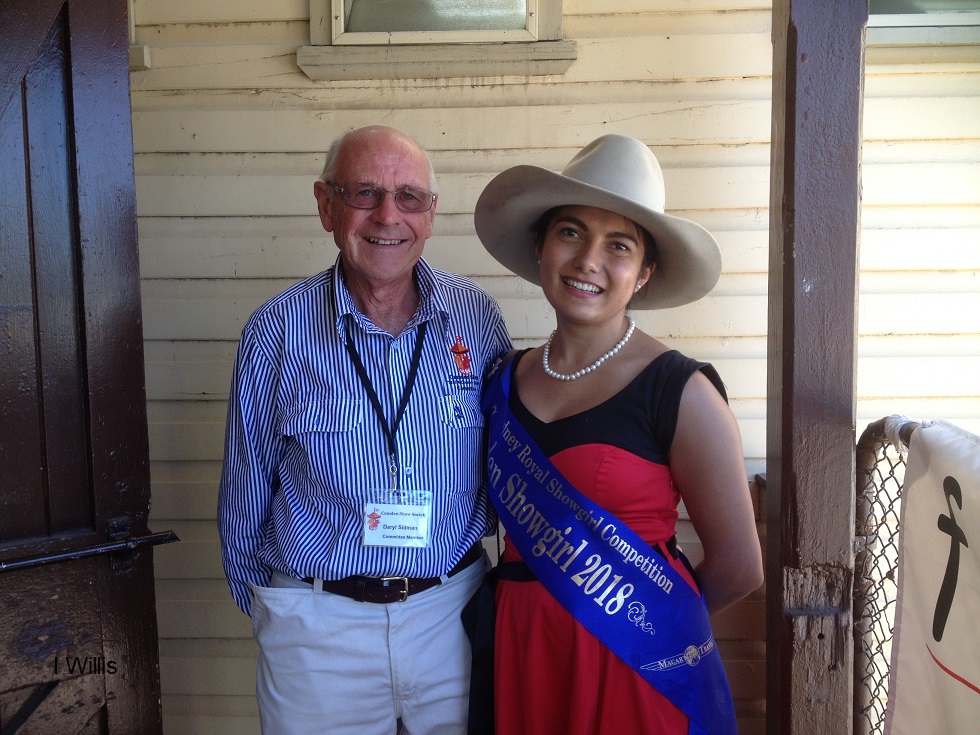
In late 2022 the Camden Show Society announced that Rubey Williams had been named the Camden Show 2023 Young Woman of the Year. The competition had been rebranded by the Royal Agricultural Society in 2019.

1920s · 20th century · Anzac · Convalescent Home · Convalescent hospital · Cultural Heritage · First World War · Heritage · Medical history · Military history · Patriotism · Picton · Red Cross · Sense of place · Shell Shock · Storytelling · Uncategorized · VAD · Voluntary Aid Detachment · Volunteering · Volunteerism · War · War at home · Wartime · World War One

Waley Convalescent Home at Mowbray Park

In 1919 Mowbray Park, five kilometres west of Picton, was handed over to the Commonwealth Government to be converted to a convalescent home for invalided soldiers from the First World War. The home was called Waley after its philanthropic benefactors. 

Camden Bowling Club · Carrington Aged-Care Complex · Catholic Women's League · Community identity · Community work · Cultural Heritage · Entertainment · Family history · Genealogy · Heritage · Living History · Local History · Local Studies · Memory · Motherhood · Music · Music history · Orangeville · Place making · Radical history · Roman Catholic Church · Second World War · Sense of place · Storytelling · The Oaks · Volunteering · Volunteerism · Wartime · Weddings · Wollondilly Shire Council · Women's history

An amazing woman, Sheila Murdoch

Sheila Murdoch was a community worker, musician and mother of five children. She was a rural woman from Orangeville who served her community, church and family.

Agricultural heritage · Agriculture · Attachment to place · Camden Show · Cultural Heritage · Heritage · History · Lifestyle · Living History · Local History · Local Studies · Macarthur · Miss Showgirl · Modernism · Myths · Pageant · Ruralism · Sense of place · Showgirl competition · Stereotypes · Storytelling · Uncategorized · Volunteering · Volunteerism · Women's history

Camden Showgirl, the enduring appeal of a rural pageant

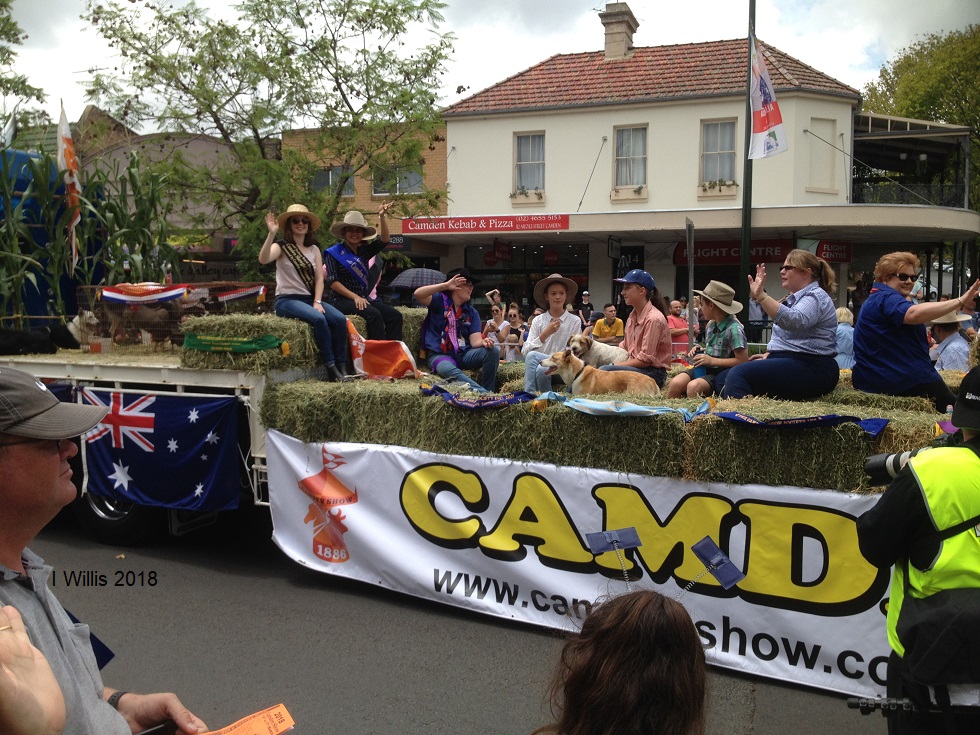
The Showgirl competition (formerly Miss Showgirl) is a complex mix of paradoxes and apparent contradictions reflecting many aspects of rural life. The pageant is an exercise in women's agency with differing representations of womanhood.

1920s · 20th century · Babies · Camden · Camden Park House and Garden · Camden Story · Community identity · Cultural Heritage · Cultural icon · CWA · Dr West · Edwardian · European Exceptionalism · Families · Family history · First World War · Gender · Heritage · Historical consciousness · Historical thinking · History · Infant Welfare · Local History · Local Studies · Macarthur · Memory · Motherhood · Pioneers · Place making · Red Cross · Second World War · Sense of place · Storytelling · Uncategorized · Victorian · Volunteering · Volunteerism · War · War at home · Wartime · Women's history · Women's Writing

Motherhood and nation-building in the early 20th century

Around the turn of the century a direct link was made between infant welfare, motherhood, patriotism and nationalism. Motherhood and mothering were expressed in terms of patriotism and a national priority. All driven by European exceptionalism.

Anzac · Art · Australia · Australian Comforts Fund · Camden · Camden District · Camden Story · Community Health · Craft · Crafts · Cultural Heritage · Cultural icon · Dress history · Fashion · First World War · Handcraft · Heritage · Historical consciousness · Historical Research · Historical thinking · History · Local History · Local Studies · Memory · Military history · Nationalism · Paintings · Patriotism · Philanthropy · Pictures · Red Cross · Second World War · Social History · Storytelling · Volunteering · Volunteerism · War · War at home · Wartime · Women's agency · Women's history · Women's stories · World War One

The patriotism of the wartime sock knitter

During World War I, hand-knitted socks became crucial for soldiers facing harsh conditions, preventing trench foot. Women across the British Empire, particularly in Australia, organized knitting efforts, leading to over 1.3 million pairs made. These efforts provided essential support and represented women's patriotism in wartime, often alleviating grief through their contributions.