Adaptive Re-use · Adaptive Reuse · Aesthetics · Archibald Gregory · Architecture · Art Deco · Attachment to place · Australian Army · Built Heritage · Camden Built Heritage · Camden Golf Club · Camden Story · Campbelltown-Camden Grammar School · Colonial Architecture · Colonialism · Cultural Heritage · Eastern Command Training School, Narellan, NSW · Farming history · Film Making · Heritage · History · History of a building · History of a house · Hotel History · Interwar · Local Studies · Military history · Movies · Narellan · Narellan Story · Place making · Sense of place · Settler colonialism · Settler Society · Stories · Storytelling · Studley Park · War at home · Wartime · World War Two

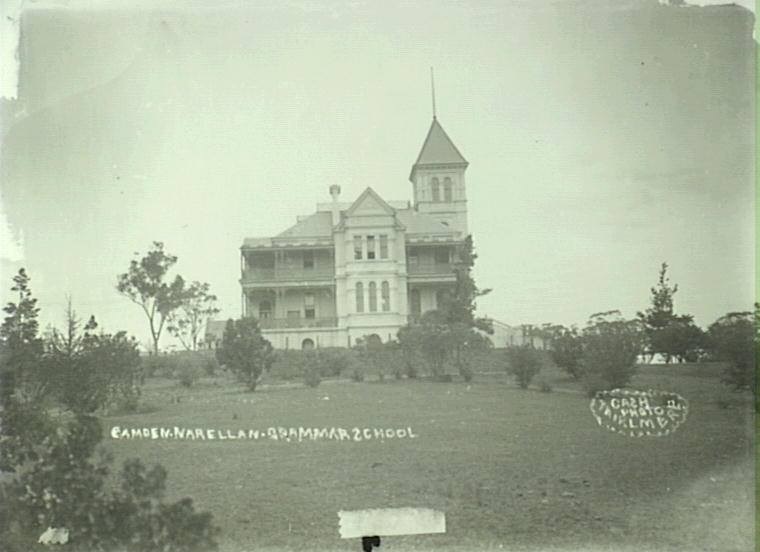
Exploring Studley Park: A Victorian Italianate Heritage Site

Studley Park House, located in Narellan, NSW, exemplifies Victorian Italianate architecture and holds state significance for its aesthetics and historical associations. Constructed in 1889 by architect firm AL & G McCredie for William Charles Payne, it served various purposes, including a school and military quarters, before becoming a private residence.

19th Century · 20th century · Architecture · British colonialism · Built heritag · Camden Built Heritage · Camden John Street Precinct · Camden Police Barracks · Collective Memory · Colonial Camden · Colonial frontier · Colonialism · Country town · Court of Petty Sessions · Cowpastures · Cowpastures district · Cowpastures Estates · Cowpastures Gentry · Cowpastures Region · Cultural Heritage · Heritage · History of a building · Local History · Local Studies · Military history · Place making · Policing · Sense of place · Settler Society · Small town · Stories · Storytelling · Uncategorized · Urban history · Victorian

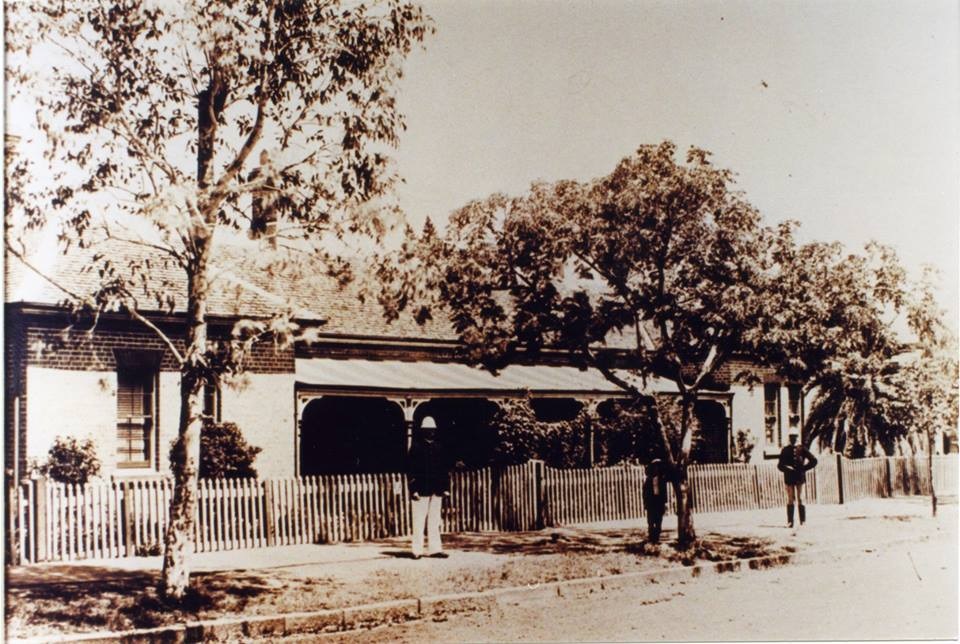
Camden Police Station and Residence: A Historical Landmark in Camden

Camden Police Station, a single-storey brick building at 35 John Street, was constructed in 1878 and served the NSW Police Service until 2011. Designed by James Barnet, it features historical architectural elements, including a paved verandah and brick chimneys. Currently vacant, it is recognized for its heritage value within the Camden community.

Aesthetics · Architecture · Attachment to place · Built heritag · Built Heritage · Camden · Camden Built Heritage · Camden Modern · Camden Modernism · Community building · Community identity · Cultural Heritage · Cultural icon · Elderslie · Heritage · Historical consciousness · History · History of a building · History of a house · House history · Housing · Housing styles · Landscape aesthetics · Local History · Lost Camden · Modernism · Place making · Placemaking · Sense of place · Social History · Stories · Storytelling · Town planning · Urban development · Urban growth · Urban history · Urban Planning · urban sprawl · Urbanism

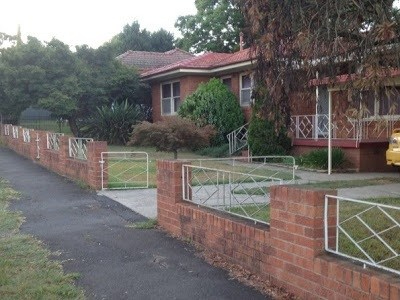
Mid-Century Modernist Homes in Elderslie

In the 1960s, modernism significantly influenced the community of Elderslie, where miners sought contemporary homes. Innovative house designs reflected mid-20th-century trends, including American Ranch styles. Australian architects, like Robin Boyd, contributed to housing projects across the country, merging modern aesthetics with traditional Federation-style homes. These trends influenced the design of local mid-century housing style, resulting in a unique urban landscape.