19th Century · Architecture · Attachment to place · Built heritag · Built Heritage · Camden Built Heritage · Camden Cottage Hospital · Camden Hospital · Camden Story · Community · Community building · Community Health · Country town · Cultural Heritage · Family history · History of a building · History of a house · House history · Humanitarianism · Local History · Local newspapers · Local Studies · Medical history · Medical Humanities · Place making · Placemaking · Sense of place · Small town · Social History · Stories · Storytelling · Transport · transport history · Trauma · Women's agency · Women's history · Women's stories

Camden Cottage Hospital, from accidents to amputations and early patient experiences

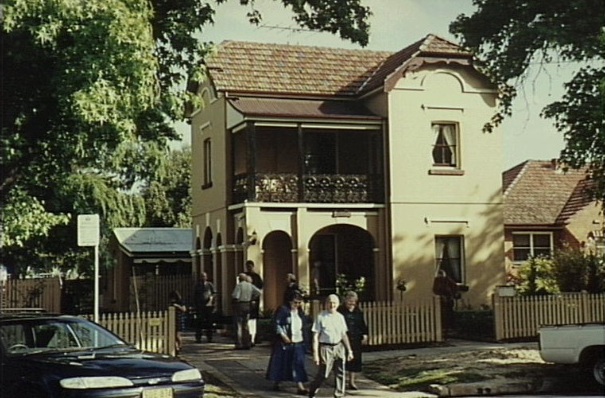
The Camden Cottage Hospital, opened in April 1899, initially struggled with low patient admissions due to community reluctance. Early cases included accidents and serious conditions, leading to treatments and surgeries like amputations. By early 1900, there was increasing community trust and the permanent facility opened in May 1902.

19th Century · Australian History · British colonialism · British Heritage · Camden Built Heritage · Camden Cottage Hospital · Camden Story · Camden Town Centre · Colonialism · Community building · Community Health · Community identity · Country town · Health and Medical History · Health History · Heritage · History of a house · Local History · Nursing · Place making · Sense of place · Small communities · Small town · Social History · Stories · Storytelling · Uncategorized · Village

Camden Cottage Hospital – early English influences and the cottage hospital movement

The Camden Cottage Hospital, inspired by the English cottage hospital movement, was established in 1899 in New South Wales. This model provided the community with a small, welcoming healthcare facility, funded by donations and subscriptions. Over time, cottage hospitals became integral to the healthcare landscape in rural Australia, adapting local characteristics.

19th Century · Architectural History · Architecture · Australian History · Built Heritage · Colonial Architecture · Colonial Australia · Colonialism · Country town · Cultural Heritage · Georgian · Heritage · Historiography · History · Housing styles · Local History · Pioneers · Place · Sense of place · Small communities · Small town · Stories · Storytelling

Rediscovering Forgotten Australian History Books

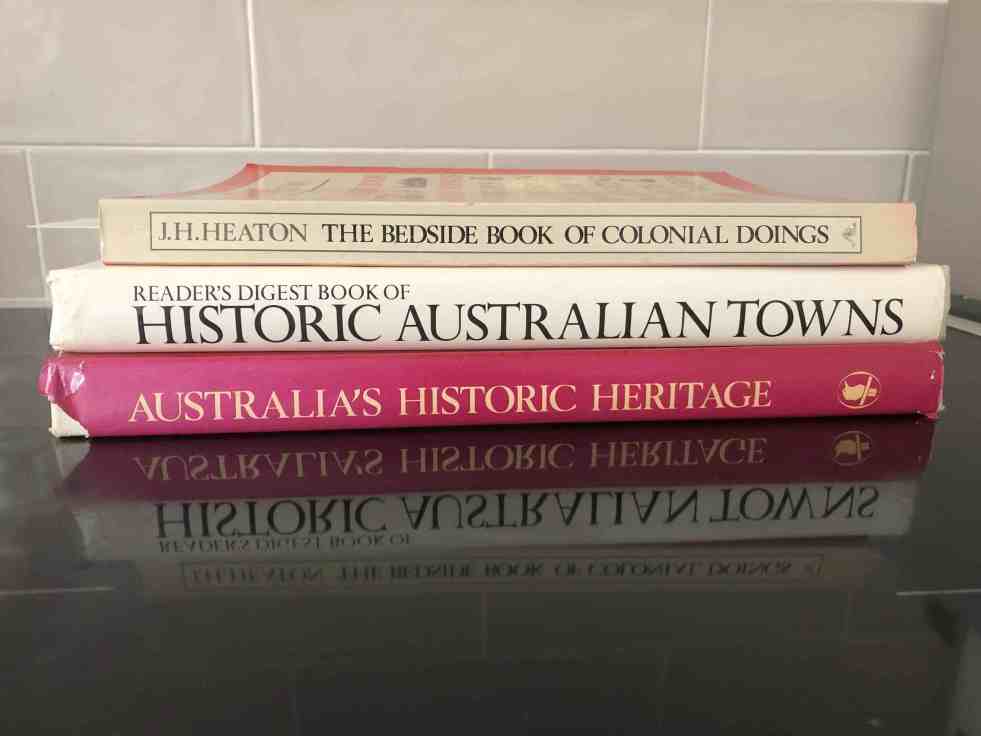
The blog post discusses three historically significant Australian books from the 1980s, which have become neglected items. Heaton’s work is a reference on early Australian history, while Smith’s volume showcases historical sites through photography. Morrison and Irving focus on historic towns and architectural heritage. Collectively, they reflect on popular historiography in Australia.

Book · Cobbitty · Community · Country town · Cultural Heritage · Elizabeth Macarthur · Elizabeth Macarthur Onslow · Gothic · Local History · Local Studies · Place making · Royal Tours · Sense of place · Small town · St Paul's Church Cobbitty · St Pauls Church Cobbitty · Storytelling · Uncategorized · Village · Women's history · Women's stories · Women's Writing

Nancy Phelan’s Reflections on the English Resemblance of Cobbitty, NSW

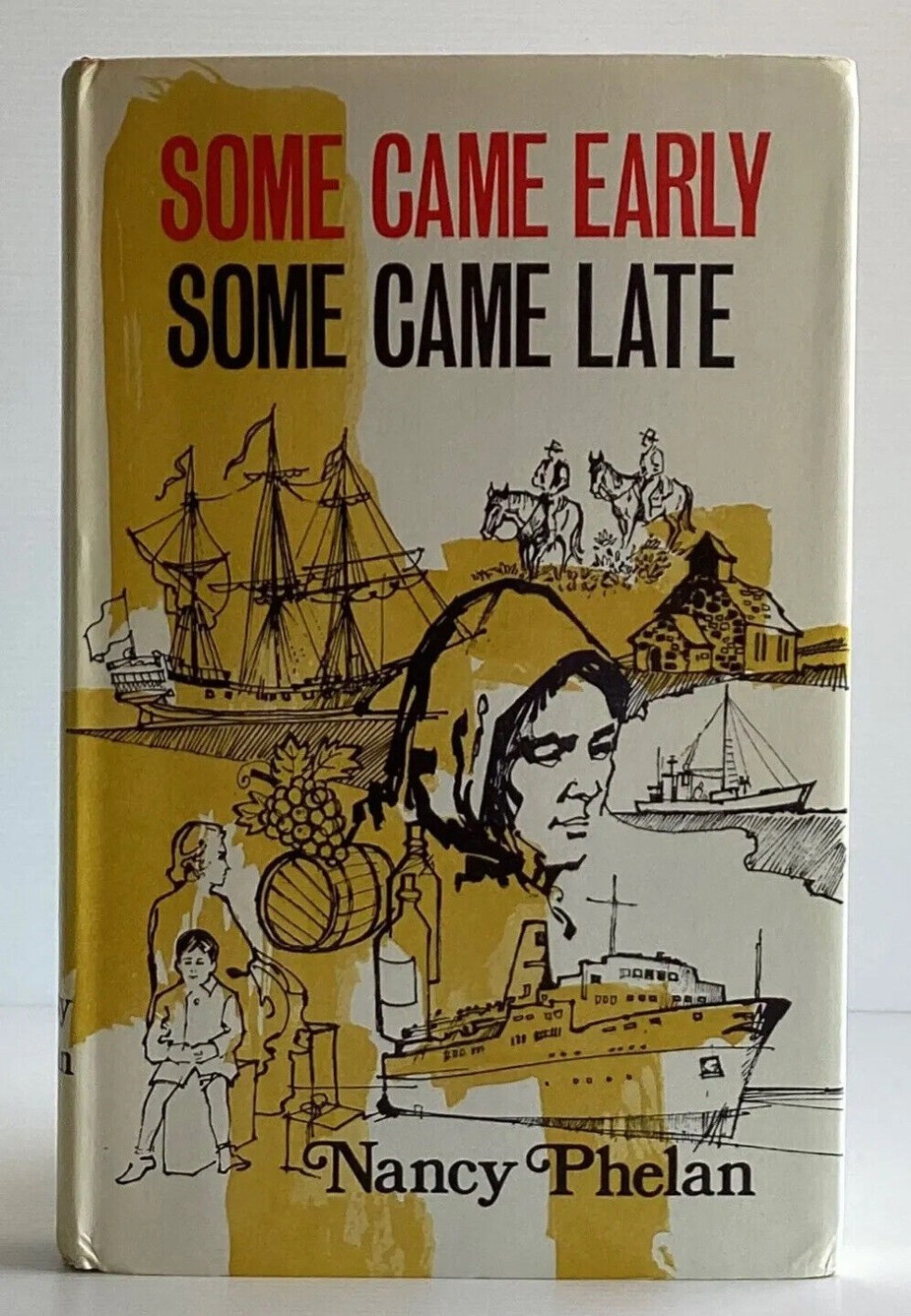
Australian writer Nancy Phelan's "Some Came Early Some Came Late" (1970) explores the historical significance of the Cobbitty region in New South Wales, focusing on the efforts of early colonial English immigrants to recreate a 'little England'. Phelan's unique perspective, influenced by her own experiences and observations, offers a fresh and captivating view of the region's history, accentuating the deep emotional ties and cultural significance.