British colonialism · Camden · Camden District · Cawdor · Cobbitty · Colonial Camden · Colonialism · Community identity · Convicts · Cowpastures · England · Farming · Floods · Heritage · Historical consciousness · Historical Research · History · Landscape aesthetics · Local History · Macarthur · Menangle · Myths · Parks · Place making · Regionalism · Royal Tours · rural-urban fringe · Sense of place · Settler colonialism · Tourism · Transport · Urban growth · Urban history · Urbanism · Volunteering

The Camden district, 1840-1973, a field of dreams

The Camden district was historically significant, serving as a social and economic center for over a century. It integrated farming, mining, and community life, shaped by Aboriginal heritage and European settlement. However, modern developments and infrastructural changes led to its decline, transitioning to a regional identity tied to Macarthur area governance and branding.

Aesthetics · Attachment to place · Australia · British colonialism · Cawdor · Colonial Camden · Colonialism · Community identity · Cowpastures · Cowpastures River · Cultural Heritage · Cultural icon · Governor Macquarie · Heritage · Historical consciousness · Historical Research · Historical thinking · History · Landscape aesthetics · Local History · Local newspapers · Myths · Nepean River · Newspapers · Place making · Sense of place · Settler colonialism

Exploring the Cowpastures region: the early history of a settler society

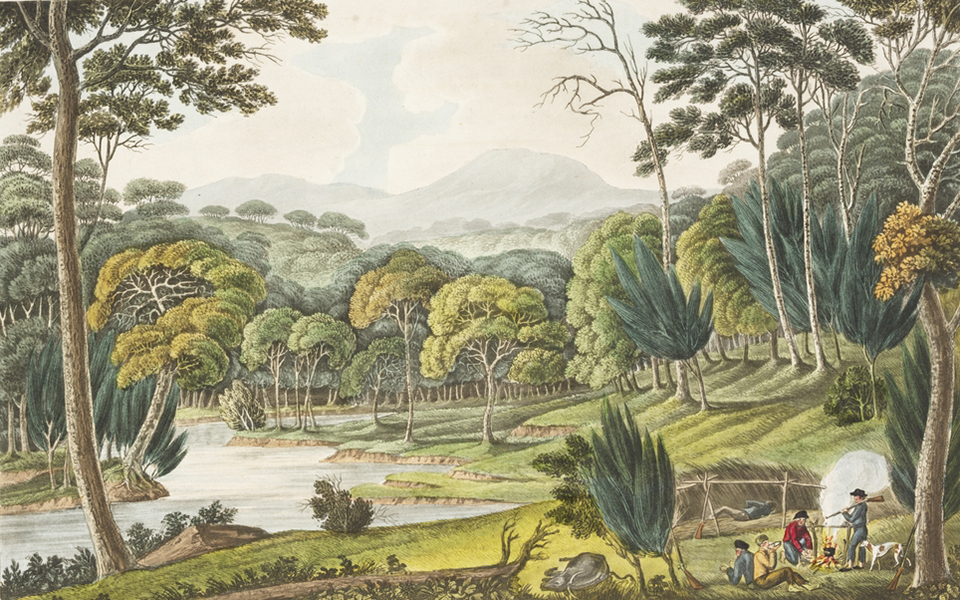
The Cowpastures region, named by Governor Hunter in 1795, reflects a culturally constructed landscape stemming from the 18th century. Originating with wild cattle from the First Fleet, it evolved into a significant colonial area intersecting Indigenous history. The region's identity waned by the late 19th century but is celebrated today for its historical legacy.