19th Century · 20th century · Aesthetics · Architectural History · Architecture · Art · Artists · Artworks · Book · Built Heritage · Colonial Architecture · Colonial Australia · Colonial Camden · Colonial frontier · Colonial garden · Community identity · Cowpastures · Cowpastures district · Cowpastures Gentry · Cowpastures Region · Cultural Heritage · Gardening · Georgian · Heritage · History · House history · Housing styles · Interwar · Landscape aesthetics · Local History · Local Studies · Narellan Built Heritage · Place making · Placemaking · Regionalism · Residential Housing Style · Sense of place · Settler colonialism · Settler Society · Storytelling · Uncategorized · Victorian · William Hardy Wilson

Unveiling Hardy Wilson’s architectural legacy and his influence on Camden’s aesthetics

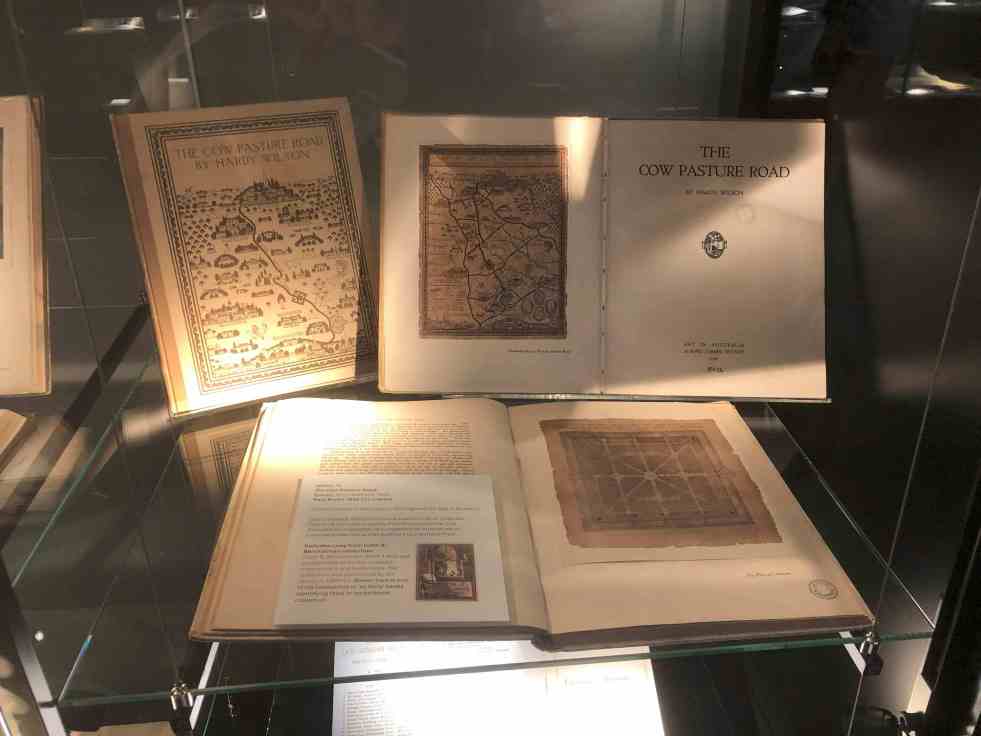
William Hardy Wilson, a largely unrecognized architect and artist, authored The Cow Pasture Road in 1920, impacting Camden's cultural narrative. His work celebrates colonial architecture and aesthetics, leading to a recent exhibition at the University of Sydney Library, which explores his dual legacy as both a visionary artist and controversial figure in Australian history.

Adaptive Re-use · Aesthetics · Agricultural heritage · Agriculture · Architecture · Attachment to place · Australia · Australian Historic Themes · Camden Story · Colonial Camden · Colonial frontier · Colonialism · Community identity · Conservation · Convicts · Cultural Heritage · Cultural icon · Elizabeth Farm · Elizabeth Macarthur · England · Families · Family history · Gardening · Georgian · Heritage · Historical consciousness · Historical Research · Historical thinking · History · History of a house · House history · Landscape · Landscape aesthetics · Living History · Local History · Macarthur · Memory · Parramatta · Place making · Sense of place · Settler colonialism · Settler Society · Storytelling · Victorian · Women's history

Elizabeth Farm, the foundation story of the Macarthur rural empire

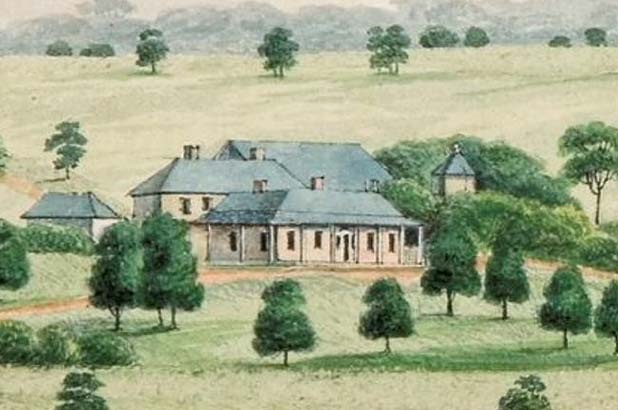
Elizabeth Farm was the home of John and Elizabeth Macarthur for over 35 years, playing a central role in Australia's wool industry. Following years of neglect, it was transformed into a house museum in 1984. With extensive gardens and historical significance, it stands as one of the oldest surviving constructions in Australia.