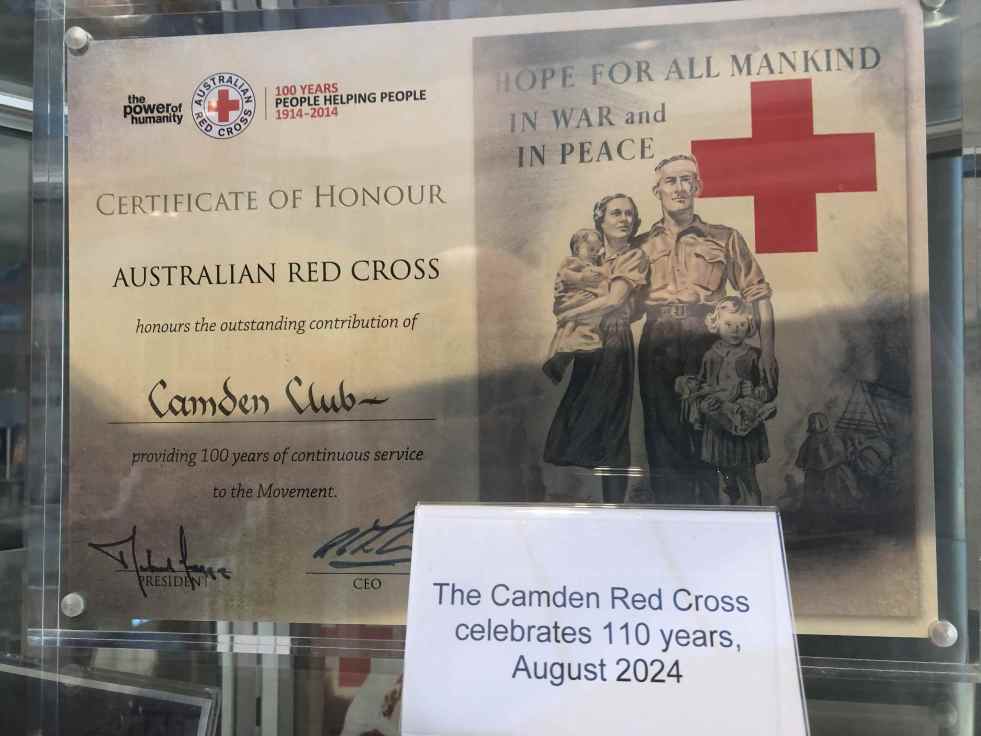
The Camden Red Cross exhibition at Camden Library in August 2024 showcased the historical contributions of local women to the Red Cross during World Wars I and II. Women from the Camden district played a pivotal role in supporting soldiers and shaping the narrative of the Australian Red Cross, creating over 20,300 articles in 40,000 volunteer hours during WWI.
Tag: military

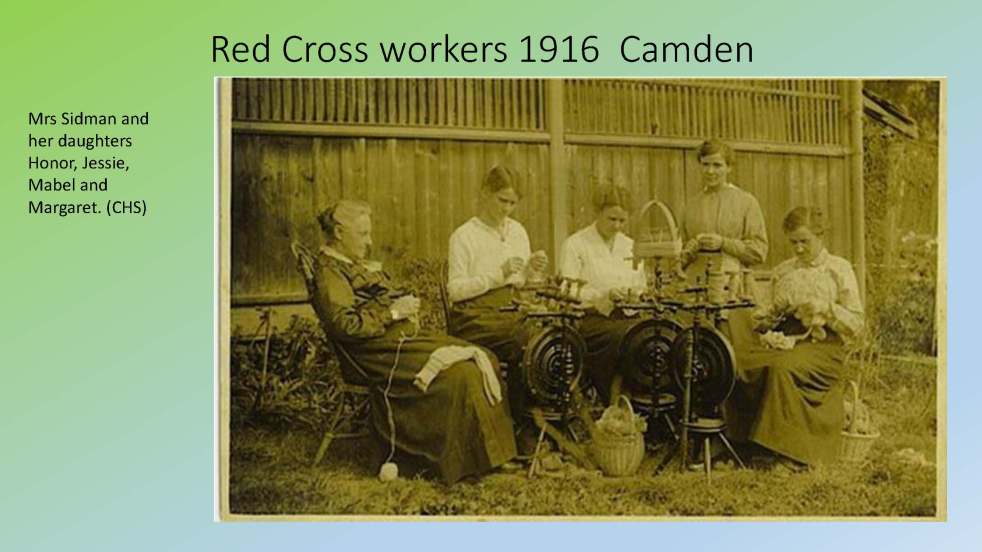
Ministering Angels, Myth and the Red Cross on the Australian Wartime Homefront
The paper presented at the 33rd Annual Conference of the Australian Historical Association at the University of Queensland in 2014 explored the role of Australian country women in supporting the Red Cross during the First World War. The paper focused on the Camden District Red Cross, emphasizing the conservative women’s empowerment in embracing the Red Cross, serving as ministering angels, and upholding patriotic values. Total words: 78
Share this:

Share this:

‘Angels Of Mercy’, The Red Cross On the Homefront During the First World War
During World War I, the Australian Red Cross mobilized women as 'Angels of Mercy' and 'ministering angels' to provide aid with strong moral overtone. The organization used motherhood imagery to rally support, portraying itself as the 'Greatest Mother in the World'. This approach effectively garnered community backing and positioned Red Cross workers as soldiers' guardian angels.
Share this:

Share this:
Local historian talks at an international conference in Adelaide
Dr Ian Willis OAM challenges myths of WWI in his talk at the 2024 Australian Historical Association conference. He examines the Australian military's response to sick and wounded soldiers and the role of the British Red Cross. The conference aims to uncover home truths and dispel historical myths. Dr Willis's research focuses on the Red Cross's role in soldier recovery.
Share this:

Share this:
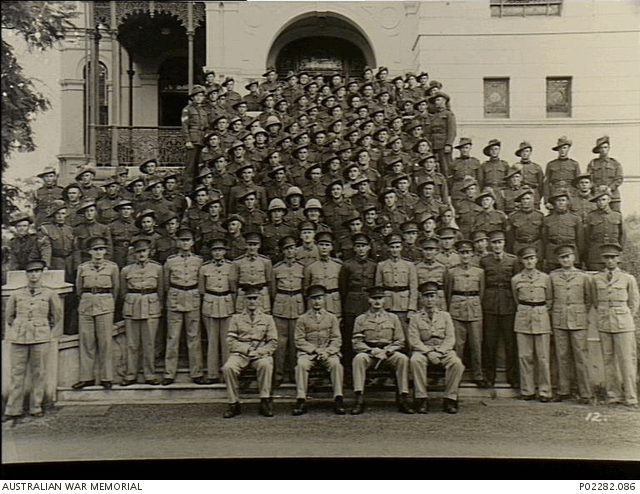
Exploring Studley Park’s Role in Army Training 1939-1945
Studley Park in Narellan, NSW, served as a military training facility for the Australian Army Service Corps during World War II. It was leased by the Department of Defence in 1939 then purchased from its pre-war owners. Post-war, it transitioned into civilian use, notably becoming a golf club.

